




Iran Vows Not to Surrender Hormuz Control as ECB Considers 0.75% Rate Increase


Iran's leader vows to keep Hormuz control, blocking US deal. ECB eyes 0.75% rate hike by December. Oil shortages warned as Brent stays at wartime highs.
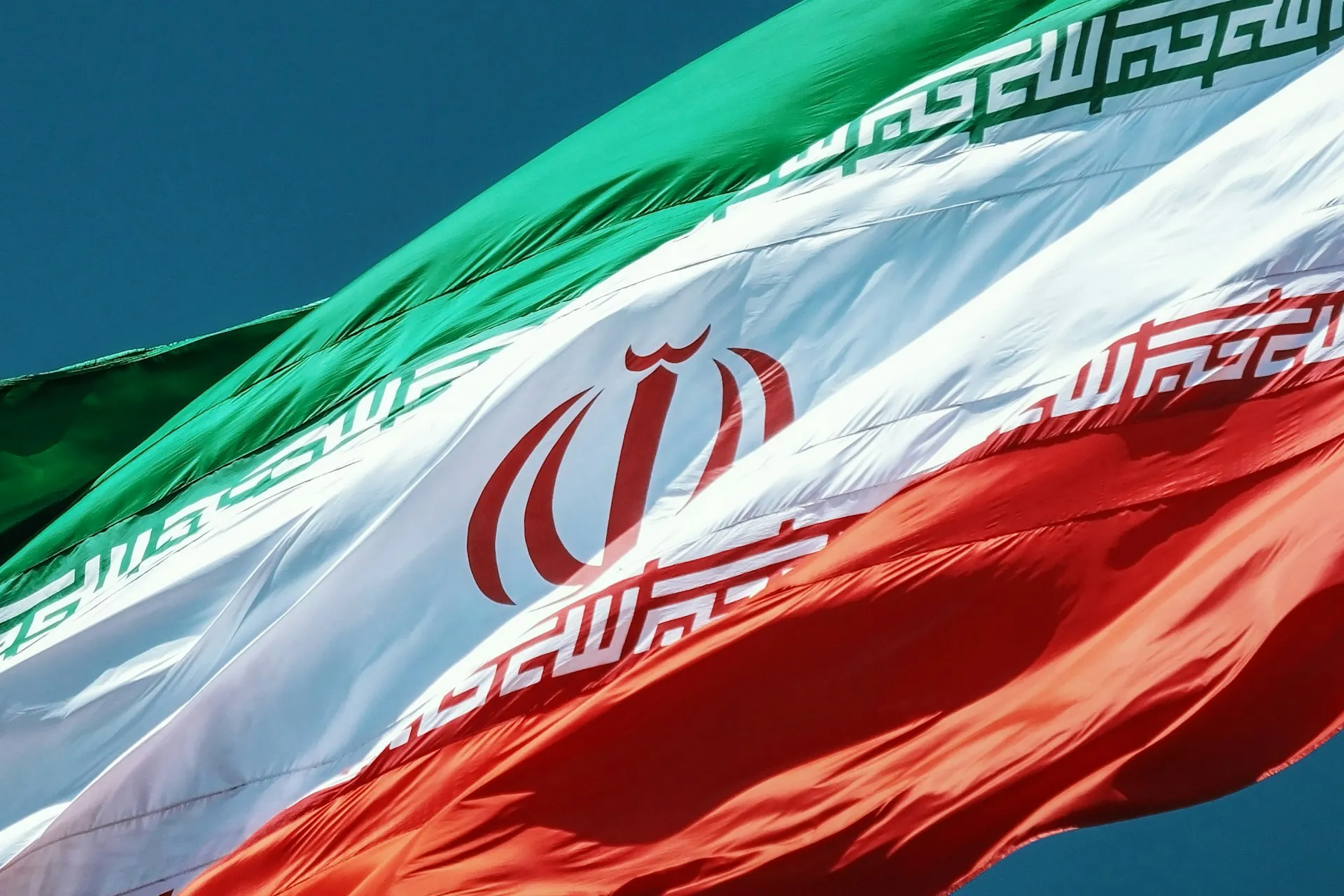
- Iran's new supreme leader, Mojtaba Khamenei, vowed that Tehran will not surrender nuclear or missile technologies and will maintain control of the Strait of Hormuz, eliminating the concessions required for a US deal to reopen the shipping route.
- ECB President Christine Lagarde suggested euro-zone rate-setters will consider a rate hike at their June meeting after debating whether to make a move, with the ECB priced to increase its policy rate almost 0.75% through the December ECB meeting, the first explicit hawkish signal after months of rate-cut expectations.
- An oil major warned of imminent "critical shortages" for some nations as Brent Crude remained at wartime highs on day 24 of the ceasefire (day 63 of the paused conflict), signaling available crude volumes cannot meet all commitment.
- Meta fell 8.6% and Microsoft lost 3.9% as investors questioned rising AI infrastructure spending without corresponding revenue growth, creating a profitability test for upcoming quarterly earnings.
- Japan's currency intervention drove the yen from above 160.00 to below 156.00 against the dollar on May 1. The move's sustainability depends on whether the US Treasury or Federal Reserve publicly endorses the action within the typical 7-10 day coordination window that historically precedes G7 joint interventions
Energy Blockade Pushes Oil to Crisis Levels as Europe Prepares to Raise Rates
Iran's new supreme leader Mojtaba Khamenei vowed not to surrender nuclear or missile technologies and signaled Tehran would keep control of the Strait of Hormuz. The statement closes the diplomatic pathway required for the US to lift its blockade because the US position is premised on Iranian nuclear concessions.
Without agreement on weapons program limitations, neither the US nor Iran has announced vessel passage permissions, inspection protocols, or blockade withdrawal timelines, meaning commercial tanker traffic cannot resume through the strait. Khamenei's public commitment eliminates flexibility for interim compromises that could have reopened partial crude flows while broader negotiations continued.
Oil Major Issues "Critical Shortages" Warning as Commodity Index Posts 30% Gain
An oil major warned of imminent "critical shortages" for some nations on May 1, marking a public acknowledgment that available crude volumes cannot meet all contractual commitments. The warning was issued on day 24 of a ceasefire and day 63 of the paused Middle East war, indicating the diplomatic pause has not restored operational crude flows.
The Bloomberg Commodity Total Return Index rose 4% in April, lifting its year-to-date gain to 30%, with energy leading the advance. Energy surged approximately 8% in April despite a 10% slump in natural gas, bringing the sector's year-to-date gain to 74%. The shortage warning signals refiners or importers in specific geographies now face allocation cuts, forcing either demand destruction or price escalation to secure remaining supply, accelerating inflation transmission to consumer fuel prices.
ECB Considers June Rate Hike as Bank of England Faces Similar Pressure
ECB President Christine Lagarde suggested euro-zone rate-setters will consider a rate hike at their June meeting after debating whether to make a move. The ECB is priced to increase its policy rate almost 0.75% through the December ECB meeting. The Bank of England faces similar pressure, with several policymakers suggesting they are entertaining the idea of backing a rate rise soon.
The policy reversal occurs because energy-driven inflation persists despite the ceasefire, with Saxo's analysis noting concerns the Strait of Hormuz may not reopen anytime soon. For European borrowers, ECB rate increases translate directly to higher variable mortgage rates, car loans, and credit card rates within 3-6 months as banks pass policy rate changes to consumers. The rate pivot prioritizes inflation control over growth support even if higher rates slow economic activity or increase unemployment.
Japan intervened in the foreign exchange market on May 1 after the yen weakened to well above 160.00 against the US Dollar, with explicit and stern intervention threats from Japan's finance ministry driving the yen below 156.00. If Japan executes sustained intervention, hedge funds holding yen-funded carry trades face losses on short yen positions, potentially forcing them to sell US stocks and emerging market bonds to cover, creating cascading pressure that affects diversified portfolios even without direct currency exposure.
Tech Stocks Must Prove AI Investments Generate Revenue Growth
Meta fell 8.6% and Microsoft lost 3.9% as investors questioned rising AI infrastructure spending. The selloff creates a simple test for next quarter's earnings: does AI spending generate more revenue than it costs, or does it just squeeze profit margins?
Tech-focused index fund holders face a binary outcome in the next earnings cycle: either companies demonstrate AI investments produce revenue growth exceeding capital expenditure, supporting current valuations, or they report margin compression from AI spending without proportional revenue increases, risking further declines. Historical technology sector selloffs following disappointing earnings have ranged from 7% to 18% in single-day moves when growth expectations fail to materialize.
Energy stocks remain difficult to trade despite the shortage warning because any surprise diplomatic deal, unlikely as it seems given Khamenei's statement, would crash oil prices faster than you can sell. Similarly, betting on yen strength requires waiting for Japan to actually spend money defending its currency, not just issue warnings.
What Could Prove This Analysis Wrong
This analysis assumes Khamenei's statement represents Iran's final position, the Strait of Hormuz stays blocked, and Japan's intervention remains unilateral without G7 coordination.
The analysis fails if the US Treasury Secretary or Federal Reserve Chair publicly backs Japan's currency intervention in the next few days, because US support transforms a solo Japanese action into a coordinated G7 policy that speculators take far more seriously. The technology analysis fails if next quarter's earnings show AI spending actually produces more revenue growth than it costs.
Investors should watch for any US official comments on Japan's yen defense over the next 7-10 days, when major economies coordinate currency intervention, they typically announce it within a week of the first move. The ECB's June meeting will show whether central banks actually raise rates as suggested or back down if economic data worsens before then. If more oil companies issue shortage warnings in the coming weeks, it confirms supply cannot meet demand, meaning some buyers will be cut off regardless of price.
Analyst's Notes





Subscribe to Our Channel


Stay Informed


