




US Payroll Growth Reprices Fed Expectations, Pressuring Gold & Resource Valuations


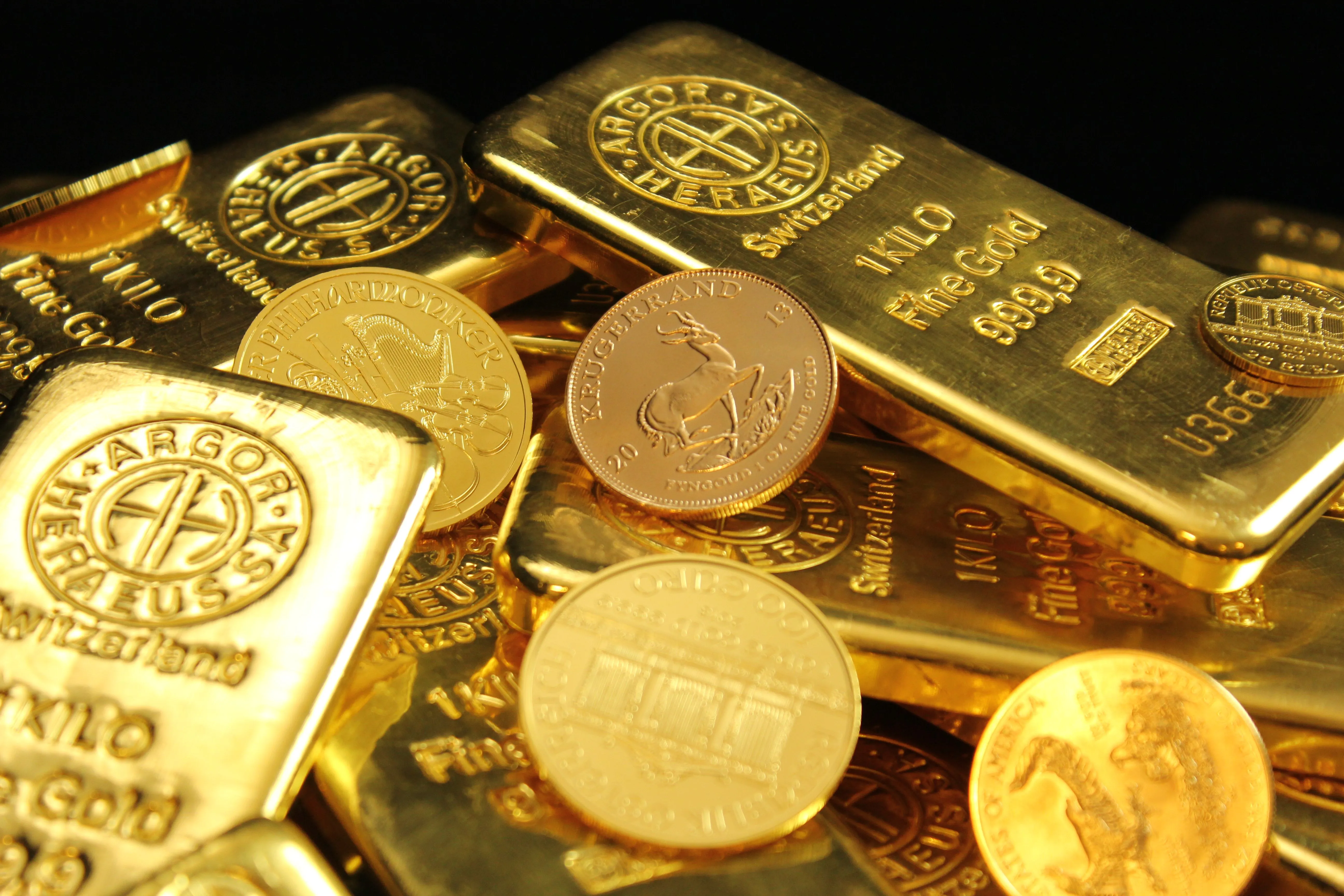
US payroll growth lifted Fed hike odds to 72%, pushing Treasury yields higher and pressuring gold, precious metals, and resource valuations.
- US nonfarm payrolls increased by 172,000 jobs in May, lifting the market-implied probability of a December Fed rate hike to 72% from 45% a week earlier.
- Spot gold fell 1% to $4,287.66 per ounce after the jobs report, while silver, platinum, and palladium fell between 1.5% and 2.2% as higher Fed rate expectations weighed on precious metals.
- The benchmark 10-year US Treasury yield rose to a two-week high after the jobs report, making bonds more attractive than non-yielding assets such as gold.
- Oil prices rose more than $3 per barrel on the same day, but higher Fed rate expectations outweighed inflation-driven support for gold and pushed precious metals lower.
- A drop in the implied probability of a December Fed rate hike below 50%, alongside lower Treasury yields, would signal renewed support for gold and other precious metals.
US Jobs Report Lifts Fed Hike Expectations, Hits Precious Metals
Stronger-than-expected US jobs data increased expectations of further Fed tightening, sending precious metals lower. The US economy added 172,000 nonfarm payroll jobs in May. After the report, spot gold fell 1% to $4,287.66 per ounce, while August gold futures dropped 1.2% to $4,311. Silver fell 2.2% to $66.33, platinum dropped 2.1% to $1,739.78, and palladium lost 1.5% to $1,207.50, showing the rate-driven sell-off spread across precious metals.
Before the jobs report, investors expected the Fed to begin cutting rates later this year despite elevated inflation. The jobs report increased expectations that the US economy can absorb higher interest rates, prompting investors to raise the probability of another Fed rate hike.
Rising Treasury Yields Override Oil's Support for Gold
Gold fell as investors raised expectations for higher US interest rates. After the jobs report, the benchmark 10-year US Treasury yield rose to a two-week high, increasing returns on government bonds. Higher bond yields make income-generating assets more attractive than gold, which pays no yield.
Rising Treasury yields reduced demand for gold by increasing returns on bonds. OANDA senior market analyst Kelvin Wong said higher yields were drawing investors toward fixed-income assets. The shift toward bonds outweighed support for gold from higher energy prices. Oil prices rose more than $3 per barrel, a move that would normally support gold as an inflation hedge. Instead, investors focused on Fed policy because higher rates lift bond yields and reduce the appeal of non-yielding assets such as gold.
Strong jobs growth reduced expectations of near-term Fed rate cuts and increased expectations of another rate hike. Markets now assign a 72% probability of a December Fed rate hike, up from 45% a week earlier. The shift in rate expectations reflects confidence that the US economy can withstand higher borrowing costs. Capital Economics chief markets economist Jonas Goltermann said strong employment and elevated inflation support additional Fed tightening later this year.

Gold Is Trading on Fed Expectations, Not Fed Actions
Gold prices can fall before the Fed changes rates because investors trade on expected policy moves rather than actual decisions. OANDA senior market analyst Kelvin Wong said gold's decline reflects rising expectations for future Fed tightening rather than an actual rate increase. Gold could remain below recent highs if investors continue pricing in additional Fed tightening. The CME FedWatch tool provides the clearest measure of how investors expect Fed policy to change. Upcoming US inflation and jobs reports could change expectations for a December Fed rate hike and drive the next move in gold prices.
Higher Treasury Yields Raise Costs for Resource Projects
Higher Treasury yields raise financing costs for mining, energy, and other resource projects that rely on external funding. Development-stage companies face the greatest risk because higher discount rates reduce project valuations and make new funding more expensive.
Oil prices rose more than $3 per barrel even as gold, silver, platinum, and palladium fell. Higher Fed rate expectations outweighed support from rising oil prices because bond yields have a greater influence on gold demand than inflation expectations.
A single jobs or inflation report rarely determines the Fed's next move, making short-term trades difficult to sustain. Neither retail nor institutional investors can reliably predict the timing of future Fed decisions or economic data surprises. Instead of trading individual data releases, investors should focus on companies with strong balance sheets and low funding needs if interest rates remain elevated.
The Thresholds That Could Change the Gold Trade
Gold remains under pressure while US Treasury yields stay near recent highs and markets assign a 72% probability to a December Fed rate hike. As long as yields remain elevated, bonds and other income-generating assets are likely to attract more capital than gold.
Gold could recover if investors reduce expectations for another Fed rate hike. A drop in the implied probability of a December Fed rate hike below 50% would indicate that markets expect less policy tightening. Lower rate expectations would likely reduce Treasury yields and lift gold prices.
US inflation data, jobs reports, and CME FedWatch probabilities may determine whether markets continue pricing a December Fed rate hike. The key threshold is the implied probability of a December Fed rate hike. A sustained move below 50% would signal lower Fed tightening expectations and could support a recovery in gold prices.
Analyst's Notes





Subscribe to Our Channel





Stay Informed


