




.webp)



Rio2 Limited
NYSE: CLOSED
TSE: CLOSED
LSE: CLOSED
HKE: CLOSED
NSE: CLOSED
BM&F: CLOSED
ASX: CLOSED
FWB: CLOSED
MOEX: CLOSED
JSE: CLOSED
DIFX: CLOSED
SSE: CLOSED
NZSX: CLOSED
TSX: CLOSED
SGX: CLOSED
NYSE: CLOSED
TSE: CLOSED
LSE: CLOSED
HKE: CLOSED
NSE: CLOSED
BM&F: CLOSED
ASX: CLOSED
FWB: CLOSED
MOEX: CLOSED
JSE: CLOSED
DIFX: CLOSED
SSE: CLOSED
NZSX: CLOSED
TSX: CLOSED
SGX: CLOSED

By Metal or Resource

By Project Stage
By Exchange
By Geography
By Investment Theme


Astra Exploration Inc

Crux Investor Index
5
–
Market Cap (USD)
39100000
Symbol
TSXV:ASTR
Stage of development
Exploration
Primary COMMODITY
Gold
Additional commodities
Silver
Company Overview
Astra Exploration Inc. (TSX-V: ASTR, OTCQB: ATEPF, FSE: S3I) is a Canadian mineral exploration company focused on the discovery and development of gold and silver deposits in Argentina and Chile. The company operates three core projects: La Manchuria in Argentina's prolific Deseado Massif, and Pampa Paciencia and Cerro Bayo in Chile's established mining regions. With a market capitalisation of approximately C$58 million and cash reserves of C$7 million as of October 2025, Astra represents an early-stage exploration opportunity in established mining jurisdictions.
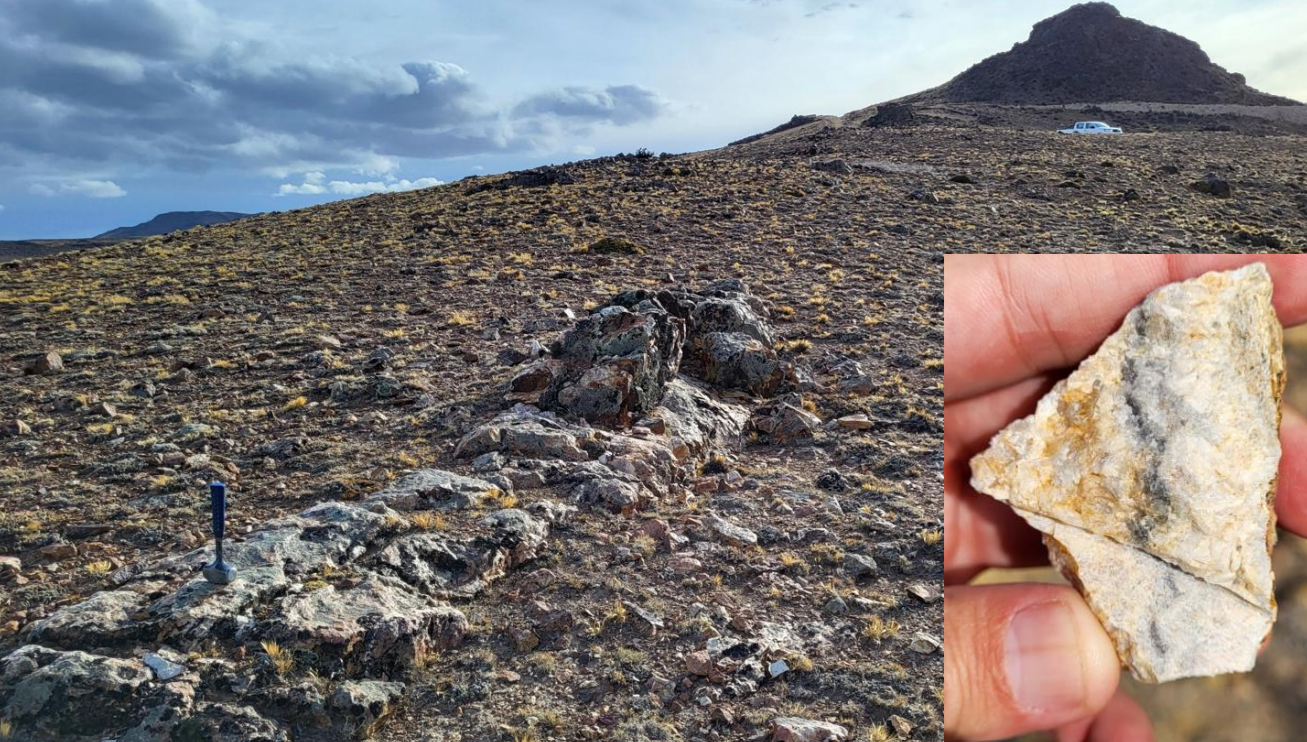
The company's flagship La Manchuria project, located in Santa Cruz Province, Argentina, spans 5,600 hectares and hosts a NI 43-101 compliant resource. The deposit exhibits near-surface, bonanza-grade gold and silver intercepts within a low-sulphidation epithermal system, with previous drilling returning results including 20.5 metres at 10.4 g/t gold plus 810 g/t silver, and 1.6 metres at 257 g/t gold plus 4,237 g/t silver. Astra’s maiden drill program in April-May 2025 opened the deposit in all dimensions, highlighted by 4.4mat 11.8 g/t gold plus 2,781 g/t silver, and 1.6m at 75.1 g/t gold plus 87 g/t silver. The property lies within the Deseado Massif, a region that has produced world-class mines including Newmont's Cerro Negro and AngloGold Ashanti's Cerro Vanguardia, which collectively account for 57% of Argentina's gold and silver production.
In Chile, Astra's Pampa Paciencia project encompasses 3,840 hectares in the Paleocene epithermal belt of northern Chile, situated within 15 kilometres of significant copper-gold-molybdenum resources totalling 17.6 million tonnes of copper, 3.6 million ounces of gold, and 277,000 tonnes of molybdenum held by neighbouring large cap mining companies. The project has demonstrated an 8.5 kilometre strike length of vein fields which have never been drilled, with 44of 45 drill holes intersecting vein structures averaging 10 to 15 metres in estimated true thickness.
The company's capital structure comprises approximately 116.4 million shares outstanding, with management and directors holding roughly 13% of shares. Strategic investors include notable mining industry figures such as Michael Gentile of Bastion Asset Management, Mason Resources and several of its principles including Peter Damouni, Simon Marcotte, and Victor Cantore. Approximately 75% of the company's shares are held by a small, select group of investors, suggesting a tightly held ownership base with significant skin in the game. Outstanding warrants total 1.3 million shares at a strike price of C$0.18, expiring in April 2026, whilst options total 7.8 million shares with strike prices ranging from C$0.13 to C$0.35.
Opportunity
The investment case for Astra Exploration rests on three primary pillars: the potential for high-grade gold and silver discovery in proven metallogenic belts, exposure to under explored territories in mining-friendly jurisdictions, and the company's early-stage valuation relative to the scale of its prospective land holdings.
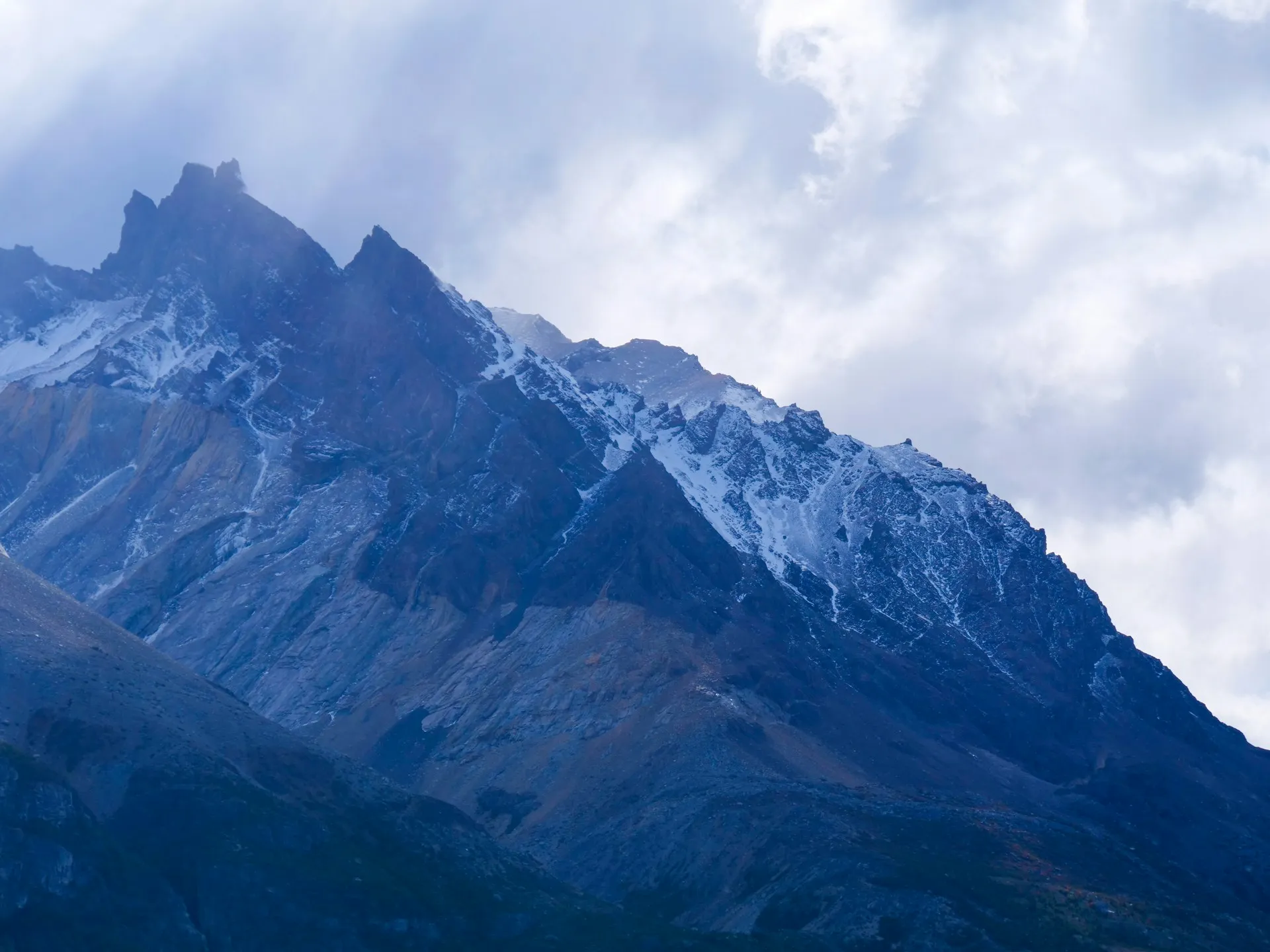
Argentina's Deseado Massif represents a compelling geological setting for epithermal gold-silver discoveries. The region has witnessed substantial merger and acquisition activity during previous gold cycles, including Goldcorp's US$3.4 billion acquisition of Andean Resources in 2010 for the Cerro Negro project, and Yamana Gold's C$413 million purchase of Extorre Gold in 2012. These transactions demonstrate the strategic value major miners place on quality assets in the region. The Deseado Massif remains a relatively young exploration province with geological characteristics analogous to otherworld-class epithermal districts, yet has received limited systematic exploration investment in recent years.
Astra's La Manchuria project benefits from existing infrastructure and a skilled labour pool drawn from nearby operating mines. The Argentinean federal government has implemented a new investment incentive regime designed to attract mining capital, whilst the provincial government's recent policy reforms have improved the investment climate for natural resource development. The project's 43-101 resource provides a foundation for expansion, whilst previous drilling focused primarily on shallow, near-surface bulk-tonnage mineralisation to depths of less than 170 metres, leaving significant potential untested for high-grade feeder zones at depth, along strike, and laterally.
The company's Phase I drilling programme, completed in May 2025, consisted of 11 holes totalling approximately 2,500 metres and delivered several encouraging results. Hole LMD-107A intersected 1.6 metres grading 75.1g/t gold plus 87 g/t silver from 189.5 metres depth, including 0.6 metres at199.3 g/t gold plus 228 g/t silver, demonstrating strike extension into areas previously thought to be barren. Hole LMD-108A intersected a newly identified "Argentum Vein" structure approximately 80 metres below previous drilling and 100 metres below surface, returning 4.4 metres at 11.8 g/t gold plus 2,781 g/t silver from 124.6 metres, including 1.4 metres at 35.3 g/t gold plus 8,356 g/t silver. This intersection suggests that thinner surface veins coalesce at depth to form thicker, higher-grade structures.
Further west, hole LMD-105 discovered three new veins near surface, all returning intervals exceeding 8 g/t gold equivalent, whilst hole LMD-113 intersected four mineralised veins within 80 metres of surface, with the highest-grade veins appearing to coalesce at depth. These results indicate asystem with greater lateral and vertical extent than previously understood, with the deposit remaining open in all directions. Critically, the Phase I programme revealed that previous interpretations of a solid andesite basement may have been incorrect, as two holes penetrated through andesites into additional prospective host rock units at depth, suggesting a"Christmas-tree laccolith" geometry that could host substantial additional mineralisation.
In Chile, the Pampa Paciencia project presents a different opportunity profile. The property hosts a confirmed epithermal gold-silver system with geology and mineralisation similar to the nearby Faride Mine, which has produced an estimated 234,000 ounces of gold. However, Paciencia's vein structures average approximately four times the thickness of those at Faride, and drilling to date has tested less than 5% of the identified magnetic lineaments which are interpreted to be epithermal veins. The geological model has proven effective, with 44 of 45 drill holes intersecting vein structures, demonstrating good consistency and continuity over a 2 kilometre strike length.
The project's proximity to major copper operations, including South32's Sierra Gorda mine (6.8 million tonnes of copper, 3.6 million ounces of gold, 296,000 tonnes of molybdenum) and BHP's Spence mine (10.8 million tonnes of copper, 277,000 tonnes of molybdenum), provides infrastructure advantages and establishes the district's credentials for hosting large-scale mineral systems.The Dominador copper target on the property exhibits hydrothermal tourmaline breccia with porphyry clasts at surface across a 2 kilometre by 1 kilometre corridor, with geological and mineralisation characteristics similar to Sierra Gorda. Previous work by Teck Resources, including ground magnetics, induced polarisation surveys, trenching, and shallow drilling, outlined targets that remain inadequately tested, particularly to the east and at depth where intellectual property geophysical anomalies suggest sulphide mineralisation.
The geological parallels between Pampa Paciencia and the El Peñón mine, which has been in production since the mid-1990s and is owned by Pan AmericanSilver, merit consideration. Both deposits occur within the Paleocene epithermal gold-silver belt, both are classic low-to-intermediate sulphidation systems, and both contain multiple veins with minimal surface expression. At El Peñón, systematic drill-focused exploration has continued to discover additional veins for decades, with many obscured by young cover sediments or host rocks. Veins at El Peñón are characteristically subtle at surface but develop into thick, high-grade structures at depth. Whilst such comparisons provide geological context rather than guarantees of economic viability, they suggest that Pampa Paciencia's 95% unexplored magnetic lineaments could host additional discoveries.
The third project, Cerro Bayo in Chile, represents a longer-term exploration opportunity. The 8 kilometre by 6 kilometre property in the Maricunga district has received limited modern exploration, with only eight holes totalling 1,660 metres drilled in 1990 into a discrete zone. The property hosts a high-sulphidation epithermal and perhaps a porphyry gold target supported by geological evidence, situated amongst several notable deposits in a world-class trend. The project exhibits several similarities to Gold Field’s Salares Norte mine (19.8 million tonnes at 5.4 g/t gold) located approximately 200 km to the north in the same geological belt. Whilst this asset currently occupies a back-burner position in Astra's portfolio, it provides option value in a proven gold district.
Management
Astra's management and advisory team combines technical expertise in epithermal systems with capital markets experience and a track record of discovery in South America. This blend of skills positions the company to execute its exploration programmes whilst maintaining access to capital.
Brian Miller is a co-founder and serves as Chief Executive Officer and Director. Miller began working in exploration and mining in 2005, gaining experience in operations, logistics, and project management. His background spans business development, asset valuation, capital markets, and mergers and acquisitions, developed during his tenure as Chief Financial Officer and Vice President of Business Development at Kiska Metals Corp. This operational and financial grounding provides Astra with leadership capable of navigating both geological and capital allocation decisions.
Darcy Marud is a co-founder and serves as an Independent Director and brings more than 35 years of mining and exploration experience to the board. Marud led exploration teams involved in the discovery of the El Peñón and Mercedes mines and held executive roles at Meridian Gold and Yamana Gold. Notably, his experience includes building the Cerro Moro Mine in Argentina's Deseado Massif, providing direct knowledge of developing epithermal deposits in the same geological province as La Manchuria. His technical oversight and regional experience represent significant assets for evaluating exploration results and development pathways.
Charles Funk is a co-founder and serves as an Independent Director with over 13 years of experience in the mining industry across junior exploration and major mining companies. Funk currently holds the position of Technical Director at Vizsla Silver Corp, where he led the discovery of the Napoleon prospect at the Panuco gold-silver project. He also serves as CEO of Heliostar Metals. His active involvement in successful exploration programmes provides contemporary technical insights and connections within the exploration community.
David Caulfield is a co-founder and serves as an Advisor and contributes more than 35 years of industry experience. Caulfield co-founded Equity Engineering, Rimfire Minerals, and C3 Alliance, and maintains a deep professional network developed through service in volunteer capacities including President of the Association for Mineral Exploration British Columbia and Vice-Chair of Geoscience BC. His network and institutional knowledge of the exploration sector provide valuable strategic counsel and potential access to financing and partnership opportunities.
Diego Guido serves as Exploration Director and is recognised as a global expert in low-sulphidation epithermal systems with extensive field and research experience in Chilean and Argentinian deposits. Guido is credited with the discovery of the Pingüino deposit in Santa Cruz, Argentina. His previous roles include Senior Technical Advisor for Argentex Mining Corp and Vice President of Exploration at Austral Gold, and he has provided consulting services to more than 25 mining companies. His specialised expertise in the specific deposit types Astra is pursuing represents a core competitive advantage in target generation and drill programme design.
Mahesh Liyanage serves as Chief Financial Officer and is a Chartered Professional Accountant with over 20 years of experience across diverse industries. Liyanage previously served as CFO of Orogen Royalties and Mirasol Resources and currently holds the CFO position at Vizsla Silver Corp. He operates a full-service accounting firm providing CFO services to multiple public companies, bringing financial rigour and public company governance experience to Astra's operations.
Roberto Alarcon Bittner serves as Vice President and Country Manager for Chile and Argentina, contributing over 30 years of combined experience in business development, legal affairs, and land management with mining and exploration companies across the Americas and Europe. His career includes more than 15 years at Yamana Gold and Meridian Gold and over 12 years at Homestake Mining Company, in roles including Vice President Legal and Land for South America, Vice President and Senior Director of New Ventures, and Vice President and Country Manager for Chile. This in-country expertise provides Astra with essential local knowledge, relationships with regulatory authorities, and community engagement capabilities in its operating jurisdictions.
The combination of discovery-focused technical leadership, South American operational experience, and capital markets proficiency positions the management team to execute Astra's exploration strategy. The presence of experienced mine builders such as Marud, who has taken deposits through to production in the Deseado Massif, provides credibility regarding the team's ability to recognise and advance economic discoveries should exploration prove successful.
Growth Strategy
Astra's growth strategy centres on systematic exploration of its existing portfolio, with near-term focus on the La Manchuria project where Phase I drilling has opened the deposit in all directions and identified several high-quality targets for follow-up. The company is funded through 2026, including a 10,000 metre Phase II drill programme which commenced in October 2025.
The Phase II programme at La Manchuria will pursue several parallel objectives. The company plans to test the southeast extension of mineralised structures, where Phase I drilling demonstrated that primary mineralised veins plunge beneath volcanic cover and that the post-mineral breccia appears to be thinning in this direction. The rhyolitic tuff host rock, which exhibits the strongest correlation with high-grade mineralisation, appears thicker to the southeast, and geophysical data indicate thinning of the post-mineral cover in this direction, suggesting potential opening of the system both along strike and vertically.
Drilling will target parallel structures and depth extensions of known veins identified during Phase I. The "Argentum Vein" intersection in hole LMD-108A demonstrated that thin veins observed in shallower drilling coalesce into thicker, higher-grade structures at depth. This observation suggests a focusing of mineralisation with depth, a characteristic feature of epithermal systems that could indicate proximity to higher-grade feeder zones. The discovery of additional host rock units beneath the previously interpreted andesite basement opens new prospective horizons that warrant testing.
The west area of the Main Zone will receive attention, where holes LMD-105 and LMD-113 discovered multiple new veins with significant grades near surface. All identified veins remain open to depth, along strike, and laterally under tertiary volcanic cover. The apparent coalescence of higher-grade veins at depth in this area presents targets for discovering thicker, more continuous mineralised structures.
The Eastern Zone represents another target area where hole LMD-112 extended a previously discovered vein approximately 40 metres down-dip and discovered parallel structures near surface grading 4 metres at 7.6 g/t gold plus 0.5 g/t silver. All veins in this zone remain open along strike and at depth.
Beyond drilling, Astra will conduct field mapping and geophysical surveys to outline regional targets across La Manchuria's extensive 5,600 hectare land package. The property hosts a 5 kilometre-plus strike length of prospective structures, much of which remains untested. The success of the geological model in predicting blind mineralisation during Phase I drilling provides confidence that systematic application of geophysical targeting can generate additional drill-ready prospects.
At Pampa Paciencia, the strategy involves methodical testing of the magnetic lineaments that exhibit strong correlation with known veins. More than 4 kilometres of vein structures coincide with magnetic lineaments in the immediate project area, yet over 95% of identified magnetic lineaments across the broader 3,840 hectare property remain unexplored. The high success rate of the geological model (44 of 45 holes intersecting vein structures) suggests that systematic drilling of untested magnetic lineaments has reasonable probability of discovering additional zones of mineralisation.
The company will also evaluate the Dominador copper target at Pampa Paciencia, where previous work by Teck Resources outlined a significant induced polarization (IP) geophysical anomaly exceeding 20 milliseconds that remains inadequately tested. The optimal target lies to the east and at depth, beneath tourmaline breccia outcrops that indicate proximity to a porphyry copper system. With nearby Sierra Gorda hosting a substantial copper-gold-molybdenum resource, the district-scale potential warrants investigation.
Astra's approach reflects the understanding that epithermal systems often comprise multiple veins and vein sets distributed over significant areas, and that thorough, systematic exploration of prospective ground has historically yielded the best results in similar terrains. The El Peñón mine provides a relevant case study, where ongoing drill-focused exploration has continued to discover additional veins for decades, almost all of which were obscured by cover or subtle at surface but developed into thick, high-grade structures at depth. Whilst no two deposits are identical, the geological parallels suggest that patient, systematic exploration of Astra's properties could yield additional discoveries.
The company is receiving institutional and analyst interest from multiple brokerages and funds, which should facilitate access to capital for continued exploration programmes. The tight ownership structure, with approximately 75% of shares held among a small group including management and strategic investors, suggests a shareholder base aligned with longer-term value creation rather than near-term trading liquidity.
Financial Overview
Astra's financial position as of October 2025 comprises cash reserves of approximately C$7 million, sufficient to fund the company through 2026 including the planned 10,000 metre Phase II drill programme at La Manchuria. The capital structure includes 116.4 million shares outstanding, resulting in a market capitalisation of approximately C$58 million at the current share price of C$0.50.
The company has 1.3 million warrants outstanding, at C$0.18 expiring in April 2026 which presents potential for treasury proceeds of approximately C$204,000 if all warrants are exercised.
Options total 7.8 million shares with strike prices ranging from C$0.13 to C$0.35 and expiry dates extending to May 2031. The weighted average exercise price sits well below the current trading price, providing potential treasury proceeds of approximately C$1.2 million if all options are exercised, though exercise will likely correlate with share price performance and news flow.
The fully diluted share count stands at approximately 125.5 million shares. At the current share price, the fully diluted market capitalisation approximates C$62 million. This valuation appears modest relative to the scale of the land holdings (9,440 hectares across three projects in established mining districts) and the early-stage exploration upside, particularly given the limited drilling to date and the Phase I results at La Manchuria which opened the deposit in multiple directions.
Management and director ownership of approximately 13% creates alignment with shareholders, whilst the concentrated ownership among a small group of individuals holding 75% of shares suggests limited free-trading float. This ownership structure can be a double-edged sword: it ensures that insiders have significant skin in the game and reduces the risk of indiscriminate selling, but it may also limit share liquidity and make capital raising more dependent on the existing shareholder base or the ability to attract new strategic investors.
The company's cash burn rate will depend on the pace and scale of drilling activities. A 2,500 metre Phase I programme at La Manchuria all-in cost of US$350, provides a rough benchmark for estimating costs, though drilling costs can vary significantly based on depth, access, and logistics. The company will need to manage capital allocation carefully to ensure sufficient runway to complete meaningful exploration programmes whilst preserving optionality to pursue additional targets if early results warrant expanded activity.
Astra's ability to attract notable strategic investors including Michael Gentile, whose Bastion Asset Management has a track record of successful mining investments, along with Mason Resources and its principals, suggests that sophisticated mining investors see merit in the opportunity. These investors typically conduct thorough due diligence and commit capital based on geological potential, management quality, and risk-adjusted return prospects. Their participation provides a degree of external validation, though past investments by notable individuals provide no guarantee of future performance.
The company's path to creating shareholder value will likely require one or more of the following outcomes: discovery of additional high-grade zones that expand the La Manchuria resource, delineation of bulk-tonnage mineralisation at Pampa Paciencia's epithermal or porphyry targets, or generation of interest from larger mining companies seeking to consolidate prospective ground in the Deseado Massif or Chilean Paleocene belt. Each of these outcomes will require successful execution of exploration programmes and favourable geological results.
The capital requirements to reach these milestones will necessitate additional financing beyond current cash reserves. The company may pursue various financing alternatives including equity offerings, flow-through share financings (for Canadian tax-advantaged capital), strategic partnerships, or project-level joint ventures. The choice of financing structure will impact dilution and the company's ability to maintain exploration momentum.
Risk Factors and Mitigation
Investors considering Astra Exploration should carefully evaluate the following risks inherent in early-stage exploration companies operating in South America.
Exploration Risk: The primary risk is that exploration programmes may not result in economic discoveries. Whilst Phase I drilling at La Manchuria returned encouraging intercepts and expanded the known mineralised footprint, the ultimate size, grade, and geometry of any deposits remain unknown. Epithermal systems can be discontinuous, and high-grade intercepts in drilling do not guarantee the presence of an economic ore body. The company has not yet defined reserves, completed feasibility studies, or demonstrated that mineralisation can be extracted profitably. Mitigation comes through systematic, geologically informed exploration led by a team with discovery track records in similar deposit types, but this does not eliminate the risk that exploration will prove unsuccessful.
Geopolitical and Regulatory Risk: Operations in Argentina and Chile expose the company to political and regulatory risks. Argentina has experienced currency volatility, inflation, and periodic changes to mining taxation and foreign exchange regulations. Whilst the current Argentine government has implemented reforms to attract mining investment, including the Large Investment Incentive Regime, there remains risk that future governments could alter the regulatory framework in ways detrimental to mining companies. Chile has historically been a stable mining jurisdiction, but recent political developments have increased uncertainty regarding mining policy, taxation, and environmental regulations. The company mitigates these risks through experienced in-country management, compliance with all local regulations, and community engagement, but cannot eliminate the inherent uncertainty of operating in emerging markets.
Funding and Dilution Risk: The company will require additional capital to advance its projects beyond current cash reserves. Future financing may occur at share prices below current levels, particularly if commodity prices decline or if exploration results disappoint, resulting in dilution to existing shareholders. The company's ability to raise capital on acceptable terms will depend on numerous factors outside its control, including precious metals prices, investor sentiment toward junior exploration companies, and broader equity market conditions. Failure to secure adequate financing could force the company to curtail exploration activities, relinquish properties, or seek partnerships on disadvantageous terms.
Commodity Price Risk: The economic viability of any potential discovery will depend significantly on gold and silver prices prevailing at the time of development. Precious metals prices exhibit significant volatility driven by macroeconomic factors, currency movements, interest rates, and investor sentiment. A sustained decline in gold or silver prices could render marginal deposits uneconomic and reduce investor appetite for funding exploration activities. The company has no hedging programme to mitigate commodity price exposure, leaving shareholders fully exposed to precious metals price movements.
Operational and Technical Risk: Exploration activities entail numerous operational risks including adverse weather, difficult ground conditions, equipment failures, contractor performance, and safety incidents. Drilling programmes may encounter unexpected geological conditions that render results less interpretable or require programme modifications. Metallurgical characteristics of mineralisation may prove challenging, requiring expensive processing methods that reduce project economics. The company mitigates operational risks through experienced personnel, appropriate safety protocols, and careful contractor selection, but cannot eliminate the inherent uncertainties of exploration activities in remote locations.
Title and Permitting Risk: The company's exploration rights depend on maintaining mining concessions and permits in good standing. Loss of title to key properties, inability to renew concessions, or difficulties obtaining required permits could materially impact the company's prospects. Argentina and Chile have different mining codes and land tenure systems that create jurisdictional complexity. Environmental permitting requirements are becoming increasingly stringent in both countries, potentially extending timelines and increasing costs for advancing projects. The company maintains experienced local management and legal counsel to navigate title and permitting requirements, but cannot guarantee that all necessary rights and permits will be obtained or maintained.
Key Person Risk: The company's success depends significantly on the expertise and industry relationships of key personnel, particularly Diego Guido, whose specialised knowledge of low-sulphidation epithermal systems in the region directly influences target generation and drill programme design. Loss of key personnel could disrupt operations and negatively impact the company's ability to execute its exploration strategy. The company mitigates this risk through competitive compensation including equity ownership to retain key personnel, but operates with a relatively lean team that creates dependency on specific individuals.
Limited Operating History: Astra has limited operating history and no revenue-generating activities. The company has not demonstrated the ability to define a mineable deposit, obtain project financing, construct a mine, or generate operating cash flow. Investors are betting purely on exploration success and the management team's ability to execute, with no historical financial performance to evaluate.
Liquidity Risk: The company's shares trade on the TSX Venture Exchange with limited daily volume. The concentrated ownership structure, with 75% of shares held by a small group, creates a thin trading float. This limited liquidity may make it difficult for investors to accumulate or dispose of meaningful positions without impacting the share price. The OTCQB and Frankfurt listings provide alternative venues but do not eliminate the fundamental liquidity constraints.
These risks are substantial and investors could lose their entire investment. The company's shares should be considered speculative and suitable only for investors with high risk tolerance and the ability to sustain a total loss. Potential investors should carefully consider these risk factors and conduct independent due diligence before making investment decisions.
Conclusion
Astra Exploration presents an early-stage exploration opportunity in established mining districts of Argentina and Chile, offering exposure to potential discovery of high-grade epithermal gold and silver deposits. The company's flagship La Manchuria project in Argentina's Deseado Massif has demonstrated bonanza-grade intercepts and systematic Phase I drilling results that expanded the known mineralised footprint, identified new vein structures, and confirmed that the deposit remains open in all directions. The Pampa Paciencia project in Chile provides additional upside through 8.5 kilometres of identified vein fields, of which over 95% of prospective ground remains untested, with geology analogous to producing mines in the region.
The investment case rests on several favourable factors: a technically strong management team with relevant discovery experience in the deposit types being pursued, strategic investors with proven track records in mining backing the company, a tightly held share structure that aligns insiders with shareholders, and exploration results to date that suggest potential for additional discoveries. The company is funded through 2026 with a recently-commenced 10,000 metre Phase II drill programme, providing near-term catalysts that could materially impact valuation if results prove positive.
However, investors must carefully weigh these potential positives against substantial risks inherent in early-stage exploration companies. The company has not defined economic reserves, completed feasibility studies, or demonstrated that any discovery can be profitably extracted. Geopolitical risks in Argentina and regulatory uncertainties in Chile introduce variables outside management's control. The company will require additional capital, likely resulting in shareholder dilution, and success depends fundamentally on factors including geological outcomes, commodity prices, and ability to finance ongoing operations.
The valuation of approximately C$58 million appears modest relative to the scale of land holdings in prospective districts and the early-stage exploration upside, particularly given limited drilling to date and the Phase I results which opened multiple target areas. The concentration of 75% ownership within a small group of strategic investors suggests a shareholder base aligned with longer-term objectives rather than near-term trading, though this creates limited liquidity that may frustrate some investors.
For investors with appropriate risk tolerance and the ability to sustain potential losses, Astra offers leveraged exposure to exploration success in regions with demonstrated capacity to host economically significant deposits. The presence of experienced mine builders on the management team and board, including individuals who have constructed mines in the Deseado Massif, provides credibility regarding the ability to recognise and advance economic discoveries should exploration prove successful. The underway Phase II drill programme at La Manchuria, combined with ongoing work on other projects, should provide meaningful newsflow over the coming months that will test the exploration thesis and allow investors to reassess the opportunity as additional geological information becomes available.
The company's shares should be considered speculative and suitable only for investors seeking high-risk, high-potential return opportunities in the junior exploration space. Potential investors should conduct thorough independent due diligence, carefully consider the risk factors outlined above, and limit position sizing to amounts they can afford to lose entirely. For those comfortable with the risk-return profile of early-stage exploration companies in South America, Astra presents an opportunity to gain exposure to potential discovery in proven gold and silver belts, led by a management team with relevant experience and backed by notable strategic investors.
Article
Astra Exploration Inc Analyst Notes

No analyst notes
Company Resources
Submitted by
Astra Exploration Inc
Charts
Similar Companies




Stay Informed
Sign up for our FREE Monthly Newsletter, used by +45,000 investors
By clicking send you'll receive occasional emails from Crux Investor. You always have the choice to unsubscribe within every email you receive.

