




2026 Outlook: E3 Lithium Advances Toward 2028/29 Production as Demonstration Facility Delivers Technical Proof & EPEA Filed


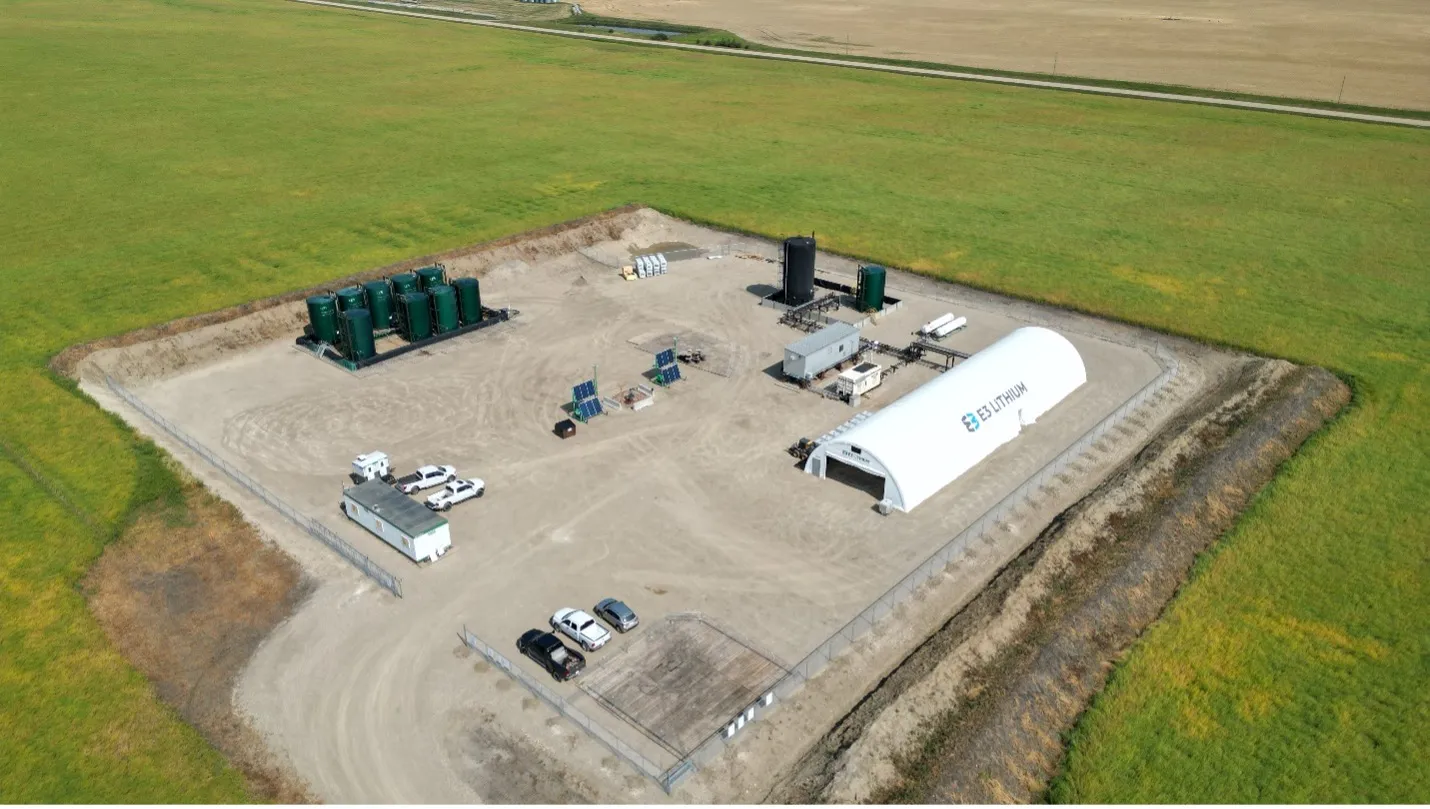
E3 Lithium demonstrates battery-grade carbonate production, advances Alberta permits, targets 12K tons by 2028/29 amid N. American supply gap & rising lithium prices.
- Lithium prices up 40% since June 2025, driven by supply constraints, rising demand from EVs, battery storage, and data centers, with governments prioritizing critical minerals security
- E3 produced battery-grade carbonate at demonstration scale within 3 weeks of commissioning, validating their proprietary DLE technology and 30-column train design for commercial deployment
- Received Alberta's first lithium facility license under brine-hosted mineral scheme; EPEA application submitted with 9-12 month approval timeline expected; commercial facility permits advancing through 2026
- Pivoting to 12,000 tons/year carbonate production (Phase 1) by 2028, targeting lower capital requirements while maintaining expansion potential to 36,000 tons across 12 trains
- Completing feasibility study, finishing demonstration testing, advancing offtake discussions, and securing project financing with CEO transitioning to chairperson role to prioritize strategic partnerships and capital markets
The lithium sector is experiencing a notable revival after a challenging downturn, with prices climbing approximately 40% from their June 2025 lows. E3 Lithium President, CEO & Chair Chris Doornbos attributes this recovery to fundamental supply-demand dynamics rather than speculative enthusiasm. "The lithium market is still very tight," Doornbos explained, noting that a single mine suspension significantly impacted global supply, while demand continues growing from Chinese EV markets, battery storage, and increasingly from US data center infrastructure.
The geopolitical dimension has intensified focus on domestic lithium production. Doornbos observed that at a recent event with Canada's Prime Minister, critical minerals were mentioned "over 14 times in a 40-minute talk," underscoring governmental urgency. With 75% of lithium production concentrated in China and graphite approaching 100% Chinese dominance, Western nations are prioritizing supply chain diversification. This policy backdrop creates favourable conditions for North American developers like E3 Lithium, which is advancing what could become a strategically significant domestic lithium source.
Technical Validation Through Demonstration Success
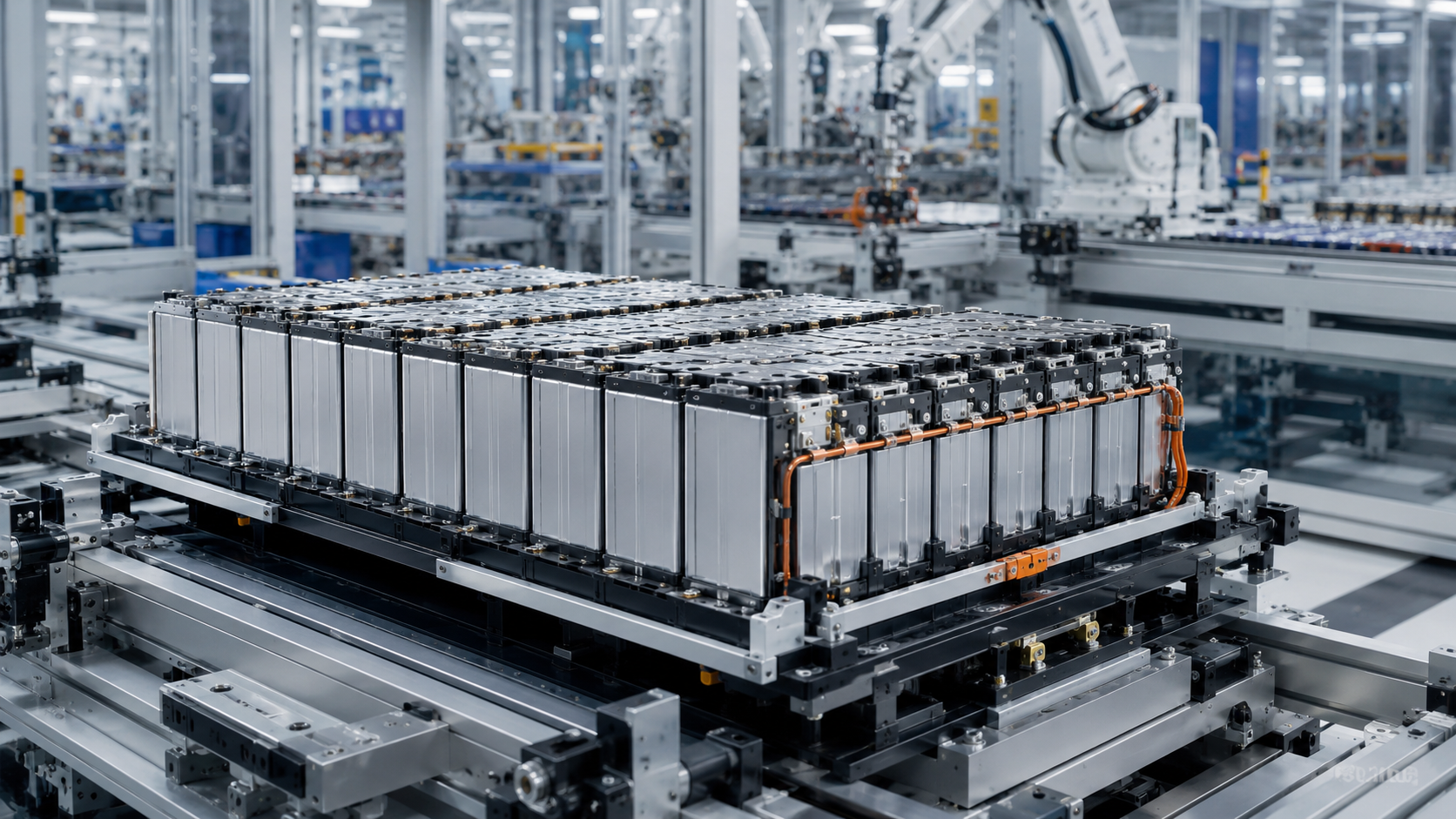
E3 Lithium achieved a critical milestone in September 2025 by commissioning its demonstration facility and producing battery-grade lithium carbonate within three weeks - a remarkably swift timeline for such complex processing equipment. The facility replicates the company's commercial design at smaller scale, featuring a 30-column direct lithium extraction (DLE) system that mirrors the configuration planned for full production.
"For those who have built and operated plants, commissioning something this complicated that quickly is generally not heard of. I think it really shows that the design is pretty solid."
This technical achievement directly addresses historical skepticism about DLE viability that had previously favoured hard rock lithium projects. The demonstration validates E3's proprietary process design while providing crucial data on lithium recovery rates, which exceed 95% at the DLE stage and approximately 92% total project recovery.
The company is now advancing to Phase 2, which involves comprehensive reservoir testing using two newly completed wells positioned 200 meters apart at subsurface depth but only 10 meters apart at surface. This configuration enables accelerated data collection on aquifer performance, pressure response, and long-term lithium concentration stability - all critical inputs for commercial facility design. A planned Phase 3 will demonstrate a full-size commercial column producing approximately 100 tons of lithium carbonate equivalent annually, specifically designed to satisfy lender and strategic partner requirements.
Reservoir Characteristics Drive Operational Advantages
E3's Leduc aquifer presents distinct operational advantages that underpin the project's economic competitiveness. At 16 times atmospheric pressure, the aquifer essentially self-delivers brine to surface, dramatically reducing pumping costs compared to conventional mining or less pressurized brine resources.
"It basically just comes down to cost. It reduces the cost to pump when you have an aquifer that's under pressure"
While E3's lithium grade is lower than some peer projects, the combination of highly productive aquifer characteristics and consistent brine chemistry compensates through operational efficiency. The company's cost structure remains competitive with peers like Standard Lithium, which operate similar DLE processes in comparable geological settings, while maintaining significant cost advantages over hard rock alternatives that require extensive overburden removal, drilling, blasting, and energy-intensive roasting processes.
The demonstration program's reservoir testing will conclusively de-risk aquifer performance by simulating near-commercial production rates and measuring formation response. This data directly informs the final feasibility study engineering and provides confidence to project financiers regarding long-term resource deliverability.
Permitting Progress Advances Through Alberta Framework
E3 Lithium achieved a regulatory first by receiving Alberta's inaugural lithium facility license under the province's brine-hosted mineral scheme in 2025. This milestone demonstrates regulatory framework maturation, given that lithium-specific regulations only emerged in 2021 when Alberta's legislative assembly passed brine-hosted minerals licensing legislation.
"Being able to go from no regulation to having a licensed facility is a pretty big impressive milestone for us, but mainly for the Alberta government and the regulators."
The company has submitted its EPEA (Environmental Protection and Enhancement Act) application, which functions similarly to ,but less extensively than, federal or provincial environmental impact assessments. While Alberta's standard timeline suggests 180-day approvals, E3 anticipates 9-12 months given this represents the first lithium project navigating this specific regulatory pathway. The commercial facility's Directive 056 license application is scheduled for January 2026 submission, with individual well licenses to follow throughout the year.
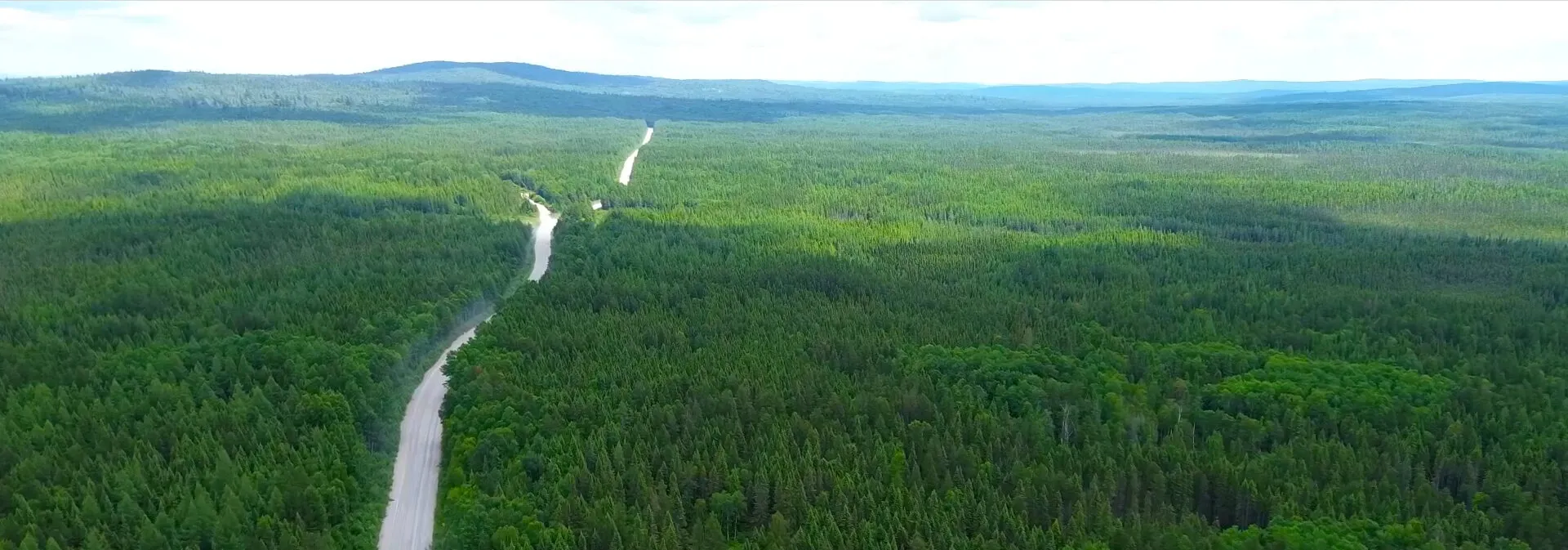
Community engagement has been deliberate and ongoing, with E3 conducting outreach to landowners and residents within the facility's impact zone for two years. The company held an open house in May 2025 and maintains transparent communication with affected parties. Notably, the county has optioned E3 the land for the commercial facility - a former gravel pit reflecting local government support for industrial development that could revitalize an area where conventional oil and gas activity has declined over three decades.
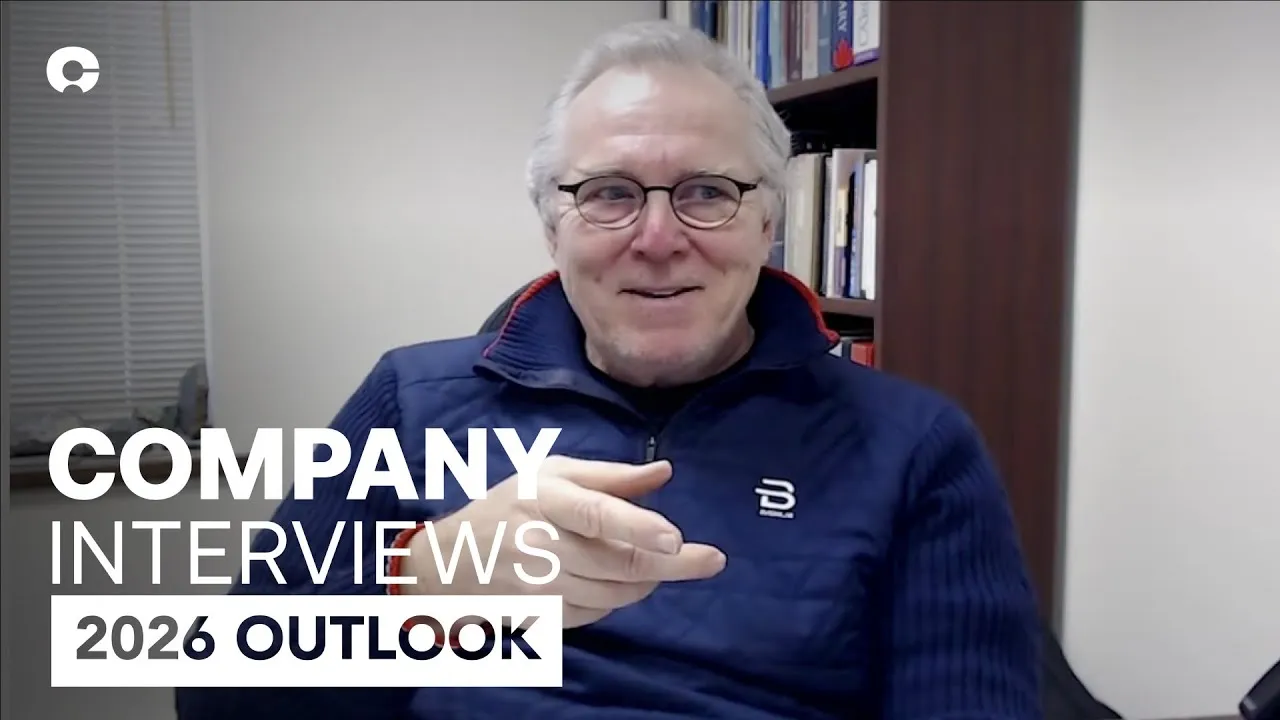
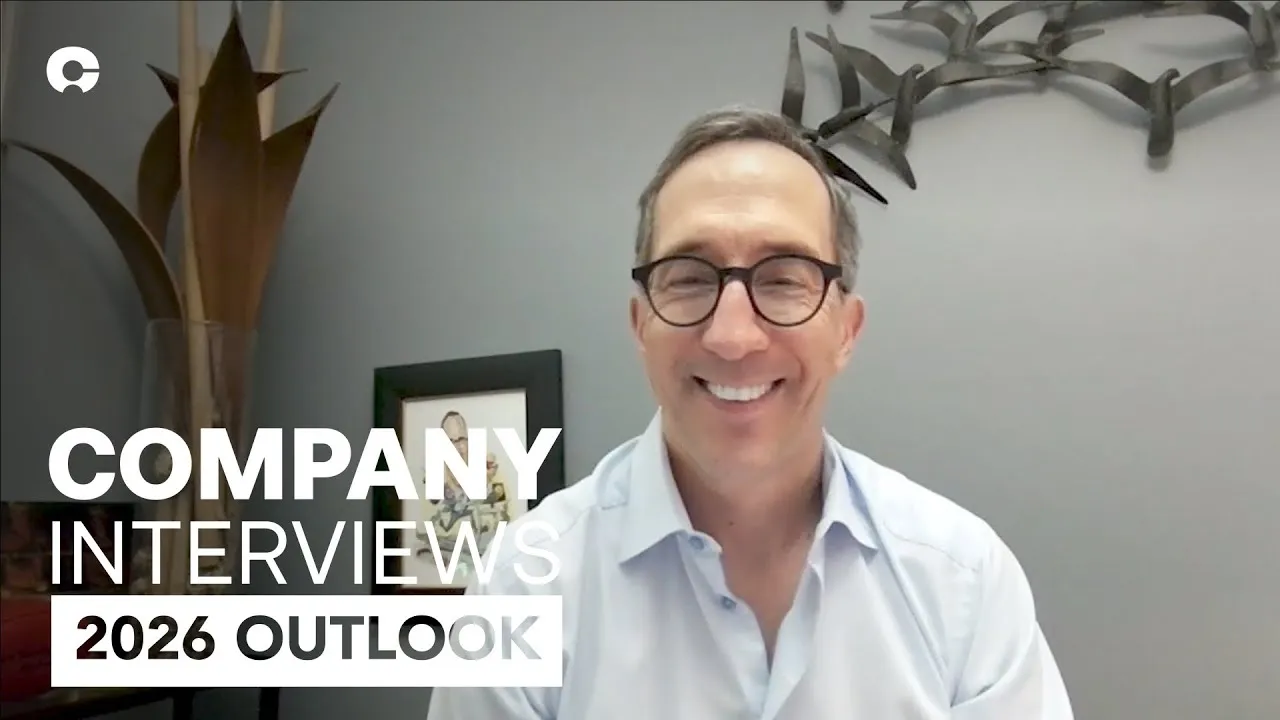
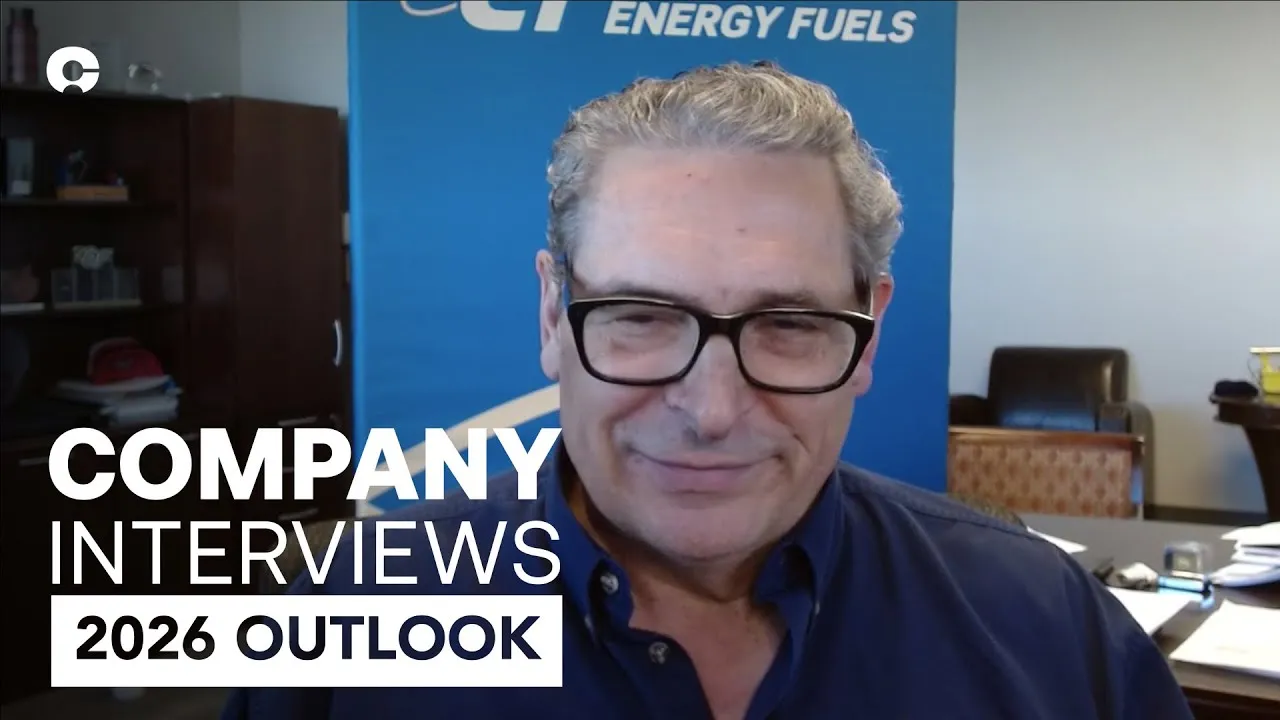
Interview with Chris Doornbos, CEO of E3 Lithium Ltd.
Revised Commercial Strategy Prioritizes Capital Efficiency
E3 has strategically recalibrated its commercialisation approach to prioritize capital efficiency and execution speed. The company now plans to produce lithium carbonate rather than lithium hydroxide for its initial production phase, driven by cost considerations and market dynamics. Carbonate production requires significantly less capital and lower operating costs, while market trends indicate increasing adoption of carbonate-based battery chemistries that may dominate by 2030.
The production scale has also been rightsized to 12,000 tons annually for Phase 1, down from the 32,000 tons outlined in the 2024 prefeasibility study. This first phase will comprise four DLE trains of 30 columns each, with full facility expansion to 36,000 tons across 12 trains remaining in the development roadmap.
"It simply is a reduction of capital to something that we think is viable for us to be able to go without having to significantly dilute shareholders."
The company's prefeasibility study indicated capital efficiency of approximately $73,000 per installed ton - competitive with Rio Tinto's reported $65,000 average across their lithium portfolio. Operating costs were projected at $6,200 per ton with a $3.7 billion NPV at 32,000 tons hydroxide production. The revised carbonate-focused, smaller-scale approach should improve first-phase economics while preserving optionality for subsequent expansion phases that benefit from already-installed infrastructure.
Project financing is expected to rely primarily on traditional construction debt through banks, supplemented by potential government support mechanisms currently under discussion in Canada's critical minerals policy framework. The federal budget allocates significant capital for critical minerals projects, reflecting national imperatives to establish domestic supply chains.
Technology Platform Maintains Vendor Flexibility
E3 has developed proprietary process design for its DLE system while maintaining strategic flexibility on sorbent supply - the critical material that selectively captures lithium from brine. The company currently evaluates six different sorbents in laboratory testing, applying rigorous commercial viability criteria: production capacity sufficient for E3's timeline, existing manufacturing facilities, established customer base, and proven performance with E3's specific brine chemistry.
Sorbent candidates progress through increasingly rigorous testing phases, starting with single-column lab trials, advancing to multi-column demonstration, and ultimately validating at the field demonstration facility.
While E3 will select a preferred vendor through competitive RFP and establish long-term supply contracts, the facility design incorporates flexibility to switch sorbents if supply disruptions occur. Sorbent attrition is projected at approximately 10% annually - substantially better than the 30% assumed in the prefeasibility study - with vendors willing to provide performance guarantees. This represents a continuous topping-up operation rather than wholesale replacement, as attrition is primarily mechanical breakdown of material small enough to flow from columns.
The demonstration facility operates under full computer automation given the complexity of managing 30 columns simultaneously operating in different process modes. E3 plans to implement inline lithium detection systems with near-real-time results (under one minute) enabling dynamic process optimization. Machine learning applications are being considered to provide operators with flow rate and timing recommendations that maximize lithium recovery, though Doornbos suggested AI would function as decision support rather than autonomous control.
Strategic Focus for 2026
E3 Lithium's 2026 agenda centers on three parallel workstreams: completing technical development, advancing commercial partnerships, and securing project financing. The demonstration facility will continue operating through early 2026, generating reservoir performance data and additional battery-grade carbonate samples for potential offtakers to evaluate. The feasibility study incorporating the revised 12,000-ton carbonate design will be completed through the year, providing the engineering foundation for construction.
Doornbos has transitioned to Executive Chairman to focus on commercial and capital markets activities while the technical team executes project development.
"My ability therefore to focus on the commercial side of this business, which is the strategic partner and project financing side of things, is where I'm going to spend a bit more of my time in 2026."
The company has expanded its commercial team with a new Director of Capital Markets and continues active discussions with multiple potential offtakers and strategic partners.
North America faces a 300,000-ton lithium deficit over the next five years even including projects currently slated for production, creating structural demand for domestic supply sources like E3.
The company expects its position as one of the most advanced North American lithium developers with demonstrated technical success, progressing permits, and scalable resource to attract strategic interest as market conditions firm.
"We stand at the top of the list of the projects that are there in terms of attractiveness from a de-risk perspective, from a ready-to-market perspective, from a permitting perspective."
The Investment Thesis for E3 Lithium
- De-risked technical execution: Battery-grade carbonate production achieved at demonstration scale in September 2025 with 3-week commissioning timeline validates proprietary DLE technology; 95%+ recovery rates and 30-column train design proven functional, significantly reducing technology risk that has historically constrained DLE project valuations
- Capital-efficient commercialization pathway: Revised 12,000 ton Phase 1 carbonate strategy reduces initial capital requirements while maintaining $73,000/ton installed efficiency competitive with Rio Tinto's portfolio; staged expansion approach minimizes dilution risk and accelerates path to cash flow generation by 2028-2029
- Regulatory and permitting momentum: First-ever Alberta lithium facility license obtained; EPEA and Directive 056 applications advancing with realistic 2026 approval timelines; jurisdiction with established oil/gas regulatory framework adapted for lithium provides clearer permitting pathway than many competing jurisdictions
- North American supply gap opportunity: Projected 300,000-ton North American lithium deficit through 2030; increasing government support for critical minerals (Canadian budget allocation, potential trade mechanisms); positioning as near-term domestic supplier amid geopolitical supply chain diversification imperative
- 2026 commercial catalyst potential: Active offtake discussions with battery/cathode manufacturers seeking domestic supply; feasibility study completion providing bankable engineering basis; CEO transition to chairman role specifically to focus on strategic partnerships and project financing; multiple near-term value inflection points as market conditions improve
- Operational cost competitiveness: ~$6,200/ton operating costs competitive with global cost curve; DLE methodology eliminates energy-intensive roasting processes required for hard rock projects; conversion to carbonate significantly cheaper than hydroxide while addressing dominant future battery chemistry; aquifer pressure reduces ongoing pumping costs
- Sorbent supply flexibility: Six-vendor evaluation process with 10% annual attrition (vs. 30% PFS assumption) improves economics; performance guarantees from multiple commercial sorbent suppliers; proprietary process design enables vendor switching capability reducing single-source dependency risk
Macro Thematic Analysis
The lithium market's recovery reflects deeper structural shifts beyond typical commodity cycles. Western governments increasingly view lithium not merely as an industrial input but as strategic infrastructure essential to energy transition and technological sovereignty. With 75% of lithium production concentrated in China and virtually all graphite processing controlled by Chinese operations, supply chain vulnerabilities have elevated from commercial concerns to matters of national security and industrial policy.
North America's projected 300,000-ton lithium deficit through 2030 - even accounting for planned new production - creates both challenge and opportunity. Data centers' explosive growth adds unexpected demand beyond the electric vehicle market that initially drove lithium's rise. Meanwhile, Chinese producers like Gangfeng forecast market tightening in 2026 despite recent oversupply concerns, suggesting the supply-demand rebalancing may arrive faster than consensus expectations.
E3 Lithium occupies a unique position in this landscape: an advanced North American developer with demonstrated technical capability, progressing permits, substantial resource scale, and operational characteristics (low cost, high recovery, scalable production) that compare favourably to global benchmarks.
"Without lithium there is no lithium-ion battery... lithium is still in short supply over the next 5 years. It still needs to move that supply outside the Chinese market into the domestic western US, Canada, and Europe markets."
TL;DR
E3 Lithium has substantially de-risked its Alberta-based direct lithium extraction project by producing battery-grade carbonate at demonstration scale within weeks of commissioning, validating technology that historically faced market skepticism. The company's revised strategy targets 12,000 tons annual carbonate production by 2028 through capital-efficient phased development, with competitive $73,000/ton installed costs and favourable reservoir characteristics reducing operational expenses. With Alberta's first lithium facility license secured, permitting advancing, and active offtake discussions underway, E3 is positioning as a near-term North American lithium supplier amid projected regional supply deficits exceeding 300,000 tons and strengthening government support for domestic critical minerals production.
FAQ's (AI Generated)
Complete reservoir testing (Q1 2026), full-size column demonstration, finalize feasibility study through 2026, secure remaining facility permits, and obtain offtake agreements. First commercial production targeted for 2028, potentially 2029.
Lower initial capital requirements reduce shareholder dilution and project financing complexity while maintaining expansion optionality. Infrastructure installed for Phase 1 makes subsequent phases more economically attractive with lower incremental costs.
Alberta's Leduc aquifer operates at 16x atmospheric pressure, essentially self-delivering brine and dramatically reducing pumping costs. Consistent brine chemistry and high productivity offset slightly lower lithium grades versus some peers, maintaining competitive economics
Canadian federal budget allocates substantial critical minerals funding; government debt support mechanisms under discussion could reduce reliance on equity dilution. Permitting framework adapted from established oil/gas regulations provides clearer pathway than many jurisdictions.
Battery-grade carbonate production achieved within 3 weeks of demonstration commissioning; 95%+ DLE recovery rates validated; multiple commercial sorbent suppliers offering performance guarantees; facility design incorporates vendor flexibility reducing single-source risk.
Analyst's Notes





Subscribe to Our Channel




Stay Informed


