




2026 Outlook: Low-Cost Drilling, Strategic Backing, and Institutional Access: Cartier Resources’ Transformation Story


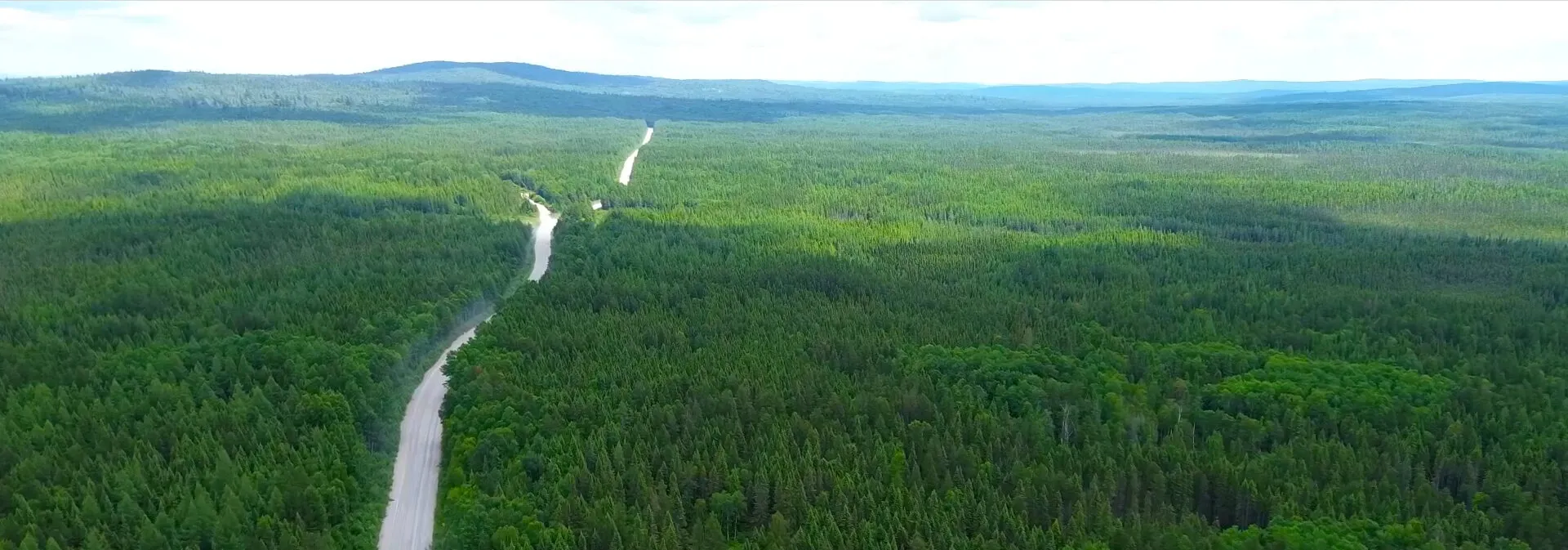
Cartier Resources advances 15km Cadillac camp potential with 250,000m drill programme backed by Agnico Eagle. Current 3.2Moz resource targeting 4-5Moz by year-end.
- Cartier Resources has launched a transformative 250,000-metre drilling programme across 15 kilometres of the Cadillac Fault, backed by C$10 million in treasury and strategic support from Agnico Eagle Mines, targeting a potential mining camp-scale discovery with all-in drilling costs of just C$105-110 per metre due to exceptional infrastructure access.
- The company's current 3.2 million ounce resource at the Chimo Mine represents a baseline for aggressive growth, with independent consultants identifying exploration targets for an additional 1.1 million ounces achievable through disciplined drilling, and management's long-term vision targeting 12-15 million ounces across multiple deposits within an eight-kilometre corridor.
- Cartier has initiated critical de-risking studies including independent metallurgical testwork targeting 96-97% gold recovery rates (versus historic 93%) and toll-milling arrangements that could reduce capital expenditure by C$120 million, alongside environmental baseline assessments and a preliminary economic assessment scheduled for delivery before year-end 2026.
- The company's share price appreciation and surpassing of the C$100 million market capitalisation threshold has unlocked institutional investor access previously unavailable, with over 80 million shares traded since July 2025 representing a complete rotation toward sophisticated investors with longer time horizons.
- Management has demonstrated disciplined capital allocation by optioning three non-core projects to Exploits Discovery whilst integrating AI-driven targeting methodologies that have already validated discoveries like the Contact zone, accelerating exploration timelines by six to eight months compared to traditional approaches.
Cartier Resources Inc. (TSXV:ECR) has emerged as one of the most compelling gold exploration stories in Canada's Abitibi region, executing an ambitious transformation from single-asset developer to potential multi-deposit mining camp operator. Following a strategic recapitalisation and management restructuring in 2025, the company has positioned itself to systematically test a 15-kilometre mineralised corridor along the prolific Cadillac Fault - the same structure that has hosted some of Quebec's most productive gold mines.
The investment case centres on Cartier's methodical approach to proving up multiple Chimo-scale deposits across its consolidated Cadillac Project landholding. With the flagship Chimo Mine area already demonstrating 3.2 million ounces in measured, indicated, and inferred resources, management's vision extends to identifying three or four similar deposits within an eight-kilometre stretch, potentially delivering 12-15 million ounces of gold resources. This scale of discovery would fundamentally reposition Cartier within the Canadian gold sector and attract significant strategic interest from major mining companies seeking to replenish reserve bases.
Exceptional Drilling Economics Enable Aggressive Exploration Programme
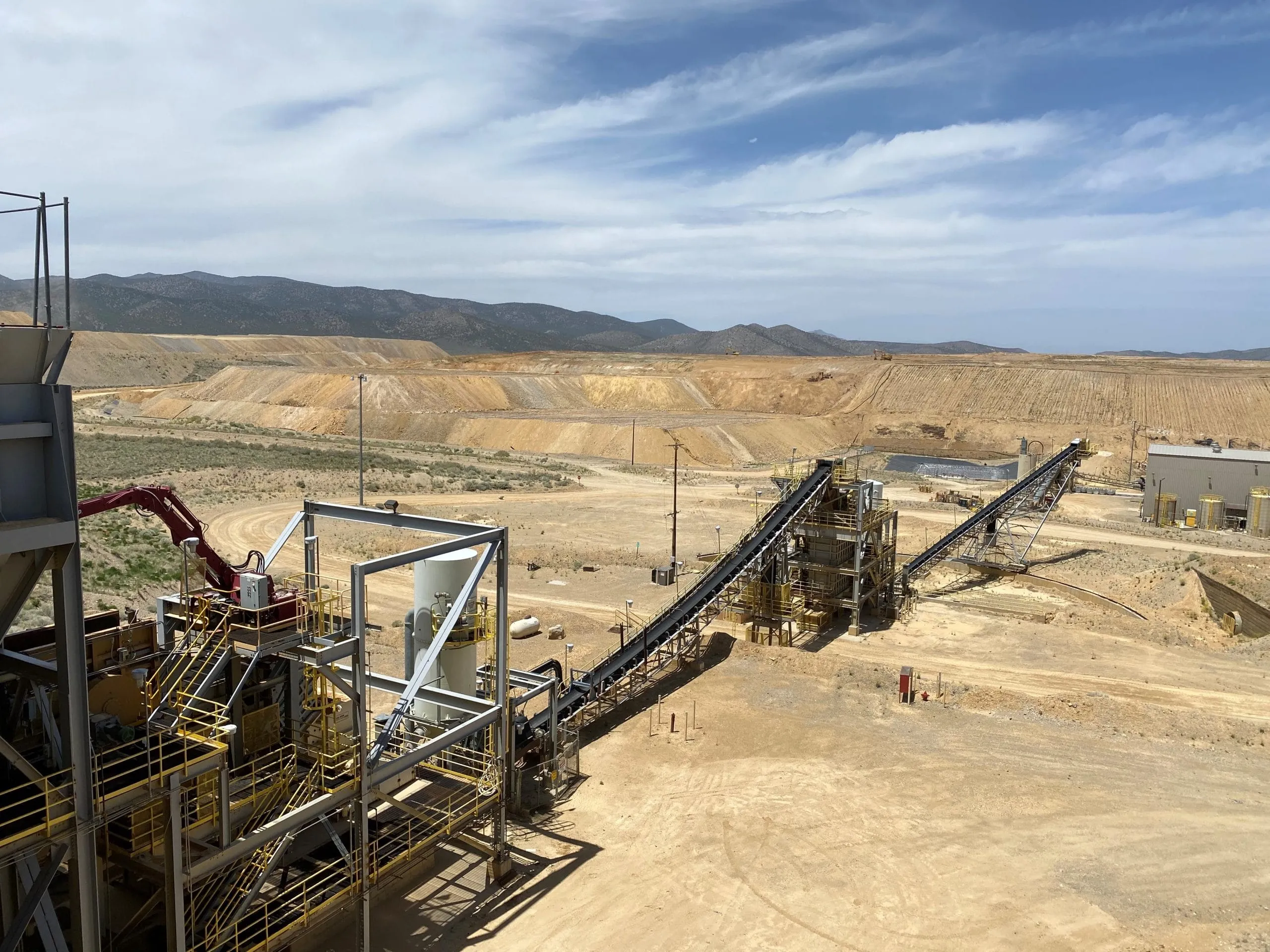
Cartier's operational advantages stem directly from its location within Val-d'Or's established mining infrastructure. The company has secured all-in drilling costs of C$105-110 per metre, representing exceptional value in the current inflationary environment. This cost structure reflects the proximity of drilling contractors, assay laboratories, and support services, all situated within the company's operational radius.
The initial 100,000-metre programme has been expanded to 250,000 metres, with two drill rigs currently operating on 24/7 schedules and plans to deploy four to six additional rigs as the programme scales. The company currently maintains C$10 million in treasury, providing substantial financial runway to execute its exploration strategy without near-term dilution concerns.
The financing was significantly supported by Agnico Eagle Mines, which acquired a 27% strategic stake. This relationship has proven instrumental not only in providing capital but also in facilitating technical discussions and lending credibility to Cartier's mining camp thesis amongst institutional investors.
Resource Definition and Discovery
Cartier's exploration strategy deliberately balances near-term resource growth with blue-sky discovery potential. The current drilling programme focuses on shallow targets (0-300 metres vertical depth), establishing the surface expression and lateral continuity of multiple mineralised zones before committing capital to deep drilling campaigns. This approach optimises capital efficiency whilst demonstrating open-pit potential that enhances project economics.
The company's fifth resource estimate, released in 2025, marked a strategic departure from previous updates by extending resource calculations across the entire consolidated property rather than concentrating solely on the Chimo Mine area. This methodology intentionally showcased early-stage potential at historic discovery sites including Contact, Nordea and Portal, demonstrating that these zones exhibit similar geological signatures to Chimo.
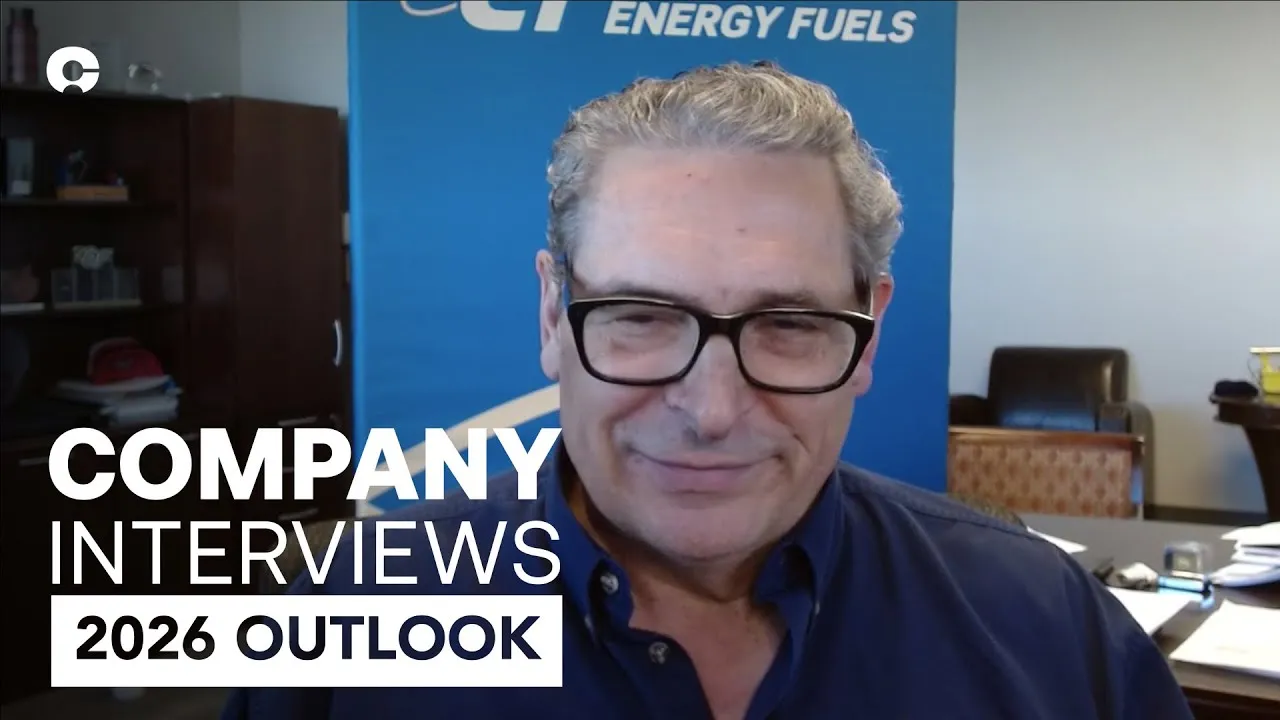
Philippe Cloutier, President and CEO, states:
"Getting back to the drill programme, all of the drilling that we're doing in the next year or so is from 0-300 metre depth. A lot of drilling to see if these historic discoveries can grow, and if we're actually dealing with a mining camp."
"This resource estimate has grown the resource past the 3 million ounce mark and we asked the consultants to map out an exploration target. If we want to discover an extra million ounces, what do we have to do? They came up with an additional up to 1.1 million ounces."
The company has established clear protocols for resource conversion and discovery prioritization, with technical committee meetings held monthly alongside its major strategic partner. This governance structure enables rapid reallocation of drilling resources based on results, with management capable of shifting rig deployment on a monthly basis in response to emerging data.
De-Risking Through Technical Studies and Strategic Optionality
Cartier has commenced two critical technical programmes that address key development risks and enhance project economics. Independent metallurgical testwork is evaluating gold recovery rates and processing characteristics, with specific focus on toll-milling opportunities at nearby processing facilities operated by four different companies within a 60-kilometre radius.
Historic recovery rates at Chimo averaged 93%, but regional operations typically achieve 96-97% recoveries. Confirming higher recovery rates would meaningfully improve project economics, whilst establishing toll-milling arrangements could reduce capital expenditure by approximately C$120 million by eliminating the need to construct dedicated milling infrastructure. This strategic optionality significantly enhances the project's net present value and reduces execution risk.
Environmental baseline studies have also been initiated, recognising that permitting timelines for mine development in Quebec require early engagement with regulatory processes. These studies provide the foundational data required for various development scenarios, whether as a standalone operation or as part of a larger corporate structure.
The sonic drilling programme on the historic tailings facility, scheduled for completion in May 2026, represents another value-generation opportunity. This 50-metre spacing grid will evaluate gold content in tailings that overlie open-pit constrained resources, potentially enabling near-term cash generation whilst facilitating access to underlying mineralisation.
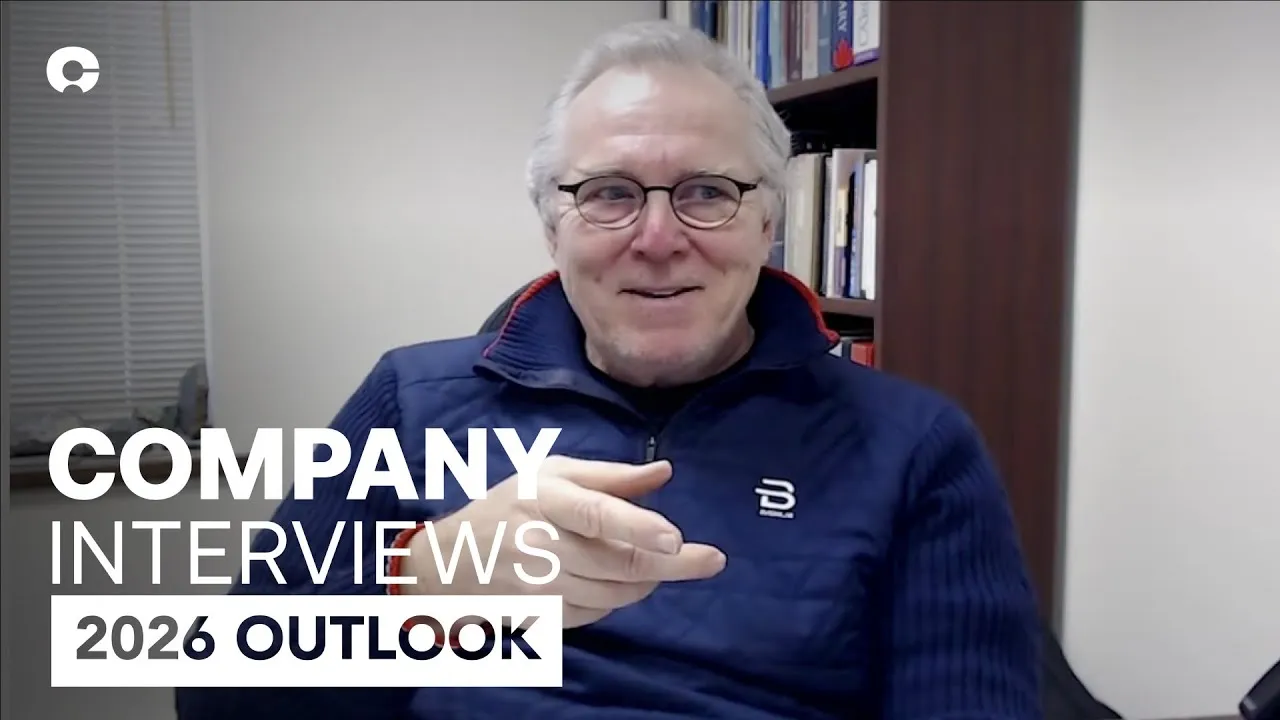
Interview with Philippe Cloutier, President & CEO of Cartier Resources
Market Capitalization Unlocks Institutional Access
Cartier's share price appreciation from C$0.10 to C$0.26 through 2025 carried strategic significance beyond shareholder returns. Surpassing C$100 million market capitalisation represented a critical threshold that opened access to institutional investors, many of whom maintain minimum market cap requirements as investment criteria. As Cloutier acknowledged,
"Previous to reaching that magical number of C$100 million market cap, we couldn't even get through the door. 2025 was a transition year. We hit all those metrics. Looking forward into 2026, the Cartier Resources story has set itself up for a tremendous year because we've reached that market cap number where we can knock on doors and actually get the attention of portfolio managers, analysts, and sophisticated investors."
The company has traded over 80 million shares since July 2025, representing a complete rotation of its shareholder base towards more sophisticated investors with longer time horizons and larger position sizes. This evolution in shareholder composition provides greater liquidity, reduces volatility, and establishes the foundation for additional institutional participation as the company delivers on its exploration objectives.
Strategic Asset Rationalization and Project Focus
Management's decision to option three non-core projects (Wilson, Fenton & Benoist) to Exploits Discovery Corp. exemplifies disciplined capital allocation. These properties, situated in the emerging Windfall District recently acquired by Gold Fields, will see C$12 million in exploration expenditures funded by Exploits over the option term.
Upon completion of earn-in requirements, Cartier will receive approximately C$2 million in cash, nearly 10 million Exploits shares, and retain royalty interests across all three properties. If Exploits fails to meet spending commitments, the projects revert 100% to Cartier. This structure provides asymmetric upside - Cartier receives free exploration on quality assets with multiple pathways to value realisation whilst maintaining singular focus on the Cadillac Project.
AI Integration for Target Generation
Cartier has integrated AI-driven targeting methodologies to complement traditional geological interpretation, leveraging its comprehensive and fully audited database accumulated over a decade of exploration. The machine learning algorithms identify pattern recognition across multiple datasets - including structural geology, geochemistry, geophysics, and historical drilling - to generate exploration targets that might otherwise be overlooked or prioritised lower by human geologists.
Cloutier explained, "The geologists would have gotten to that target like six or eight months later. This machine gives it to you rapidly."
The Contact target, one of the programme's early successes showing strong mineralisation and lateral continuity, was originally identified through AI targeting before being prioritised for drilling. Several additional AI-generated targets are scheduled for testing during the winter drilling season, with results expected within the next six months providing validation of the targeting methodology.
Development Timeline and Preliminary Economic Assessment
Cartier plans to deliver an updated preliminary economic assessment (PEA) before the end of 2026, incorporating metallurgical results expected in February and building upon the most recent resource estimate. Critically, this PEA will not include any drilling results generated during the current 250,000-metre programme, ensuring conservative baseline assumptions whilst clearly articulating the growth potential represented by ongoing exploration.
The study will incorporate various development scenarios, evaluating both standalone operations and toll-milling arrangements, whilst providing detailed recommendations for subsequent technical studies and staffing requirements to advance the project through feasibility stages.
Management anticipates the PEA will demonstrate project economics with capital expenditure at or below current market capitalisation - a key metric for investor confidence and potential strategic partner interest. With gold prices sustaining above US$4,600 per ounce, the economic sensitivity of the project has improved dramatically compared to previous studies conducted at US$1,650 gold.
The Investment Thesis for Cartier Resources
- Substantial Resource Growth Potential: Current 3.2 million ounce resource represents baseline for systematic growth campaign targeting 4-5 million ounces by year-end 2026, with longer-term potential for 12-15 million ounces across multiple deposits. Exploration targets formally identified by independent consultants validate 1.1 million additional ounces achievable through disciplined drilling.
- Exceptional Jurisdictional Advantages: Location within Quebec's Abitibi Greenstone Belt—one of the world's premier mining districts—provides unmatched infrastructure access, established regulatory frameworks, experienced workforce availability, and proximity to multiple operating mills. All-in drilling costs of C$105-110 per metre represent significant competitive advantage in current inflationary environment.
- Strategic Backing and Validation: 27% strategic shareholding by Agnico Eagle Mines provides both financial support and technical credibility. Major mining company involvement at this exploration stage significantly de-risks future development scenarios and validates management's mining camp thesis.
- Capital Efficiency and Financial Strength: C$10 million treasury position supports aggressive drilling programme without near-term financing requirements. Extremely low share price of C$0.26 provides substantial upside leverage to successful exploration outcomes, particularly given peer group trading multiples for companies with similar resource bases and jurisdictional advantages.
- Systematic De-Risking Programme: Metallurgical studies, environmental baseline assessments, and preliminary economic assessment scheduled for 2026 delivery progressively reduce development risks whilst enhancing project economics. Monthly technical committee meetings with strategic partner enable rapid response to emerging geological data and optimal capital allocation.
- AI-Enhanced Discovery Potential: Integration of machine learning targeting methodologies accelerates discovery timelines and potentially identifies high-quality targets overlooked by traditional exploration approaches. Comprehensive database enables pattern recognition across multiple datasets, with early validation at Contact zone demonstrating methodology effectiveness.
- Institutional-Grade Asset Profile: Recent surpassing of C$100 million market capitalisation threshold unlocks institutional investor access previously unavailable. Share base rotation toward sophisticated investors with longer time horizons and larger position sizes provides improved liquidity and reduced volatility whilst establishing foundation for additional institutional participation.
Quebec's Abitibi Greenstone Belt in the Global Gold Market Dynamics
The Abitibi Greenstone Belt represents one of the world's most enduring gold mining districts, having produced over 200 million ounces since initial discoveries in the early 20th century. This geological province spans the Quebec-Ontario border and hosts numerous world-class deposits along major structural corridors including the Cadillac Fault, Porcupine-Destor Fault, and Larder Lake Break. The region's longevity as a producing district reflects not only its geological prospectivity but also the presence of established infrastructure, skilled workforce, supportive regulatory environment, and proximity to major urban centres.
Within the current global gold market context—characterised by sustained prices above US$4,600 per ounce, increased geopolitical uncertainty, and persistent inflation concerns—the Abitibi has experienced renewed exploration investment and strategic consolidation. Major mining companies including Agnico Eagle, Kirkland Lake Gold (now part of Agnico), and Gold Fields have made significant commitments to the district through mine development, expansion projects, and strategic acquisitions.
This consolidation trend reflects several converging factors. First, major producers face persistent challenges in replacing depleting reserves through brownfield exploration at existing operations. Organic reserve replacement rates across the industry have declined significantly over the past two decades, necessitating acquisition of development-stage assets to maintain production profiles. Second, geopolitical risks in traditional mining jurisdictions across West Africa, Central Asia, and Latin America have elevated the premium placed on Canadian assets operating under stable regulatory frameworks with established rule of law.
Quebec's mining-friendly fiscal regime, including flow-through share financing provisions that provide tax advantages to investors, further enhances project economics relative to other Canadian provinces and international jurisdictions. The provincial government has demonstrated consistent support for mining development through infrastructure investment, streamlined permitting processes (whilst maintaining rigorous environmental standards), and various fiscal incentives designed to encourage exploration and development activity.
The macro investment thesis for Abitibi-focused gold companies centres on the convergence of sustained high gold prices, major mining company M&A activity, infrastructure advantages that enhance project economics, and the district's demonstrated capacity to host world-class deposits. For investors seeking exposure to gold price appreciation whilst mitigating development risk through jurisdictional advantages and strategic validation, the Abitibi presents compelling opportunities at various stages of the value chain from early exploration through to near-term producers.
TL;DR
Cartier Resources (TSXV:ECR) is executing one of Canada's most ambitious gold exploration programmes, drilling 250,000 metres across 15 kilometres of Quebec's prolific Cadillac Fault to prove up a multi-deposit mining camp. With 3.2 million ounces already defined at the flagship Chimo Mine and exploration targets identified for an additional 1.1 million ounces, the company is systematically testing multiple historic discovery sites that exhibit similar geological signatures to Chimo. Backed by a 27% strategic stake from Agnico Eagle Mines and C$10 million in treasury, Cartier has secured exceptional drilling economics at C$105-110 per metre all-in costs due to Val-d'Or's established mining infrastructure. Management has initiated critical de-risking studies including metallurgical testwork, environmental baseline assessments, and toll-milling evaluations that could reduce capex by C$120 million. The company recently surpassed C$100 million market capitalisation, unlocking institutional investor access whilst trading at C$0.26—a significant discount to peers with comparable resource bases. With AI-enhanced targeting, monthly technical reviews with Agnico Eagle, and a preliminary economic assessment scheduled for 2026 delivery, Cartier offers compelling exposure to Abitibi gold discovery potential with multiple pathways to value realisation including standalone development or strategic acquisition by major mining companies seeking to replenish reserve bases in a premier Canadian jurisdiction.
Frequenty Asked Questions (FAQs) AI-Generated
Cartier has secured all-in drilling costs of C$105-110 per metre from site preparation through assay results to press release, significantly below industry averages. This cost advantage stems from the Cadillac Project's location within Val-d'Or's established mining infrastructure, providing immediate access to drilling contractors, assay laboratories, and support services. The company's high-volume commitment of 250,000 metres also enabled favourable pricing from contractors who benefit from extended engagement in an accessible location rather than remote fly-in operations with compressed profit margins.
Agnico Eagle's strategic stake, acquired through its purchase of O3 Mining, provides multiple advantages beyond capital support. The relationship facilitates monthly technical committee meetings enabling rapid decision-making and optimal drill programme allocation based on emerging results. Agnico's involvement lends significant credibility to Cartier's mining camp thesis amongst institutional investors who view major mining company participation at the exploration stage as validation of project quality. Additionally, Agnico's deep operational experience in the Abitibi provides valuable technical insights that inform Cartier's exploration strategy and de-risking initiatives.
Toll-milling arrangements could reduce Cartier's initial capital expenditure by approximately C$120 million by eliminating the need to construct dedicated milling infrastructure. Four different companies operate processing facilities within 60 kilometres of the Cadillac Project, providing multiple potential partners for toll-milling agreements. This strategic optionality significantly enhances net present value, reduces execution risk, and accelerates potential production timelines. The metallurgical testwork currently underway will characterise Cartier's mineralisation to determine processing compatibility with existing regional mills and optimise recovery rates.
Cartier's strategic focus on shallow targets optimises capital efficiency whilst establishing surface expression and lateral continuity across multiple mineralised zones before committing significant capital to deep drilling campaigns. This approach demonstrates open-pit potential that enhances project economics, allows for rapid resource definition across the 15-kilometre corridor, and enables systematic testing of numerous historic discovery sites to validate the mining camp thesis. Management has built a six-month review point into the programme to assess results and reallocate resources toward either continued discovery drilling or deeper extension/infill programmes based on emerging data.
Cartier's AI integration leverages machine learning algorithms to identify pattern recognition across multiple datasets including structural geology, geochemistry, geophysics, and historical drilling accumulated over a decade. The system eliminates human cognitive biases that can lead geologists to prioritise certain targets based on personal experience rather than comprehensive data analysis. The Contact zone—one of the programme's early successes—was originally an AI-generated target that demonstrated strong mineralisation and lateral continuity, validating the methodology. Management estimates AI targeting accelerates discovery timelines by six to eight months compared to traditional prioritisation approaches, enabling more efficient capital deployment across the extensive Cadillac property.
Analyst's Notes





Subscribe to Our Channel


.png)

.png)





Stay Informed






















