




Land Consolidation Unlocks Scale: How Li-FT Power Is Re-Shaping the Adina Lithium Project


Li-FT Power to consolidate North America's 2nd-largest lithium resource through proposed Winsome deal, backed by Agnico Eagle, targeting 80-100M ton Adina deposit as prices triple.
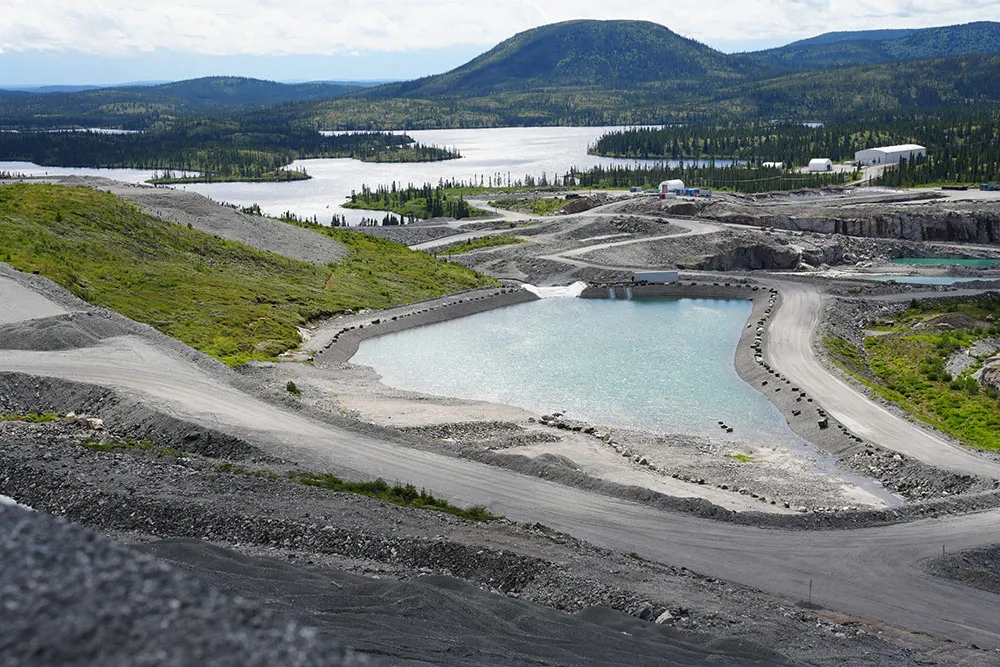
- Li-FT Power's announced plan to acquire Winsome's Adina lithium project, consolidating fragmented land claims, potentially creating one of North America's largest hard rock lithium deposits with 80-100+ million tons of resource
- Lithium spodumene prices have tripled from $600/ton (July 2025) to nearly $2,000/ton, signaling the beginning of a new 18-24 month bull cycle following a 2.5-year downturn
- The company recently raised $48 million led by Avenir Minerals (Agnico Eagle subsidiary), providing $75 million combined cash/equity to advance both Yellowknife and Adina projects through 2026-2027
- Drilling programs planned for 2026 include 50,000 meters at Adina for feasibility study and resource expansion at Yellowknife, targeting 4-5 million tons per year production scale
- Strategic ASX listing and experienced development team additions position the company to capitalise on Australian investor expertise in lithium while advancing toward feasibility studies in 2027
As lithium markets emerge from a punishing 2.5-year downturn, Li-FT Power (TSXV:LIFT) has executed a series of strategic moves designed to position the company at the forefront of North America's hard rock lithium development sector. With spodumene prices rebounding from $600 per ton in July 2025 to nearly $2,000 per ton by early 2026, a threefold increase, CEO Francis MacDonald argues the timing is optimal for consolidation and advancement of tier-one assets. The company's imminent acquisition of Winsome's Adina project, coupled with a $48 million financing and deliberate portfolio management, reflects a calculated bet that lithium's next bull cycle is just beginning.
Market Dynamics: Understanding Lithium's Volatile Cycles
MacDonald frames the current market recovery within the context of historical lithium price cycles, which have consistently exhibited 2-3 year bear markets followed by equally vigorous bull runs. "We saw prices starting to fall in January of 2023. And so, it was really a falling or a flat price environment for 2.5 years," MacDonald explains. This cyclical pattern creates both risk and opportunity for investors willing to time their entry appropriately.
The CEO acknowledges that volatility will remain the defining characteristic of lithium markets for the foreseeable future, at least until the sector matures significantly. Prices fell below the cost of production in mid-2025, creating unsustainable conditions that inevitably triggered supply rationalisation and price recovery. For investors burned during the previous cycle's peak, MacDonald offers pragmatic advice: volatility becomes advantageous when positioned correctly within the cycle. With sentiment only recently turning positive and typical bull cycles lasting 18-24 months, the company believes current conditions favour entry rather than exit.
The Winsome Transaction: Strategic Land Consolidation
The cornerstone of Li-FT Power's recent transformation is the proposed trannsaction to acquire Winsome's Adina lithium project, announced in tandem with financing at $4.30 per share - a price that subsequently doubled to over $9 as lithium sentiment strengthened. However, the transaction's strategic value extends far beyond favourable timing.
The Adina deposit faced a critical constraint: a claim boundary bisected the mineralised zone, artificially limiting development potential. Winsome's resource estimate totalled 78 million tons, but only 35 million tons could be incorporated into the preliminary pit design due to this boundary restriction. Li-FT Power had strategically acquired the southern claims prior to the transaction, enabling complete consolidation of the deposit.
This land consolidation - via the proposed transaction - creates immediate technical and economic benefits. By eliminating the artificial boundary, the combined entity can design an optimised open pit that captures significantly more of the defined mineralisation. MacDonald anticipates the updated resource estimate will position Adina among North America's largest lithium deposits, with Li-FT Power holding the second-largest aggregate hard rock lithium resource base on the continent following the transaction.
Winsome's Rationale: Exit from an Untenable Position
Understanding Winsome's motivation to sell provides insight into the transaction's structure and timing. Winsome had pursued a strategy centered on acquiring and repurposing the Renard diamond mine, which had previously been operated by Stornoway Diamonds before bankruptcy. The concept - using existing diamond processing infrastructure adapted for spodumene concentration through dense media separation - held technical merit but faced commercial challenges.
The option agreement's terms proved financially burdensome, requiring $15-20 million annually in care and maintenance costs to preserve the option. As lithium prices collapsed, market confidence in this capital-intensive strategy evaporated, and Winsom's valuation suffered accordingly. For Winsome shareholders, the proposed transaction offers multiple benefits: immediate consolidation with Li-FT Power's complementary Galinée claims, at least doubling the in-pit resource; and association with Agnico Eagle through its wholly-owned subsidiary Avenir Minerals, which emerged as Li-FT Power's largest shareholder.
Interview with Francis MacDonald, CEO of Li-FT Power
Development Strategy: Measured Advancement Through Cycles
Li-FT Power's development philosophy reflects lessons learned from navigating previous commodity cycles. Rather than committing to aggressive timelines that may prove unsustainable during downturns, the company employs a phased approach that matches capital intensity to market conditions.
During amenable market environments, the company prioritises capital-intensive drilling programs that define and expand resources while financing costs remain reasonable. During downturns, focus shifts to less capital-intensive activities such as permitting, environmental baseline studies, and engineering optimisation - essential advancement work that continues de-risking projects without depleting treasury during periods of constrained capital access.
MacDonald candidly addresses the ultimate development question:
"People ask - are you going to build a mine? And you never really know. You just continue advancing projects and de-risking them as much as you can and if there's an offer on the table for the company, we would look at it if it's the right offer at the right time."
This pragmatic stance acknowledges that optimal shareholder outcomes may involve strategic sales rather than mine construction, provided timing and valuation align appropriately.
Technical Program: 2026 Drilling and Study Advancement
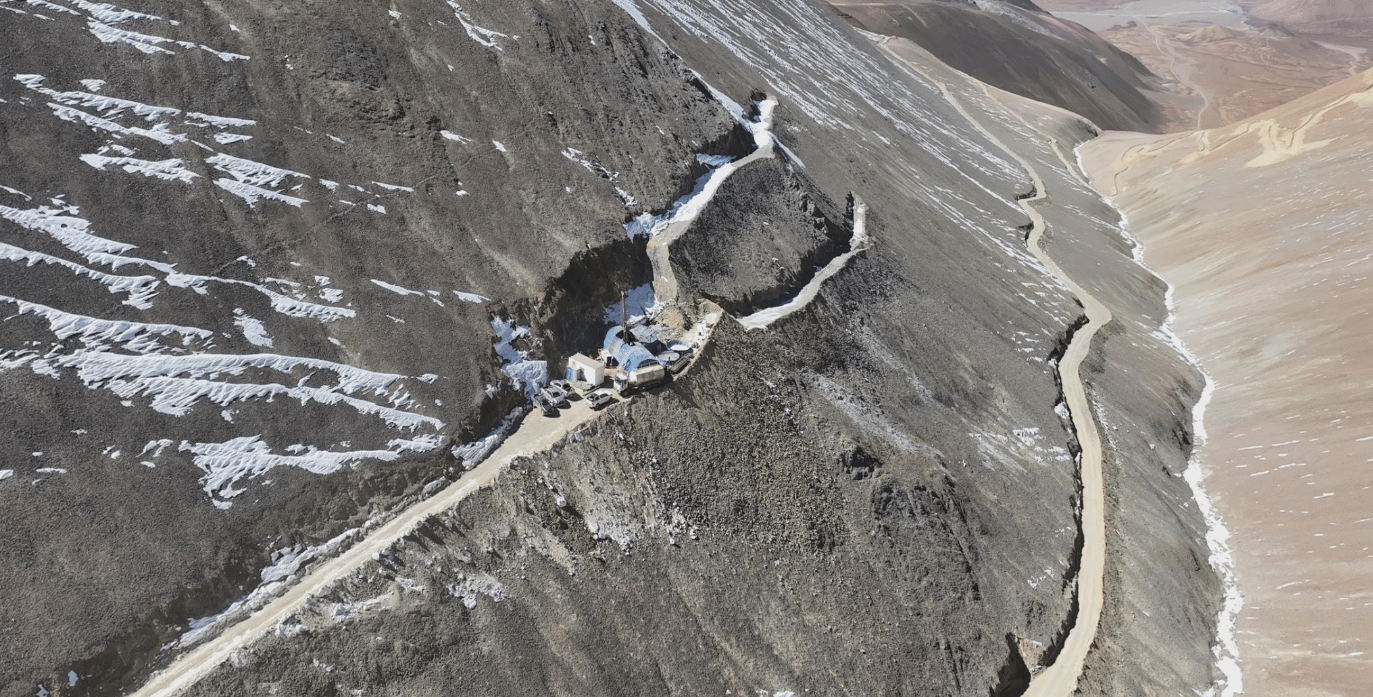
Li-FT Power has outlined an aggressive 2026 technical program across both flagship projects. At Yellowknife, drilling commenced in early February 2026 with objectives focused on resource expansion. The project achieved 50 million tons in resource estimates following just two drilling seasons, but significant high-grade intersections - including intervals exceeding 30-40 meters at 1.5% lithium oxide - remain untested for extensions. The 2026 program aims to substantially expand this resource base, feeding into a preliminary economic assessment.
Environmental baseline work, now entering its second year, supports the permitting timeline. Multi-year baseline data collection represents a regulatory requirement that cannot be accelerated, making early initiation during market downturns strategically valuable.
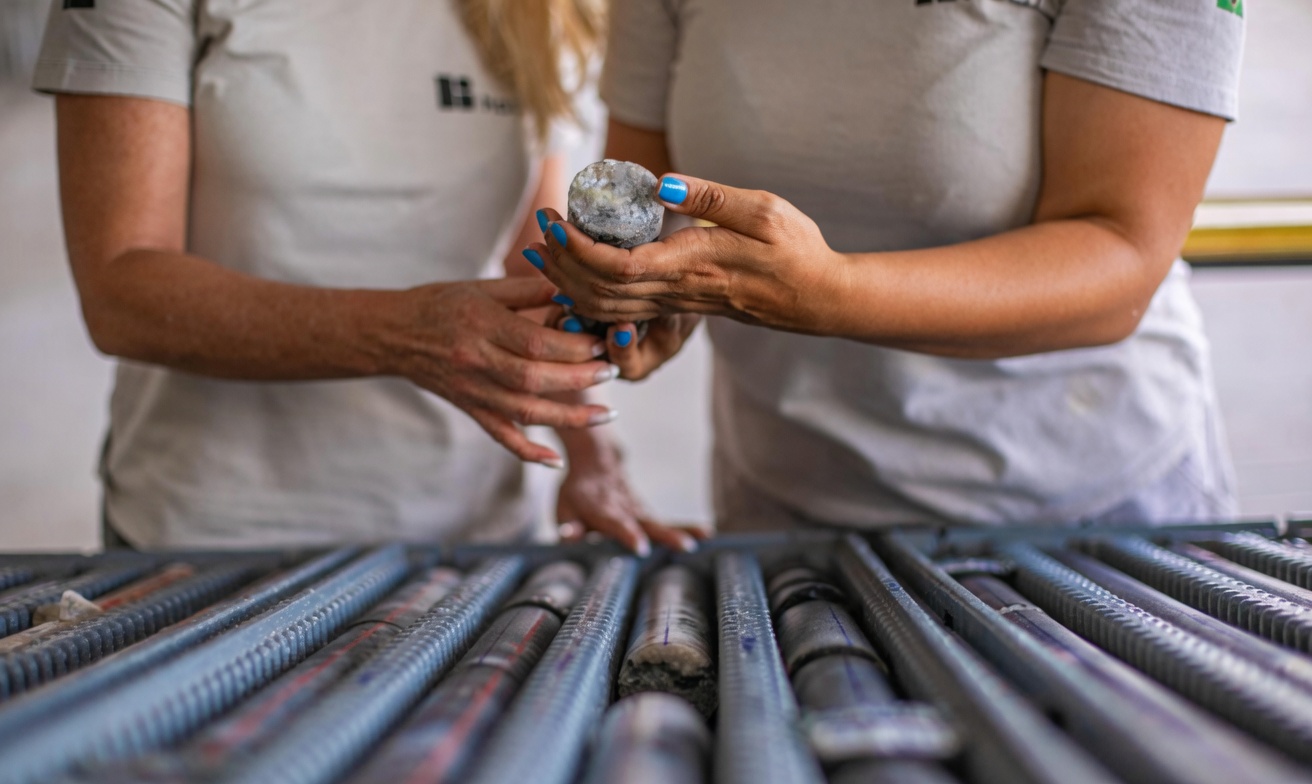
At Adina, the immediate priority involves integrating the Galinée and Adina datasets into a unified resource estimate, expected near transaction closing. Subsequently, approximately 50,000 meters of drilling will focus on resource conversion - upgrading inferred resources to indicated category and the phase-one pit material to measured status. This phase-one pit exhibits an encouraging 1:1 strip ratio, making it the logical initial mining area and therefore deserving of the highest confidence category.
Additional work includes geotechnical drilling to inform pit slope designs, hydrogeological studies, environmental assessments, and engineering studies on ore sorting technology that may reduce dilution from barren dykes within the orebody. This comprehensive dataset will support a feasibility study targeted for 2027 delivery.
Scale and Comparison: Positioning Among Peers
MacDonald positions Adina's ultimate potential in the 80-100 million ton range, comparable to Patriot Battery Metals' feasibility-level project but with a significant distinction: Patriot's 84 million ton mine plan incorporates both underground and open pit mining, whereas Adina's scale should be achievable entirely from open pit operations. This distinction matters considerably for capital intensity, operating costs, and technical risk.
At this resource scale, MacDonald argues the project justifies throughput rates of 4-5 million tons per year rather than the 2 million ton per year scale typical of smaller deposits. Higher throughput distributes fixed costs across larger production volumes and shortens payback periods, both critical factors for project economics and financing attractiveness.
The project's dense media separation metallurgy - confirmed through Winsome's extensive testwork - offers lower capital and operating costs than more complex processing routes, albeit with somewhat lower recoveries (typically 60% for well-optimised DMS operations).
Team Evolution: From Explorer to Developer
As Li-FT Power transitions from exploration-focused to development-stage company, MacDonald acknowledges the need for organisational evolution. The company is actively recruiting experienced development personnel who have successfully advanced projects through construction and into production. These additions, expected within coming months, will complement the existing geological team with expertise in engineering, project management, procurement, and operations.
The appointment of Anthony Tse as Executive Chairman exemplifies this strategic direction. Tse previously served as Managing Director of Galaxy Resources, where he oversaw a diversified lithium portfolio including operating spodumene mines in Australia, development projects in Quebec, and brine assets in Argentina. This breadth of experience across geographies and deposit types expands Li-FT Power's strategic optionality.
Capital Position and Australian Market Access
The recently completed $48 million financing, led by Avenir with participation from other institutional investors, combined with approximately $25 million in equity positions held across both Li-FT Power and Winsome, provides approximately $75 million in combined liquidity to fund the ambitious 2026-2027 technical programs across both projects.
The pending ASX listing serves dual purposes: maintaining liquidity for Winsome's predominantly Australian shareholder base, and accessing Australian capital markets where lithium expertise and investment appetite have historically exceeded North American markets. Australian investors have participated extensively in lithium's growth, with companies like Pilbara Minerals growing from sub-$100 million market capitalisations to $4-5 billion valuations across multiple cycles. This demonstrated willingness to finance and value lithium developers at scale represents a significant strategic advantage as Li-FT Power advances toward feasibility and potential development decisions.
Conclusion
The lithium market's structural dynamics remain compelling despite cyclical volatility. Supply additions failed to materialise during the previous price spike as projects faced extended permitting timelines, technical challenges, and capital constraints. The subsequent price collapse below production costs forced supply rationalisation while demand growth from electric vehicle adoption and energy storage continues unabated. As MacDonald notes, prices falling "below the cost of production in July" created unsustainable conditions requiring correction. North American hard rock deposits benefit from geopolitical preferences for Western supply chains, shorter permitting timelines than brine operations, and established processing pathways. The critical insight:
"The only constant in lithium for the next decade or so is that there's going to be extreme volatility until the market becomes more developed."
This volatility favors well-capitalised developers who can advance projects counter-cyclically, positioning for premium valuations during inevitable supply crunches.
TL;DR
Li-FT Power will strategically consolidate North America's second-largest hard rock lithium resource base through the Winsome acquisition (upon closing), eliminating claim boundaries that constrained Adina's 80-100+ million ton potential. With lithium prices rebounding 3x and Agnico Eagle-backed financing securing $75M for aggressive 2026-2027 drilling and feasibility work, the company is positioned early in lithium's cyclical recovery. Superior open-pit economics, DMS metallurgy, and infrastructure access differentiate Adina from peers, while dual ASX-TSX listings provide access to specialised lithium capital markets.
FAQs (AI Generated)
MacDonald explains that acquisitions should occur during market downturns when valuations are depressed, allowing positioning before the next cycle. The timing coincided with lithium's cyclical bottom and early recovery signals.
The boundary prevented Winsome from designing optimal pit walls across 78M tons of resource, limiting only 35M tons to the pit. Consolidation allows unconstrained pit optimisation, dramatically increasing recoverable resource.
Primary risks include drilling delays, geotechnical complications affecting pit design, permitting timeline extensions, or market deterioration constraining capital. Environmental baseline work requires multi-year data collection, limiting acceleration potential.
Dense media separation offers lower capital and operating costs than flotation or chemical processing, but achieves lower recoveries (~60% versus 80%+). The tradeoff favors DMS for large, high-grade deposits.
Australian investors possess deeper lithium expertise and investment track record, having built companies like Pilbara Minerals to multi-billion valuations. The listing maintains liquidity for Winsome's Australian shareholder base post-transaction.
Analyst's Notes





Subscribe to Our Channel



Stay Informed


