




Electra Battery Materials Secures $82.5M to Build North America's First Cobalt Refinery


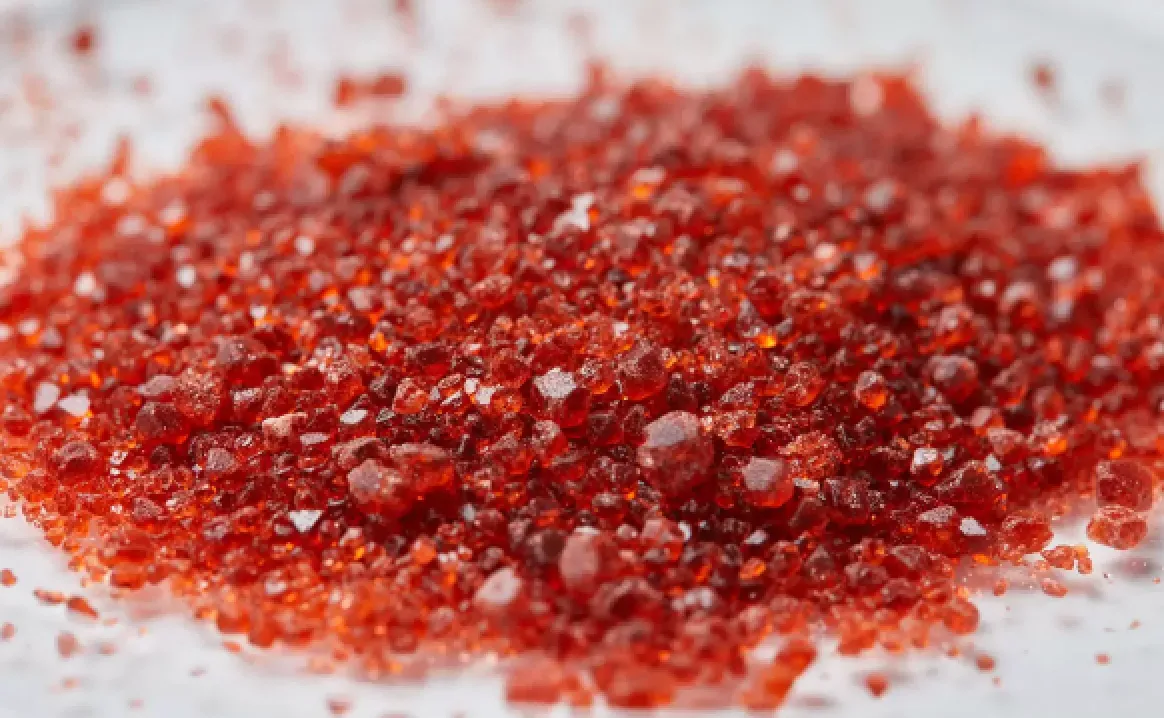
Electra builds North America's 1st cobalt refinery: 6,500 tons capacity, $30M EBITDA target, LG offtake secured, $82.5M raised, 2027 production start addressing critical supply gap.
- Electra Battery Materials is building North America's first battery-grade cobalt refinery in Canada, targeting 6,500 tons annual production starting in 2027
- The company raised $82.5 million in new capital and converted $40 million of $67 million in debt, positioning itself for construction phase in 2026
- Secured a 5-year offtake agreement with LG covering 60-80% of production at fixed margins, providing downside protection
- The $250 million brownfield facility targets $30 million EBITDA at full capacity, with a 12-month ramp-up period post-commissioning
- CEO emphasises execution focus while maintaining longer-term vision for recycling, Idaho cobalt assets, and potential U.S. defense procurement opportunities
As North America confronts its dependence on foreign critical mineral supply chains, Electra Battery Materials (NASDAQ:ELBM | TSXV: ELBM) is positioning itself as a cornerstone solution. The company is developing the continent's first battery-grade cobalt refinery in Canada, just north of Toronto. In a recent interview, CEO Trent Mell provided a comprehensive update on the company's transformation to what he calls "Electra 2.0" - a recapitalised entity ready to execute on a clear production timeline. With cobalt demand driven by both electric vehicles and defense applications, and China controlling the majority of global refining capacity, Electra's domestic processing capability addresses a strategic vulnerability in Western supply chains.
Capital Restructuring Enables Project Advancement
The past two years have been transformative for Electra's balance sheet. Mell described the company's recent recapitalization:
"We converted $40M out of $67M debt. We raised an aggregate of $82.5 million of new capital. That's from three levels of government, including the DoD and private capital."
This restructuring represents a fundamental reset that shores-up the company's ability to advance its flagship project.
The $82.5 million capital secured comes notably from the U.S. Department of Defense, alongside private investors. The debt conversion saw lenders convert approximately 60% of their obligations into equity, demonstrating their confidence in the long-term value proposition. According to Mell,
"our lenders have been great, right? They converted 60% of their debt into equity and they're there for the long haul."
This financial foundation supports a project with an estimated capital expenditure of approximately $69 million (accounting for inflation from the 2023 estimate of $60 million) against the $82.5 million raised. The company has engaged its contractor and project team, with nine general contracting firms visiting the site in late November. Tenders are expected by December 12th, with detailed budgets and schedules to be released to the market in January 2026.
Brownfield Refinery Targets 6,500 Tons Annual Production
Electra's refinery is a brownfield redevelopment of a previously operating hydrometallurgical facility. The original operation processed nickel and cobalt, but the current project focuses exclusively on battery-grade cobalt sulfate production. Mell values the completed asset at "about a 250 million plus asset once it's done."
The production target has been optimised from an initial 5,000 tons to 6,500 tons annually. At full capacity, the refinery targets $30 million in annual EBITDA. The ramp-up profile follows a typical S-curve for hydrometallurgical plants, with the first 12 months dedicated to reaching full production. Year one EBITDA is projected at $15-18 million as the facility scales. Mell acknowledged the challenges inherent in commissioning:
"The S-curve on a hydrometallurgical plant, typically the first two or three months are hard, right? Getting all the gremlins out and once you got the plant running, you ramp it up pretty high to 80, 85%, 90% and then you're struggling to get that last little bit of juice out."
Cobalt Demand Extends Beyond Electric Vehicles
Despite slower-than-expected electric vehicle adoption rates, particularly in North America, Mell remains confident in cobalt demand. He emphasised the breadth of applications:
"Today even in-country fabrication would consume 100% of the 6,500 tons of cobalt we're going to be making. And it's not just EVs, it's military drones and night vision goggles and all of those other applications."
The company's demand profile extends beyond the consumer EV market to industrial and defense applications. Indicative interest in Electra's production already stands at twice the facility's annual output capacity. Addressing concerns about lithium iron phosphate (LFP) battery chemistry gaining market share, Mell stated:
"Yes, LFP is picking up, not a threat to us because there is zero presence in this market and we've got our demand at least on our book. The indicative interest has gotten twice our production rate."
The strategic value proposition centers on supply chain diversification. Currently, the vast majority of cobalt refining capacity is concentrated in China. Electra's model involves "diverting feed that's currently going to China, bringing it to North America."
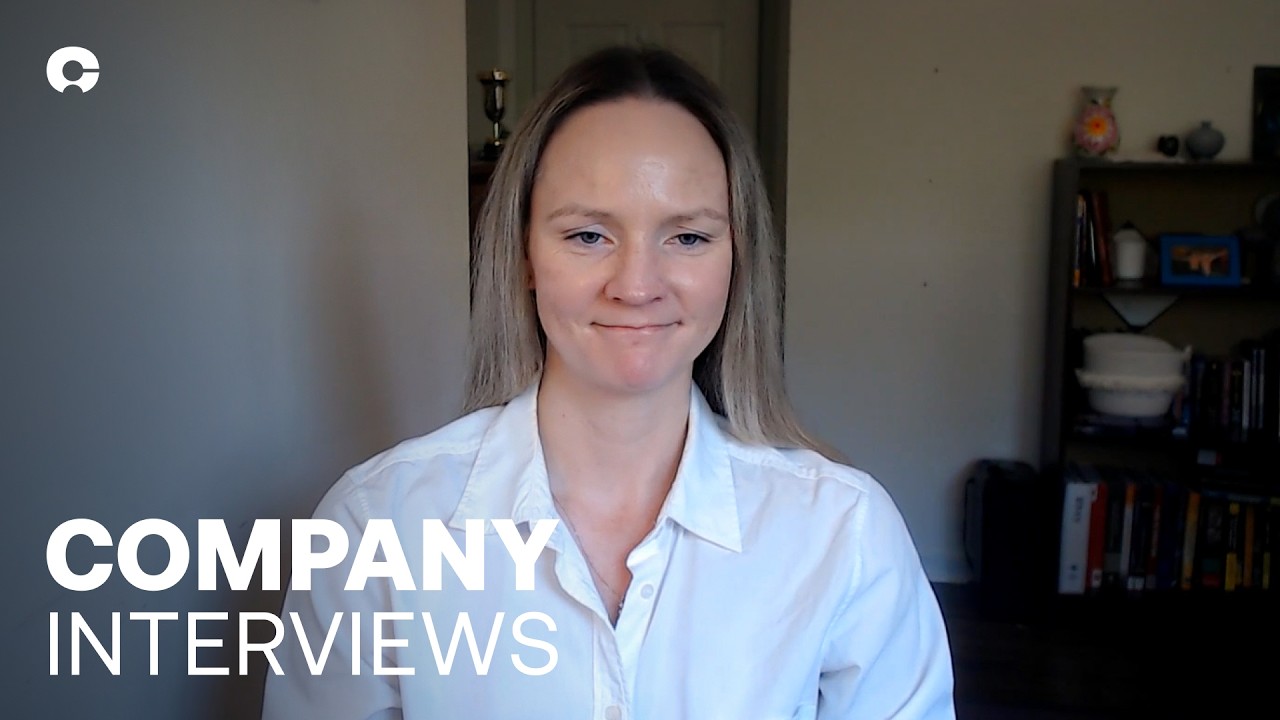
Interview with Trent Mell, CEO of Electra Battery Materials
LG Offtake Agreement Provides Revenue Stability
The cornerstone of Electra's commercial strategy is a five-year offtake agreement with LG, one of the world's largest battery manufacturers and the largest non-Chinese cobalt buyer. This contract covers 60-80% of Electra's production, providing revenue certainty during the critical ramp-up phase.
The commercial structure is designed for stability rather than speculation. Mell explained:
"It's a toll arrangement with LG. It's a fixed margin, we're going to make for every pound of cobalt that we produce. And that way we've got comfort and downside protection. They've got the upside protection."
This toll-based model locks in a processing margin regardless of cobalt sulfate price fluctuations, which Mell characterised as "a little opaque" in this "small, less liquid market." With cobalt sulfate prices having increased two and a half times from their lows of around $10 per pound, the temptation to capture upside exists, but Mell's strategy prioritises execution:
"Don't get greedy. Don't swing for the fences. Lock in a margin. Maybe that last 20%-25% maybe you play the market a little bit, but I think year one as we start to ramp up, let's just not mess it up and not get greedy."
Western Feed Sources Support Processing Strategy
As a pure processor without vertical integration into mining (though the company holds the Idaho cobalt project for future optionality), Electra relies on third-party concentrate supply. The company has established relationships with Western producers ERG and Glencore, who operate in the Democratic Republic of Congo - the same operations that currently supply the Chinese refineries.
Product qualification represents a critical pathway to commercial production. Unlike lithium products that require 12 months of production to qualify into battery supply chains, cobalt's smaller quantities in cathode formulations offer more flexibility. Mell noted:
"The quantities of cobalt in a cathode are so small that there are blending opportunities. So, we've produced it in a lab, we produced it on a pilot, we've repeated it on a pilot basis, we've seen their specs, they've seen our product."
While the product hasn't yet been tested in LG's actual batteries, the company has built in contingencies. Off-specification material in early production can be sold to chemical producers or recycled through the refining circuit. Mell identified qualification timing as the primary execution risk:
"People ask me what the big risk is. It's like how quickly do we hit a commercial spec that's acceptable to LG."
Construction Accelerates Through 2026
The development timeline positions 2026 as the primary construction year. Following the receipt of contractor tenders in mid-December 2025 and finalization of budgets in January 2026, construction activities will intensify throughout the year. Cold commissioning is expected in late 2026, with production commencing in 2027.
The path to self-sufficiency requires navigating the typical challenges of plant commissioning and ramp-up. Electra plans to maintain a six-month working capital cushion to weather this period. Additional working capital facilities will be arranged before the end of 2026, potentially with existing lenders or new parties.
The company has engaged experienced contractors to support the commissioning and ramp-up phases. Operating costs are being rebased to reflect current market conditions, with the largest input costs being acid and caustic. Contractual mechanisms with offtake parties provide some protection against reagent cost volatility.
Future Growth Requires Disciplined Execution
While execution of the cobalt refinery dominates near-term focus, Mell maintains a longer-term vision for the company. The Idaho cobalt belt assets represent potential domestic feed optionality, though they require significant additional time and capital. Mell suggested consolidation opportunities:
"If I look at the Idaho cobalt belt, there's basically us and maybe three other assets. So if I have my policy hat on, like just slam them all together, right? And whether it's somebody else or Electra"
The company has positioned itself for U.S. engagement beyond Idaho, including a retired U.S. admiral on its board. Recycling capabilities that the company has developed also represent future growth vectors, as does the potential for nickel refining in North America. However, Mell emphasised discipline:
"I'm an M&A guy by background and these things, you kiss a lot of frogs and you can't spend a lot. It can't be your core activity. Let's focus on execution. We got to get this first one built."
Macro Thematic Analysis
The Western world's dependence on Chinese critical mineral processing has evolved from a trade issue to a national security concern. China controls approximately 70% of global cobalt refining capacity, creating a strategic vulnerability as defense systems, electric vehicles, and industrial applications all require cobalt-containing batteries. The U.S. and Canadian governments have recognised this gap, with the Department of Defense providing funding for domestic capacity development. As Mell articulated:
"We've had to rebrand a little bit from ESG and carbon reduction to critical minerals and China. But as I tell my team and my investors, the journey is the same one, right? It's about onshoring a supply chain that we [currently] don't have."
This shift from environmental framing to economic security positioning reflects broader recognition that technological sovereignty requires control of processing infrastructure, not just mining assets.
TL;DR: Executive Summary
Electra Battery Materials has emerged from a challenging two-year period with $82.5 million in new capital, 60% debt conversion, and a clear path to building North America's first battery-grade cobalt refinery by 2027. The $250 million brownfield facility targets 6,500 tons annual production with $30 million EBITDA at full capacity, underpinned by a five-year tolling agreement with LG covering 60-80% of output. With government backing including DoD funding, established feed relationships with Western Congo producers, and demand exceeding production capacity by 2x, Electra addresses a critical supply chain vulnerability while offering investors a de-risked entry into critical minerals processing.
FAQs (AI Generated)
The 60% debt conversion demonstrated lender confidence while preserving cash for construction. Combined with the $82.5M raise, this provided adequate capital without excessive dilution, restructuring the balance sheet for growth.
The toll structure locks in a fixed processing margin per pound regardless of cobalt sulfate prices, providing downside protection for Electra and upside protection for LG, ensuring profitability through market cycles.
Electra is the only North American battery-grade cobalt refinery under construction, enjoys multi-government backing including DoD, has secured LG offtake, and benefits from brownfield redevelopment versus greenfield capital intensity.
Hydrometallurgical plants typically follow S-curves with difficult initial months, then rapid scaling to 80-90% capacity. The timeline aligns with industry norms, supported by experienced contractors.
LFP adoption affects high-nickel chemistries but industrial, defense, and premium EV applications still require cobalt. With zero North American capacity and demand at 2x production, Electra serves an underserved market segment.
Analyst's Notes





Subscribe to Our Channel





Stay Informed


