




Oil Blockade Enters Week Eight as Diplomacy Shifts to Pakistan


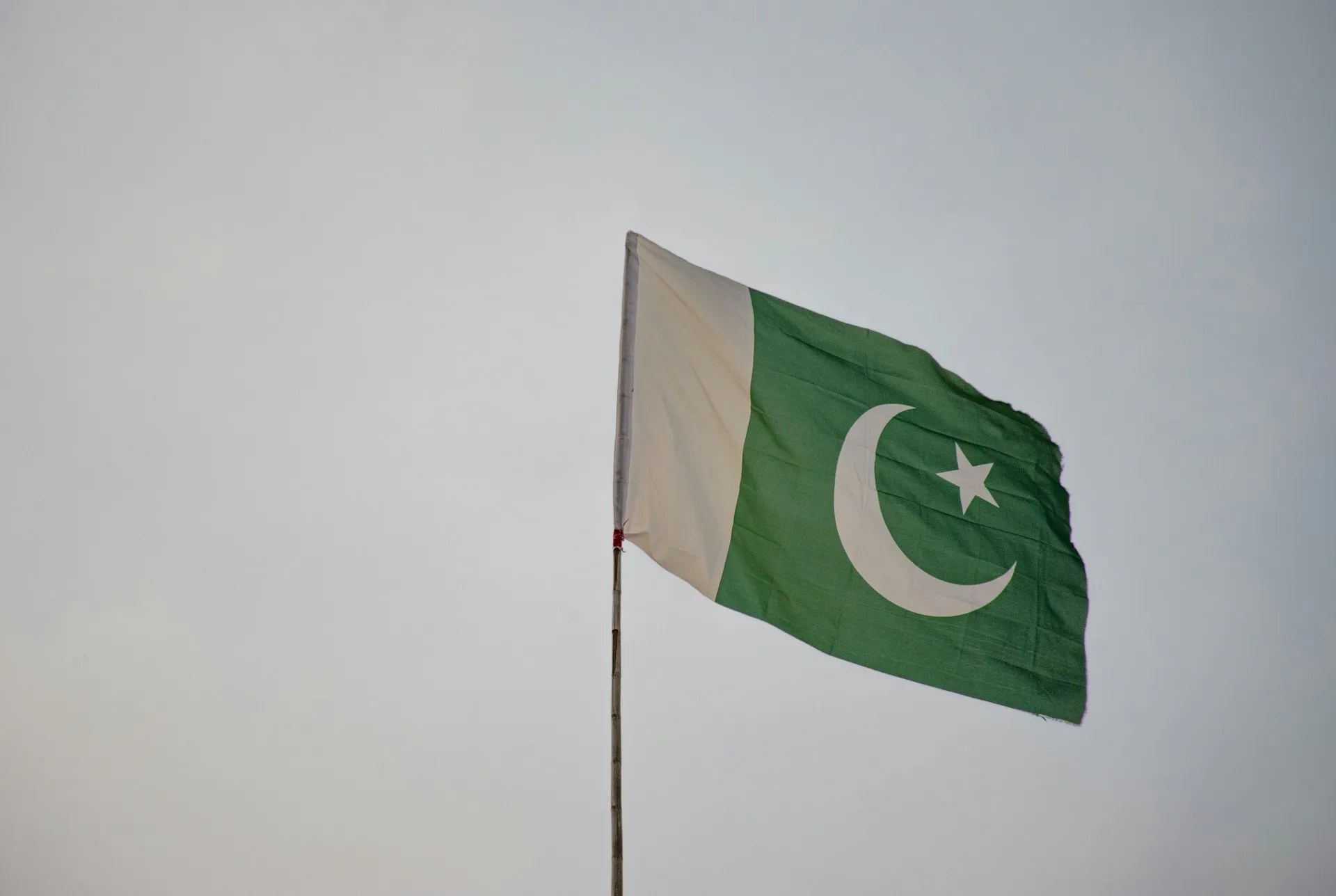
Iran's Foreign Minister meets Pakistan amid 8-week blockade reducing ship traffic from 130 to 5 daily. Brent crude at $105.60 as diplomatic stalemate persists.
- Iran's Foreign Minister Abbas Araqchi arrived in Islamabad on Friday, April 24, 2026, to discuss proposals for restarting collapsed peace negotiations with the United States.
- The physical mechanism of market disruption remains extreme, with only five ships crossing the Strait of Hormuz in the last 24 hours compared to a pre-war average of 130.
- Scenario projections reflect intense energy market volatility, keeping Brent crude futures elevated at $105.60 and US West Texas Intermediate futures at $95.29.
- Retail investor actionability is heavily constrained by the unpredictable, binary nature of diplomatic deadlines, preventing reliable trading around political announcements, as evidenced by President Donald Trump's unilateral 11th-hour ceasefire extension.
- The baseline assumption of sustained disruption faces an immediate falsification trigger if the US lifts its naval blockade on Iranian ships or if daily transit data in the Strait of Hormuz breaches the five-ship threshold, according to Reuters on April 24, 2026.
Diplomatic Venue Shift Fails to Move Oil Markets Out of Crisis Range Despite Pakistan Mediation Attempt
Iran's Foreign Minister Abbas Araqchi traveled to Islamabad, Pakistan, to discuss proposals for restarting collapsed peace talks with the US. The market response to this potential diplomatic opening was immediate but volatile, with Brent crude futures rising 53 cents, or 0.5%, to $105.60, and US West Texas Intermediate futures dropping 56 cents, or 0.6%, to $95.29.
This diplomatic maneuvering matters because traders are desperately weighing the prospect of further talks against the magnitude of the worst oil shock in history. The transition from a localized price shock to a severe physical supply shortage is rapidly accelerating, with the eight-week blockade reducing daily ship traffic through the Strait of Hormuz from 130 vessels to five.
Iran's Fast-Boat Swarm Tactics Created a 96% Collapse in Hormuz Traffic That Diplomatic Preconditions Prevent From Recovering
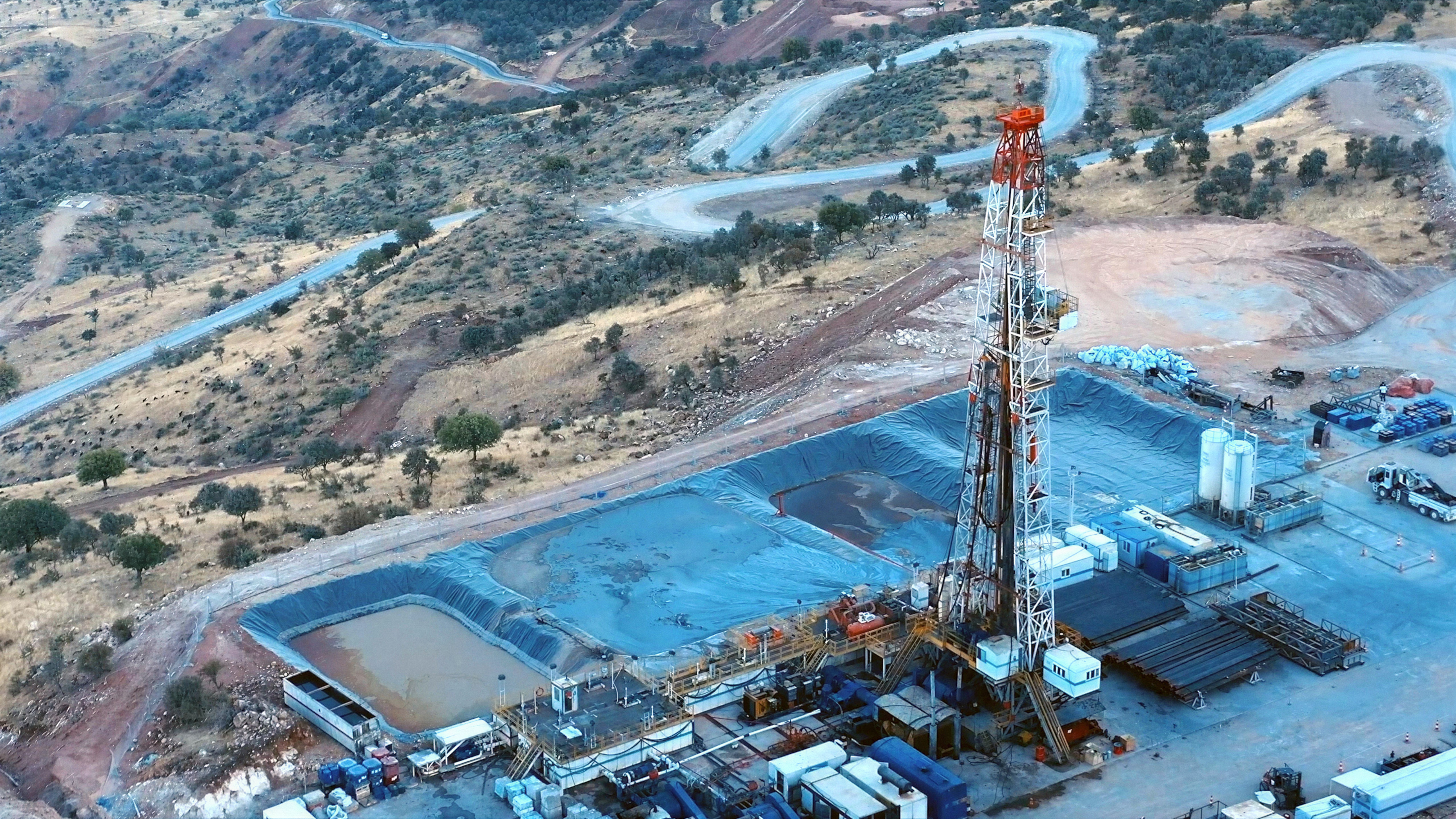
The primary physical mechanism driving this crisis is a near-total blockade of the Strait of Hormuz, where Iran has blocked almost all non-Iranian shipping for eight weeks using swarms of small, fast boats to seize container ships, restricting transit to only five ships, including a Hapag-Lloyd vessel and an Iranian oil products tanker, in the last 24 hours, down from 130 a day pre-war. Iran has aggressively evolved its maritime tactics from traditional naval confrontation to asymmetric swarming, allowing Tehran to control the chokepoint without deploying capital ships vulnerable to US airstrikes.
The political mechanism ensuring this route remains broken is a retaliatory stalemate fueled by rigid preconditions. Iran refuses to reopen the Strait until US President Donald Trump lifts his separate blockade on Iranian ships in international waters. Concurrently, US Defense Secretary Pete Hegseth stated in a briefing that Iran must abandon its nuclear weapon in "meaningful and verifiable ways," establishing an inflexible causal chain where military escalation completely stifles diplomatic progress, per Reuters on April 24, 2026.
Supply Chain Recovery Will Lag Diplomatic Breakthrough by Months Due to Eight-Week Shipping Backlog & Maritime Buffer Zone Constraints
The institutional implications highlight a severe lag-effect mechanism for supply chains, meaning a diplomatic breakthrough in Pakistan cannot immediately restore the physical transit of vast crude-carrying supertankers. Even if negotiators reach an agreement, the operational recovery of global energy markets will be heavily delayed by the logistical complexities of clearing an eight-week shipping backlog and dismantling maritime buffer zones.
Under the current scenario framework, recession risks remain elevated as long as the standoff persists, with US President Donald Trump explicitly stating he is in no rush to reach an agreement, preferring an "everlasting" deal while maintaining an upper hand in the Strait. If the blockade continues, Brent crude prices are projected to remain highly volatile around the current $105.60 baseline. A crucial leading indicator of this scenario's probability will be the planned arrival of US special envoys Steve Witkoff and Jared Kushner in Islamabad, who are expected to depart Saturday morning to join the talks.
Investors Cannot Reliably Trade Diplomatic Deadlines Due to Trump's Pattern of Unilateral Timeline Extensions
Retail investor portfolios face direct exposure to energy price volatility primarily through container shipping companies like Hapag-Lloyd, which had one vessel among the five ships that successfully transited the Strait in the last 24 hours. The explicit mechanism for this risk stems from the complete halting of the world's most important energy shipping route, which forces international supply chains into severe operational distress.
The decision framework for managing this risk requires a strict operational flexibility test: investors must identify companies capable of surviving environments where normal daily maritime traffic drops from 130 ships to just five. Companies lacking alternative routing or robust reserve capacities face immediate strain under these conditions.
Actionability constraints dictate that retail investors should not attempt to trade the negotiation deadline due to the unpredictable, binary nature of political decisions. Because Trump unilaterally extended a two-week ceasefire at the 11th hour, investors cannot anticipate precise diplomatic timelines and should instead hedge against prolonged supply chain volatility rather than betting on sudden resolutions.
The Baseline Assumption That Regional Proxy Conflicts Prevent Isolated Iran-US Deals Breaks If Hezbollah Accepts a Permanent Lebanon Ceasefire
The baseline assumption underpinning this analysis is that the broader Iran war and its regional proxy conflicts will remain intrinsically linked, preventing isolated diplomatic resolutions. Specifically, Iran maintains that a permanent ceasefire in Lebanon, currently dismissed as "meaningless" by Hezbollah lawmaker Ali Fayyad, is an absolute precondition for successful wider negotiations.
Specific falsification triggers that would invalidate this prolonged disruption thesis include Iran unilaterally recalling its fast-boat swarms, the US suddenly lifting its blockade of Iranian ships in international waters, or a verifiable, permanent peace agreement emerging from the Islamabad negotiations.
Analyst's Notes





Subscribe to Our Channel
.png)



Stay Informed


