Energy Fuels: One Company, Five Critical Materials


Energy Fuels holds America's only uranium mill and rare earth oxide facility, now expanding into metals and alloys through a transformative acquisition closing mid-2026.
- Energy Fuels produced 1.72 million pounds of uranium in 2025 - beating its own revised target - and is aiming to mine 2.0 to 2.5 million pounds in 2026 from two operating mines.
- The White Mesa Mill in Blanding, Utah is the only uranium mill operating in the US and the only facility in the country licensed to process monazite into separated rare earth oxides, including dysprosium and terbium - two materials China has restricted from export.
- The company sold 650,000 pounds of uranium at an average of $74.21 per pound in 2025, generating $48.2 million in uranium revenue, and holds six long-term supply contracts with US nuclear utilities covering deliveries through 2032.
- The proposed acquisition of ASM, valued at US$299 million and expected to close mid-2026, adds a producing rare earth magnet alloy plant in South Korea - allowing Energy Fuels to sell finished alloy rather than raw oxide, capturing the margin currently paid to Chinese processors.
- A $700 million bond offering in October 2025, which investors demanded more than 7 times over, funds the White Mesa Mill's rare earth expansion and the development of the Donald Project in Australia - giving the company a capital runway without immediately issuing new shares.
Why Energy Fuels Holds a Position No Other US Company Can Easily Copy
In May 2024, the US government signed the Prohibiting Russian Uranium Imports Act into law, cutting Russian-origin uranium out of the US supply chain and pushing utilities to source from domestic producers and allied nations. Energy Fuels Inc. (NYSE American: UUUU | TSX: EFR) is the largest uranium producer in the United States, making it a direct beneficiary of that demand shift. But uranium is only part of the story.
The company also holds the only US facility licensed to process monazite - a naturally radioactive mineral - into the rare earth oxides that power electric vehicle motors, fighter jets, and industrial robotics. Because monazite contains uranium and thorium, processing it legally requires a nuclear license. No other company in the United States currently holds that license for this purpose, which means this is not a competitive position that a well-funded rival can simply build its way into overnight.
Energy Fuels runs five different commodity streams - uranium, vanadium, rare earth elements, titanium, and zirconium - all through a single facility in Utah. That infrastructure took more than 45 years and hundreds of millions of dollars to build and permit. Analysts tracked the uranium spot price at approximately $86.90 per pound in April 2026, well above the sub-$65 per pound range that defined most of 2025, a recovery supported in part by Kazatomprom, the world's largest uranium producer, cutting its 2026 output target by approximately 8 million pounds, per its 1H2025 Financial Results published August 22, 2025.
The Facility That Cannot Be Copied: White Mesa Mill
Think of the White Mesa Mill as the engine of the entire business. It is the only operating uranium mill in the United States, licensed to process more than 8 million pounds of uranium per year - but it produced only just over 1 million finished pounds in 2025, meaning most of that capacity is still available as production ramps up. It is also the only place in the US where monazite can be legally processed into the separated rare earth oxides that manufacturers need. Dysprosium and terbium, two of those rare earth oxides, are materials China has been restricting from export since 2023, tightening those restrictions further in 2025, making a domestic US source strategically significant.
The mill can currently handle up to 10,000 tonnes of monazite per year and produce up to 1,000 tonnes of the rare earth oxide used in permanent magnets annually. That material - the key ingredient in the magnets inside electric vehicle motors - has already been tested and qualified by a magnet manufacturer and a vehicle maker for use in commercial automotive motors, per the March 2026 presentation. In 2025 and early 2026, the mill also produced small but significant quantities of dysprosium and terbium oxide - both confirmed to meet commercial purity standards - establishing that the process works before the company scales it up commercially by mid-2027.
President & Chief Executive Officer of Energy Fuels, Mark S. Chalmers, explained what makes the company's position different from other critical minerals producers:
"We are like no other company in the critical mineral space where we're building a critical mineral hub using our longstanding uranium processing capabilities but also the ability to mine and recover rare earth into oxides."
Uranium: The Business That Funds Everything Else
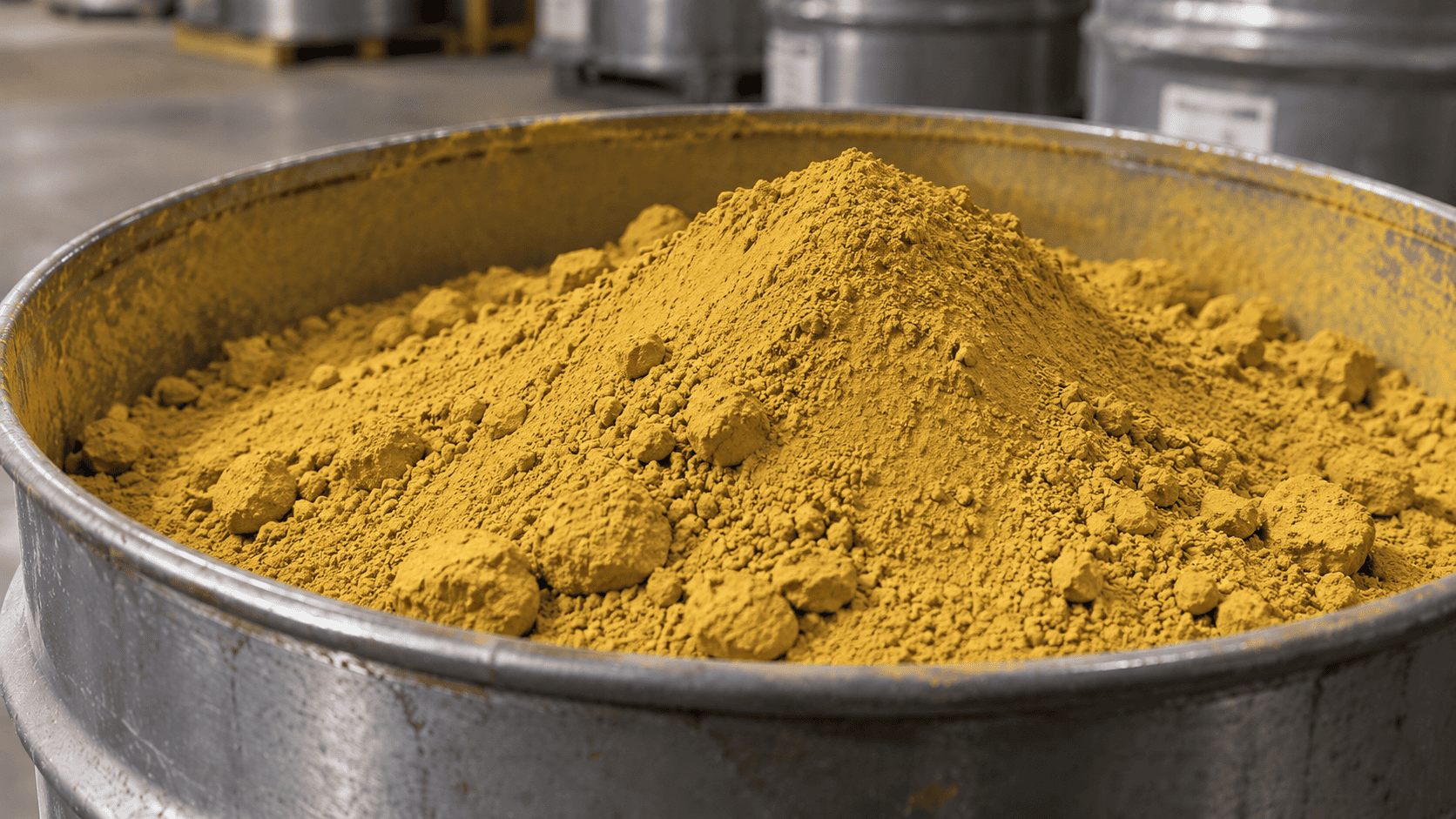
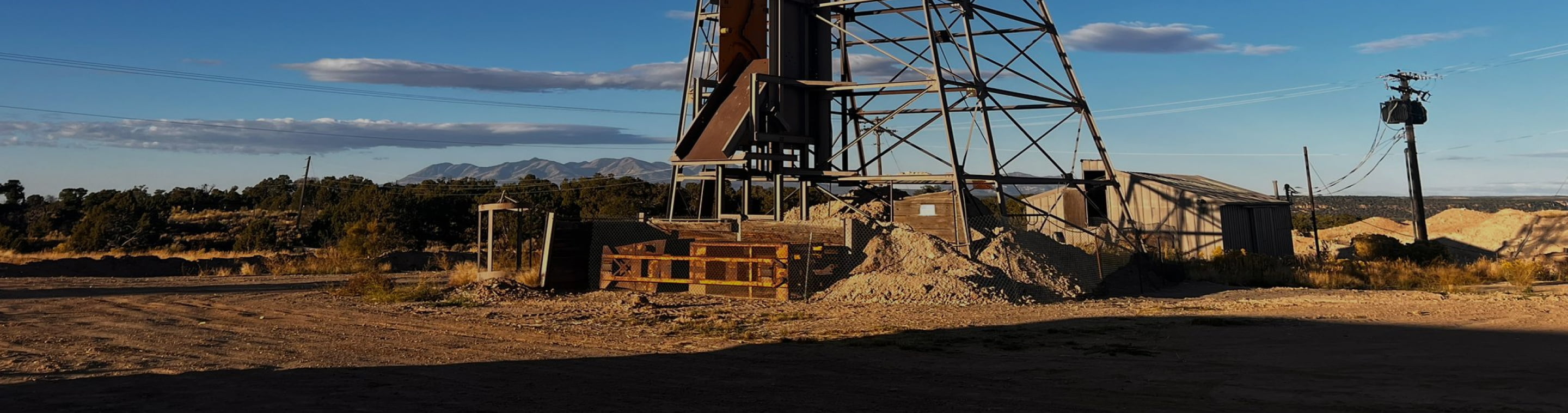
Uranium is where Energy Fuels makes its money today - and production is growing. The company mined 1.72 million pounds of uranium in 2025, beating the top of its own guidance range, and brought in $48.2 million in uranium revenue, per the February 26, 2026 results release. The Pinyon Plain Mine in Arizona, which the company describes as potentially the highest-grade uranium mine in US history, produces at a cost well below recent selling prices, leaving a substantial margin per pound before overhead costs.
For 2026, the company is targeting higher mining and sales volumes than 2025. With the uranium long-term contract price stable at $80 per pound as of August 2025, confirmed by Kazatomprom CEO Meirzhan Yussupov in the company's 1H2025 Financial Results published August 22, 2025, contracted uranium revenue is on track to be substantially higher than the $48.2 million generated in 2025. Analysts placed the spot price at approximately $86.90 per pound in April 2026, adding further upside on volumes sold outside long-term contracts.
The broader supply picture supports those prices. According to the WNA Nuclear Fuel Report 2025, published September 2025, global reactors consumed significantly more uranium than mines produced in 2025, with the shortfall filled by stockpiles and secondary sources the WNA expects to run down toward 2030. Energy Fuels holds six long-term supply contracts with US nuclear utilities covering deliveries through 2032.
Chalmers described the financial logic in plain terms:
"Our costs at Pinyon Plain are between $23 to $30 per pound, if you're selling at $75 a pound plus, you've got a really nice margin. If you multiply that times a million and a half pounds or two million pounds, that's a lot of cash coming into the company while we do these other steps."
The ASM Deal: Moving from Raw Materials to Finished Products
Right now, Energy Fuels produces rare earth oxides at White Mesa Mill and sells them. The problem is that the companies who buy those oxides - and turn them into the metals and alloys used in magnets - are mostly based in China, which means China captures most of the profit between raw oxide and finished product. The acquisition of ASM, announced January 20, 2026 for US$299 million and targeted to close mid-2026, is designed to change that.
The deal brings three assets into Energy Fuels' portfolio. First, a rare earth metals and alloy plant already operating in Ochang, South Korea, producing approximately 1.3 thousand tonnes of rare earth magnet alloy per year, with plans to more than quadruple that capacity over time. Second, a planned alloy plant on US soil targeting initial production of approximately 2.0 thousand tonnes per year - the first facility of its kind in the United States. Third, the Dubbo Project in New South Wales, Australia, which already has its major permits in place and a mine life of 42 years, with long-term annual output modelled at approximately 1,000 tonnes of rare earth magnet material, 49 tonnes of dysprosium, and 11 tonnes of terbium, per the scoping study released by ASM on July 11, 2025.
Chalmers explained the underlying strategic reason for this acquisition:
"We've been talking about integration in the rare earth cycle. The Chinese have integration from mining right on through to electric vehicles and they look at margins from the beginning to the end, not every single step. We identified some time ago that we wanted to have the metals and alloys capability, which are very, very in short supply globally."
Where the Raw Materials Come From: A Four-Country Supply Chain
To keep White Mesa Mill running at scale, Energy Fuels needs a steady supply of monazite - the mineral it processes into rare earth oxides. Rather than relying on a single source, the company has spent the past two years building a pipeline of monazite suppliers across four projects on three continents. Only one of those contracts is currently active, but the others are advancing toward production.
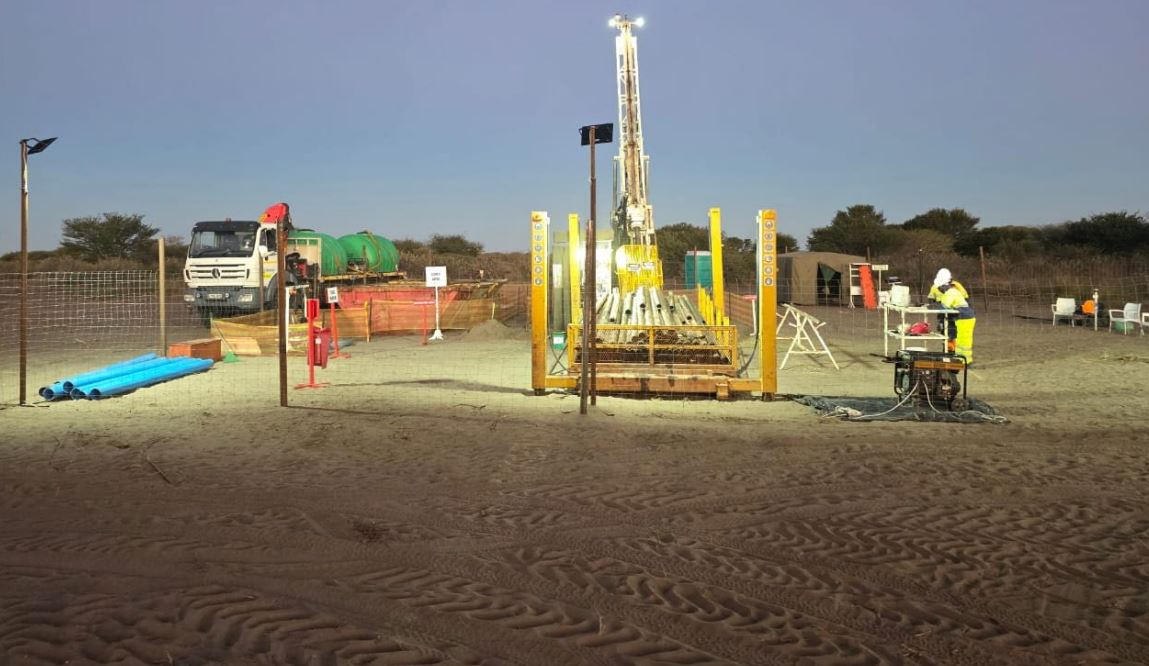
The furthest along is the Donald Project in Victoria, Australia, where Energy Fuels is earning into a joint venture with Astron Corporation. The deal gives Energy Fuels 100% of the monazite the project produces, even though it owns only 49% of the project itself. Construction funding is largely in place, and the first deliveries of monazite to White Mesa Mill could begin as early as late 2027. In Madagascar, the Vara Mada Project - a much larger deposit - is still working through government approvals before development can start. Once built, the company's feasibility study projects it generating substantial annual operating profit over a 38-year mine life. In Brazil, the Bahia Project is at an earlier stage, with drilling underway and a resource estimate due in 2026.
The one supply agreement already delivering material today is with Chemours, a US chemical company, which ships 500 tonnes of monazite per year to White Mesa Mill. It is a modest volume relative to the mill's capacity, but it keeps the processing operation running while the larger projects come online.
The Money Behind the Plan: Balance Sheet & Funding
Executing a plan this large requires serious capital - and Energy Fuels has spent the past year making sure it has enough. The company entered 2026 with nearly $1 billion in working capital, the bulk sitting in marketable securities, and raised an additional $700 million through a bond offering in October 2025 that investors demanded more than 7 times over. The bond converts to shares only if the stock price rises substantially above current levels, meaning existing shareholders are not immediately diluted.
The company did report a net loss for 2025, wider than the year before. That is not unusual for a company simultaneously ramping uranium production, building a rare earth processing operation, completing an acquisition, and developing projects across three continents. The loss reflects higher operating and overhead costs as the business expanded, partially offset by uranium revenue. With uranium sales targeted to more than double in 2026 compared to 2025, the revenue base is set to grow regardless of commodity price movement.
The Investment Thesis for Energy Fuels
- No competitor can replicate the White Mesa Mill quickly. It is the only US facility licensed to process monazite into rare earth oxides, and getting a similar nuclear processing license from the US nuclear regulator takes a minimum of seven to ten years historically - meaning a well-funded rival still could not catch up for at least a decade.
- The planned Phase 2 expansion of White Mesa Mill is designed to produce rare earth materials at a scale that, based on independent commodity benchmark prices as of February 2026, could generate up to approximately $1.2 billion in annual rare earth revenue alone - before counting uranium or vanadium, per the March 2026 presentation.
- The uranium business provides a reliable revenue floor. Six long-term contracts with US nuclear utilities run through 2032, and with more pounds targeted for sale in 2026 than in 2025, uranium revenue is on track to grow substantially. A global shortfall between what mines produce and what reactors consume, per the WNA Nuclear Fuel Report 2025, supports pricing well above what it costs Energy Fuels to mine.
- The company is largely funded for what comes next. Nearly $1 billion in working capital plus a $700 million bond facility gives Energy Fuels enough capital to cover most of its planned build-out across the White Mesa Mill expansion, the Donald Project, and Vara Mada - without needing to raise additional equity at current levels.
- The ASM acquisition adds the missing piece: a plant already turning rare earth oxides into finished alloy - the form that magnet makers actually buy. Right now, that conversion happens mostly in China. Owning the South Korean plant means Energy Fuels can capture that margin itself, with plans to significantly grow the plant's output over time.
- The biggest near-term constraint is not the mill's processing capacity - it is securing enough monazite to keep it running at full scale. The four projects in the supply pipeline are designed to fill most of that capacity, and the company is actively working to close the remaining gap, per the March 2026 presentation.
Energy Fuels is in the middle of a significant transition - from a uranium producer into a multi-commodity critical materials company. Uranium is funding that journey today, generating a wide margin per pound at current prices given how far the spot price sits above Pinyon Plain's production costs. If the rare earth expansion reaches full capacity, the company's own projections and independent commodity pricing suggest rare earth revenue alone could dwarf what the uranium business currently generates. The ASM acquisition, if it closes as targeted in mid-2026, removes the company's dependence on Chinese processors by bringing rare earth alloy production in-house. Three risks are worth watching: a sustained drop in the uranium spot price would compress the cash margin currently funding development; government approvals in Madagascar remain outstanding and, without them, Vara Mada - the largest monazite source in the pipeline - cannot move forward; and the Phase 2 mill expansion cost estimate has not yet been independently verified as of April 2026 meaning the actual build cost could differ from what the company has published.
TL;DR
Energy Fuels Inc. (NYSE American: UUUU | TSX: EFR) is the largest uranium producer in the United States and the only company in the country licensed to turn a mineral called monazite into the separated rare earth oxides that go into electric vehicle motors, defense systems, and wind turbines. The company holds $927.4 million in working capital as of December 31, 2025, raised $700 million in October 2025 to fund its expansion, and is in the process of acquiring Australian Strategic Materials (ASM) for US$299 million to extend its production chain from oxides into metals and alloys. Uranium production is targeting 1.5 to 2.5 million pounds in 2026, backed by six long-term supply contracts with US nuclear utilities running through 2032.
FAQs (AI-Generated)
Analyst's Notes





Subscribe to Our Channel






Stay Informed