




Stronger US Dollar & Higher Yields Are Raising Financing Pressure Across Gold Equities


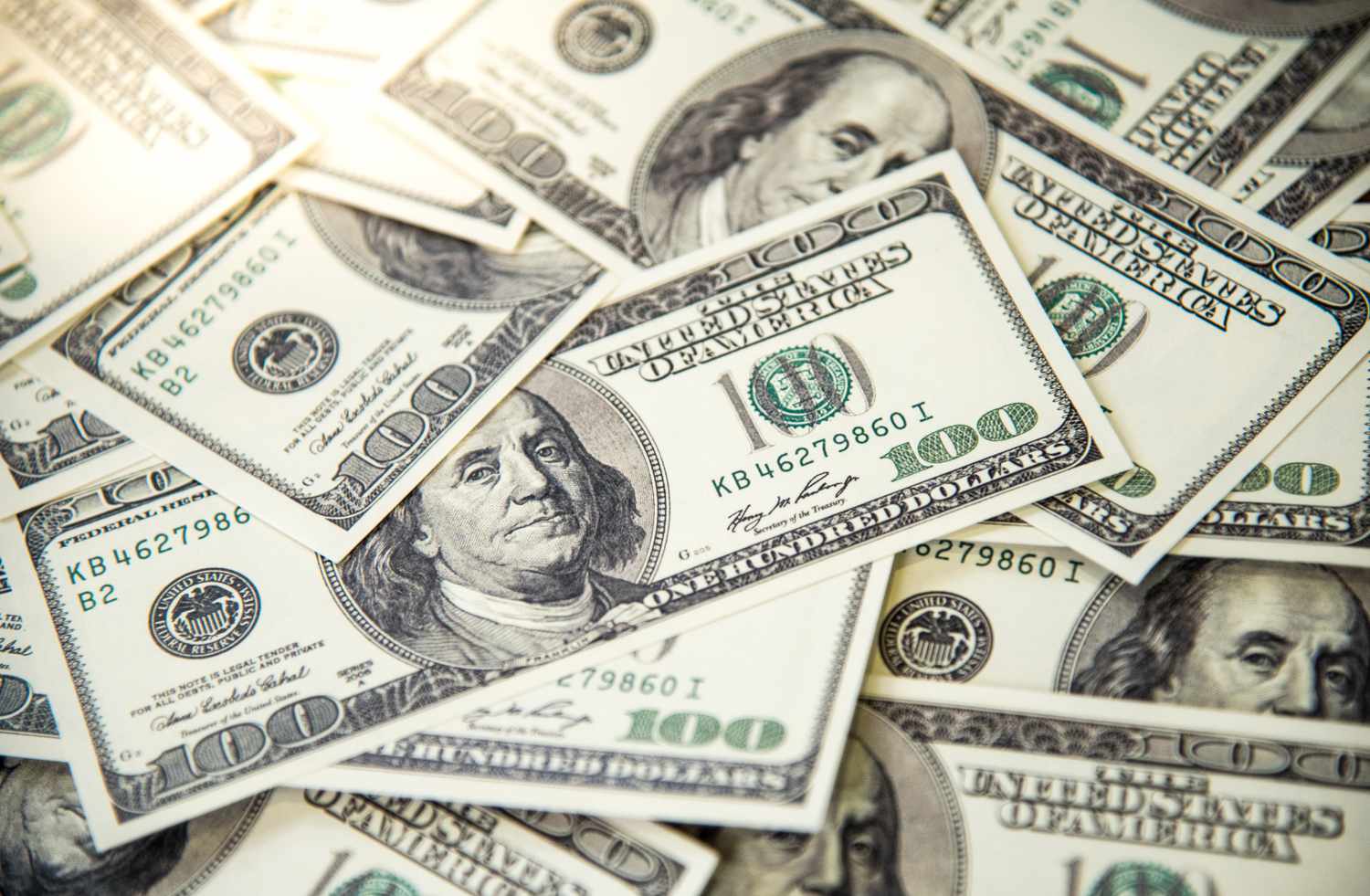
Persistent inflation and rising Treasury yields are driving capital into US dollar assets while tightening financing conditions for gold.
- US inflation pushed investors toward dollar-denominated assets, with the US dollar index rising 0.63% to 98.46 and the 10-year Treasury yield reaching 4%. Higher Treasury yields increased the appeal of short-duration US government debt, drawing institutional capital away from non-yielding assets such as gold and higher-risk equities.
- April producer prices recorded their largest increase in four years after consumer inflation accelerated to a three-year high, increasing market expectations that the Fed will keep interest rates higher for longer.
- Rising Treasury yields reduced demand for non-yielding assets like gold, which fell 0.5% to $4,689.91/oz, while a stronger US dollar pressured internationally exposed equities.
- Investors cannot assume that diplomatic meetings will quickly reduce market risk because energy prices, shipping costs, and corporate supply contracts often take months to normalize after geopolitical conflicts ease.
- This outlook weakens if CME FedWatch probabilities for a December 2026 rate hike fall well below the 31.8% level, because that would indicate investors expect inflation pressures and Treasury yields to ease.
Persistent Inflation & Stronger Demand for US Dollar Assets
Persistent inflation pushed investors toward cash, short-duration Treasuries, and US dollar assets as higher inflation expectations increased demand for higher bond yields.
The Iran conflict continued raising energy and shipping costs, while Chinese authorities intervened to slow yuan appreciation against the US dollar. Those pressures increased demand for US dollar assets and Treasury bonds.
Elevated Supply-Chain Costs and Continued Demand for US Dollar Assets
Diplomatic meetings may reduce short-term market volatility, but energy prices, shipping costs, and supply contracts often take months to normalize, limiting immediate changes in institutional capital allocation.
Jim Baird, chief investment officer at Plante Moran Financial Advisors, said that investors should expect “a productive meeting,” but limited immediate progress on broader geopolitical tensions.
Persistent inflation is now driving markets more than diplomatic rhetoric. Carol Kong of Commonwealth Bank of Australia expects the Fed to begin raising rates in December, potentially pushing long-dated Treasury yields above 5.04%.
Institutional investors are monitoring rate expectations more closely than political developments. CME FedWatch pricing implied a 31.8% probability of a December rate hike as of May 14. Rising rate-hike probabilities alongside higher Treasury yields would signal that the Fed remains focused on controlling inflation rather than supporting economic growth.
Higher Treasury Yields & Reduced Demand for Gold
Higher Treasury yields made gold less attractive as investors shifted toward higher-yielding government debt. Gold demand in India weakened after import duties increased, with bullion dealers citing discounts exceeding $200/oz. That showed how higher financing costs and currency pressure can quickly weaken physical gold demand.
For equity investors, companies with domestic pricing power and lower refinancing needs can withstand prolonged dollar strength better than businesses dependent on foreign exchange gains or cheap financing. The euro was on track for its largest weekly decline in two months, falling 0.57% against the dollar.
Higher Treasury yields can weaken demand for traditional defensive assets like gold because investors can earn higher returns from government bonds. Gold may retain long-term strategic value, but rising real yields reduce its near-term appeal.
Investors cannot reliably trade geopolitical deadlines or summit outcomes because financing conditions and energy costs can remain elevated after political tensions ease. A more durable strategy is testing portfolios against sustained higher Treasury yields, a stronger US dollar, and tighter credit conditions.
Rate-Hike Expectations & Continued US Dollar Strength
Markets must continue expecting persistent inflation and additional Fed rate hikes under incoming Chair Kevin Warsh for the stronger-dollar situation to hold. CME FedWatch priced in a 31.8% probability of a December rate hike. A decline toward the sub-16% levels seen earlier in the month would signal that investors expect inflation and Treasury yields to ease.
Treasury yields remain the clearest real-time indicator of inflation expectations. The 2-year Treasury yield reached 3.9750% on May 14, near a 1.5-month high. A sustained decline in the 2-year yield would signal that investors expect inflation pressures and US dollar strength to ease.
Analyst's Notes





Subscribe to Our Channel



Stay Informed


