




UAE's Exit Removes 3.2 Million Barrels of Spare Capacity, Shifting Markets to Uncoordinated Pricing


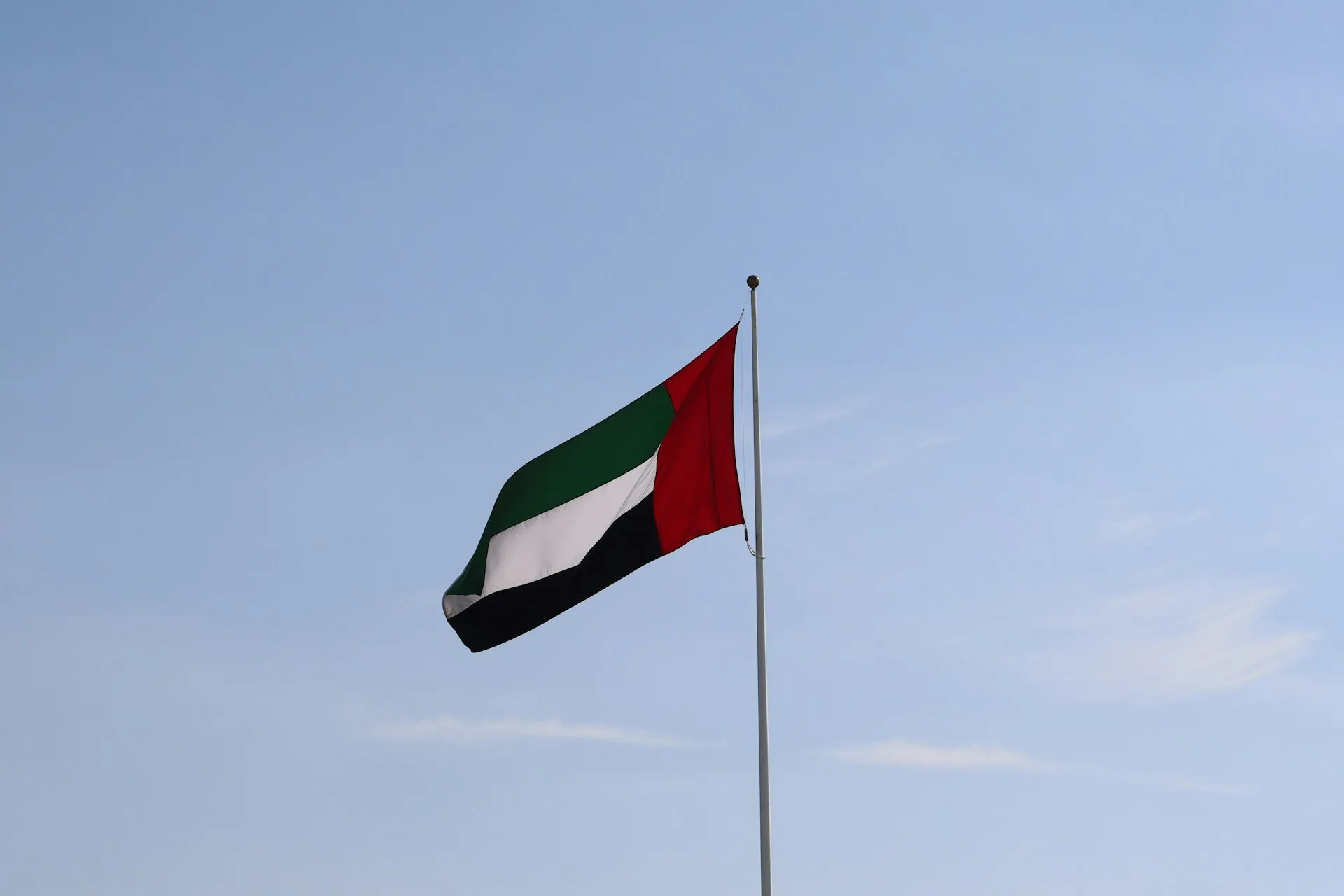
UAE exits OPEC May 1, removing 3.2M bpd spare capacity. Brent hits $111.67. Production expansion delayed by Strait of Hormuz attacks blocking exports.
UAE Exit Strips OPEC of Third-Largest Producer at 3.2 Million Barrels Per Day
On Tuesday, April 28, 2026, the United Arab Emirates announced its withdrawal from OPEC and the broader OPEC+ coalition, effective May 1. International benchmark Brent crude rose 3.4% to $111.67 per barrel following the announcement, extending gains from a February peak of $119.50 during the Iran conflict.
The UAE - OPEC's third-largest producer at 3.2 million barrels per day behind Saudi Arabia at 9.1 million and Iraq at 4.3 million - strips the cartel of spare production capacity historically deployed to offset supply disruptions and maintain price floors.
Production Quota Conflict Combines with December 2025 Airstrikes on UAE-Backed Forces
The UAE has planned to expand oil production by 30% from current 3.2 million barrel-per-day levels, an increase that existing OPEC and OPEC+ production quotas prohibit. The exit timing exploits current market conditions, as physical oil shortages from Strait of Hormuz closures mask the immediate price impact of removing coordinated spare capacity.
The political tensions accelerated following Saudi airstrikes on a weapons shipment bound for UAE-backed Yemeni separatist forces in late December 2025. UAE diplomatic adviser Anwar Gargash publicly criticized the Gulf Cooperation Council on Monday, April 27, for delivering a "historically" inadequate military response to Iranian missile attacks targeting UAE infrastructure, exposing the collapse of regional security coordination that previously supported OPEC unity.
OPEC Coordination Breakdown Compresses Margins for Diesel-Dependent Operations
Energy portfolio exposure requires reassessment as the OPEC-coordinated price floor mechanism loses structural integrity. The UAE's exit removes 3.2 million barrels per day of spare capacity previously available for cartel deployment during supply shocks, shifting pricing power from centralized coordination to uncoordinated individual producer decisions.
The breakdown extends beyond energy equities; mining sector operating costs face immediate pressure as diesel typically accounts for 15–25% of all-in sustaining costs at open-pit operations. For open-pit gold, copper, and nickel operations dependent on diesel-powered haul trucks and heavy equipment, sustained oil price elevation above $110 per barrel directly compresses operating margins, with fuel-intensive remote operations facing the most severe cost pressure.
Strait of Hormuz Requires Reopening to Enable UAE Export Capacity Expansion
The baseline assumption holds that the UAE will execute its May 1 OPEC departure and deploy acquired policy flexibility to increase oil production by 30% from current 3.2 million barrels per day levels, introducing approximately 1 million additional barrels per day to global supply.
Increased supply producing downward price pressure fails if physical shipping routes remain inoperable. If Iranian attacks on Strait of Hormuz shipping continue, preventing UAE crude exports, planned production increases cannot reach global markets, eliminating anticipated downward pressure on Brent crude prices.
Investors monitoring this thesis should verify the UAE's official May 1 withdrawal execution through statements from the UAE Ministry of Energy and Infrastructure. Following any Strait of Hormuz reopening, the determining factor is whether UAE supply additions can stabilize Brent crude below $110 per barrel while countries simultaneously replenish strategic petroleum reserves drawn down since February. The International Energy Agency publishes OECD strategic petroleum reserve levels monthly, providing the data required to track this replenishment demand.
Analyst's Notes





Subscribe to Our Channel



Stay Informed


