






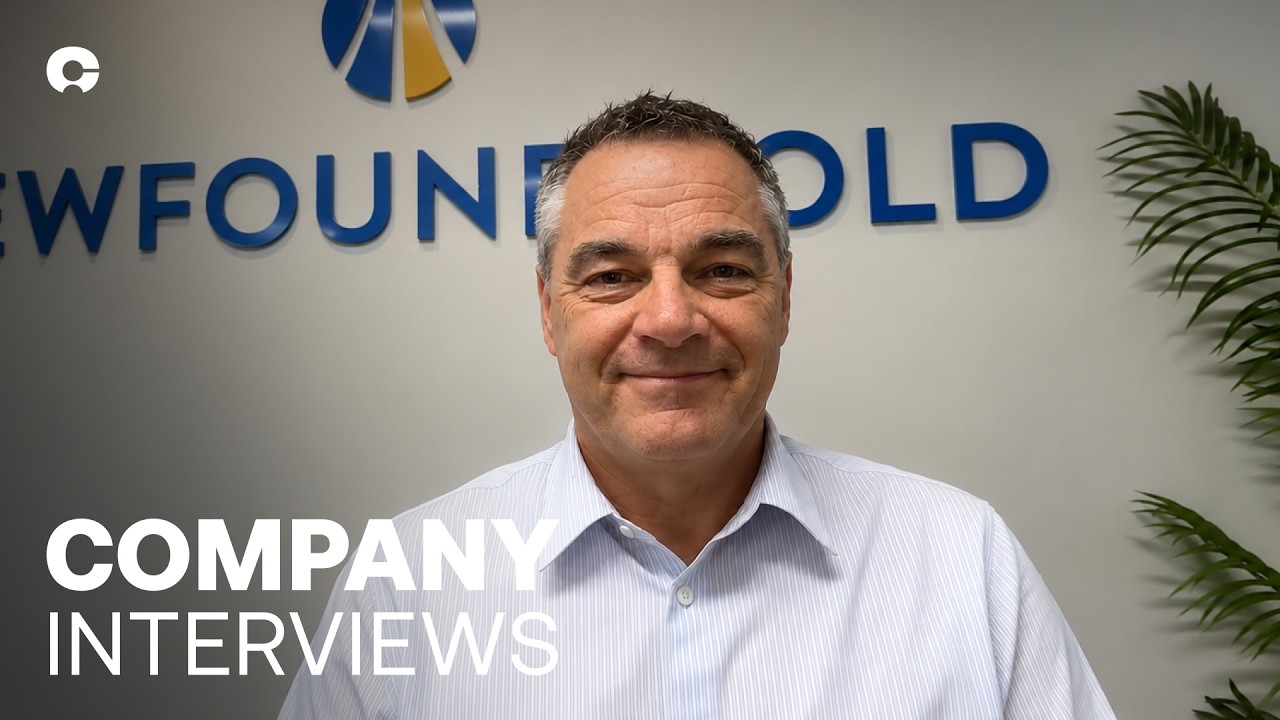


New Gold Inc.
NYSE: CLOSED
TSE: CLOSED
LSE: CLOSED
HKE: CLOSED
NSE: CLOSED
BM&F: CLOSED
ASX: CLOSED
FWB: CLOSED
MOEX: CLOSED
JSE: CLOSED
DIFX: CLOSED
SSE: CLOSED
NZSX: CLOSED
TSX: CLOSED
SGX: CLOSED
NYSE: CLOSED
TSE: CLOSED
LSE: CLOSED
HKE: CLOSED
NSE: CLOSED
BM&F: CLOSED
ASX: CLOSED
FWB: CLOSED
MOEX: CLOSED
JSE: CLOSED
DIFX: CLOSED
SSE: CLOSED
NZSX: CLOSED
TSX: CLOSED
SGX: CLOSED

By Metal or Resource

By Project Stage
By Exchange
By Geography
By Investment Theme


New Found Gold

Crux Investor Index
7
–
Market Cap (USD)
385200000
Symbol
TSX:NFGC
NYSEAmerican:NFGC
Stage of development
Production
Primary COMMODITY
Gold
Additional commodities
Company Overview
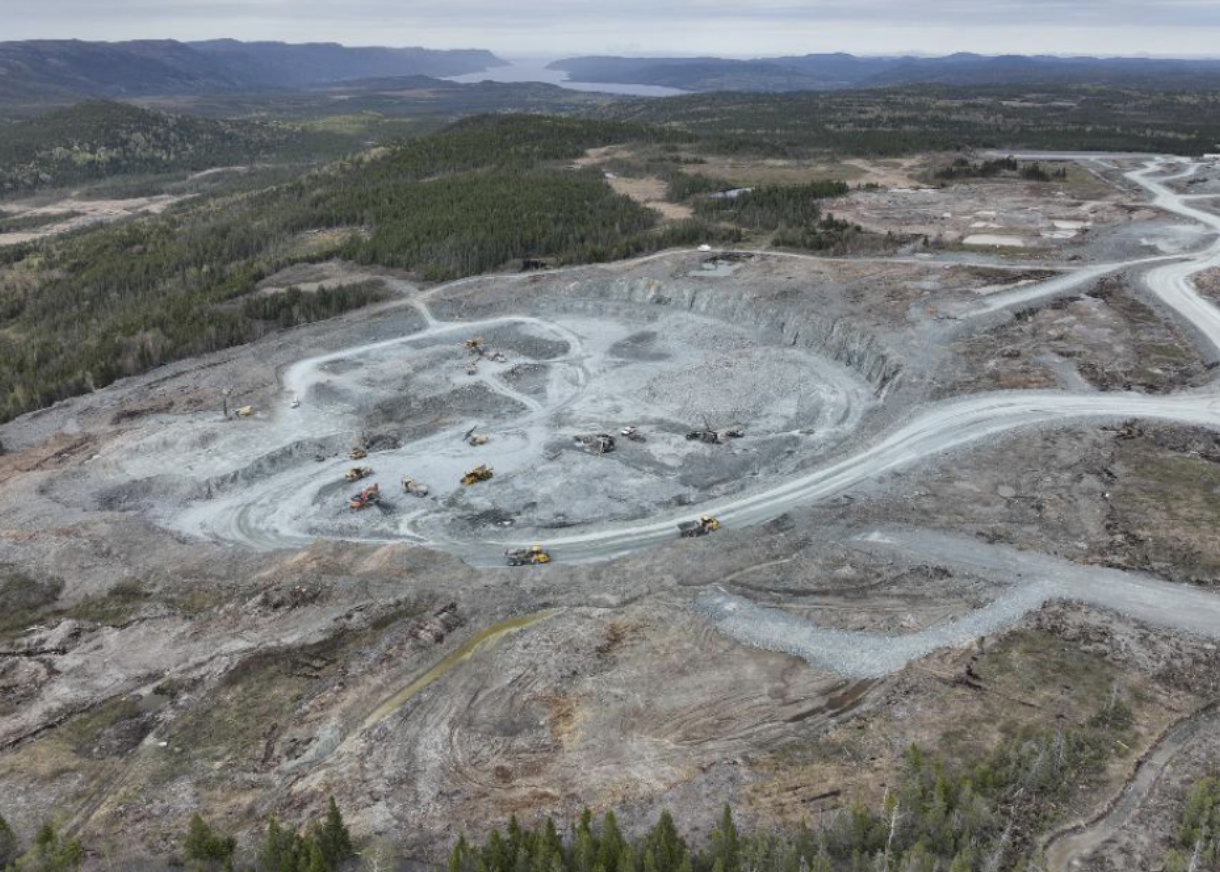
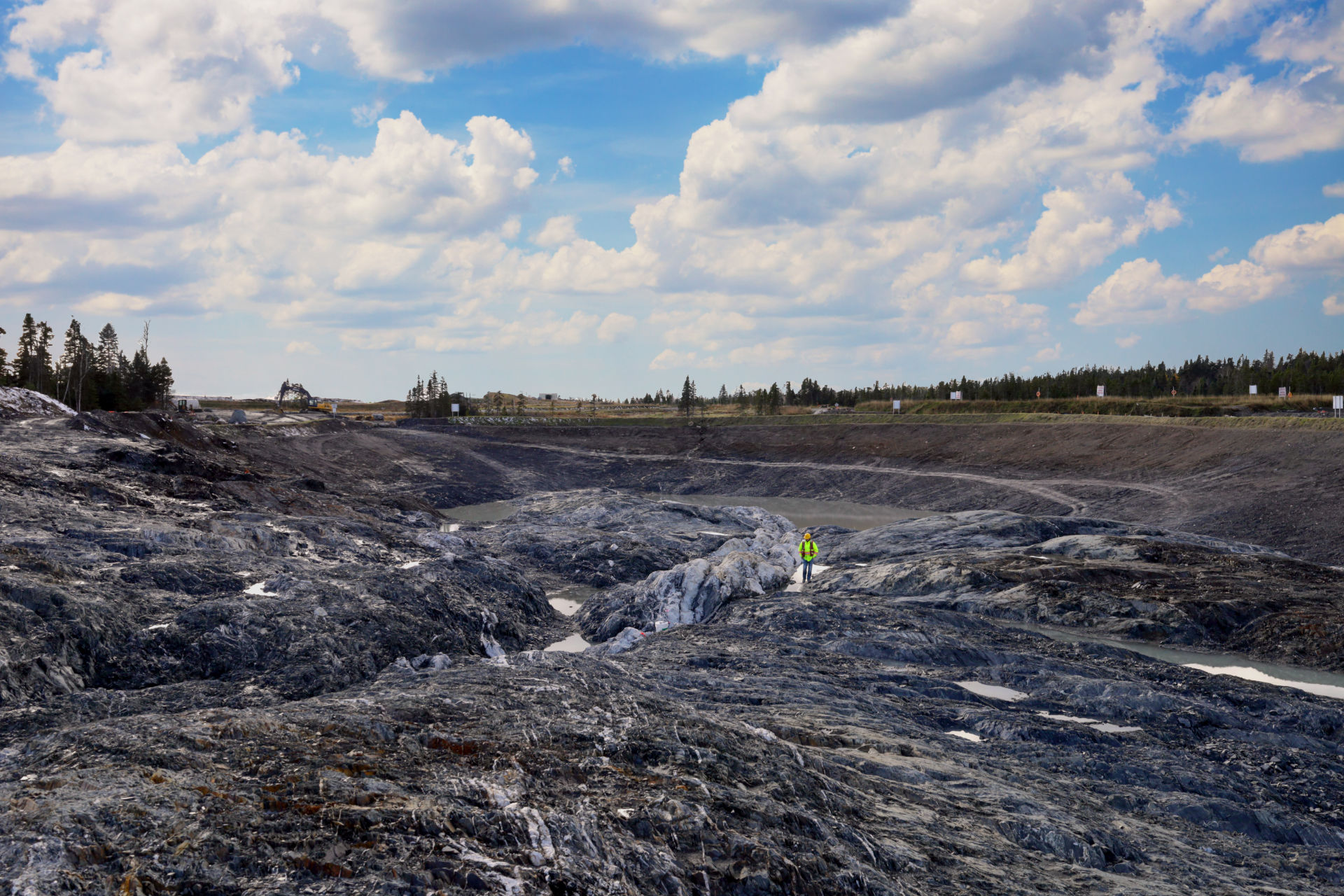
New Found Gold Corp. (TSX: NFGC | NYSE American: NFGC) is an emerging Canadian gold producer with assets in Newfoundland and Labrador, Canada. The company holds 100% interests in the Hammerdown Gold Mine, which declared commercial production on August 19, 2026, and the flagship Queensway Gold Project, located along the Trans-Canada Highway about 15 kilometers west of Gander. The company processes hammerdown ore at its Pine Cove Mill. Queensway's land package covers more than 110 kilometers of strike across 2 fault zones.
The company says it aims to become Canada's next mid-tier gold producer. Shares began trading on the Toronto Stock Exchange on August 26, 2026, alongside the NYSE American listing. Eric Sprott holds approximately 19% of the company, and the stock is included in the VanEck Junior Gold Miners ETF and covered by 5 brokerage analysts.
As at August 14, 2026, the company had 385.7 million basic shares outstanding and 411.2 million fully diluted shares. At C$2.37 per share, the market capitalization was approximately C$914 million. Cash and cash equivalents were approximately C$167 million at September 30, 2026, against debt of C$70 million.
Opportunity
The investment case rests on a producing mine funding the development of a high-grade project that starts at surface. The revised Preliminary Economic Assessment (PEA) for Queensway, released on October 22, 2026, returned an after-tax net present value at a 5% discount rate (NPV5%) of C$1.728 billion and an internal rate of return (IRR) of 126% at a base case gold price of US$3,600 per ounce, rising to C$2.225 billion and 164% at US$4,100 per ounce. The PEA outlines 1.744 million ounces of gold produced over a 15-year mine life, averaging 116,000 ounces per year, at a life-of-mine cash cost of US$985 per ounce and all-in sustaining costs (AISC) of US$1,375 per ounce. The PEA shows the C$149.8 million initial capital paid back in less than 1 year.
The updated mineral resource estimate (MRE), with an effective date of July 6, 2026, reports Measured and Indicated resources of 1.920 million ounces of gold (27.3 million tonnes at 2.19 g/t gold), a 38% increase of 528,000 ounces, driven in part by the addition of the Dropkick Zone. Inferred resources remain at 606,000 ounces (12.5 million tonnes at 1.51 g/t gold). Of Phase 1 ounces, 97% are in the Measured and Indicated categories.
Hammerdown shows the operating base the company intends to carry into Queensway. The company declared commercial production after Pine Cove met 3 criteria over 60 consecutive days: throughput of at least 600 tonnes per day (tpd), gold recovery of at least 80%, and feed grade of at least 80% of the mine plan head grade. The mill averaged approximately 748 tpd, 87.7% recovery, and 2.92 g/t gold.
Management
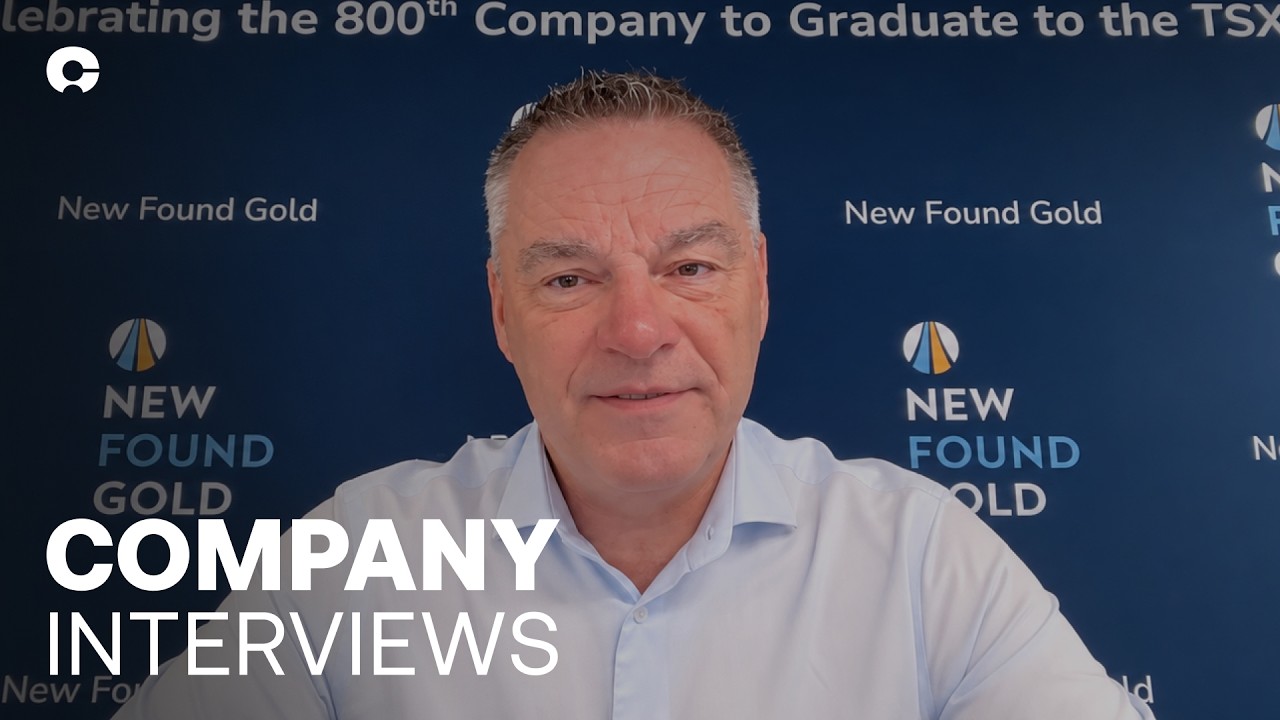
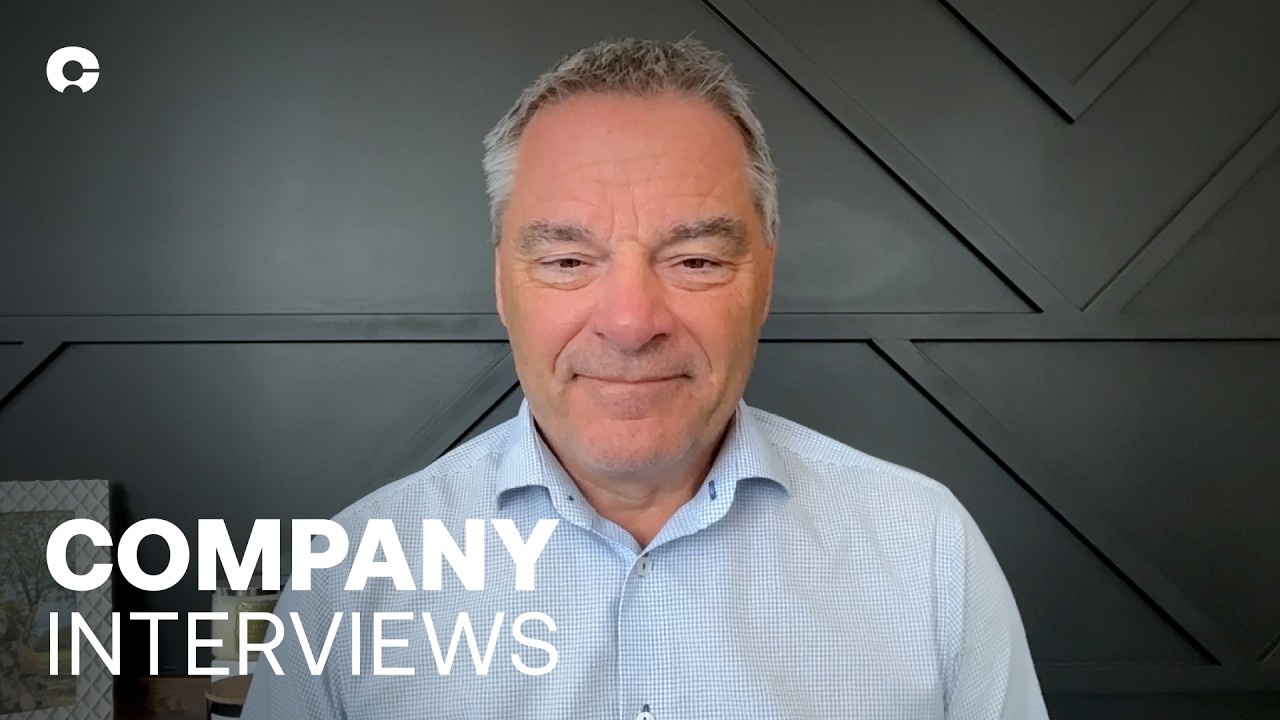
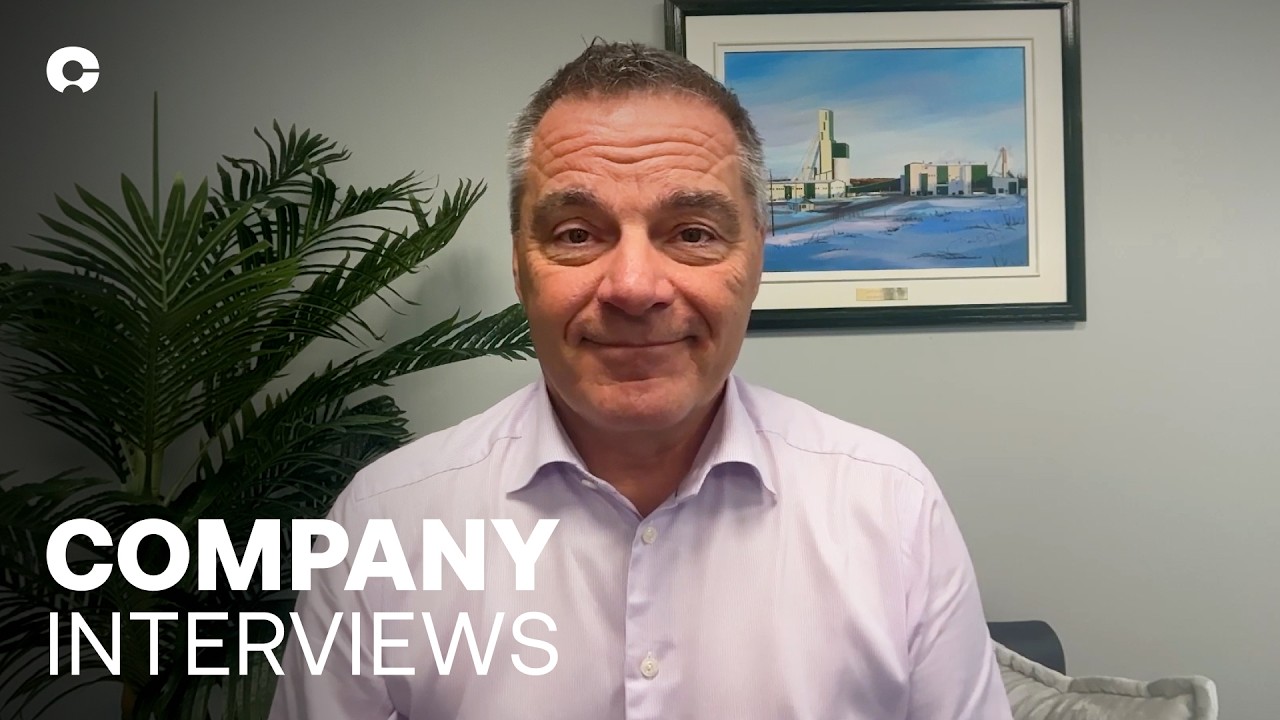
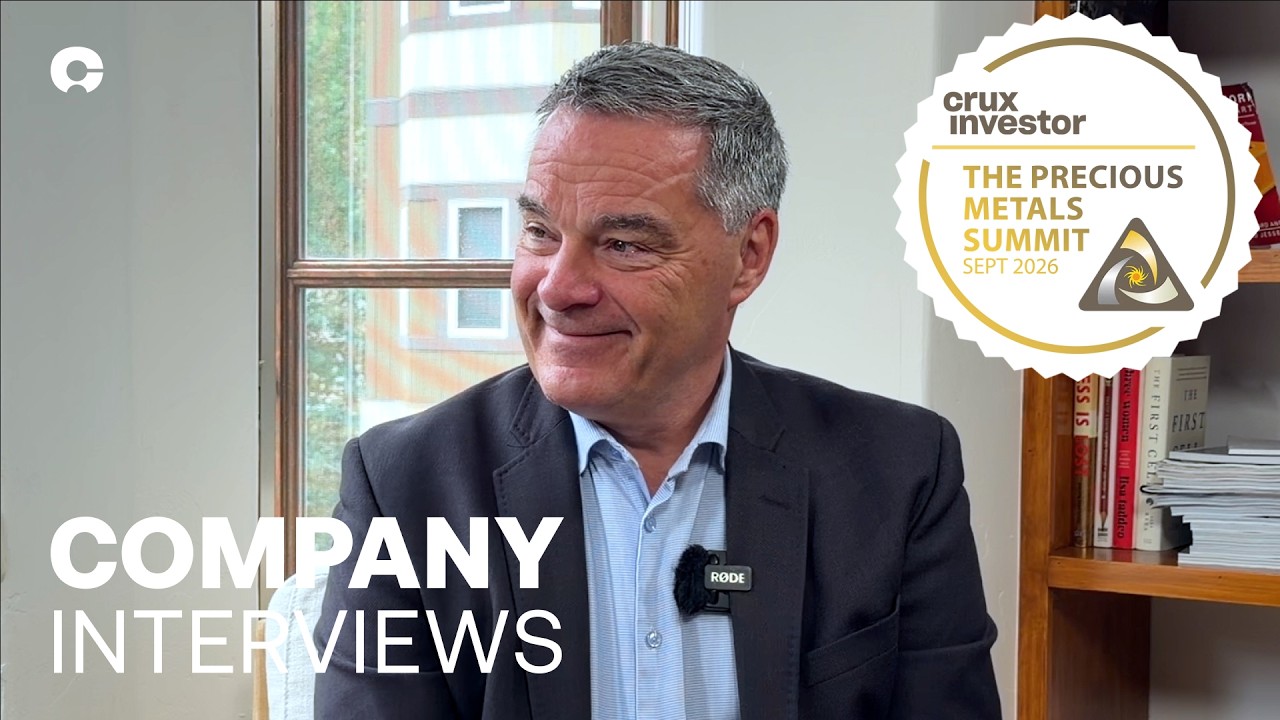
Chief Executive Officer Keith Boyle, P.Eng., leads a team that includes President Melissa Render, P.Geo., Chief Financial Officer Hashim Ahmed, and Chief Operating Officer Robert Assabgui. Fiona Childe is Vice President, Communications & Corporate Development, Jelena Novikov Fried is General Counsel & Corporate Secretary, and Jared Saunders is Vice President, Sustainability. The company describes its new board and management team, put in place between the fourth quarter of 2024 and the fourth quarter of 2025, as having a solid track record of successful mine development and operation. The board comprises Chair Paul Andre Huet, Lead Director Tamara Brown, Chad Williams, Allen Palmiere, Andrew Furey, and Keith Boyle, and Brown, Williams, Palmiere, and Furey are independent directors.
Management's stated objective since day one has been to advance Queensway to cash flow, and management reports building an operations team in central Newfoundland in under a year. As of July 15, 2026, the Hammerdown and Pine Cove workforce totaled 445 people, all key positions are filled, and the operation recorded zero lost time incidents over more than 262,049 person-hours worked in 2026.
Growth Strategy
Queensway is planned as a 3-phase operation: a conventional open pit mine complemented by high-grade underground cut-and-fill mining, with in-pit tailings deposition. In Phase 1, open pit material from the Keats and Iceberg deposits is planned to be trucked 275 kilometers to Pine Cove and milled at 700 tpd beginning in the fourth quarter of 2027, until the end of 2030. From 2031, Phase 2 moves processing to a new on-site Queensway Mill at 4,900 tpd, and Phase 3 expands the mill to 7,000 tpd. The company is targeting funding of the C$645.8 million Phase 2 growth capital, which covers the 4,900 tpd Queensway Mill, from Phase 1 cash flows, and the C$186.3 million Phase 3 growth capital, which covers the expansion to 7,000 tpd, from Phase 2 cash flows, at an average gold price of US$3,600 per ounce.
At Hammerdown, a permanent crusher and sorter is targeted for substantial completion in the fourth quarter of 2026 to reduce crushing costs and deliver higher-grade material to the mill. Pine Cove is to be converted from a 700 tpd circuit to a 1,400 tpd gravity-carbon-in-leach (Gravity-CIL) circuit, with the conversion permit received and completion anticipated in the fourth quarter of 2027. The company is targeting a run rate of 20,000 to 25,000 ounces of gold per year at AISC of approximately US$2,500 per ounce and plans to provide annual guidance in due course.
The 2026 drill program is 90,000 meters, split 55% PEA conversion and 45% exploration, with a budget of C$44 million. Permitting sets the pace for construction: the Environmental Preview Report (EPR) is targeted for submission in the fourth quarter of 2026, contractors are to mobilize in the first quarter of 2027, and mining begins in the third quarter of 2027 to build a stockpile for delivery to Pine Cove.
Financial Overview
Preliminary third quarter 2026 results show Hammerdown producing 4,863 ounces of gold and selling 6,035 ounces at an average realized price of US$4,310 per ounce (C$6,033 per ounce), with an average gold recovery of 85%. The mine processed 66,000 tonnes at an average grade of 2.76 g/t gold, at a strip ratio of 12.40 waste to ore. Year-to-date through September 30, 2026, production was 10,670 ounces, and sales were 10,879 ounces at an average realized price of US$4,445 per ounce. The Hammerdown PEA estimates life-of-mine cash costs of US$2,149 per ounce and AISC of US$2,429 per ounce, and an after-tax NPV5% of C$199.2 million at the base case price.
Cash and cash equivalents were approximately C$167 million as of September 30, 2026, down from C$194 million as of June 30, 2026, while debt was unchanged at C$70 million. A further C$35 million debt facility is available until May 15, 2027, subject to conditions precedent. The company states it is fully funded for Queensway's initial capital of C$149.8 million.
Risk Factors and Mitigation
- Commodity Price Volatility: Queensway's economics are sensitive to the gold price. At US$3,100 per ounce, the PEA's after-tax NPV5% falls to C$1,230 million and the IRR to 87%, against C$1.728 billion and 126% at the US$3,600 base case. Hammerdown's third-quarter realized price of US$4,310 per ounce sits well above the AISC of approximately US$2,500 per ounce that the company is targeting.
- Regulatory & Permitting Risks: Queensway Phase 1 remains in the provincial environmental assessment process, and an EPR is required, with submission targeted for the fourth quarter of 2026 and a decision within 45 days of submission, with a possible 14-day extension. Provincial and federal permits and a Surface and Mining Lease are to follow through mid-2027, and mining in the third quarter of 2027 is subject to receipt of all required permits. The current environmental assessment covers only the Keats, Iceberg, Dome and Jackpot open pits, so future pits, underground works and expansions will need their own approvals. The Pine Cove Mill is already permitted, and the conversion permit to Gravity-CIL has been received.
- Technical & Operational Risks: The Queensway PEA is preliminary, includes Inferred resources that are too speculative to be categorized as reserves, and defines no Mineral Reserves. About 19% of life-of-mine ounces are Inferred, and the company is drilling to convert them. At Hammerdown, third-quarter and year-to-date grades of 2.76 g/t gold and 2.15 g/t gold compare with the PEA average mill feed head grade of 2.89 g/t gold. The crusher and sorter are targeted to deliver higher-grade material to the mill, and grade control drilling is being modeled for use in refining grade control practices.
- Environmental & Social Risks: Queensway sits near Appleton, Glenwood and Gander. The conceptual design includes a 10-meter-high sound attenuation berm toward nearby receptors in Appleton, a water management system, and in-pit tailings storage that avoids an above-ground tailings facility. The company plans to continue engagement with local communities, Indigenous groups and government agencies, and is targeting 530 new jobs in central Newfoundland over the life of mine.
- Financing Risk: Queensway's growth capital of C$832.1 million and sustaining capital of C$970.8 million are large relative to cash of approximately C$167 million. The additional C$35 million facility carries conditions precedent and expires on May 15, 2027; Phase 2 growth capital depends on Phase 1 cash flows; and Phase 3 growth capital depends on Phase 2 cash flows, at the stated gold price. The company reports an after-tax payback of less than 1 year at US$3,600 per ounce.
- Execution Risk: The plan depends on clearing the EPR, mobilizing contractors in the first quarter of 2027, starting early works in the second quarter of 2027, and completing the Pine Cove conversion in the fourth quarter of 2027. Management reports the conversion is progressing on schedule and on budget, and the team has moved Hammerdown from ramp-up to commercial production, but any delay at these steps would push back delivery of first mineralized material to the expanded Pine Cove mill, which the company is targeting for the fourth quarter of 2027.
Conclusion
New Found Gold offers exposure to a newly producing Canadian gold mine and a fully funded, high-grade flagship project with a revised PEA showing an after-tax NPV5% of C$1.728 billion and a Measured and Indicated resource that grew 38%. The Pine Cove Mill links the 2 assets, with Queensway Phase 1 material planned to feed the mill beginning in the fourth quarter of 2027.
The main uncertainties are whether Hammerdown's grades move toward the PEA head grade, whether the EPR and remaining permits arrive on time, and whether cash flows fund the later growth capital. Key milestones to track are the third-quarter results on November 11, 2026, Hammerdown's annual guidance, the EPR submission, and the completion of the crusher and sorter in the fourth quarter of 2026.
Meet the Team

Paul Huet
Chairman
Paul Huet was appointed Chair of New Found Gold in 2024 and is currently CEO of Americas Gold and Silver. He previously led Karora Resources as Chairman and CEO from 2019 to 2024, overseeing its $1.3 billion sale to Westgold Resources, and earlier served as President and CEO of Klondex Mines, which was acquired by Hecla Mining for $700 million.
An engineer by training, Huet has operated across the full mining value chain - from technical and operational roles to capital markets leadership. He is a graduate of the Haileybury School of Mines and completed the Stanford Executive Program
Read more
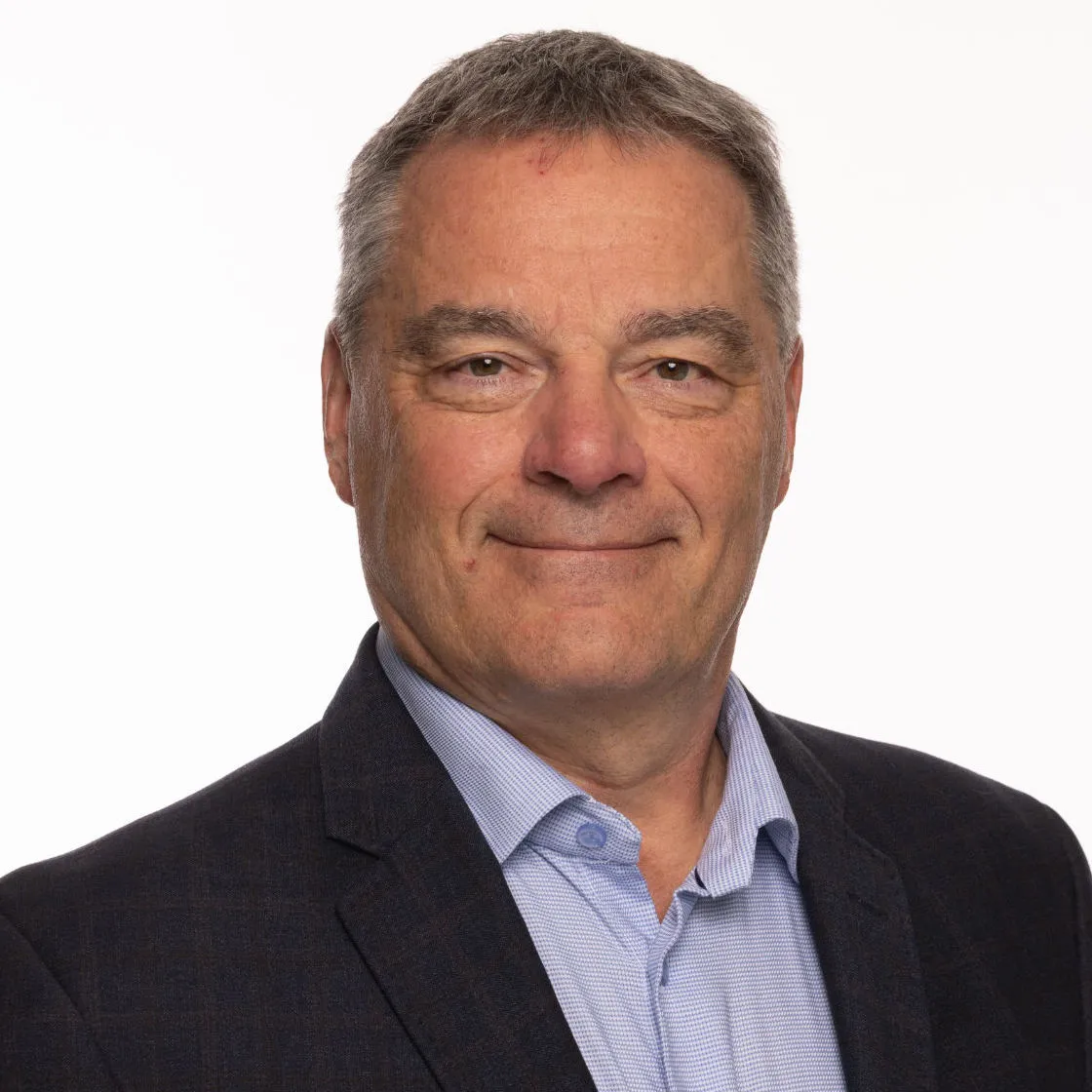
Keith Boyle
CEO
Keith Boyle was appointed Chief Executive Officer of New Found Gold in January 2025, bringing 40 years of mining experience, including 17 years in senior operating roles across precious and base metals. He has led both open-pit and underground operations in North America, Australia and Africa.
Previously, as Chief Operating Officer of Reunion Gold, he accelerated development of the high-grade Oko West Project in Guyana through technical studies and project advancement, culminating in its $870M acquisition by G Mining Ventures. Mr. Boyle’s background spans project development, operational optimisation, cost control and stakeholder management. He holds a BSc in Mining Engineering and an MBA from the University of Alberta and is a registered professional engineer in Ontario and Newfoundland & Labrador.
Read more

Melissa Render
President
Melissa Render is a career exploration geologist with more than 18 years’ experience focused on orogenic gold systems. She joined New Found Gold as a consultant in 2020, was appointed Vice President, Exploration in 2021, and became President in 2024; reflecting her central role in advancing the company’s exploration strategy through successive growth phases. Her technical expertise spans target generation, 3D geological modelling, data integration and program design, disciplines that underpin systematic resource expansion and capital-efficient drilling.
Render has managed projects from grassroots discovery to advanced-stage delineation across major greenstone belts, including the Abitibi, Eastern Goldfields, Hope Bay, Central Lapland and Banfora. Her prior roles with Kinross Gold, AngloGold Ashanti, TMAC Resources and other gold-focused operators provide operational and discovery experience within tier-one jurisdictions. She holds a BSc in Geological and Earth Sciences from Dalhousie University and maintains a P.Geo. designation in Ontario and Newfoundland and Labrador.
Read more
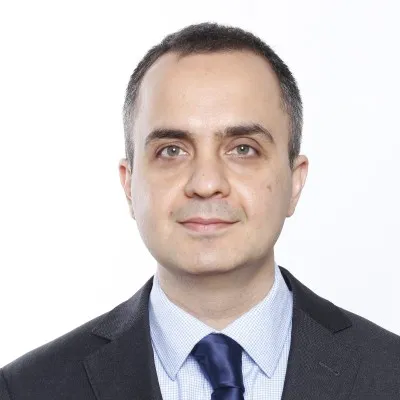
Hashim Ahmed
CFO
Mr. Ahmed brings over 25 years’ experience across financial management, capital markets and corporate strategy, with a track record in restructuring and disciplined capital allocation. He has held senior finance roles across the mining sector, most recently serving as Executive Vice President & CFO at Mandalay Resources prior to its acquisition by Alkane Resources. He previously held CFO roles at Nova Royalty and Jaguar Mining, and spent seven years at Barrick Gold in progressively senior finance positions, including site-level roles in South America. Mr. Ahmed began his career with PwC and Ernst & Young, earning his CA/CPA designation.
Read more
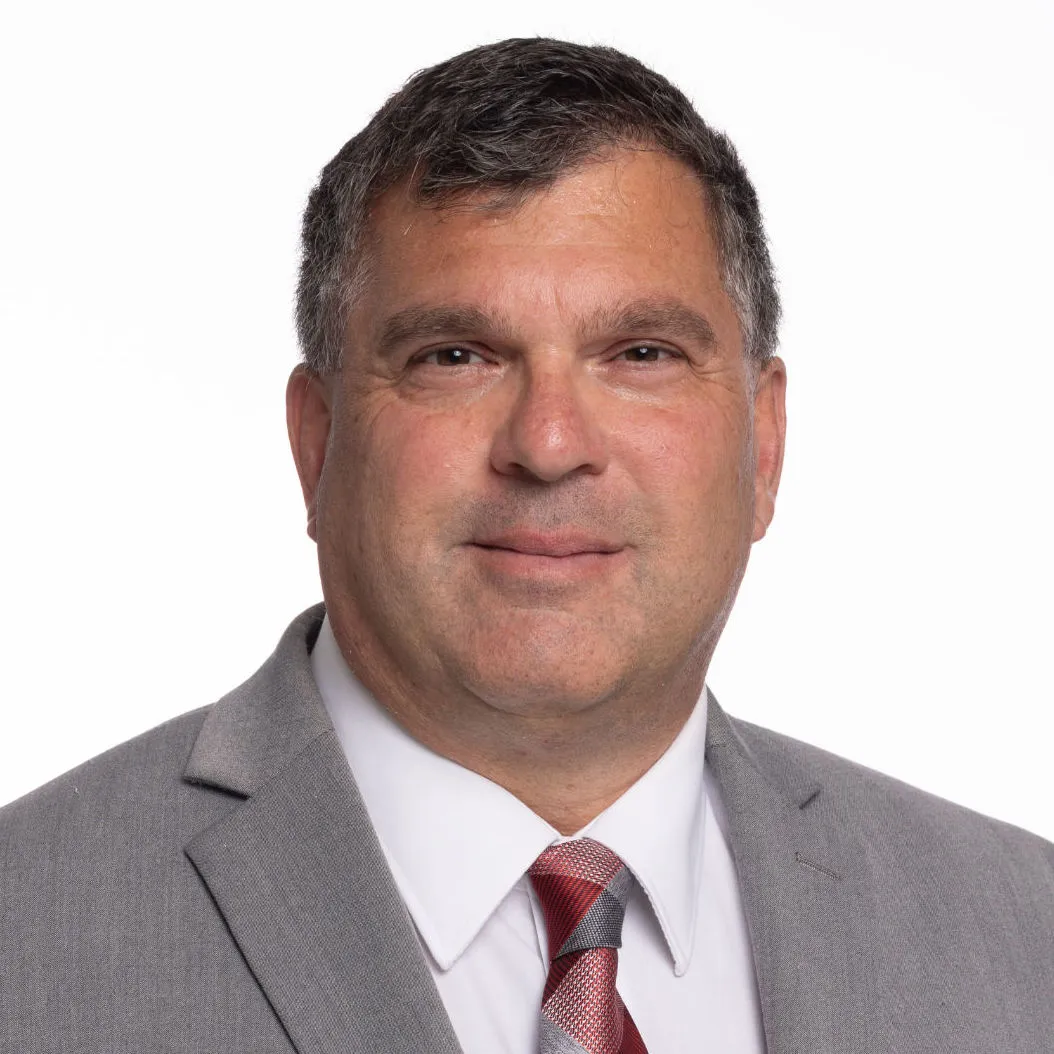
Robert Assabgui
COO
Mr. Assabgui is a senior mining executive with deep experience in engineering, project delivery and operations management. He joined New Found Gold in 2025 as Study Manager, bringing a track record of leading complex assets through transition and growth.
He began his career at Inco (later Vale Canada), rising to Director of Mines with accountability for six operations, a concentrator and technical services. At Hudbay Minerals, he served as Vice President of Technical Services and later led the Manitoba Business Unit, overseeing the transition of Snow Lake into a primary gold producer through the refurbishment and restart of the New Britannia Gold Mill and the closure of Flin Flon. Most recently, he was Study Manager at Reunion Gold’s Oko West Project prior to its acquisition by G Mining Ventures. He holds a Mining and Mineral Engineering degree from McGill University.
Read more
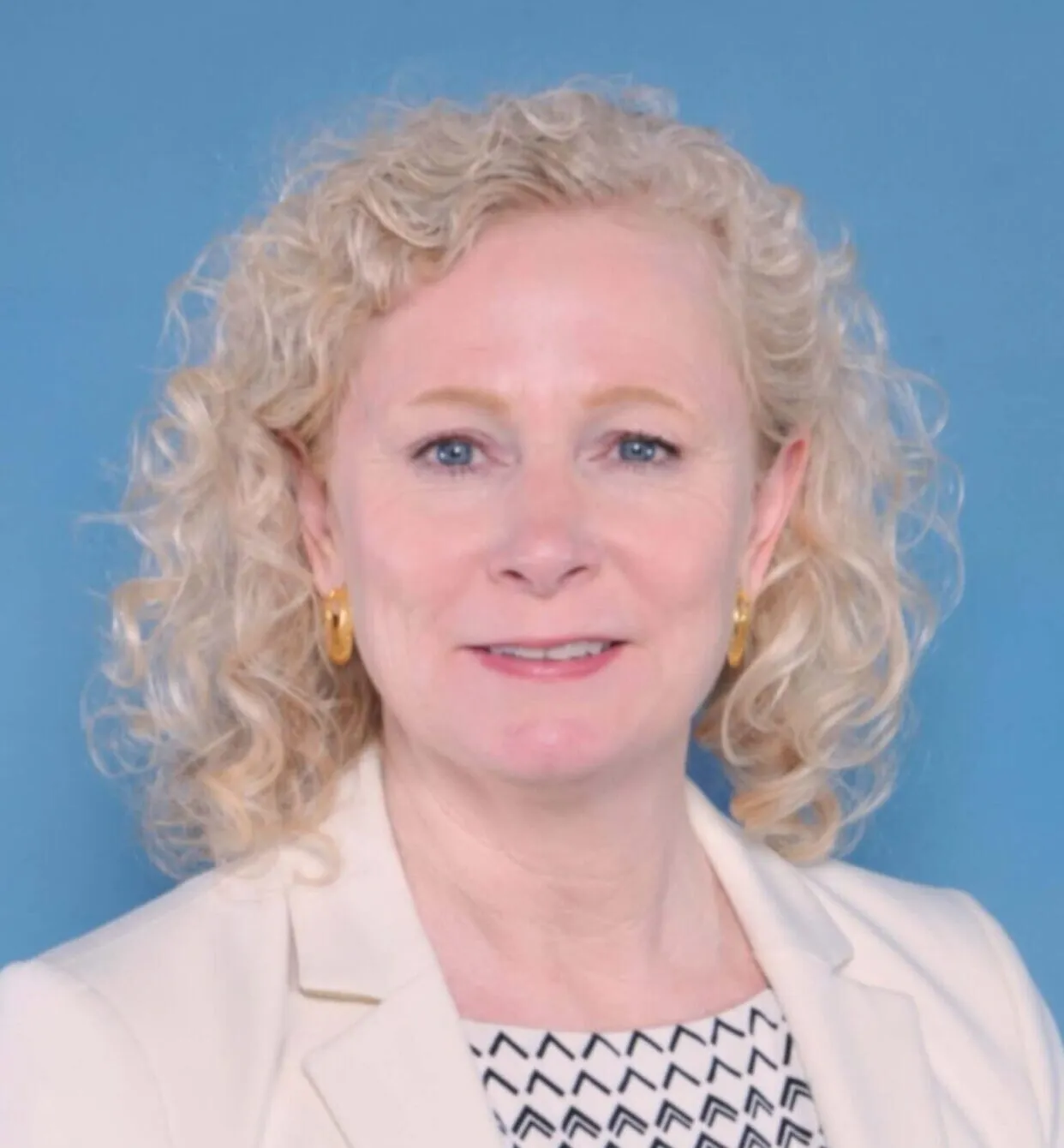
Fiona Childe
Vice President, Communications & Corporate Development
Fiona Childe serves as Vice President, Communications and Corporate Development at New Found Gold, bringing more than 25 years of mining industry experience spanning exploration, capital markets and corporate strategy. Trained as an exploration geologist, she combines technical depth with capital markets expertise — a skillset directly aligned with advancing a high-profile gold discovery within institutional markets. Her career has focused primarily on gold projects across Canada and internationally, positioning her at the intersection of technical delivery and shareholder value creation.
Dr. Childe has advised and held senior roles with Canadian-listed exploration and development companies, most recently consulting to Mineros S.A. through its successful Toronto Stock Exchange IPO. She previously led corporate communications at Tau Capital Corp. during the acquisition of AfriOre Limited by Lonmin plc, supporting complex transaction execution and stakeholder alignment. She holds a Ph.D. in Geology from the University of British Columbia’s Mineral Deposit Research Unit and maintains a P.Geo. (Ontario) designation.
Read more

Jared Saunders
Vice President, Sustainability
Jared Saunders was appointed Vice President, Sustainability in 2026, following his tenure as Director of Environment & Regulatory Affairs, where he led environmental permitting, compliance, baseline studies and regulatory strategy. With more than 20 years’ experience in environmental sciences and chemistry, he brings operational and regulatory depth at a time when permitting timelines and ESG performance are critical investment variables. His early career in the Canadian Military underpins a disciplined, risk-focused approach that has carried through senior roles in consulting and mining operations.
As a Senior Environmental Scientist at Stantec, Saunders led environmental risk assessments and contaminated site management projects, before returning to Newfoundland and Labrador to manage environmental departments at Vale’s Long Harbour and Voisey’s Bay operations. His experience spans project development through to operating assets, with a focus on regulatory certainty, stakeholder engagement and Indigenous relations. He holds a Ph.D. in Environmental Sciences from the Royal Military College of Canada and serves on the Board of Directors of Mining Industry NL as Director - Exploration.
Read more
Article
New Found Gold Analyst Notes

No analyst notes
Company Resources
Submitted by or sourced from
New Found Gold
Charts
Similar Companies





Stay Informed
Sign up for our FREE Monthly Newsletter, used by +45,000 investors
By clicking send you'll receive occasional emails from Crux Investor. You always have the choice to unsubscribe within every email you receive.

