




17 US Business Leaders Meet Xi as Investors Await Binding Trade Commitments


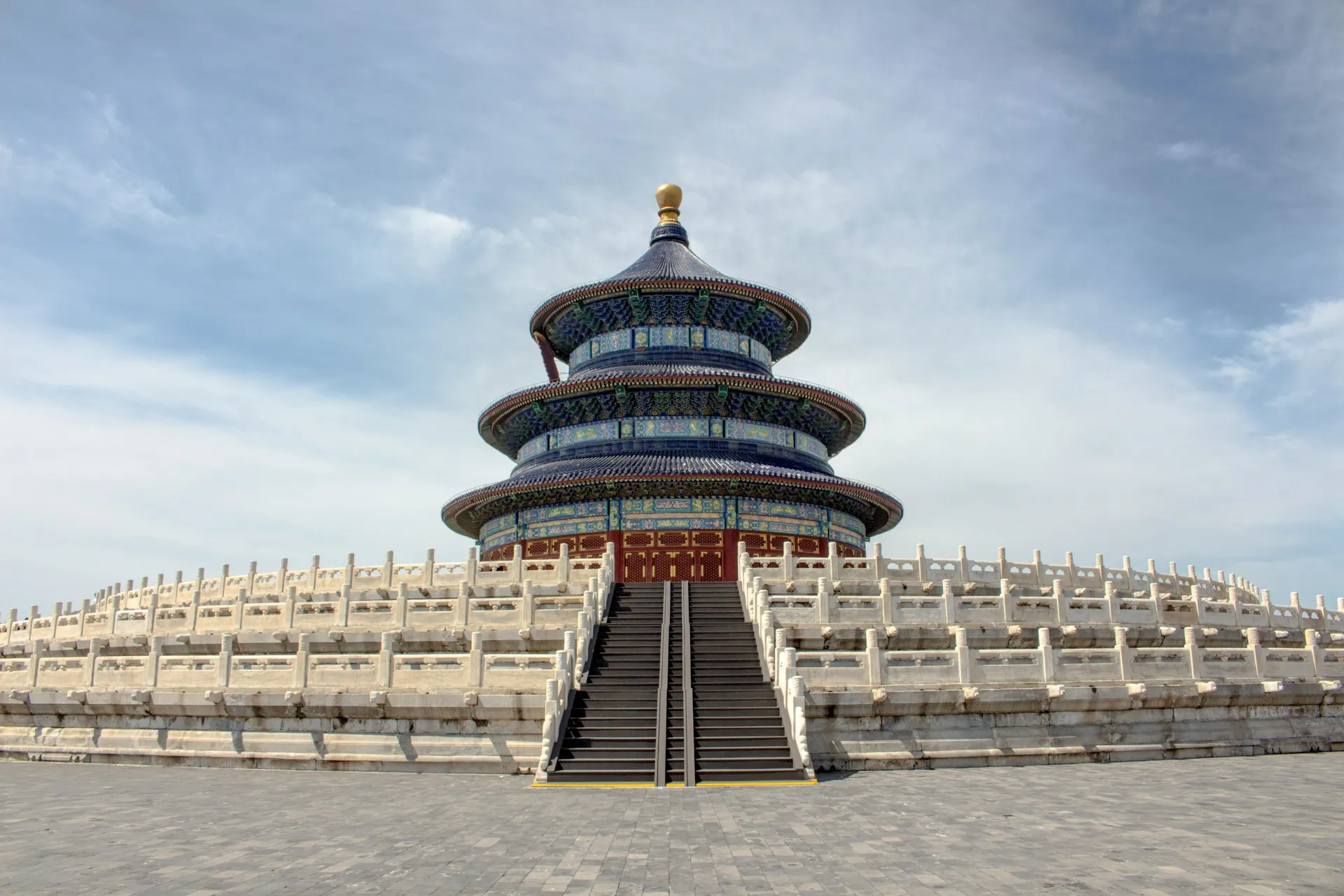
US business leaders including Nvidia and Tesla CEOs met Xi Jinping in Beijing. Stabilization depends on Xi's September White House visit and Q3 trade commitments.
- US business leaders including Nvidia CEO Jensen Huang, Tesla CEO Elon Musk, and Meta executives met Chinese President Xi Jinping at Beijing's Great Hall of the People, following red-carpet ceremony at Tiananmen Square, marking highest-level corporate engagement since tariff escalation began.
- Xi positioned executives as "stabilising force" and Washington intermediary per unnamed senior American business leader quoted in summit coverage, while promising China's door to business "will only open wider and wider" according to Financial Times.
- Diplomatic follow-through requires Xi accepting Trump's September 24, 2026 White House invitation and finalized purchase agreements for US oil, agricultural products, and aerospace; absence of either by Q3 2026 invalidates stabilization thesis.
- Companies earning more than 20% of revenue from either the US or China face risk if either government suddenly restricts trade, as regulatory changes occur without warning.
- Xi declining September 24, 2026 White House visit or absence of signed purchase commitments with delivery timelines by end of Q3 2026 signals return to decoupling and sustained multiple compression for dual-exposed sectors.
Summit Creates Corporate Back-Channel Bypassing Formal Diplomatic Negotiations
Seventeen US executives, including leaders from Nvidia, Tesla, Meta, Mastercard, and Visa met Chinese President Xi Jinping at Beijing's Great Hall of the People, following red-carpet arrival at Tiananmen Square, according to summit coverage. The venue selection, China's highest ceremonial space for foreign dignitaries, may signal Beijing's intent to restore business dialogue after months of tariff escalation.
Xi framed the visiting executives as a "stabilising force" and vital intermediary with Washington, according to The Financial Times. Corporate leaders now carry dual mandates as profit-maximizers and geopolitical liaisons, increasing reputational risk if either government interprets commercial decisions as political signaling contrary to national interest.
Xi Targets Institutional Capital Flight With Regulatory Predictability Commitment
Xi promised that China's door to business "will only open wider and wider", directly addressing institutional investor anxiety over China's slowing GDP growth and new supply chain regulations. Maintaining communication reduces the probability of abrupt institutional market exit that forces fire-sale asset liquidation, even without concrete policy reversals.
Executives noted all market access would remain "on China's terms" per summit accounts, meaning Beijing retains unilateral authority over sectoral entry permissions, foreign ownership caps, and data localization mandates. US firms cannot control when regulations apply or how broadly, creating a constraint where improved dialogue does not eliminate the risk of retroactive compliance requirements.
Taiwan and Iran Responses Reveal Boundary Where Commercial Leverage Fails
Xi stated that mishandling Taiwan would cause the US and China to collide or clash, emphasizing that Taiwan independence and cross-Strait peace cannot coexist. President Trump did not publicly respond per summit coverage, preventing corporate boards from determining whether executive presence signals US policy flexibility on Taiwan or merely tactical engagement.
Trump sought Xi's assistance to broker an end to the Iran conflict, leveraging Tehran's economic dependence on Chinese markets. China agreed on keeping the Strait of Hormuz open and preventing Iranian nuclear weapons development, but Beijing's official statements indicated both sides exchanged views with no commitment to active mediation, according to summit communiqués.
Nvidia and Tesla Exposures Quantify Dual-Jurisdiction Regulatory Risk
Nvidia CEO Jensen Huang joined the delegation last-minute to lobby the White House to reconsider strict export limits on H200 AI chips. Huang faces simultaneous regulatory pressure from Washington export controls and potential Beijing market access restrictions in retaliation. Prolonged restrictions reduce Nvidia's addressable China market revenue while incentivizing Chinese semiconductor firms to accelerate domestic chip development through subsidized R&D, creating a lag mechanism where short-term US containment policy funds long-term competitive displacement.
Elon Musk led the Department of Government Efficiency until its dissolution in November 2025 per government records, while Tesla operates manufacturing facilities serving the Chinese domestic market. Executives managing operations in both jurisdictions cannot credibly separate commercial strategy from political interpretation by either government, making quarterly earnings guidance dependent on bilateral policy stability that neither executive controls.
Revenue Diversification Outweighs Diplomatic Deadline Trading as Portfolio Strategy
Airlines, energy exporters, and agricultural producers face margin compression if promised Chinese purchases of US oil, agricultural commodities, and aerospace products fail to materialize per anticipated trade agreements. Investors should identify portfolio holdings deriving more than 20% of revenue from China and evaluate whether those firms demonstrated operational flexibility, measured as ability to reallocate production capacity or redistribute inventory to alternative markets within 6-12 months.
Firms with geographic revenue concentration exceeding 30% in either the US or China but lacking secondary manufacturing capacity face structural downside if either government imposes new export restrictions. Investors should not attempt to trade the September 24, 2026 White House visit deadline because Xi's acceptance or rejection will be announced with minimal advance notice and equity markets will reprice the same day.
Xi's September White House Visit and Q3 Purchase Agreements May Determine Stabilization Validity
Two falsification triggers invalidate the stabilization thesis: Xi declining Trump's formal September 24, 2026 White House invitation signals Beijing views the May 14 summit as tactical engagement rather than strategic policy reset; absence of finalized purchase commitments for US oil, agricultural products, and aerospace with signed contracts and delivery timelines by end of Q3 2026 indicates Xi's promises were diplomatic protocol rather than binding commercial agreements.
US Trade Representative formal announcements contain agreement text including purchase volumes, delivery schedules, and payment terms. The verifiable signal is a contract signature, not announcements of additional summit scheduling. If no binding agreements appear by August 2026, equity markets will reprice toward renewed decoupling expectations and dual-exposed sectors will face sustained lower valuations.
Analyst's Notes





Subscribe to Our Channel



Stay Informed


