




Abitibi Metals Secures 80% of B26 Shifting the Value Capture Potential for Investors



Abitibi Metals secures 80% of B26, gaining control over exploration, development, and financing, reshaping value capture and investor upside.
- Abitibi Metals has completed its earn-in to 80% ownership of the B26 polymetallic project 5 years ahead of schedule, shifting from minority participant to operating majority owner.
- Majority ownership gives Abitibi Metals direct control over exploration sequencing, development timelines, and financing negotiations as B26 advances toward future economic assessments.
- B26 totals 25.3 million tonnes, including approximately 775 million pounds of copper and 471,000 ounces of gold, following a 124% resource increase since 2023.
- A fully funded 40,000-metre drill programme in 2026 targets resource expansion, infill drilling, and regional discoveries concurrently.
- Under a joint venture (JV) framework with SOQUEM Inc., which retains a 20% participating interest, Abitibi Metals holds operational control and capital prioritisation authority over B26.
Ownership Structure & Value Capture
By completing its earn-in to 80% ownership 5 years ahead of schedule, Abitibi Metals Corp has shifted from a minority participant to operating majority owner of the B26 polymetallic project, a structural change that determines who sets exploration priorities, controls development timelines, and negotiates financing at the economic study phase. The difference between minority participation and operational control can materially affect long-term value creation, and Abitibi Metals now holds the controlling position.
Prior to the completion of the earn-in, President and Chief Executive Officer Jon Deluce describes the significance of the accelerated timeline:
"We're in the process of exercising our option agreement to earn our full 80%, which we anticipated to be complete over the next month, five years ahead of schedule."
Operational control allows the company to direct exploration sequencing, resource definition drilling, and technical study programmes, the key levers that shape how incremental discoveries translate into future mine economics.
Joint Venture Governance & Operational Authority
The move to majority ownership formally establishes B26 as a joint venture (JV) between Abitibi Metals and SOQUEM Inc., with SOQUEM retaining a 20% participating interest and both parties contributing to governance through a joint management committee. This also provides greater leverage when structuring financing arrangements, including potential strategic partnerships, as the project advances through capital-intensive milestones from exploration drilling through feasibility studies and eventual construction.
Deluce outlines how that authority will be deployed across the 2026 programme:
"You're going to see a balanced approach across resource expansion, infill, regional, and early-stage development work for this year, combined with the exercise of our option agreement at B26."
The JV structure retains collaborative oversight while vesting programme execution and capital prioritisation in Abitibi Metals as the controlling party. This governance arrangement gives the company the operational continuity needed to accelerate development studies when exploration results justify further investment. Control over pacing and sequencing is a material advantage when negotiating with potential financing partners or strategic investors evaluating project entry points.
Jurisdictional Context & Infrastructure at B26
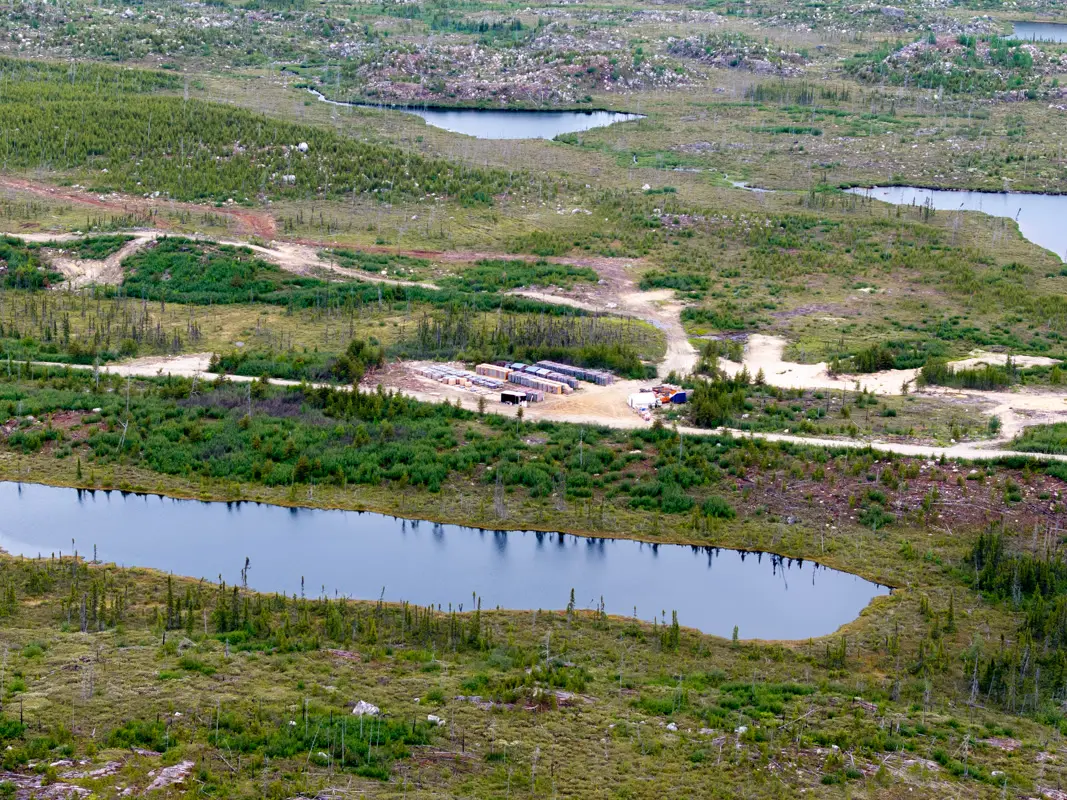
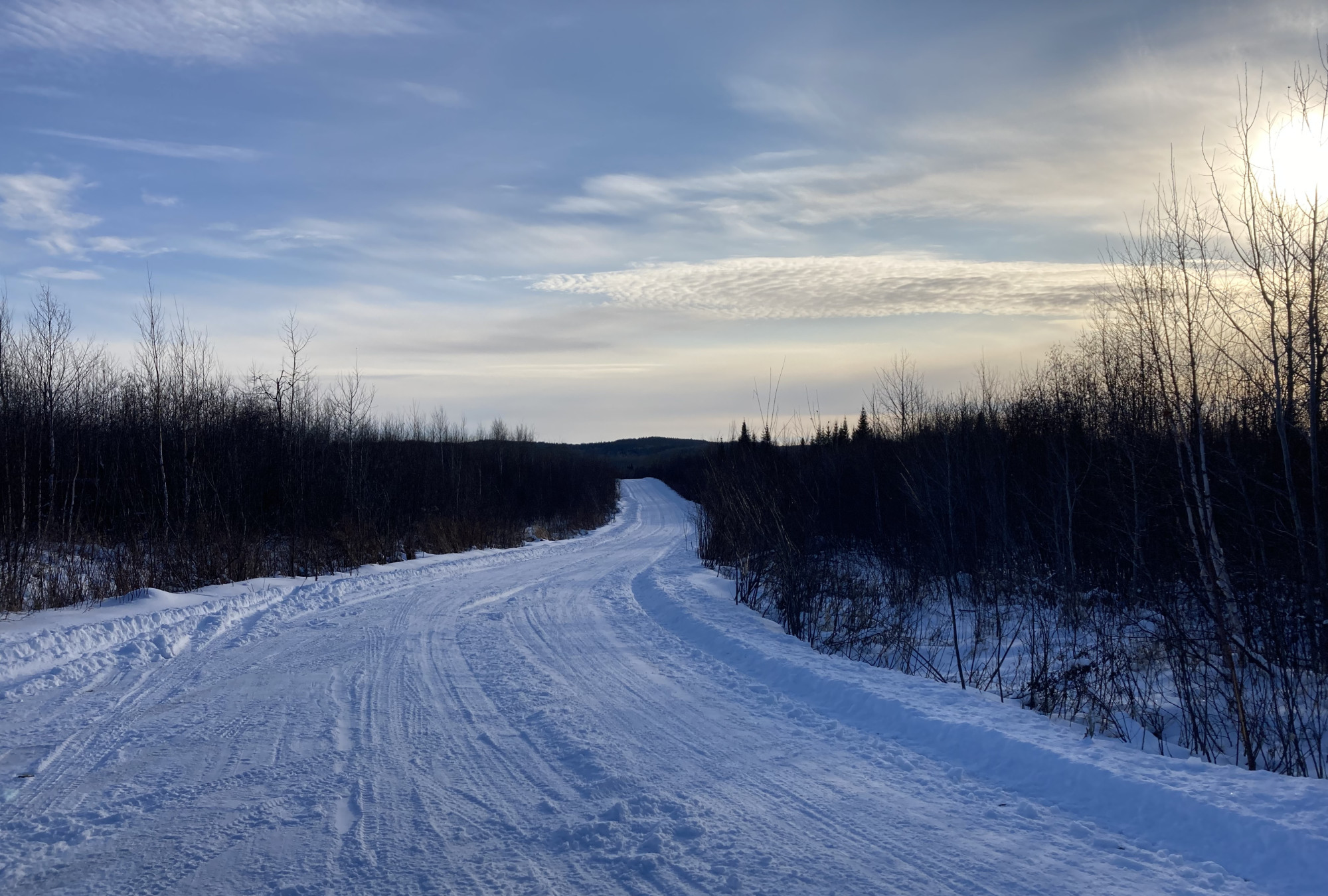
The B26 project is located within the Abitibi Greenstone Belt in Quebec, a jurisdiction that has historically produced more than 200 million ounces of gold and 53 million tonnes of base metals, providing access to a 120-kilovolt (kV) power line and substation, all-season road infrastructure, and an established mining workforce. These site-level advantages reduce development risk relative to more remote regions and carry material weight in investment decisions as projects transition from exploration toward development planning. Operational control enables Abitibi Metals to align technical studies and environmental baseline programmes with Quebec's provincial permitting frameworks, a necessary step toward future economic assessments.
Resource Scale & the 2026 Exploration Programme
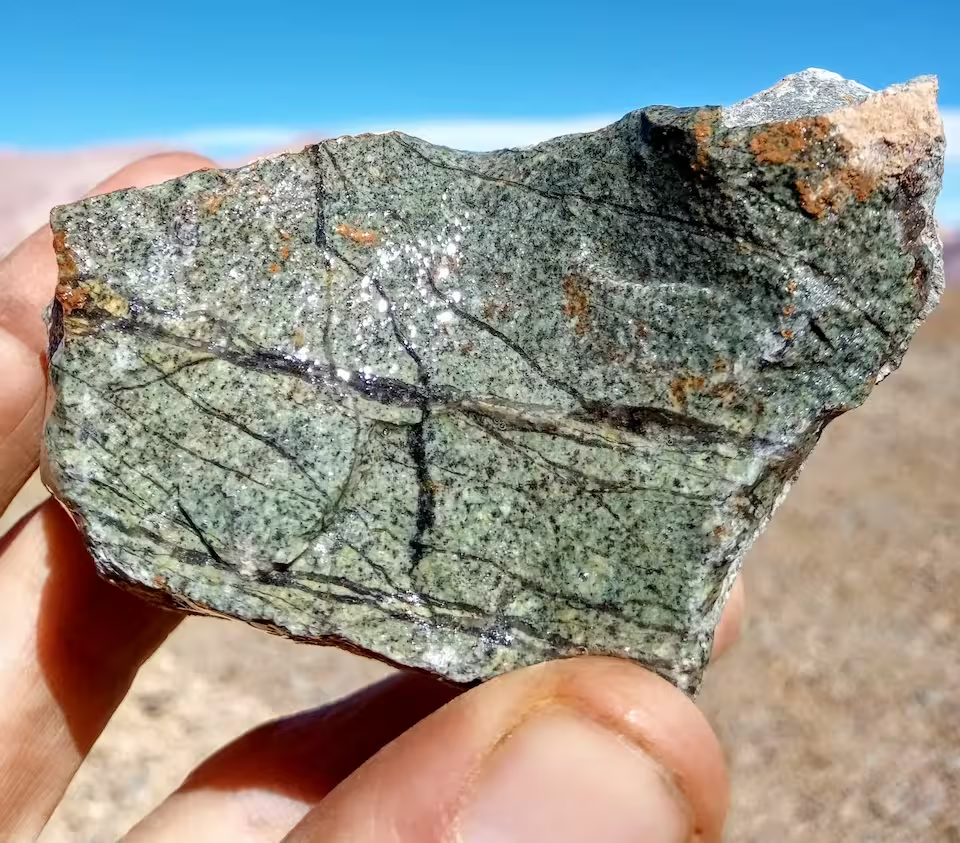
B26 hosts a large-scale volcanic massive sulphide (VMS) system with open mineralisation and a fully funded drill programme designed to test its full extent.
Deposit Scale & Grade Profile
The B26 deposit contains 13 million tonnes of Indicated resources grading 2.1% copper-equivalent and 12.4 million tonnes of Inferred resources grading 2.2% copper-equivalent, totalling 25.3 million tonnes, including approximately 775 million pounds of copper and approximately 471,000 ounces of gold, following a 124% resource increase since 2023. VMS deposits of this scale and grade profile are relatively rare in North America, and mineralisation remains open along both strike length and depth.
The 2026 Drill Programme
Abitibi Metals plans a fully funded 40,000-metre drill programme in 2026, targeting resource expansion, infill drilling to increase confidence within existing zones, and regional exploration for new standalone discoveries. With majority ownership secured, the company now holds the operational authority and capital to execute all three objectives concurrently.
Deluce confirms the programme's readiness:
"We now have the capital to answer those questions with our 40,000-metre drill programme this year."
Discovery Cost Metrics & In-Situ Valuation
Drilling costs at B26 have ranged between C$250 to C$300 per metre, contributing to a discovery cost of approximately C$0.025 per copper-equivalent pound since 2023, a figure that reduces implied capital intensity per pound of contained metal in future development scenarios. At approximately C$0.09 per copper-equivalent pound, Abitibi Metals trades at a discount to many advanced-stage developer peers.
Deluce underscores that the project's economics remain sound, independent of prevailing market conditions:
"We don't need this market for this project to be successful, but we have an asset with the leverage that the economics and the value of this is even stronger in this market, and that's why we did it at a conservative baseline."
In-situ valuation, which measures enterprise value relative to contained metal, is not a substitute for economic studies such as net present value (NPV) or internal rate of return (IRR) calculations, but the current C$0.09 per copper-equivalent pound figure suggests the market has yet to fully reflect B26's 124% resource growth in Abitibi Metals' valuation.
The Investment Thesis for Abitibi Metals
- By completing its earn-in to 80% ownership five years ahead of schedule, Abitibi Metals has shifted from a minority participant to operating majority owner of B26, giving the company direct control over exploration priorities, development timelines, and financing negotiations at the economic study phase.
- The B26 deposit totals 25.3 million tonnes at roughly 2.1% copper-equivalent Indicated and 2.2% copper-equivalent Inferred, with mineralisation remaining open along both strike length and depth, supporting further resource expansion through continued drilling.
- A fully funded 40,000-metre drill programme in 2026 targets resource expansion, infill drilling, and regional discoveries concurrently, representing the company's largest exploration campaign to date.
- Discovery costs of approximately C$0.025 per copper-equivalent pound, supported by drilling costs of C$250 to C$300 per metre, reflect disciplined capital deployment, and at approximately C$0.09 per copper-equivalent pound, Abitibi Metals trades at a discount to many advanced-stage developer peers.
- Located within the Abitibi Greenstone Belt in Quebec, B26 benefits from a 120-kilovolt (kV) power line and substation, all-season road infrastructure, and an established mining workforce in one of the most historically productive mining jurisdictions globally.
Abitibi Metals enters 2026 as the operating majority owner of one of the larger emerging volcanic massive sulphide (VMS) systems in the Abitibi Greenstone Belt, with the capital and structural authority to advance B26 toward economic evaluation. For investors, the combination of low discovery costs, a growing resource base, and majority operational control defines a risk-reward profile that warrants close attention as the 2026 drill programme unfolds.
TL;DR
Abitibi Metals has secured 80% ownership of the B26 polymetallic project five years ahead of schedule, transitioning from earn-in participant to operating majority owner of a 25.3 million tonne volcanic massive sulphide (VMS) system in Quebec's Abitibi Greenstone Belt. The structural shift gives the company direct control over exploration sequencing, development timelines, and financing negotiations, deployed through a fully funded 40,000-metre drill programme in 2026 targeting resource expansion, infill drilling, and regional discoveries. With discovery costs of approximately C$0.025 per copper-equivalent pound and an in-situ valuation of approximately C$0.09 per copper-equivalent pound, a discount to advanced-stage peers, the growing resource base, and majority operational control define the company’s current risk-reward profile.
FAQs (AI-generated)
Securing 80% gives Abitibi Metals operational control, allowing it to direct exploration, development timelines, and financing decisions, which directly impacts future project value capture.
Moving from a minority to majority stake increases exposure to project upside while also giving the company control to manage risk through drilling strategy, capital allocation, and development pacing.
The fully funded 2026 drill programme is designed to expand resources, improve confidence in existing zones, and test new targets, acting as a key catalyst for potential re-rating.
The project operates under a joint venture where SOQUEM holds 20%, while Abitibi Metals acts as operator, controlling execution and capital prioritisation through a joint management committee.
Investors are watching discovery costs of approximately C$0.025 per copper-equivalent pound and in-situ valuation of approximately C$0.09 per copper-equivalent pound, which suggest the market may not yet fully reflect the project’s resource growth and scale.
Analyst's Notes





Subscribe to Our Channel






Stay Informed


