ATHA Energy Corp 2026 Angilak Mobilization: 8 Things You Need to Know



ATHA Energy starts its biggest-ever Angilak drill season in April 2026. Three rigs, $63M funded, Athabasca-grade hits at Rib North. 8 things investors need to know.
Project Overview
ATHA Energy Corp. (TSXV: SASK | Frankfurt: X5U | OTCQB: SASKF) is a Canadian uranium exploration company. Its primary asset is the Angilak Uranium Project in Nunavut, Canada a 100%-owned project sitting within the Angikuni Basin, a largely untested uranium-bearing basin that ATHA controls in its entirety. Uranium is the fuel used in nuclear power plants, and demand for it is growing as more countries expand their nuclear energy capacity to meet electricity needs. The World Nuclear Association's 2025 Nuclear Fuel Report projects global reactor uranium requirements more than doubling by 2040, while Sprott Asset Management's December 2025 uranium market review forecasts a structural supply deficit of 197 million pounds by the same year. New high-grade discoveries in stable jurisdictions carry direct value in that context.
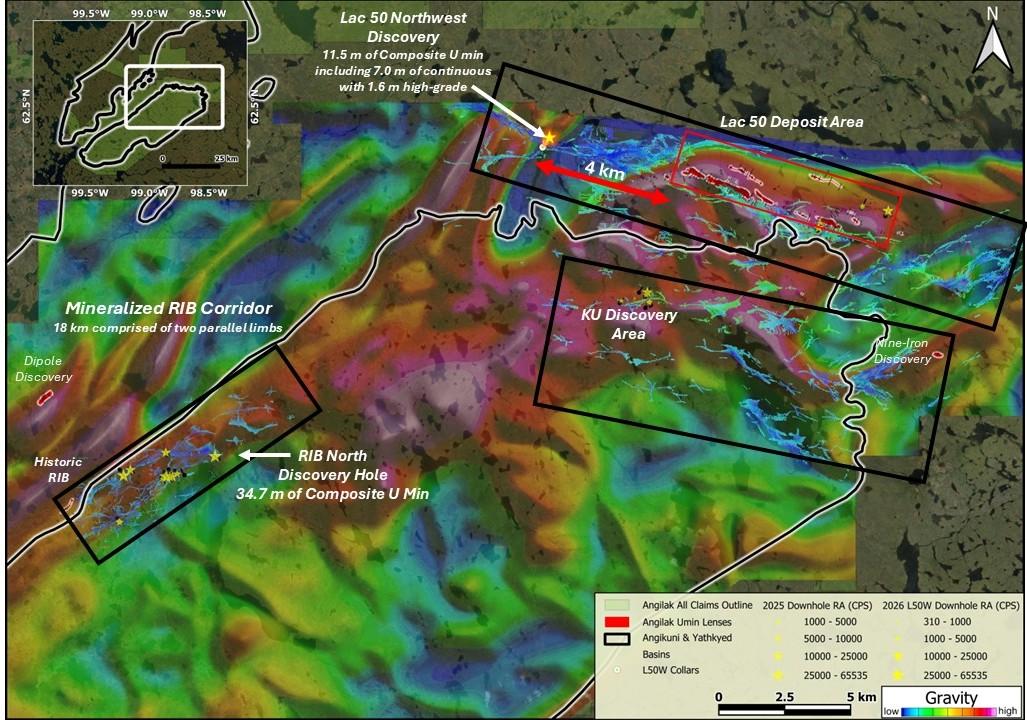
The Angilak project hosts three separate mineralised corridors. The Lac 50 Deposit Corridor is the most advanced, covering 21 kilometers of strike length with a conceptual exploration target of 60.8 million to 98.2 million pounds of uranium oxide established in the October 2025 technical report though only approximately 24% of that corridor has been drill-tested to date. The Mineralized RIB Corridor (MRC), discovered in 2025, spans 18 kilometers with uranium intersected in every hole drilled across a 12-kilometer strike. The KU-Nine Iron Corridor covers 14 kilometers with uranium oxide grades up to 1.56% intersected. All three corridors sit within a basin that ATHA controls outright meaning any value created by future drilling accrues entirely to ATHA shareholders.
Beyond Angilak, ATHA holds 3.8 million acres in Saskatchewan's Athabasca Basin the world's highest-grade uranium district and a 10% carried interest in key exploration lands operated by NexGen Energy Ltd. (TSX: NXE) and IsoEnergy Ltd. (TSX: ISO). That carried interest gives ATHA exposure to value generated on those lands without requiring ATHA to fund the exploration itself.
1. The Largest Programme in Angilak's History Is Already in Motion
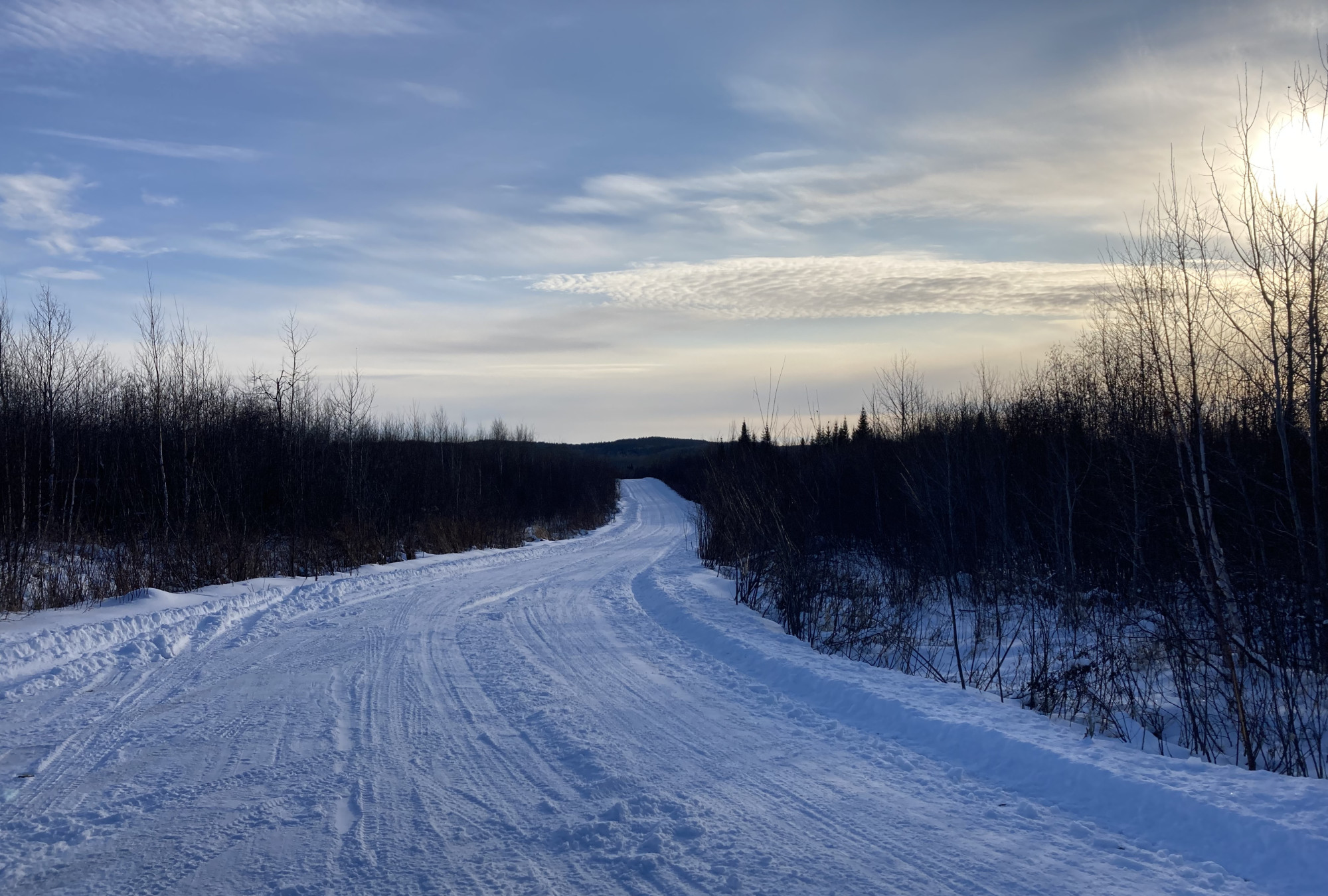
Site mobilization has been underway since mid-March 2026, with fuel, supplies, equipment, and a third diamond drill rig flown to the project's winter landing strip via cargo planes from Yellowknife, Baker Lake, and Rankin Inlet. The physical infrastructure is in place, with exploration activities targeting to commence by the latter half of April 2026.
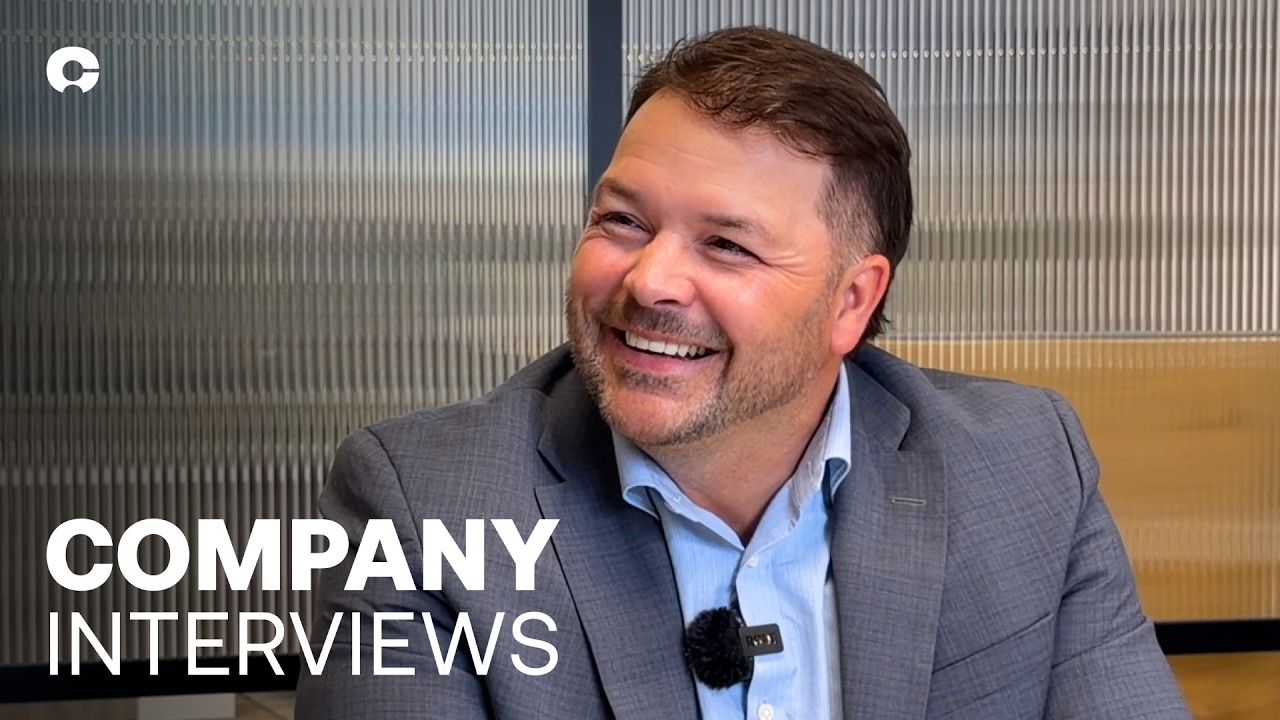
Chief Executive Officer of ATHA Energy, Troy Boisjoli explained the significance of adding a third rig:
"The fact that we're going from two drills to three drills, which is a step change in the amount of work that we can do, is a clear indication of where we see this project going from that wide-scale exploration perspective to outlining continuity of mineralisation within those trends, within those corridors."
The shift from two to three drills allows simultaneous testing of the Rib corridor, the Lac 50 Deposit Corridor, and the KU-Nine Iron Corridor within a single season, compressing the time between discovery and resource delineation across all three targets, a sequencing advantage that single-drill programmes cannot replicate.
2. A CAD $63 Million Treasury Removes Near-Term Dilution Risk
The 2026 programme and work beyond it is fully funded following the February 2026 closing of a CAD $63 million financing, which included a strategic investment from Queens Road Capital (TSX: QRC). The treasury position covers multi-year programme execution without requiring additional share issuances at current valuation levels, with the company carrying a basic market capitalization of C$308 million and an enterprise value of C$269 million as of February 26, 2026.
Boisjoli framed the balance sheet position as a strategic threshold:
"When you combine discovery and discovery at scale with now the balance sheet runway that we have, we're at an inflection point in our business."
For investors in junior uranium explorers, a funded multi-year runway at this stage of development removes the most common structural risk in the sector, capital raises at dilutive prices before the asset has generated sufficient data to attract institutional pricing. ATHA has crossed that threshold ahead of its most data-intensive season to date.
3. The 2025 Rib North Result Produced Athabasca-Caliber Grades in a Previously Untested Basin
The 2025 exploration programme at Angilak produced five new uranium discoveries. The most significant was Rib North, where the maiden drill hole intersected 34.7 meters of composite uranium mineralisation, including 13 meters of continuous mineralisation at grades above 0.5% uranium oxide and peak grades of 8.16% uranium oxide over 0.5 meters. Canada's Athabasca Basin, the world's highest-grade uranium district, with a national average mine grade of 16.36% uranium oxide sets the global benchmark against which all new discoveries are measured.
Boisjoli drew the comparison directly:
"These are Athabasca-style uranium grades, Athabasca-style setting. The difference is that we've drilled contiguously over 14 kilometers and every hole was mineralized, which is extremely uncommon, which I've not seen in my career."
The Rib North result converts the Angikuni Basin from an Athabasca analogue thesis into a data-supported high-grade system. The 2026 programme will test whether that grade and thickness extends laterally and at depth, the answer to which determines whether the Rib corridor supports a resource estimate alongside or ahead of the Lac 50 Deposit.
4. A 100% Drill Hit Rate Across 14 Kilometers Validates the Targeting Model
Across the 2025 Rib programme, every one of the 13 holes drilled across a 14-kilometer contiguous strike returned uranium mineralisation. That result is the direct output of a geophysical targeting model using electromagnetic (EM) inversion and magnetotelluric data, refined across two consecutive field seasons. A 100% hit rate across that strike length confirms the model is identifying real structures rather than statistical outliers.
The investment implication is a lower geological risk profile for 2026 step-out drilling relative to first-pass programmes at comparable exploration-stage assets. When every geophysical target tested to date has returned mineralisation, the prior probability that 2026 step-out holes will intersect the same system is materially higher than for a programme without that track record. Investors should interpret 2026 holes that miss as informative about corridor limits, not as indications that the system does not exist.
5. The Scale of the Angikuni Basin Has No Comparable Precedent in Boisjoli's Career
The Lac 50 Deposit Corridor covers 21 kilometers of strike, of which approximately 24% has been drill-tested to date. The Mineralized RIB Corridor (MRC), discovered in 2025, covers 18 kilometers with confirmed mineralisation across a 12-kilometer strike. The KU-Nine Iron Corridor covers 14 kilometers with grades up to 1.56% uranium oxide intersected. All three corridors sit within the Angikuni Basin, which ATHA controls 100%.
Boisjoli put the scale in direct context against established Athabasca Basin deposits:
"Arrow has a strike length currently of plus or minus 900 meters. Cigar Lake, same thing, you're under a kilometer in strike length for some of these major deposits. And we have mineralisation in the Rib area over 14 kilometers."
That comparison carries a specific financial implication: NexGen's Arrow and Cameco's Cigar Lake are valued in the billions of dollars at sub-kilometer strike lengths. The Angikuni Basin's mineralised footprint, if confirmed by 2026 drilling to carry consistent grade and thickness, represents a scale of endowment that existing valuation frameworks for uranium explorers would struggle to accommodate at ATHA's current enterprise value of C$269 million.
6. Sole Basin Control Concentrates Strategic Optionality in One Equity
ATHA controls 100% of the Angikuni Basin following the expansion of the land package after acquiring Latitude Uranium. No competing land position exists within the basin for a major producer or developer to acquire without transacting with ATHA. Saskatchewan was ranked 3rd globally for mining investment attractiveness by the Fraser Institute's 2025 Annual Survey of Mining Companies. Nunavut where the Angikuni Basin sits hosts Orano's Kiggavik deposit, a 127-million-pound uranium resource grading 0.55% uranium oxide, demonstrating the jurisdiction's capacity to support major deposit development.
For investors, sole basin control means any rerating of the Angikuni Basin's resource potential accrues entirely to ATHA shareholders. There is no dilution of discovery upside across a joint venture or a fragmented land package. If 2026 drilling confirms district-scale continuity, the asset cannot be replicated by a competitor staking adjacent ground.
7. The Carried Interest Provides Free Leverage to Two Funded Athabasca Developers
ATHA holds a 10% carried interest in key exploration lands in Saskatchewan operated by NexGen Energy Ltd. (TSX: NXE) and IsoEnergy Ltd. (TSX: ISO). A carried interest means ATHA participates in any future value generated from those lands without funding the exploration. NexGen received final federal approval for its Rook I project in April 2026, advancing the asset toward construction. IsoEnergy's land under ATHA's carried interest sits within the most actively developed zone of the Athabasca Basin, with established infrastructure in place.
The financial consequence for ATHA shareholders is passive, unfunded exposure to two of the most capitalised uranium development programmes in Canada. As NexGen and IsoEnergy advance their respective projects, the value attributable to ATHA's carried interest increases without drawing on ATHA's C$63 million treasury preserving that capital for Angilak drilling.
8. The 2026 Assay Flow Is the Sole Near-Term Catalyst
Mobilisation confirms execution. The data that will determine ATHA's market positioning through 2026 is the assay results flowing as drilling advances from April onwards across the Rib, Lac 50, and KU-Nine Iron corridors. The primary question for each corridor is distinct: at Rib North, whether step-out holes confirm lateral and vertical continuity of the high-grade system; at Lac 50, whether infill drilling converts more of the 21-kilometer corridor from untested to mineralised; and at KU-Nine Iron, whether grades are sufficient to prioritise the corridor alongside the other two.
Boisjoli outlined the programme's sequencing logic:
"Last two years were about addressing discovery risk at scale. This year is about focusing in on continuity of mineralisation within those systems in which we've discovered mineralisation. That then leads into optimised delineation work for the purpose of resource growth."
No timeline for a maiden Mineral Resource Estimate has been stated by management. The 2026 programme results will determine how realistic a near-term target that milestone becomes and whether the Angikuni Basin's scale potential, as Boisjoli describes it, can be converted into a number that a fund manager's valuation model can use.
Key Takeaway for Investors
- The 2026 programme is ATHA's largest to date and is fully funded, removing the risk of dilutive financing before results are generated.
- Three drill rigs operating simultaneously across three corridors means more data flowing faster, compressing the timeline from discovery to resource delineation.
- The Rib North maiden hole returned grades and strike lengths that CEO Troy Boisjoli states are unlike anything he has encountered in a career spanning Cameco and NexGen operations, a data point that changes how the Angikuni Basin is categorised relative to global uranium benchmarks.
- A 100% drill hit rate across 14 kilometers of the Rib corridor in 2025 reduces the geological risk of 2026 step-out drilling relative to first-pass exploration programmes.
- Sole control of the entire Angikuni Basin means there is no competing land position for a major producer to acquire, any rerating of the basin's resource potential accrues entirely to ATHA shareholders.
- The carried interest in NexGen and IsoEnergy land provides passive exposure to two of the most active Athabasca Basin development programmes without drawing on ATHA's own treasury.
- The key unresolved question for 2026 is whether drilling confirms sufficient continuity across the three corridors to support a maiden Mineral Resource Estimate, the milestone that would introduce resource-stage valuation metrics and a broader institutional investor base.
- Investors should track step-out results at Rib North, infill density at Lac 50, and any management guidance on resource estimate timelines as the primary indicators of whether the 2026 season converts the basin-scale thesis into a definable and priceable asset.
Bottom Line
ATHA heads into its largest-ever drill season with a set of conditions that are worth noting for investors evaluating the company. It controls an entire uranium-bearing basin. It has hit uranium in every hole drilled across two consecutive exploration programmes. Its 2025 Rib North result returned grades comparable to Canada's most celebrated uranium deposits. And its CAD $63 million treasury funds work beyond the current season without the need for additional share issuances.
What remains unresolved and what the 2026 programme is designed to address is whether the mineralisation confirmed across the Angikuni Basin's three corridors is continuous enough and extensive enough to support a formal Mineral Resource Estimate (MRE). That milestone is what separates a discovery-stage company from a resource-stage company, and it introduces a different set of valuation tools and a broader investor base. No timeline for a maiden MRE has been stated by management.
Investors following ATHA through the 2026 season should focus on three indicators: whether step-out holes at Rib North confirm the high-grade system extends meaningfully in multiple directions; whether infill drilling at Lac 50 builds the density needed for a resource estimate; and whether management provides any guidance on MRE timelines as results accumulate. Those data points will determine whether the basin-scale opportunity ATHA controls can be converted into a number the market can price with confidence.
Analyst's Notes





Subscribe to Our Channel





Stay Informed