




Additional Oil Supply Pushes Brent Below $80, Supporting Bonds & Consumer Sectors


Additional oil supply pushed Brent below $80, lowering inflation expectations and supporting bonds and energy-sensitive consumer sectors.
- Three Iranian tankers, including Diona and Hero 2, exited the US Navy blockade carrying nearly 5 million barrels of crude, increasing the prospect of additional oil supply reaching global markets.
- Brent crude futures have fallen below $80, down more than one-third, as traders price in a waiver of US sanctions that could return Iranian oil to global markets.
- A US-Iran memorandum could clear 118 loaded tankers within 15 days, returning oil equivalent to about 2% of global daily demand and increasing near-term supply.
- The tanker departures appear to be backlog clearance rather than sustained shipping growth, while war-risk insurers are maintaining elevated premiums until safe passage is demonstrated.
- A hawkish debut from Fed Chair Kevin Warsh or Japanese currency intervention near 160.27 yen per dollar could lift the US Dollar Index from 99.50 and strengthen the dollar.
Iranian Oil Exports Resume & Brent Falls Below $80
Three Iranian tankers carrying nearly 5 million barrels of crude exited the US Navy blockade, marking the first outbound shipments in two months and increasing the prospect of additional oil supply reaching global markets. Brent crude futures fell below $80 per barrel, down more than one-third, as traders priced in a waiver of US sanctions that could return Iranian oil to global markets.
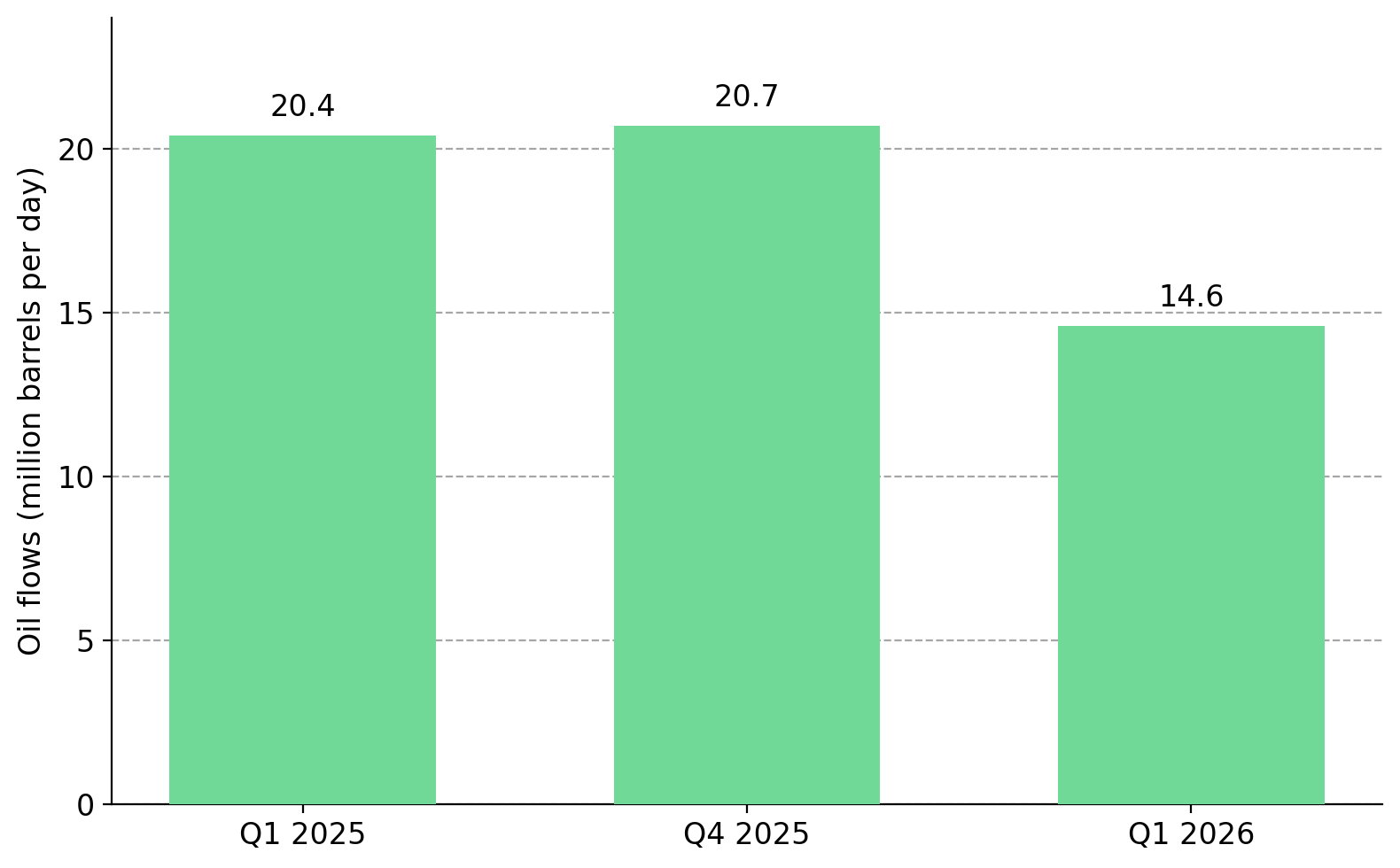
Four months of conflict and three months of disrupted traffic through a route that previously carried about 20% of global oil flows have reduced US strategic petroleum reserves to their lowest level since 1983. The return of Middle East oil exports is lowering inflation expectations, pushing 10-year Australian bond yields down nearly 6 basis points to 4.78%.
US-Iran Agreement & The Return of Middle East Oil Supply
The supertankers Diona and Hero 2 departed with 3.8 million barrels of crude, followed by a third vessel carrying another 1 million barrels. Dozens of crude tankers are heading toward UAE ports, where at least 30 ships are waiting to load, signaling additional export volumes if transit restrictions are lifted.
The tanker departures follow a US-Iran memorandum that could end the conflict, with a formal agreement scheduled for signing in Geneva. The agreement could reopen the Strait of Hormuz and waive sanctions on Iranian crude, allowing Iran to increase oil exports in exchange for limits on its nuclear program. Until the agreement is signed, vessels still lack a legal basis for unrestricted transit.
Shipping Risks Persist & Dollar Direction Hinges on the Fed
Shipping companies remain cautious because transit rules will not change until the US-Iran agreement is formally signed. That caution extends to vessel owners. As BIMCO shipping analyst Niels Rasmussen noted, owners want reassurance that transits are "not only permitted but safe" before committing ships to the region.
A formal US-Iran agreement could clear 118 loaded tankers within 15 days, returning oil equivalent to about 2% of global daily demand and increasing near-term supply.
If Fed Chair Kevin Warsh supports further rate hikes and does not challenge market expectations, the US Dollar Index could rise from 99.50 as investors price a more hawkish Fed. The Fed press conference, Warsh's first vote, and updated economic projections will show whether policymakers support lower rates or a more hawkish policy path.
Lower Oil Prices & Equity Sector Impacts
Lower oil prices benefit sectors with high fuel and energy costs. Falling crude is lowering bond yields and operating costs for transport, manufacturing, and consumer companies while reducing profits for oil producers that benefited from higher energy prices.
Currency investors are avoiding large positions until the Fed clarifies its policy outlook. Similar caution is visible in shipping markets. As BIMCO shipping analyst Niels Rasmussen noted, owners want proof that transits are safe before committing vessels to the region.
The recent surge in tanker departures appears to reflect backlog clearance rather than sustained shipping growth, while war-risk insurers continue to maintain elevated premiums until safe passage is established. Because the agreement's durability remains uncertain, diversified energy exposure offers lower risk than concentrating on companies tied to an immediate reopening.
Fed Policy & Brent $80 Risk Triggers
Markets are responding to expectations that a US-Iran agreement will increase oil supply and reduce inflation pressures. Those expectations have kept Brent below $80 and the US Dollar Index near 99.50. If oil prices remain low and the dollar stays weak, long-duration bonds and energy-sensitive consumer sectors could outperform.
Several events could reverse the weaker dollar and lower-yield backdrop. If Fed Chair Kevin Warsh supports further rate hikes and does not challenge market expectations, the US Dollar Index could rise from 99.50 as investors price a more hawkish Fed. Japanese currency intervention near 160.27 yen per dollar could strengthen the yen and reduce support for a weaker US dollar, despite the Bank of Japan's 1% policy rate.
The Geneva agreement will determine whether 118 backlogged tankers gain legal clearance for transit. Fed projections and Warsh's first vote will indicate whether policymakers support lower rates or a more hawkish policy path. A Brent close above $80 would signal that expectations for additional oil supply are weakening.
Analyst's Notes





Subscribe to Our Channel




Stay Informed


