




Trillion Energy's M47 Seismic Survey: 8 Things You Need To Know


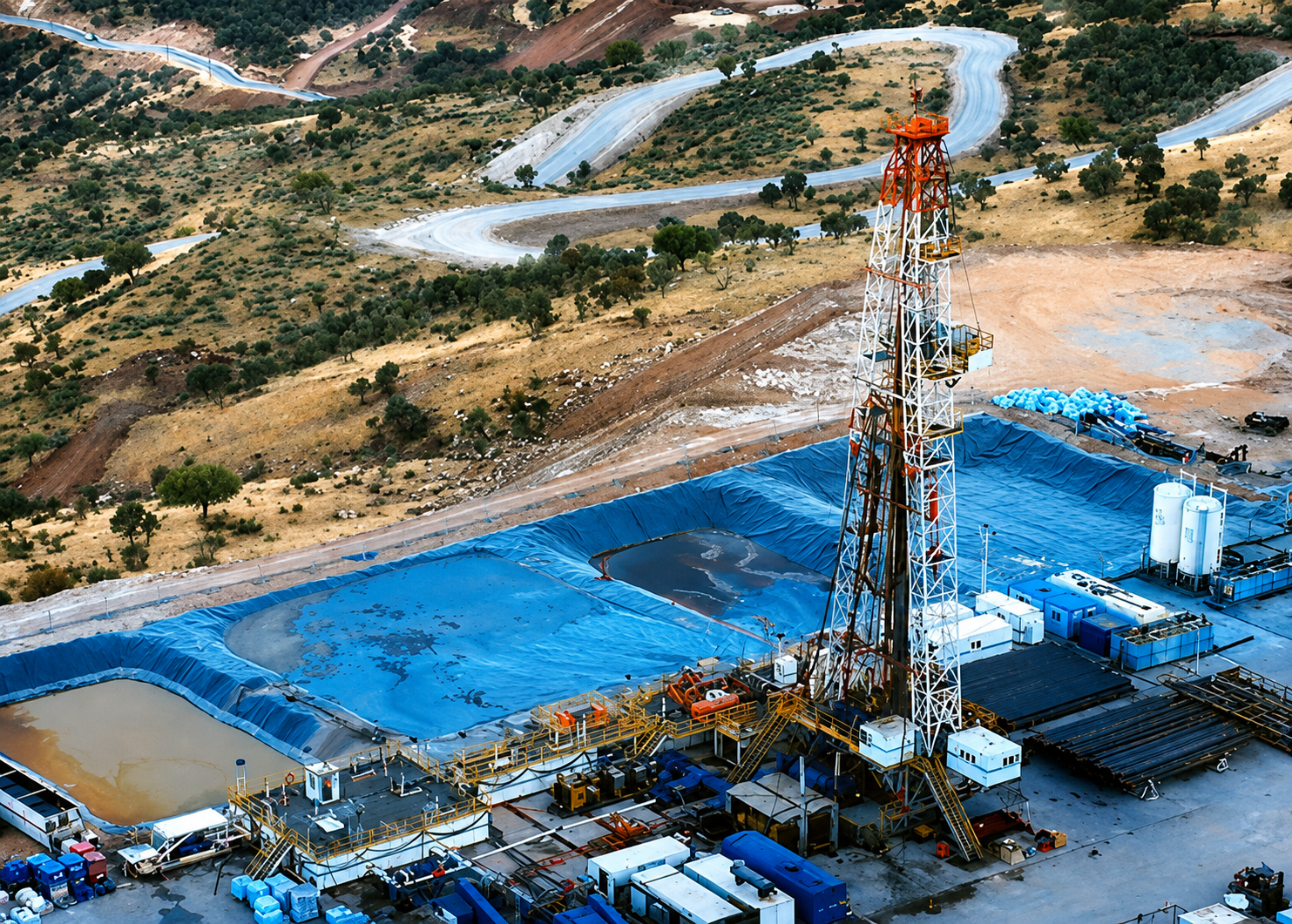
Trillion Energy's new M47 seismic survey aims to refine drilling targets, validate oil potential and accelerate exploration in Türkiye's active Gabar basin.
Project Overview
Trillion Energy (CSE: TCF | OTCQB: TRLEF | FRA: Z62) has finalized the design and put out for bid a new seismic survey covering 40 kilometres on the M47 oil block in southeastern Türkiye, the Company announced on July 16, 2026. The survey follows a recently completed round of field scouting and is meant to give a clearer underground picture across the license's most promising areas, with the fieldwork itself targeted for the summer of 2026. Trillion has moved from an early stage explorer to a company with an actual oil find on its acreage following a 2025 discovery, and the clarity of this underground picture will now shape exactly where the Company chooses to drill next. Below are the 8 things investors need to know about this survey and what it means for the M47 project.
1. The survey covers the areas that matter most to the M47 story
The 40 kilometre survey spans the South Lead, along the southeastern edge of the license, and the North discovery area, which includes the ground around the two wells drilled there in 2025. The release also references a third priority area without naming it separately. Covering both a proven discovery zone and an unproven area in one program lets the Company use one consistent underground picture to guide both near term drilling and longer term exploration, lowering the chance that future wells are placed on incomplete information.
2. The survey builds directly on results from June
Trillion said the new survey builds on field scouting and gravity measurement work disclosed in the Company's June 30, 2026 news release, which found notable fault lines and priority targets across the license. Running a gravity study before a seismic survey is a standard way to reduce guesswork, meaning the new lines were placed over ground already identified as geologically promising, rather than chosen at random. This lowers the chance the Company spends money imaging ground unlikely to hold oil.
3. The new survey lines connect with nearby discoveries
The Company said the new survey lines have been positioned to connect with recent discoveries on the block next door. Linking the survey to a known neighbouring find gives the team studying the results a real world comparison point, since rock signals recorded near a proven well can help confirm whether similar signals on Trillion's own license likely mean oil is present. This reduces the chance of misreading the new data.
4. Preparing the ground early is targeting a shorter schedule & lower cost
The Company said technical planning for the survey is complete and that preparing the sites in advance is targeting a shorter fieldwork schedule and lower cost. For a Company working under a staged ownership earn in agreement, keeping fieldwork costs down is as much a financial decision as a technical one, since money saved in the field is money that does not need to be raised elsewhere. A lower cost, faster program reduces the amount of new financing this stage is likely to require.
5. Fieldwork is targeted for late summer, over about 6 weeks
Trillion is targeting the fieldwork for late summer 2026 and is targeting about 6 weeks to complete the survey, with the results studied afterward. Once that study is done, the Company is targeting an announcement of where it plans to drill next. This gives investors a clear, checkable sequence to follow rather than an open ended wait, reducing uncertainty around when the next catalyst arrives.
6. The North discovery area already carries a confident resource estimate
Trillion's release discloses a confidently estimated 27.6 million barrels of oil tied to the North discovery, with an estimated value of US$733.5 million, discounted and before income tax, calculated without factoring in project risk. This figure, prepared by independent evaluator Chapman Petroleum Engineering Ltd as of December 31, 2025, is based on 82 total drilling locations and was given an 81% likelihood of moving toward development. Because the new survey covers this exact same area, better underground clarity here could either support this estimate or expose weaknesses in it, directly affecting how reliable the figure turns out to be.
7. Total oil potential across 3 target areas reaches 51.6 million barrels net to Trillion
Beyond the North discovery, the Company discloses total estimated oil potential of 51.6 million barrels net to Trillion across the North, Central and Findik areas, reflecting Trillion's 29% share of the combined total. The North area's higher, less certain estimate alone carries a value of US$1.18 billion, discounted and before income tax, without factoring in project risk. These are estimates of oil that may exist, not oil that is proven or being produced, and the new survey is the tool the Company will use to test how much of this potential holds up, or rule parts of it out.
8. The project sits in a region that keeps producing new discoveries
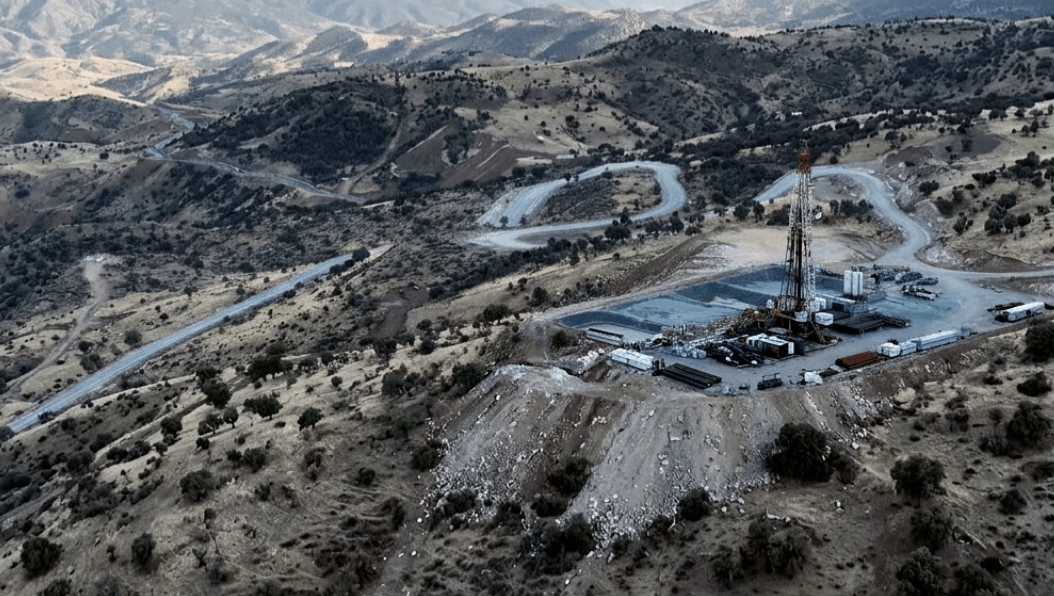
Trillion notes its acreage sits about 11 kilometres from the Şehit Aybüke Yalçın oil field, described as Türkiye's largest onshore oil find, and that 7 new comparable oil fields have been discovered in the surrounding Gabar region over the past 5 years, together producing more than 80,000 barrels of oil per day. The Company's own 2025 results, a confirmed light oil find measured at 32.4 degrees on the industry's standard oil quality scale, with 38 metres of oil bearing rock found at its C-1 discovery well, sit within this same active region. A region that keeps producing new finds lowers the chance the underlying geology itself is the problem, shifting remaining uncertainty toward execution.
Key Takeaway for Investors
- The new survey covers the same ground behind Trillion's existing resource estimates, so results could change the value of what the Company already claims to have, not just future upside.
- A clearly targeted 6 week fieldwork window, planned for late summer 2026, gives investors a specific milestone rather than an open ended timeline.
- Running the survey after a completed gravity study lowers the chance the new results miss the most promising ground.
- The surrounding region has produced 7 new comparable oil discoveries in 5 years, producing over 80,000 barrels a day combined, supporting the case that a clearer picture on Trillion's block could lead to real commercial results.
- The Company has said it will target an announcement of new drilling locations once the survey results are studied, making the next drilling decision a direct outcome of this program.
Bottom Line
Trillion Energy has finalized and put out for bid a 40 kilometre seismic survey across its most promising areas on the M47 block, timed to follow a completed gravity study and targeted for fieldwork in late summer 2026 over about 6 weeks. The survey covers ground that already carries a confidently estimated 27.6 million barrels of oil and a combined 51.6 million barrels of total estimated potential across 3 target areas, meaning a clearer underground picture has a direct bearing on both the Company's existing claims and its unproven exploration ground. With the surrounding region continuing to produce new oil discoveries, the key milestone for investors to watch is the Company's targeted announcement of new drilling locations once the survey results have been studied.
Analyst's Notes





Subscribe to Our Channel




Stay Informed


