




Are US Policies Now Moving Without Institutional Process?


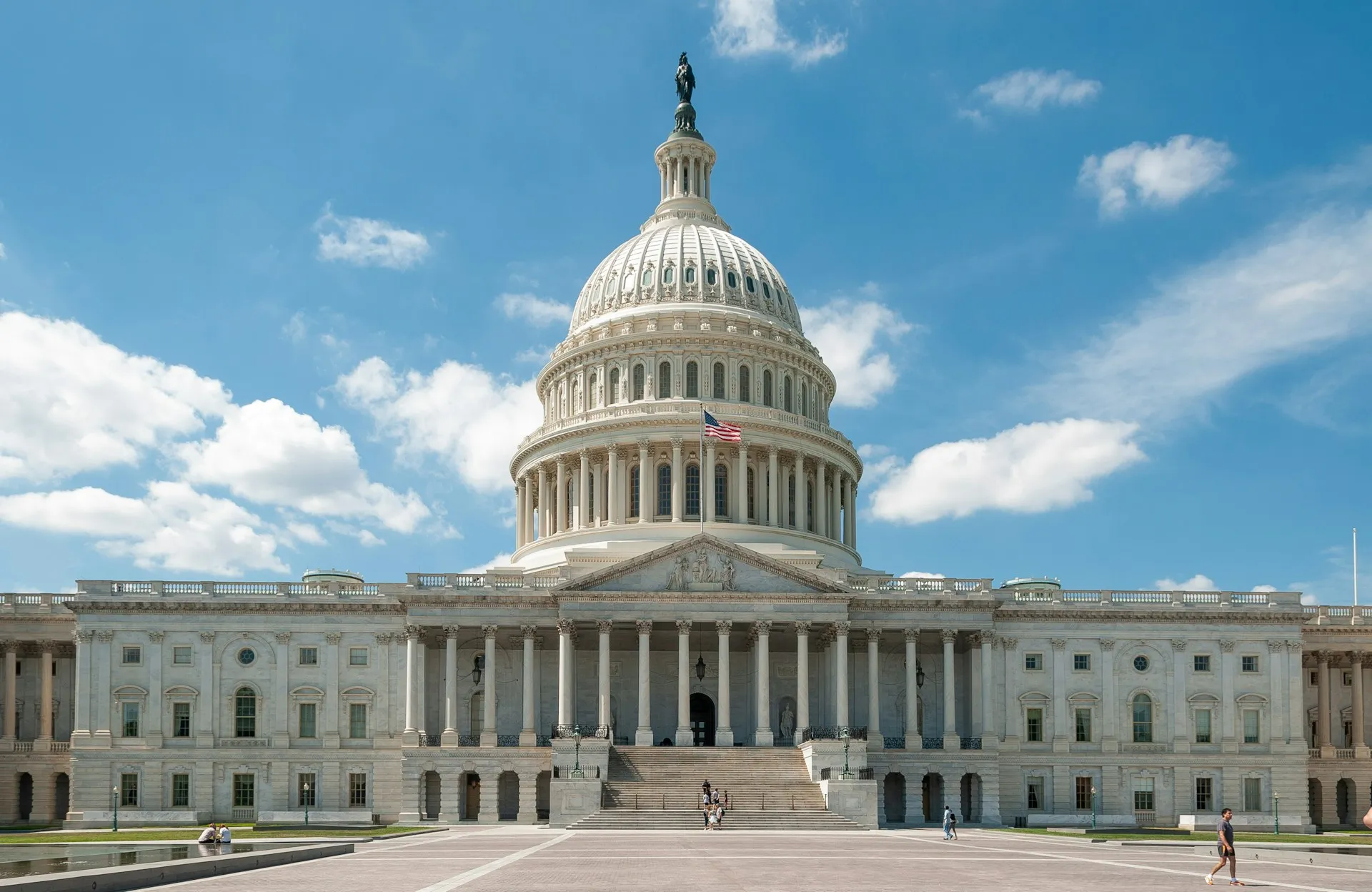
Trump's AI cancellation and Iran diplomat purge eliminate observable policy timelines, adding unpriced reversal risk to AI, energy, and defense portfolios.
- Trump cancelled a White House AI signing ceremony on May 21, 2026 with major AI company CEOs in attendance without specifying objections, eliminating observable regulatory timelines for AI sector positioning.
- 109 of 195 US ambassadorial posts remain vacant as of May 2026; five of seven countries bordering Iran have no Senate-confirmed US ambassador during active war, creating structural diplomatic capacity collapse.
- The US chief Iran negotiator, Steve Witkoff, made basic factual errors about Iranian nuclear capabilities in post-briefing statements that the Arms Control Association characterized as demonstrating technical incompetence, creating ceasefire fragility priced into neither energy nor defense positions.
- House Republicans pulled a vote to constrain Trump's Iran war powers on May 22, concentrating sole escalation authority with the executive without legislative constraint during an active ceasefire.
- AI, energy, and defense portfolios carry concentrated exposure to decisions generated without institutional processing, a reversal risk premium absent from current sector valuations.
The AI Regulatory Signal Broke While Investors Were Positioned for Continuity
On May 21, 2026, Trump cancelled a White House ceremony attended by major AI company CEOs at which he was scheduled to sign an executive order creating a voluntary federal framework requiring AI developers to brief the US government before releasing advanced models, according to Reuters. He told reporters he objected to unnamed "aspects" and did not want to hinder the US AI lead over China. Semafor and the Washington Post reported the pull came after lobbying from xAI's Elon Musk, Meta CEO Mark Zuckerberg, and former Trump AI adviser David Sacks; Musk denied this on X. Trump did not specify his objections.
AI companies and their investors had priced regulatory direction based on the administration's known pro-tech stance. The cancellation eliminated the observable process connecting policy intention to implementation, leaving investors holding positions structured around regulatory assumptions with no verifiable timeline.
Diplomatic Institutional Capacity Collapsed Before the Iran War Began
The policy signal breakdown extends beyond one postponed signing. According to Reuters' May 21 investigation based on interviews with more than 50 senior diplomats and officials, 3,000 State Department employees left in 2025, nearly half fired, the rest via buyouts, representing a 15% US-based staff cut. The National Security Council was reduced from hundreds to a few dozen people, and NSC staff tracked policy via Trump's Truth Social account rather than formal interagency meetings. In December 2025, Secretary of State Rubio recalled approximately 30 ambassadors without explanation in a move departing ambassadors privately termed "the Saturday Night Massacre".
The direct consequence appeared in the Iran war. Kushner and Witkoff met Iranian officials in Geneva in late February 2026 without US nuclear specialists present, according to European officials involved in the discussions. The administration had dismissed at least six Iran nuclear experts in the prior nine months. After the Geneva talks collapsed, Witkoff incorrectly described Iran's IR-6 centrifuge as probably the most advanced centrifuge in the world when it is not even the most advanced centrifuge Iran operates, according to Kelsey Davenport of the Arms Control Association.
Ceasefire Duration Risk Compounds Without Ambassadorial Backing
A diplomatic resolution to the Iran war does not produce operational recovery on matching timelines because the institutional capacity to negotiate and implement durable terms no longer exists in required channels. House Republicans pulled a vote to limit Trump's Iran war powers on May 22 (WSJ), leaving re-escalation authority with one decision-maker.
Energy investors carry Brent pricing that partially incorporates the Iran war premium but does not incorporate re-escalation risk triggered by social media rather than state channels, the April 7 ceasefire was announced unilaterally by Trump hours after a threat that allies including Britain, France, and Germany had drafted a joint rebuke to, then withheld. Defense investors hold Gulf contract and basing revenues without ambassadorial institutional backing, compressing multi-year revenue visibility for companies dependent on state-to-state agreements. AI investors face a postponed executive order that could return as binding requirements rather than voluntary framework without public comment period.
Position Sizing Must Incorporate Unobservable Decision Risk
The three affected sectors, AI hardware/software, energy/shipping, and defense, share one constraint investors cannot resolve without institutional signal restoration: no observable process precedes Trump's decisions on any of them. Investors who added AI positions in Q1 2026 based on Trump's pro-tech posture carry unhedged regulatory reversal risk. Investors who added energy positions based on ceasefire assumptions carry unhedged re-escalation risk.
Energy positions should be sized to survive a 30-day escalation window without forced liquidation rather than structured around the ceasefire as baseline. Defense positions should distinguish between companies with Gulf basing agreements supported by Senate-confirmed ambassadors, currently few, versus those dependent on personal envoy relationships.
AI positions should treat the executive order's status as open because Trump's objections remain unspecified and the decision process is not observable. The binary outcome investors cannot trade is whether Trump signs, rewrites, or permanently shelves the AI order.
Analyst's Notes





Subscribe to Our Channel




Stay Informed


