




FTSE 250 Recovery Is Built on Cooling Inflation: Here's What Could Unwind It


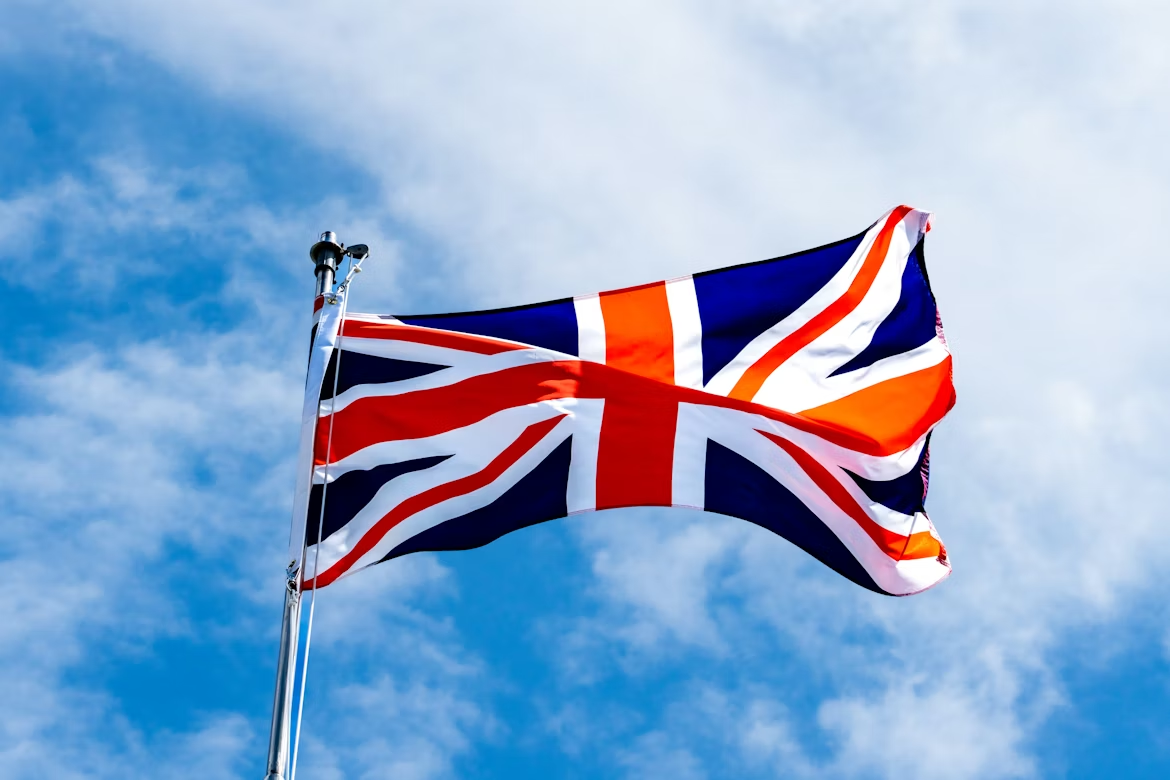
Lower oil prices and slower UK grocery inflation lifted the FTSE 250 as markets reduced expectations for additional Bank of England rate hikes.
- The UK’s FTSE 250 index rose 0.8% toward a three-month high after companies including Hollywood Bowl and Pets at Home reported stronger consumer spending and sales growth.
- British grocery inflation slowed to 3.1% as lower oil prices reduced food and transport costs, lowering pressure on the Bank of England to raise interest rates further.
- Markets currently price in one 0.25% Bank of England rate hike before year-end, but a rebound in energy and food inflation could force additional increases.
- Retail investors cannot reliably predict interest rate decisions or oil price swings, making diversified index exposure a lower-risk way to participate in equity recoveries.
- The bullish case breaks down if oil prices rise sharply and drive grocery inflation back higher, forcing the Bank of England to raise interest rates more aggressively.
Cooling Inflation & Lower Oil Prices Lift UK Midcaps
On May 27, 2026, the FTSE 250 rose 0.8% toward a three-month high, while the FTSE 100 gained 0.2% to 10,509.08 points for its eighth straight session of gains. Hollywood Bowl shares jumped nearly 15% after the company reported higher spending per game, while Pets at Home gained 6.2% after returning to retail sales growth, supporting the FTSE 250 rally.
The FTSE 100 now trades within 4% of its late-February record high, showing renewed investor demand for UK equities. Lower energy and supply-chain costs are improving margins for UK consumer-facing companies, supporting renewed buying in domestic equities.
Lower Oil Prices Reduce UK Rate Hike Expectations
Lower food and energy costs are improving UK household spending power. UK grocery inflation slowed to 3.1% in the four weeks to May 17, 2026, its lowest level since December 2024. Shell and BP shares each fell about 2% as oil prices declined on expectations that diplomatic negotiations could reduce supply disruption risks.
Falling energy and grocery costs are reducing expectations for additional Bank of England rate hikes. Slower inflation reduces the need for the Bank of England to raise borrowing costs further. Markets now price in one 0.25% Bank of England rate hike before year-end, with a 50% probability of a second increase.
Oil Price Risks Threaten FTSE 250 Recovery
Investors still face delayed supply-chain cost pressures that may not yet appear in consumer prices. Recent energy and trade disruptions may still push supermarket prices higher in coming quarters, reducing household spending power. Lower oil prices alone do not guarantee sustained margin improvement for UK consumer companies.
If grocery inflation continues to slow and oil prices remain stable, the Bank of England may limit rate hikes to one 0.25% increase, supporting further gains in the FTSE 250. A breakdown in diplomatic negotiations could raise oil prices and energy inflation, forcing additional rate hikes that would pressure corporate margins and weaken the FTSE 250 rally.

UK Inflation Risks Shape Retail Index Fund Strategy
The UK rally shows how index fund performance shifts with changes in inflation and interest rate expectations. Midcap companies such as Hollywood Bowl depend heavily on UK consumer spending, making them more sensitive to domestic inflation and borrowing costs than large multinational exporters.
Margin sustainability becomes the key question if inflation rises again. Hollywood Bowl's higher spending per game and £5 million share buyback indicate demand held up despite higher living costs, but that resilience depends on inflation remaining contained.
Geopolitical events and central bank decisions are not reliably predictable, making short-term positioning in individual UK stocks a higher-risk approach than diversified index exposure.
Renewed Rate Hike Risks Pressure UK Consumer Stocks
The bullish case weakens if oil prices rise sharply and push UK grocery inflation back above 4%. That scenario could lead markets to price in more than two Bank of England rate hikes, pressuring FTSE 250 valuations and consumer-facing stocks.
UK monthly CPI and grocery inflation data are the clearest signals of renewed price pressure. A sustained rise in either would weaken consumer spending and increase the probability of additional Bank of England rate hikes.
Analyst's Notes





Subscribe to Our Channel




Stay Informed


