Made in America - Visiting Silver One's Candelaria Project


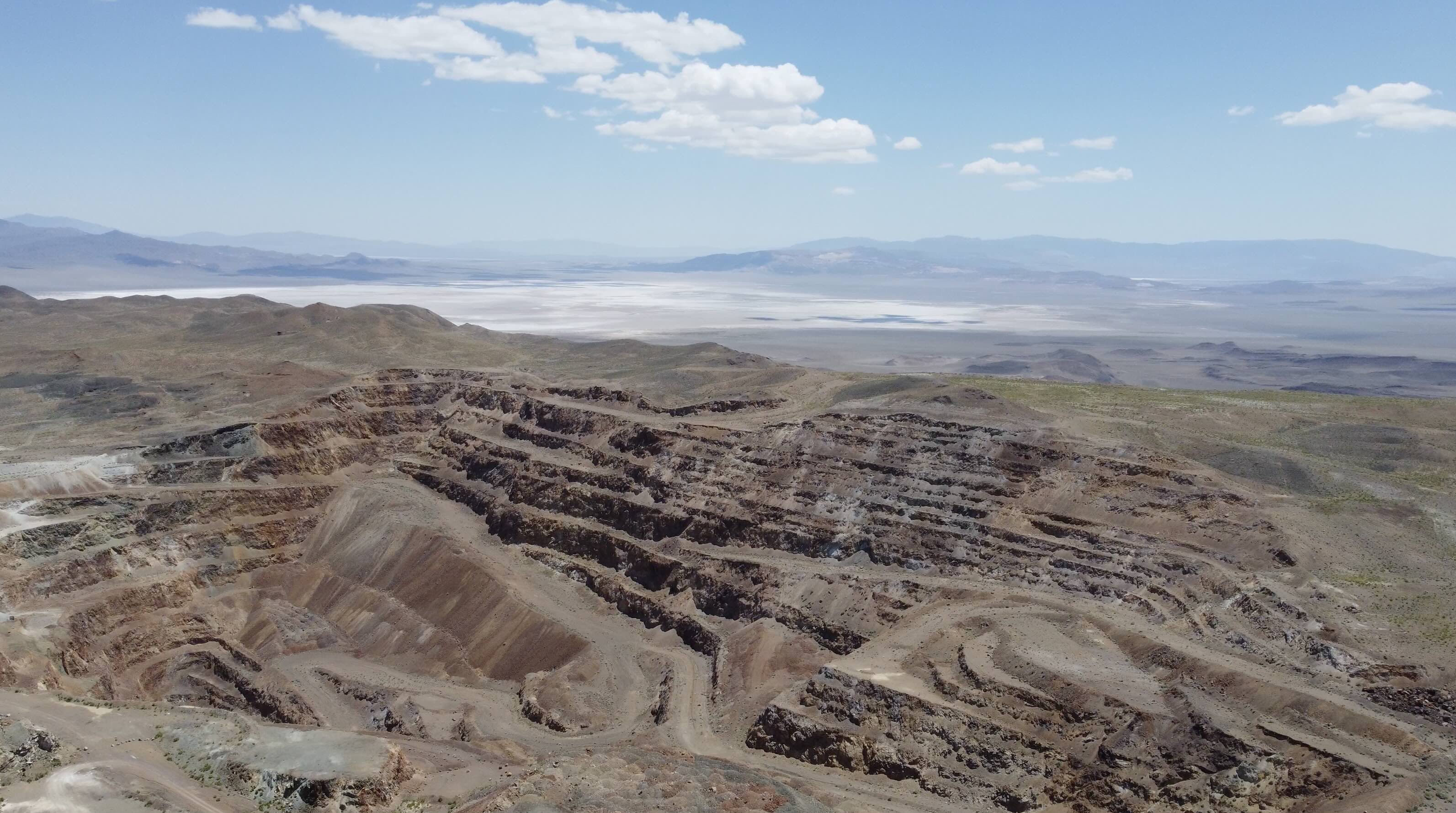
Silver One's Candelaria Project: a Nevada silver mine with 108M+ oz silver equivalent, improved metallurgy, and a fast-tracked path to production.
- Silver One holds 100% of Candelaria, a past-producing Nevada silver mine acquired from Silver Standard in 2017, with an already substantial resource of 108 million ounces of silver equivalent measured and indicated, plus another 30 million ounces inferred.
- New, non-cyanide extraction technology being tested with partners Extract and Bechtel has lifted heap leach pad recoveries from a historic 51% to as high as 70%, while HPGR crushing has pushed fresh material recoveries from 51% up to 66%.
- Because prior operator Kinross never completed reclamation, the site's permits were never fully closed out, giving Silver One a faster path to an updated plan of operations once a pre-feasibility study is complete.
- Management is targeting a rate of roughly 15,000 tonnes per day and 5 to 6 million ounces of silver annually, a level that could make Candelaria one of the largest silver producers in the United States.
- Only a small portion of the 20,000-acre, 11-kilometre-long property has been explored so far, with early results also pointing to porphyry copper potential at depth.
The Made in America Series
Nevada remains one of the most consistently ranked mining jurisdictions in the world, with a century-plus of continuous mining history and a regulatory environment that companies and regulators alike understand well. For a project like this, sitting within that jurisdiction isn't just a backdrop, it's part of the investment case in its own right. This visit is part of Crux Investor's Made in America series, a tour through Nevada's mining projects, sitting down with the teams building them.
With that context set, here's what we found on the ground at Silver One Resources Candelaria Project.
Introduction to Candelaria & Overview
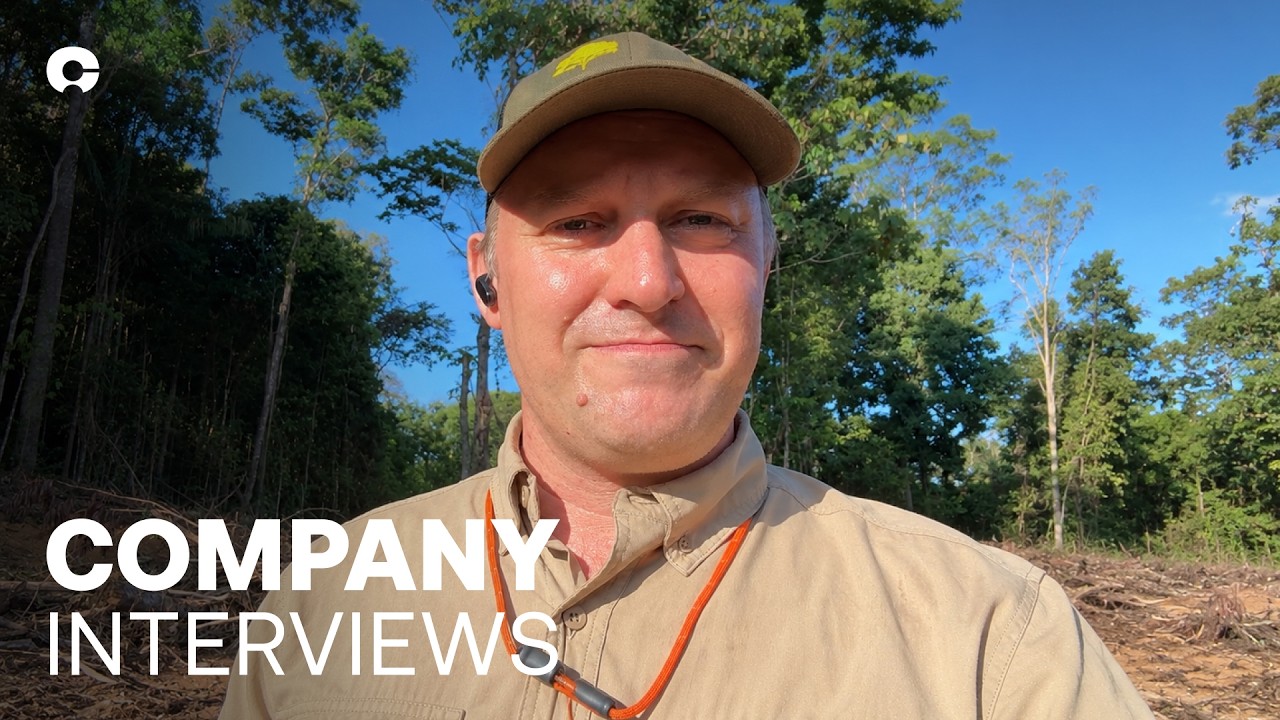
Standing with CEO Greg Crowe at one of the highest points on the Candelaria property, in the heart of Nevada's historic Silver District, the scale of the opportunity is visible before any numbers get mentioned. Crowe's background includes decades in exploration, most notably a stint at Entrée Gold, where he helped develop the northern extension of the Oyu Tolgoi porphyry system in Mongolia alongside Ivanhoe Mines and Rio Tinto, a project that has since absorbed more than $10 billion in development capital.
Silver One acquired Candelaria from Silver Standard in 2017, at a point when Silver Standard was refocusing on gold assets and shedding older silver projects that no longer fit its portfolio. As Crowe explained, the deal came with a clean structure that still stands today:
"We got a great deal on it...we now have a 100% interest in it with no royalties back to Silver Standard."
The Candelaria Project Site Visit, with CEO, Greg Crowe
A Storied History: From High-Grade Veins to Open Pit Mining
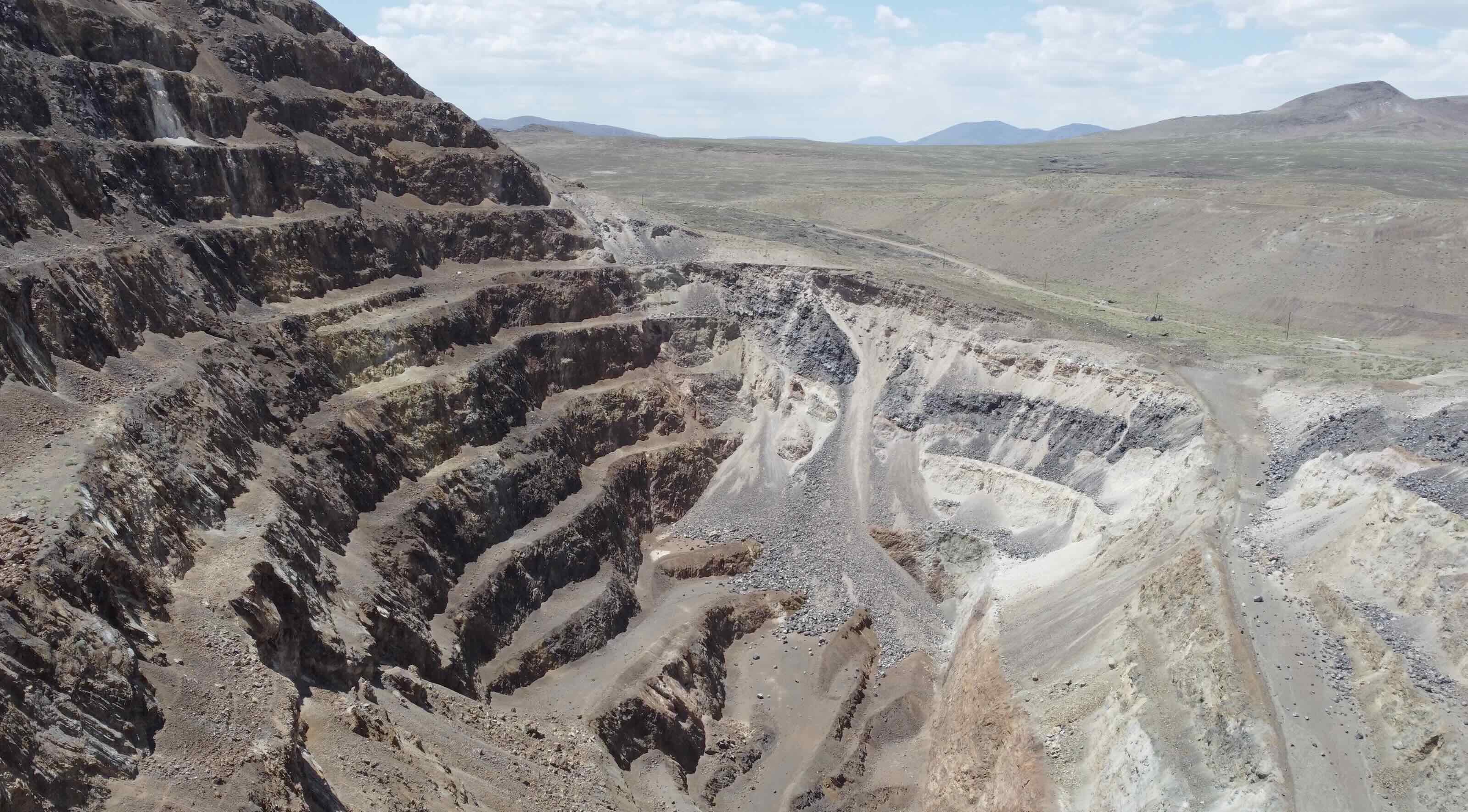
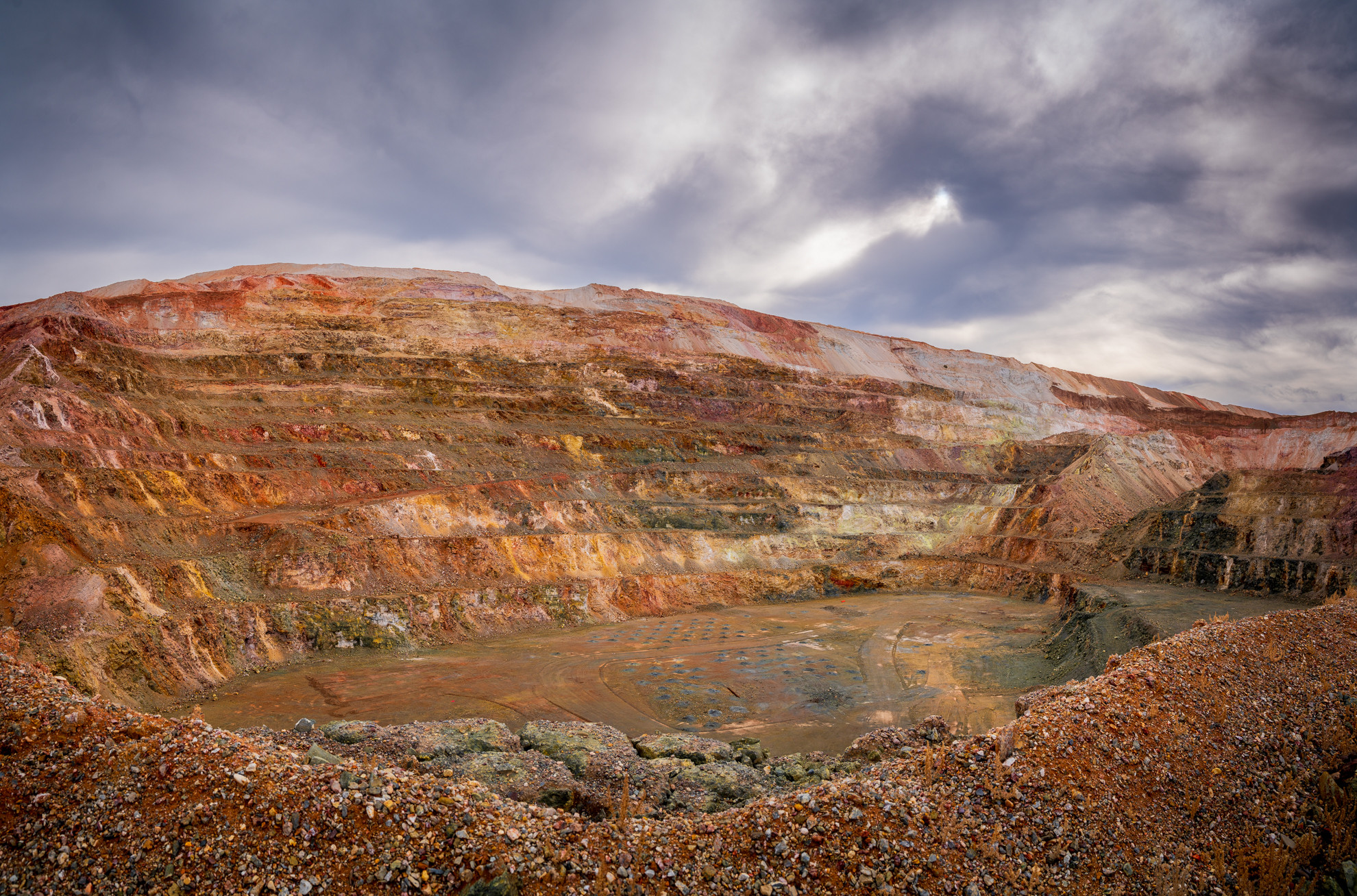
Candelaria's mining history stretches back to 1864, when it began as a high-grade underground silver vein system. Through the 1970s, 80s, and 90s, the property was converted into large-scale open pit mining, culminating with Kinross Gold as the last major operator. All told, Kinross and its predecessors mined roughly 68 million ounces of silver from the property before operations were shut down in the late 1990s due to low silver prices.
Crucially, Kinross never completed reclamation on the site, meaning the mine was technically never closed and its permits, while outdated, remain active. Since acquiring the property, Silver One has completed 20,000 to 25,000 metres of drilling to prove up what remains. Historic underground grades give a sense of just how rich parts of the system were, with material mined between 1864 and 1959 averaging 1,250 grams per tonne silver, and some modern drill intercepts returning well over 7,000 grams per tonne.
Resource Base & Economic Potential
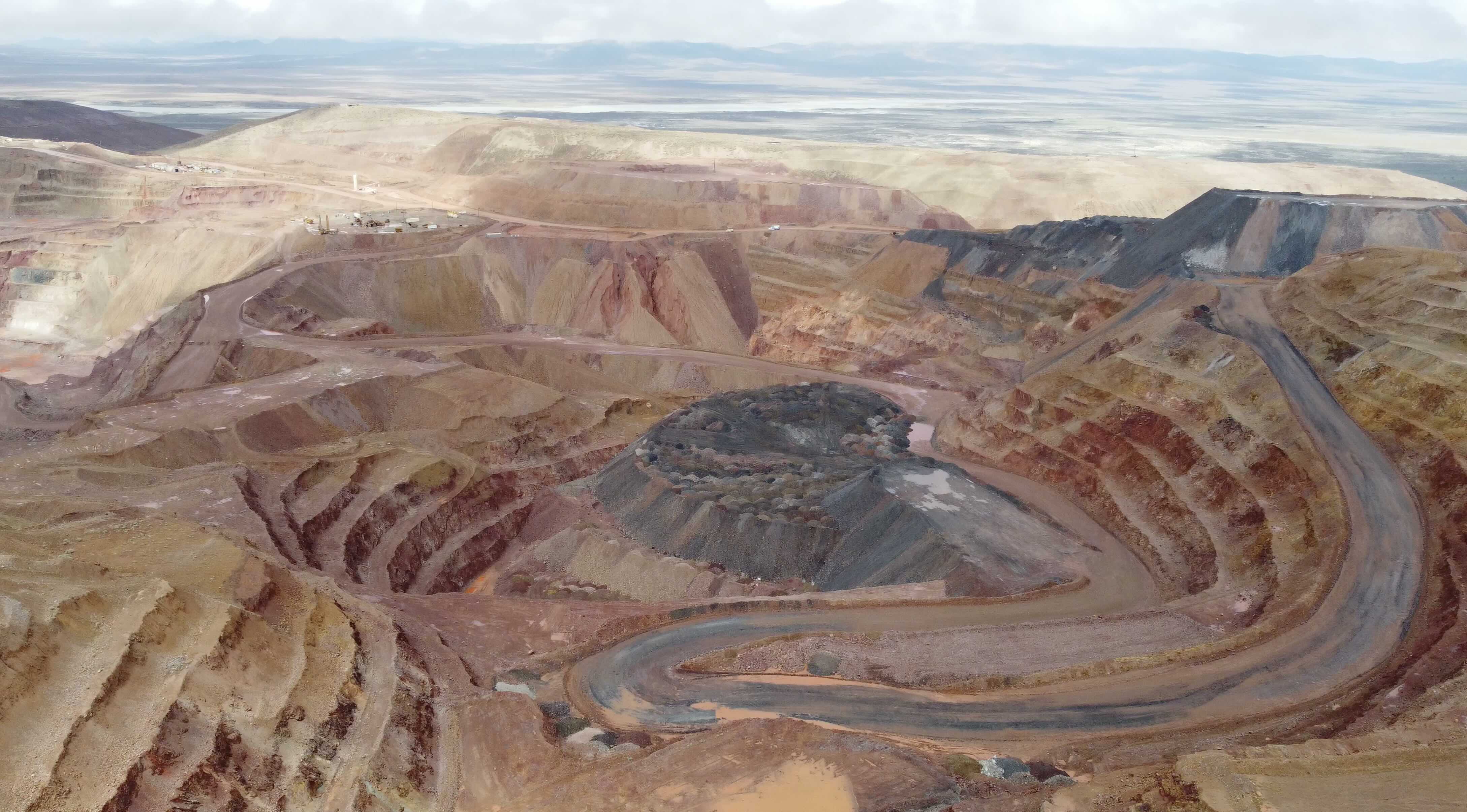
Silver One has already outlined a substantial, 43-101 compliant resource across the property. The two large open pits, Northern Belle and Mount Diablo, host 71 million ounces of silver measured and indicated, plus 7 million ounces inferred, with an early underground resource beneath them adding a further 6.5 million ounces measured and indicated and 3 million ounces inferred. Combined with the heap leach pad material left behind by Kinross, roughly 22 million tonnes at 42 g/t in Leach Pad One and 11.5 million tonnes at the same grade in Leach Pad Two, the property's total resource stands at 108 million ounces of silver equivalent measured and indicated, plus another 30 million ounces inferred.
Grades improve meaningfully with depth. Crowe laid out the trend directly:
"Our grades here on the heap leach pads are 42 grams per ton silver. Our grades around the pit are 90 to 110 grams per ton silver. And down dip, as we get more and more into mixed oxide sulfide mineralization, our grades are increasing to 200 to 300 grams per ton silver."
Management is now working toward a pre-feasibility study targeted for the end of the year, with plans to expand the pit outlines around both Northern Belle and Diablo into a single, combined super pit, pending confirmation of slope stability from geotechnical drilling already completed around the pit margins.
Metallurgy & Reprocessing the Heap Leach Pads
Recovering silver from oxide deposits like Candelaria has historically been difficult, and Kinross's own operations averaged only about 51% recovery, a figure Crowe noted is fairly typical for this style of deposit. Silver One's first attempts at reprocessing the heap leach pads using cyanide were disappointing, returning just 29% on Leach Pad One and 40% on Leach Pad Two, results that weren't compelling enough to pursue further at the silver prices of the time.
That changed with the involvement of Extract, working in partnership with engineering firm Bechtel, using a newer, non-toxic and non-cyanide extraction technology. VP of Exploration Raul Diaz summarized the improvement plainly:
"We are testing new technology which is non-toxic, non-cyanide, and that is friendly to the environment. And we are looking at recoveries that are sixty-six percent."
Recoveries using the new technology climbed to 64% on Leach Pad One and 70% on Leach Pad Two, a substantial jump from the historic baseline. Separately, testing on fresh material using traditional cyanide leaching, combined with high-pressure grinding roll (HPGR) crushing, has lifted recoveries there to 66%, roughly 30% higher than what Kinross achieved. The company has recently completed an auger drilling program on the heap leach pads specifically to upgrade the resource classification from inferred to measured and indicated, a necessary step before it can be included in a pre-feasibility study, while also collecting additional material for pilot-scale testing to confirm the new extraction method works at commercial volumes.
Permitting Path & Production Plan
Because Kinross never completed formal reclamation, Candelaria's mine permits were never fully closed, an unusual advantage Silver One is actively working to leverage. Crowe described four separate discussions already held with the Bureau of Land Management and the Nevada Department of Environmental Protection, both of which confirmed that the existing permits remain valid but need updating. Once the company submits a plan of operations, both agencies indicated that update could be completed within months rather than years.
The company's staged plan is to bring the heap leach pads into production first, representing roughly six to seven years of material, followed by the fresh open pit material, which offers a further six to seven years. Longer term, management is targeting a production rate of around 15,000 tonnes per day and 5 to 6 million ounces of silver annually, a level Crowe noted would place Candelaria among the largest silver producers in the country:
"That puts us in a pretty unique category. Right now, that would put us even a larger production than Coeur Mining...we could be number two or number three."
Infrastructure & Accessibility
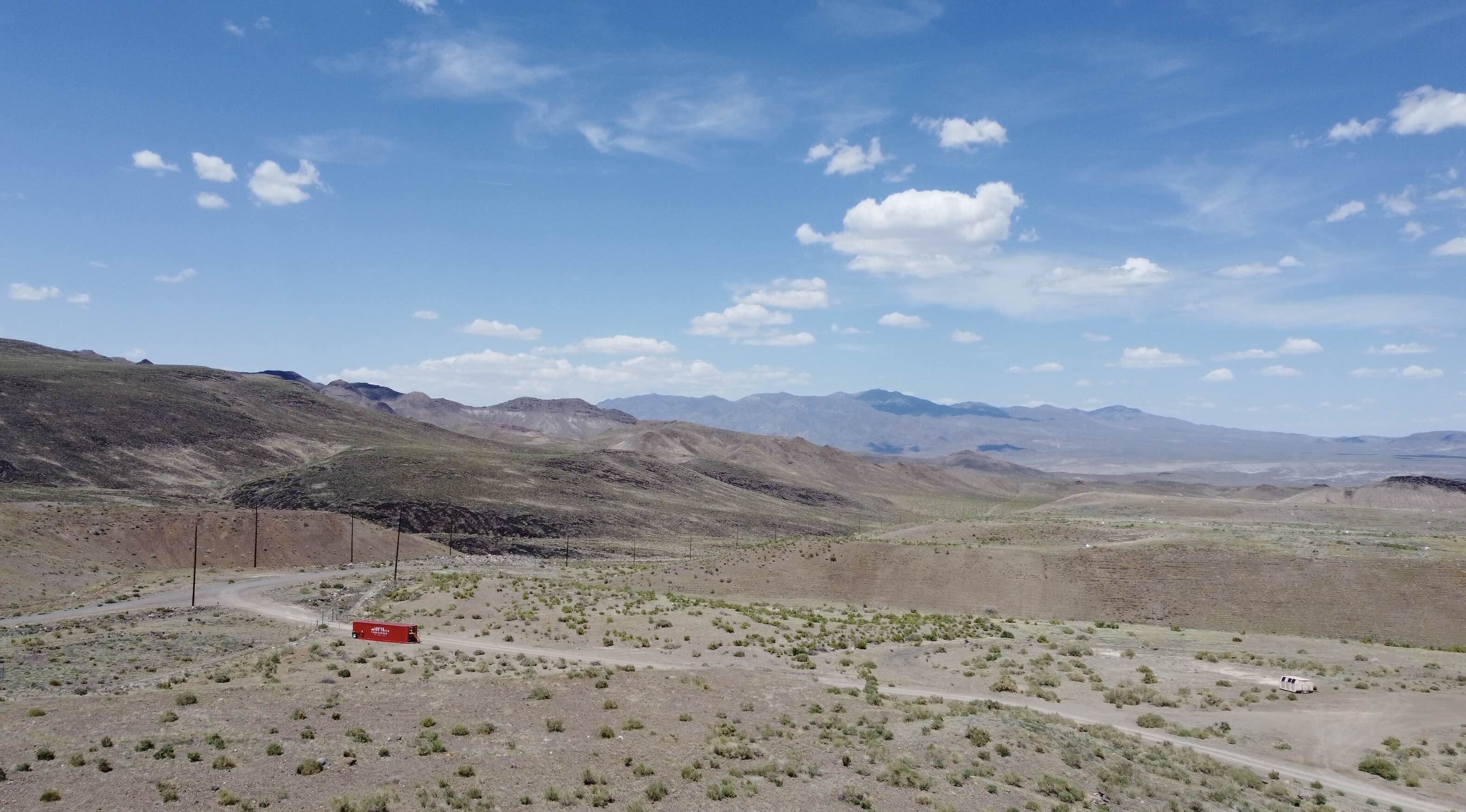
Candelaria sits close to the main highway connecting Reno and Las Vegas, with roughly two miles of paved road already reaching both heap leach pads. An active power line runs directly across the property, with the company already paying monthly electricity bills, and two water wells are established in the adjacent valley. Much of the old processing infrastructure has been removed, but the essential access, power, and water are already in place, a combination Crowe pointed to early in the visit as one of the two main reasons the project was worth acquiring in the first place.
Drilling Program & Resource Growth
Silver One Resources has just started a 20,000 to 25,000-metre exploration drill program, aimed primarily at extending mineralization along strike, down dip from both open pits, and into the gap between them. Project geologist Tom Watkins, who has worked at Candelaria since 2017, explained the geological setting driving that targeting, noting that mineralization at Northern Belle sits along the Pick Handle thrust, while Diablo's mineralization is hosted in the younger Candelaria formation siltstone, a unit that outcrops along 12 to 13 kilometres of strike length with strong geochemical and geophysical anomalies throughout.

Watkins was direct about the consistency of the target zone once a drill hole intersects it:
"The mineralization within the lower Candelaria shear is continuous down dip and along strike. So in both directions. Once you're in this structure, it's mineralized."
Two drill rigs are involved in the current program, a vertical rig already turning and a second, angled rig arriving within a month to a month and a half, capable of reaching roughly a thousand metres depth to test extensions further north with a shorter overall distance to target.
Geological Insights & Core Analysis
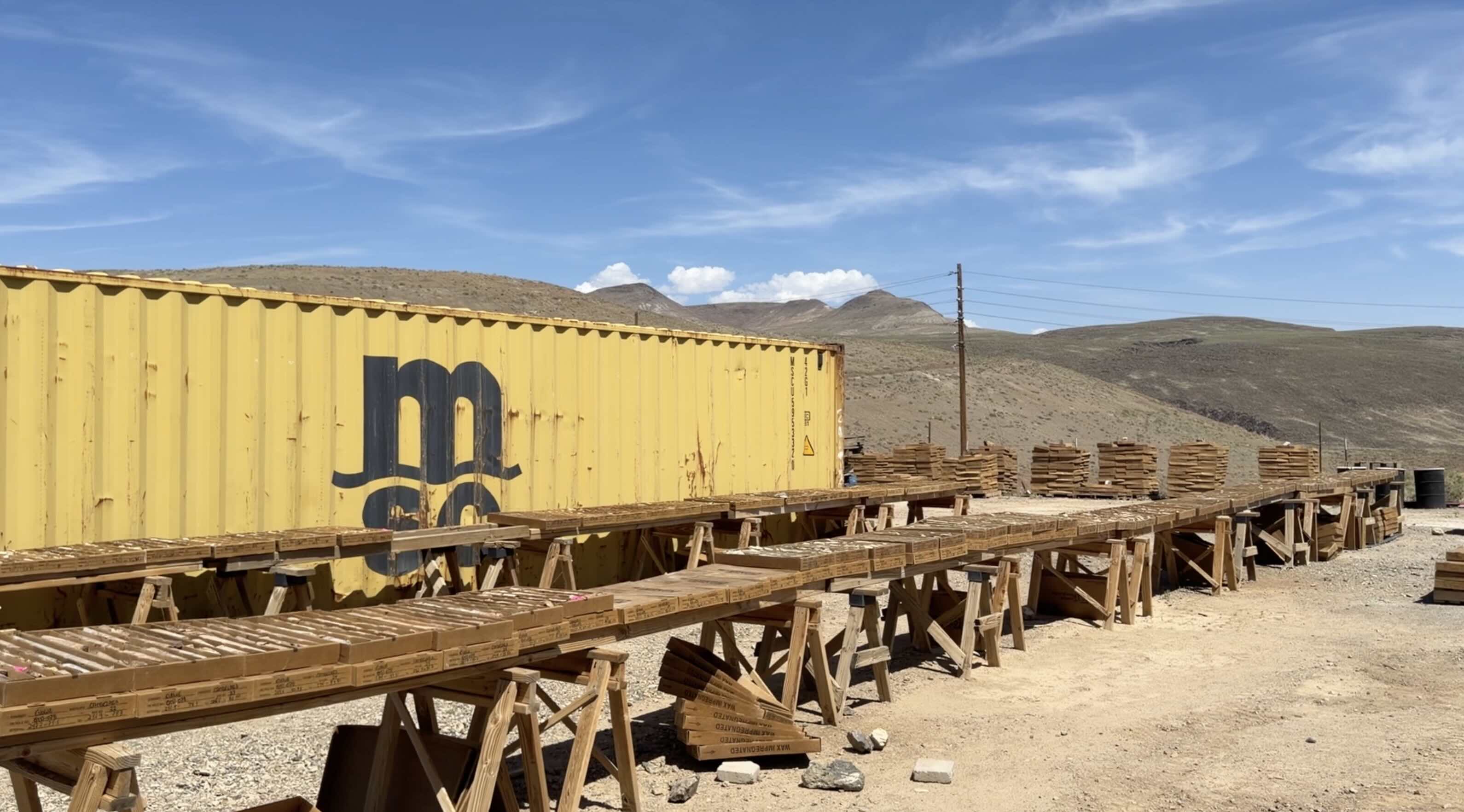
At the core shack, Watkins walked through recently drilled material from both the Diablo and Northern Belle pits. The strongest mineralization at Diablo occurs in what the team calls the lower Candelaria shear, a heavily broken, carbon-rich siltstone cut by quartz and dolomite veining, with the darker, carbon-rich zones carrying the best gold, silver, lead, and zinc values. Watkins pointed to the visible mineral zoning directly in the core, noting where cross-cutting intrusive dikes and sills either predate or are directly associated with the mineralizing event itself.
Beyond the two main pits, the property is also showing signs of a deeper porphyry copper system. Crowe highlighted a distinctive clue found in old workings west of the pits:
"There's some very good gem quality turquoise. It's so rich and such high gem quality that some local jewelers have taken samples and are marketing it as Candelaria turquoise. We do know what that signifies for us. It signifies that there's a copper source at depth."
Samples from the nearby Vanderbilt Adit have returned chalcopyrite mineralization grading 2.76% copper with silver and gold credits, while material from the Red Hill area shows copper oxide in a hematite-rich unit, both pointing toward an underlying porphyry system the company plans to test further.
Exploration Upside: Copper Potential & Untested Ground
Candelaria spans roughly 11 to 12 kilometres along strike and covers over 20,000 acres, yet only a small portion of that land package, the area immediately around the two main pits, has been explored in any detail. Crowe was candid about how early-stage that broader exploration story remains: the company recently completed an airborne ZTEM electromagnetic survey, combined with earlier induced polarization work and a property-wide magnetometer survey, to help vector toward untested extensions of the system, including an area to the northeast that hasn't yet been drill tested.
Management's stated priority, however, is squarely on getting the known resource into production first. As Crowe put it when asked about the copper potential specifically, the company intends to test it with a handful of holes but has no interest in funding a full porphyry copper development on its own:
"I don't want to spend hundreds of millions of dollars on developing a porphyry copper deposit. We'll concentrate on the silver. Let's get into production."
Team & Project Management
Alongside Crowe, VP of Exploration Raul Diaz brings four decades of silver-focused exploration experience, including prior involvement in discoveries that were ultimately developed into operating mines. Diaz described what drew him to Candelaria specifically:
"Candelaria turned out to be one of the greatest because it's not only high grade in the small veins, it is actually it's size. So it's scalable, it's open pit, and it has a huge footprint that gives us a lot of upside."
Geologist Tom Watkins rounds out the technical team, bringing a career that began in uranium exploration in the 1970s, moved through gold exploration in the western US, and included time at Entrée Gold working on porphyry copper targets in Mongolia before joining Candelaria in 2017.
Conclusion & Future Outlook
The visit to Candelaria left a clear impression of a large, historically rich silver system that had simply been shelved during a period of low prices, now being reactivated with meaningfully better metallurgy than the site's previous operators achieved. With a pre-feasibility study targeted for the end of the year, a faster-than-usual permitting path thanks to Kinross's incomplete reclamation, and an already substantial 108-million-ounce silver equivalent resource base, Silver One has a clear near-term path toward production.
Layered on top of that near-term plan is a genuinely large, underexplored land package, with early indications of a copper porphyry system at depth that management is testing opportunistically without letting it distract from the core silver story. For investors, Candelaria offers a combination of scale, improving economics, and exploration optionality that is increasingly rare to find in a single Nevada project.
FAQ's (AI-Generated)
Analyst's Notes





Subscribe to Our Channel




Stay Informed