




Geiger Energy Reports Strongest Hole at Fox Uranium Target on Kiggavik Trend in Nunavut



Geiger Energy's third Fox hole hits 89.8m of uranium mineralisation from 41m depth, peaking at 15,022 cps, as two discoveries shape 2027 Nunavut drill plans.
- Hole FOX26-003 intersected five main zones of uranium mineralisation over an 89.8-metre interval, with peak radioactivity of 15,022 counts per second (cps).
- Mineralisation begins at 41.0 metres depth, shallower than in the Fox discovery hole.
- All three holes drilled at Fox have intersected uranium mineralisation and/or extensive alteration across a 1.3-kilometre target that remains open.
- Fox and Apollo, both discovered in 2026, lie on the Andrew Lake Fault along strike from Orano's Kiggavik-area deposits.
- Assays for all 2026 drill holes are pending.
Geiger Energy Corp. (TSXV:BEEP) is a Canada-based uranium exploration company with about 338,000 hectares in Saskatchewan's Athabasca Basin and about 95,000 hectares in Nunavut's Thelon Basin. Its flagship Aberdeen Project in the Thelon Basin hosts the high-grade Tatiggaq and Qavvik discoveries, both shallow and open along strike and at depth, together with more than 50 high-priority targets. In the Athabasca Basin, the company is advancing the Hook Project, which hosts the near-surface ACKIO discovery, made up of at least nine mineralised pods beginning at 28 metres depth.
Fox Third Hole Returns 89.8 Metres of Mineralisation from 41 Metres Depth
FOX26-003 was drilled 25 metres northwest of the discovery hole and intersected intermittent elevated to high-grade radioactivity from 41.0 to 130.8 metres. The strongest zone measured 5.3 metres from 56.6 metres depth, peaking at 15,022 cps with an average of 3,417 cps. A deeper 18.0-metre zone from 112.8 metres peaked at 9,512 cps.
Counts per second measures natural radiation recorded by a probe lowered down the drill hole. These readings indicate the presence of radioactive minerals but do not replace laboratory assays, which determine actual uranium grades.
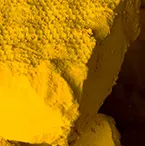
The uranium occurs mainly as pitchblende, a black uranium mineral, spread along fractures and broken rock and into the surrounding host rock. Pale-yellow secondary uranium minerals are also present in the drill core.
Three-for-Three Results Point to a Broad System Strengthening Toward Surface
Every hole drilled at Fox has intersected uranium mineralisation and/or extensive alteration. Alteration refers to chemical changes in rock caused by hot, mineral-rich fluids, known as a hydrothermal system. At Fox, this includes clay, limonite, sooty pyrite and red hematite, a combination typical of uranium-mineralised systems in the region.
FOX26-002, drilled 25 metres southwest of the discovery hole, intersected alteration similar to the discovery hole. It included an elevated radioactive zone from 163.2 to 169.7 metres and a thick clay-altered fault zone to 250 metres.
The mineralisation is structurally controlled, meaning it follows faults and fractures in the rock. Together, the three holes confirm a broad uranium-bearing system rather than a single occurrence, with radioactivity becoming more intense toward surface.
President and CEO Rebecca Hunter said:
"Every hole at Fox has hit mineralization or the alteration that surrounds it, and we have tested only a fraction of the target."
Two Discoveries Along the 17-Kilometre Andrew Lake Fault Corridor
The Andrew Lake Fault is the main structural corridor associated with Orano's Kiggavik-area deposits. These deposits carry a historical estimate of about 127 million pounds of uranium oxide (U₃O₈), which Geiger has not independently verified. The corridor extends about 17 kilometres across the Aberdeen Project.
Fox and Apollo, located 10 kilometres apart, were generated from Geiger's interpretation of gravity, magnetic and structural data and were undrilled before 2026. Fox targets two joined gravity-low anomalies, areas where the rock is less dense than its surroundings. Numerous similar gravity anomalies along the corridor have yet to be drilled.
President and CEO Rebecca Hunter said:
"We are drilling what we believe is an emerging uranium district, and the corridor gives us a compelling roadmap for systematic drilling in 2027."
Milestones and Next Steps
Geiger will report assay results for all 2026 drill holes once they are received. These will provide the first laboratory-confirmed uranium grades from Fox. For 2027, Geiger plans follow-up drilling at Fox and Apollo alongside systematic testing of look-alike gravity targets along the Andrew Lake Fault corridor.
Analyst's Notes





Subscribe to Our Channel
%20(1)%20(1).jpg)
.jpg)
Stay Informed


