




Impact Minerals' Dual High-Purity Alumina Pathway with Scoping Study Undercutting Peers on Capital


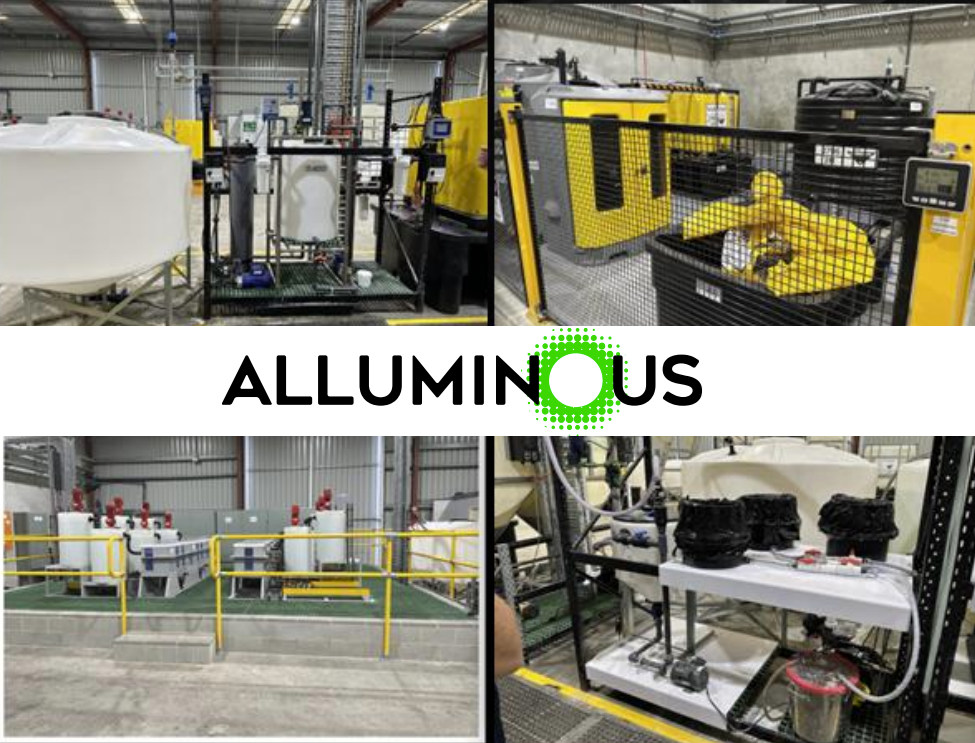
Impact Minerals' Alluminous scoping study models a US$362m NPV and quarter the capital cost of HPA peers, with Lake Hope adding a second pathway.
- Impact Minerals' 50%-owned Alluminous scoping study models a post-tax NPV of A$518 million and a 42.3% IRR for a staged 2,000-to-4,000 tpa US high-purity alumina plant.
- Alluminous's modelled capital intensity of roughly US$18.5 million per 1,000 tpa compares favourably with an estimated US$75-100 million for listed peers Alpha HPA and Advanced Energy Minerals.
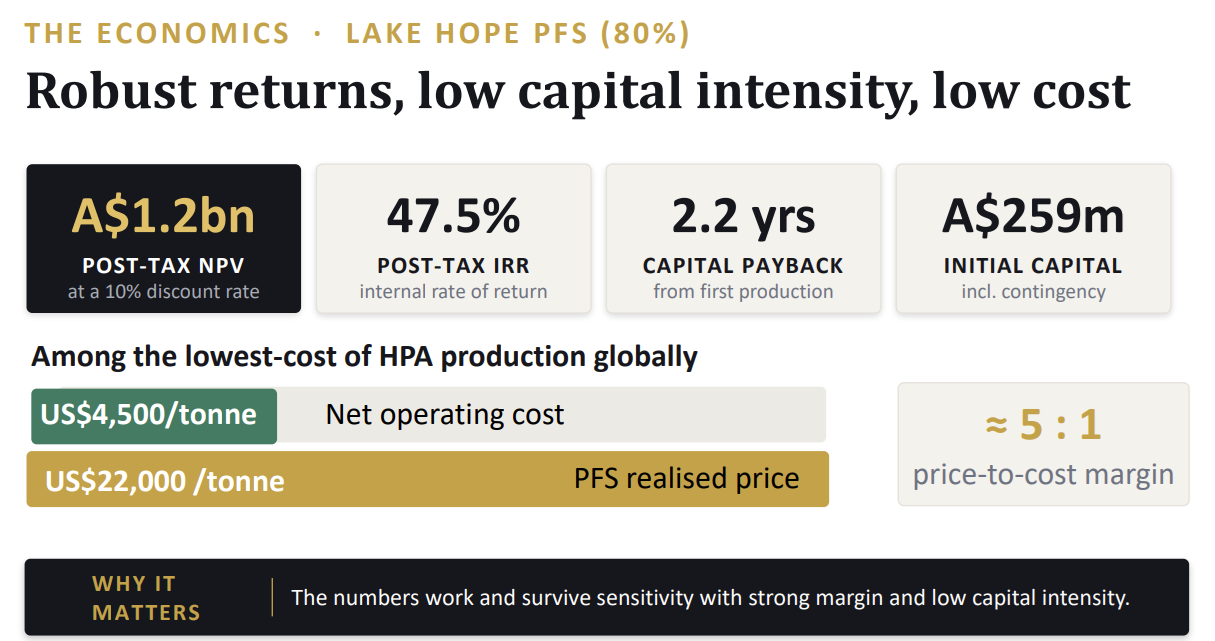
- Lake Hope, Impact's 80%-owned flagship Western Australian project, carries its own separate Pre-Feasibility Study modelling a A$1.2 billion NPV and 47.5% IRR on a naturally low-uranium, low-thorium feedstock.
- Alluminous's technology is progressing through customer qualification with US battery-technology partner C4V, while the Perth pilot plant works toward continuous rather than batch operation.
- Neither project has secured binding offtake or project debt, and Impact closed a A$4.13 million entitlement offer on 9 September 2026 to help fund continued development.
High-purity alumina (HPA) has quietly become one of the more strategically sensitive materials in the critical-minerals conversation, sitting inside lithium-ion battery separators, semiconductor thermal fillers and the sapphire glass on every smartphone screen. Supply is concentrated and thin, Western governments are actively funding onshoring, and the handful of listed developers chasing it have historically needed enormous capital to get there. Impact Minerals (ASX:IPT) is arguing it doesn't have to be that expensive - and its 7 September scoping study for Alluminous, its 50%-owned US-focused HPA technology, is the first independent test of that claim.
Two Pathways, One Strategy
Impact is running two HPA developments in paralle: Lake Hope which uses a natural aluminous lake-sediment feedstock in Western Australia and has a completed Pre-Feasibility Study, and Alluminous uses a patented solvent-extraction process on purchased chemical feedstock and is technology-agnostic to location. Managing Director Dr Mike Jones frames the two as complementary rather than competing. Lake Hope's natural feedstock is inherently low in uranium and thorium, opening a semiconductor pathway that typically requires extra processing for competitors, while Alluminous is modular, capital-light and already in customer qualification with US battery-technology group C4V, based near Binghamton University.
Project Economics
NewPro Consulting & Engineering Services modelled four development cases for Alluminous, comparing Perth against a US Gulf Coast site. Impact's preferred pathway, Case 4, stages a Houston-area plant from 2,000 tonnes per annum (tpa) to 4,000 tpa as customer qualification and offtake mature. It models a post-tax NPV8 discount rate of A$518 million ($362.4 million), a post-tax IRR of 42.3%, and a capital payback of roughly 3.8 years, on total installed capital of $74 million at full 4,000 tpa capacity. Net operating cost, after crediting the ammonium sulphate by-product, comes in just under US$9,000 per tonne of HPA. Jones puts the scale of the advantage plainly:
"We've got something here that's about one-quarter of the capital cost to be able to build the output of HPA. It's really quite extraordinary."
Lake Hope's PFS completed in June 2025, models a separate A$1.2 billion post-tax NPV10 discount rate, a 47.5% IRR, and A$259 million of initial capital - numbers not combined with the Alluminous case, since the two are run and owned independently.
Capital Efficiency vs Peers
The competitive claim rests on capital intensity. Impact's roadshow materials put listed peers Alpha HPA and Advanced Energy Minerals (AEM) at roughly $75 million and $100 million per 1,000 tpa of installed capacity respectively, against Alluminous's modelled $18.5 million. Jones attributes the gap to the process itself rather than any exotic feedstock advantage and notes operating costs still land in the same range as incumbents, meaning the differentiation is capital efficiency, not a step-change in running costs.
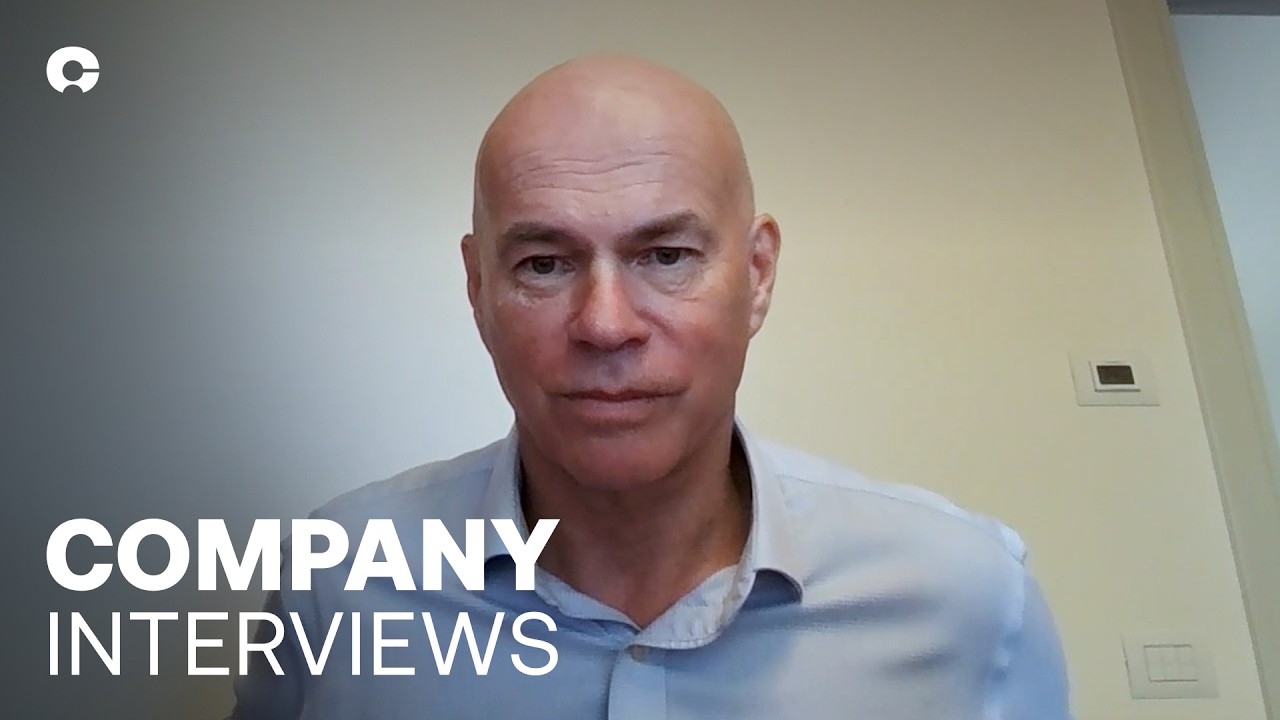
Interview with Dr. Mike Jones, MD of Impact Minerals Ltd.
Catalysts and Technical Progress
The Alluminous pilot plant in Perth is currently producing HPA in batch mode; management is targeting continuous operation in the next quarter as per Jones. Alluminous has shipped material to C4V for battery-separator testing, with positive physical-specification feedback reported, and the Perth pilot is slated for expansion into a demonstration facility and technology-development hub once the commercial US plant advances.
On Lake Hope, independent testing has already confirmed uranium and thorium below 1 part per billion without a dedicated removal step - a natural advantage Jones argues most semiconductor-grade HPA competitors have had to engineer their way into. Lake Hope's own DFS is expected to begin in 2027, running into 2028, roughly one to two years behind Alluminous's own construction-decision timeline.
The Investment Thesis for Impact Minerals
- Watch the Texas Gulf Coast site-selection study and FEL-1 feasibility work - the next formal de-risking step for the preferred Alluminous case, expected to follow the scoping study.
- Confirm continuous pilot-plant operation. Batch-to-continuous conversion, targeted for next quarter, is the precondition for validating the back-end filtration and drying steps at scale.
- Track further C4V validation. Positive physical-specification feedback is encouraging but stops short of full electrochemical validation or a customer qualification agreement.
- Lake Hope's DFS timeline (2027-2028) runs behind Alluminous - a slower, complementary asset with its own A$1.2bn NPV PFS, offering diversification within the same HPA thesis.
- No offtake or project debt is yet secured for either asset - funding risk remains live; Impact closed a A$4.13 million entitlement offer on 9 September 2026, and further raises are plausible as construction milestones approach.
- Broken Hill and Commonwealth provide non-dilutive optionality - both are free-carried or minimum-expenditure only, insulating the HPA strategy from exploration cost drag.
- Government critical-minerals funding is a swing factor not priced into the study - US Department of Energy/Department of War interest and Australia's existing A$2.87m CRC-P grant support could improve project economics if they materialise as grants or offtake-linked financing.
Macro Thematic Analysis
Impact's twin-pathway bet lands inside a much larger structural shift. Global supply chains for fuel, fertiliser and critical minerals have been visibly strained by the Strait of Hormuz disruption and broader Middle East tensions through 2026, accelerating a policy push across Australia, the US and Europe toward onshored, self-sufficient critical-mineral supply. HPA sits squarely in that basket: it's a feedstock for battery separators, semiconductor thermal management and sapphire optics, markets management estimates growing at roughly 20% annually toward a US$15 billion-plus market by the early 2030s, with a structural 4N-grade supply deficit already forecast to open from around 2026. China dominates current HPA output, giving Western buyers - and Western governments - a direct incentive to qualify new, non-Chinese suppliers regardless of scale. Jones frames the demand side in terms borrowed from economics:
"We believe that Jevons' paradox will apply to HPA - the more people find uses for it, and the more low-cost producers come out like ourselves, the more end-uses will be found for it."
The wager is that falling production costs won't shrink the addressable market but expand it, pulling in applications that aren't economic at today's HPA prices. That's a bet on demand elasticity as much as on Impact's own technology - and one that only pays off if the qualification and de-risking work now underway actually closes the gap between scoping-study economics and a bankable feasibility study.
TL;DR
Impact Minerals' 50%-owned Alluminous has released an independent scoping study for a staged 2,000-4,000 tonnes per annum US high-purity alumina plant, modelling a US$362.4m post-tax NPV, 42.3% IRR and roughly a quarter of listed peers' capital intensity. Alongside 80%-owned Lake Hope's completed PFS (A$1.2bn NPV), Impact is pursuing two independent, naturally complementary HPA pathways into battery, semiconductor and sapphire markets. Both remain early-stage: no offtake, no project debt, and further engineering and site-selection work required before a final investment decision.
FAQs (AI Generated)
Analyst's Notes





Subscribe to Our Channel



Stay Informed


