




Cabral Gold's Ahead-of-Schedule First Pour Already Eyeing for Phase 2 and Ramp-Up


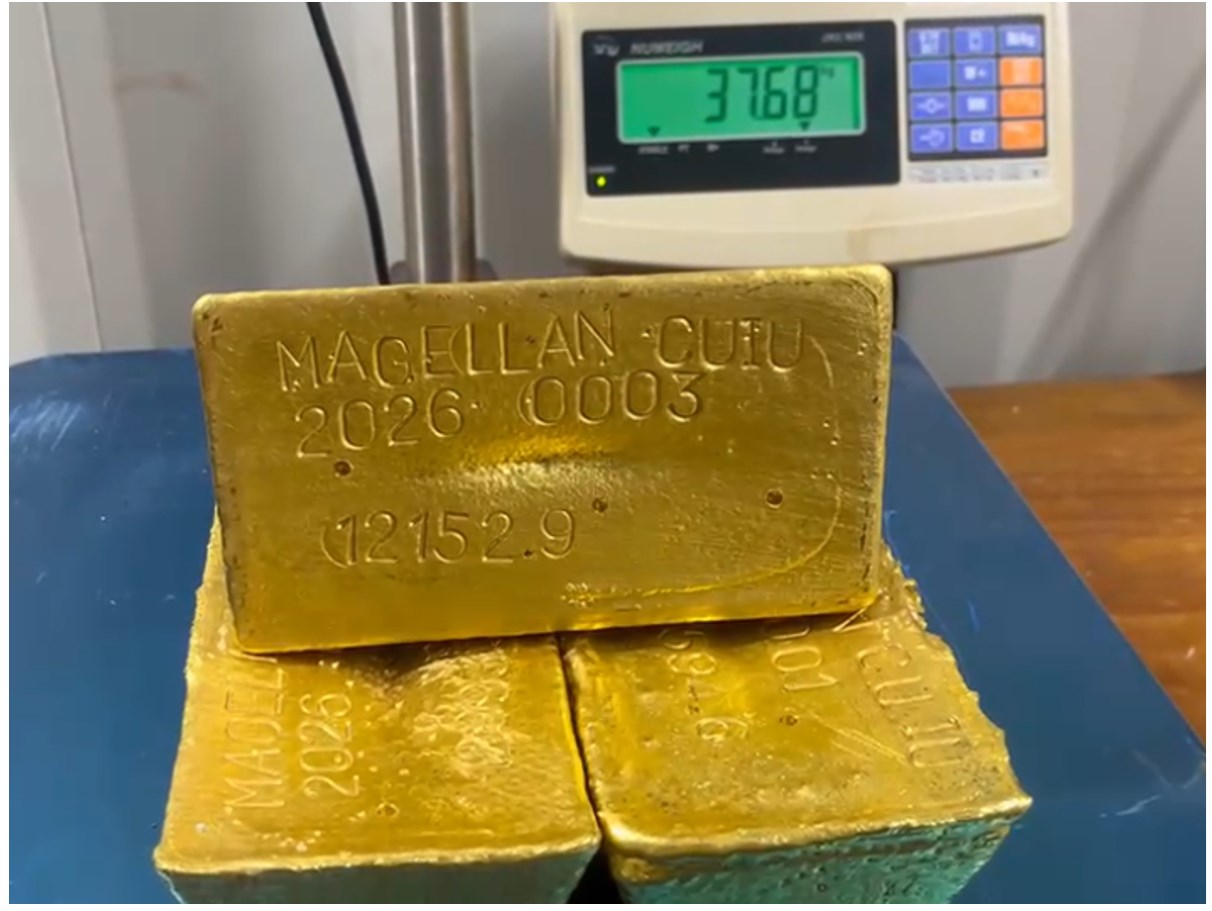
Cabral Gold's first gold pour beat expectations at 1,130 oz. Alan Carter details the 2027 guidance timeline and self-funding path to Phase 2 hard rock.
- Cabral Gold's first gold pour produced approximately 1,130 ounces of gold, coming in well above management's own expectations.
- Construction of the Phase 1 mine is running roughly two months ahead of its original schedule.
- Management will not issue 2026 production guidance during ramp-up, but expects to provide formal 2027 guidance as early as January.
- A US$45 million strategic investment from Alpayana gives Cabral a 9.99% shareholder and supports a self-funding growth strategy with less reliance on dilutive financing.
- A district resource update due by year-end, covering six gold deposits versus three in 2022, could support a Phase 2 hard rock PEA in early 2027.
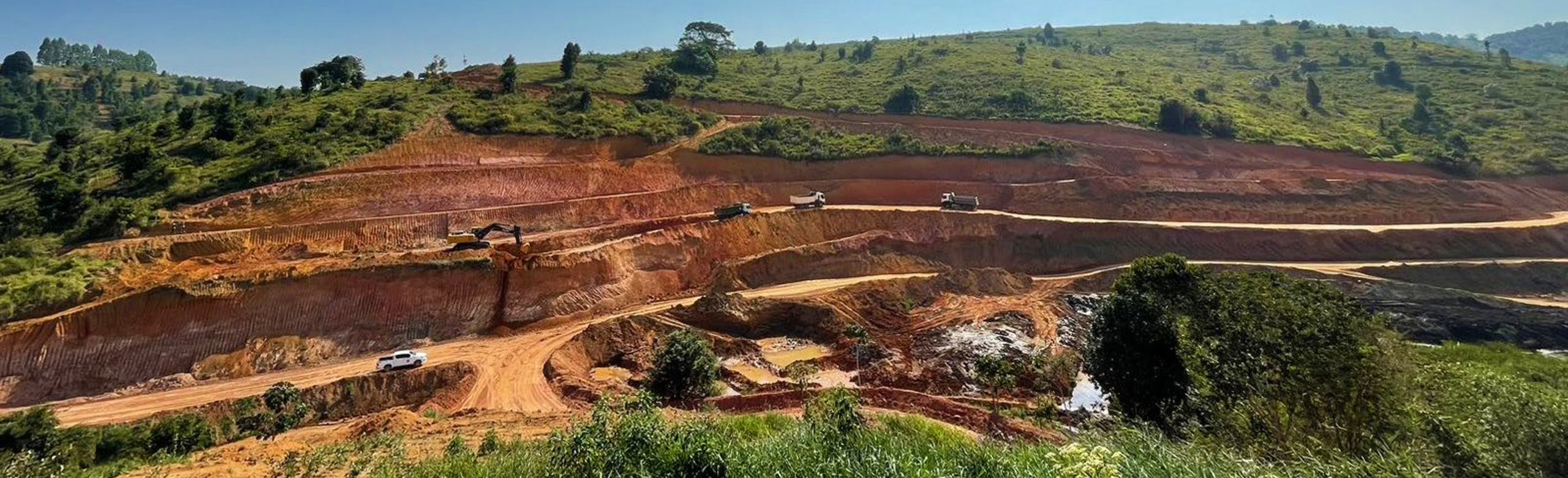
Cabral Gold Inc. (TSXV:CBR) has confirmed the first gold pour at its 100%-owned Phase 1 Cuiú Cuiú mine in Pará state, Brazil, producing approximately 1,130 ounces from doré that assays at roughly 93-94% gold. For a junior that only secured project financing twelve months ago, the milestone marks the transition from developer to gold producer, arriving with the construction programme roughly two months ahead of schedule. President and CEO Alan Carter stated how the result came in well above the company's own expectations, and that the bigger prize, a much larger hard rock resource beneath the oxide material now being mined, is moving back into focus as management builds toward commercial production and a district-wide resource update by year-end.
First Gold Confirms Early Metallurgical Performance
The dore bars produced during commissioning have been sent for refining, with a formal assay report still pending. Carter said the oxide material on the first heap leach pad is leaching faster than anticipated in laboratory testwork, and that gold is still being recovered from that pad as leaching continues. Management will need several more weeks of data before it can fully reconcile the grade mined against the amount of gold recovered, but the early signal is positive.
Commissioning of the dry circuit, covering crushing and stacking, is complete. The wet circuit, which handles leaching and gold recovery, is close behind, with Carter estimating completion within the next week or so.
Ore stacking rates are being increased in stages toward a 3,000 tonne-per-day design target, a process Carter said will take several weeks to complete. Day-to-day operational control sits with a process manager overseeing roughly 40 staff, supported by a control room tracking belt speeds, throughput volumes and cement dosing in real time.
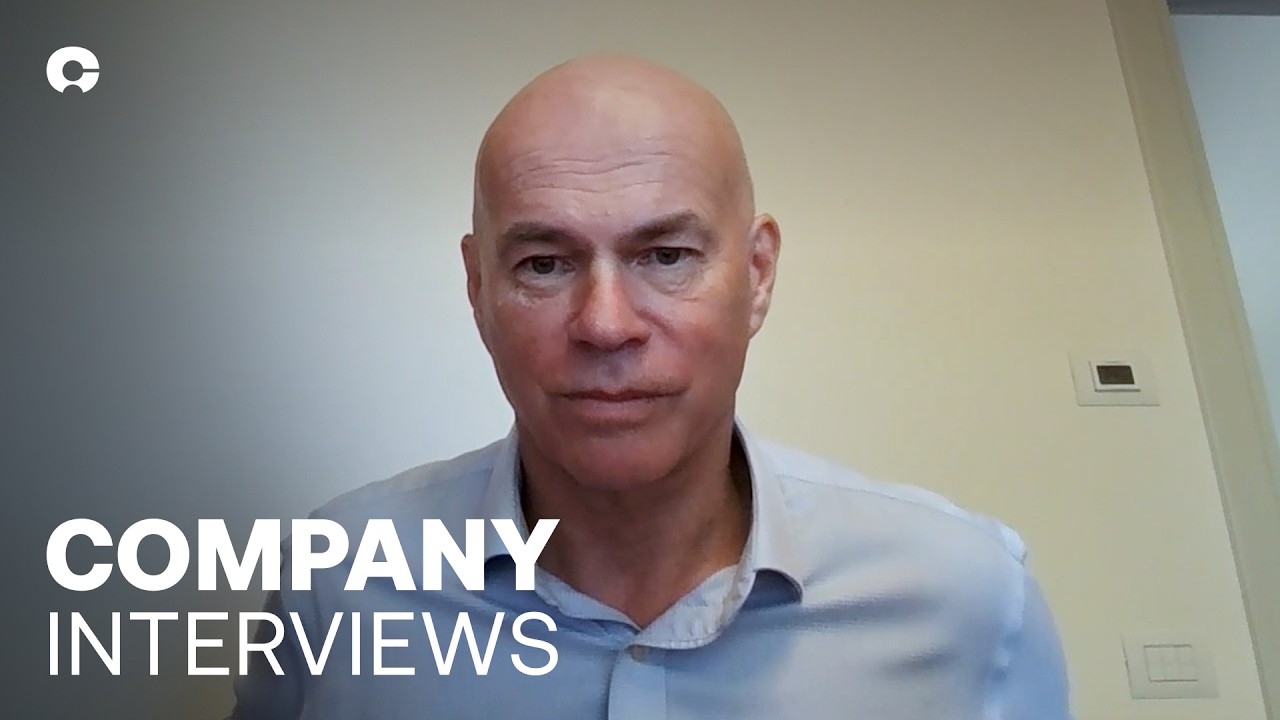
Interview with Alan Carter, President & CEO of Cabral Gold
Guidance Timeline and the Cash Flow Case
While ramp-up variables remain unresolved, Carter expects to provide formal guidance for calendar 2027, possibly as early as January. Drawing on the company's prior-feasibility study, now around eighteen months old by Carter's own reckoning, he pointed to first-year production of 20,000 to 25,000 ounces at an estimated margin of approximately $3,300 an ounce, implying pre-tax cash flow in the order of $80 million in year one before any expansion. Carter noted that most gold producers trade at six to twelve times cash flow, suggesting meaningful re-rating potential once production is established, though he was careful to caveat the underlying study as dated.
Funding Growth Without Diluting Shareholders
A recent $45 million strategic investment from Alpayana, described by Carter as Peru's largest private mining company, gave Cabral a 9.99% strategic shareholder within the last few weeks. Combined with the cash flow potential from Phase 1, management argues this reduces the company's need to return to equity markets annually to fund exploration.
"It gives us so much more flexibility. We're not at the mercy of the market, having to go back every year and do another equity financing and dilute the capital structure," Carter said.
District Growth: Six Deposits, Fifty Targets
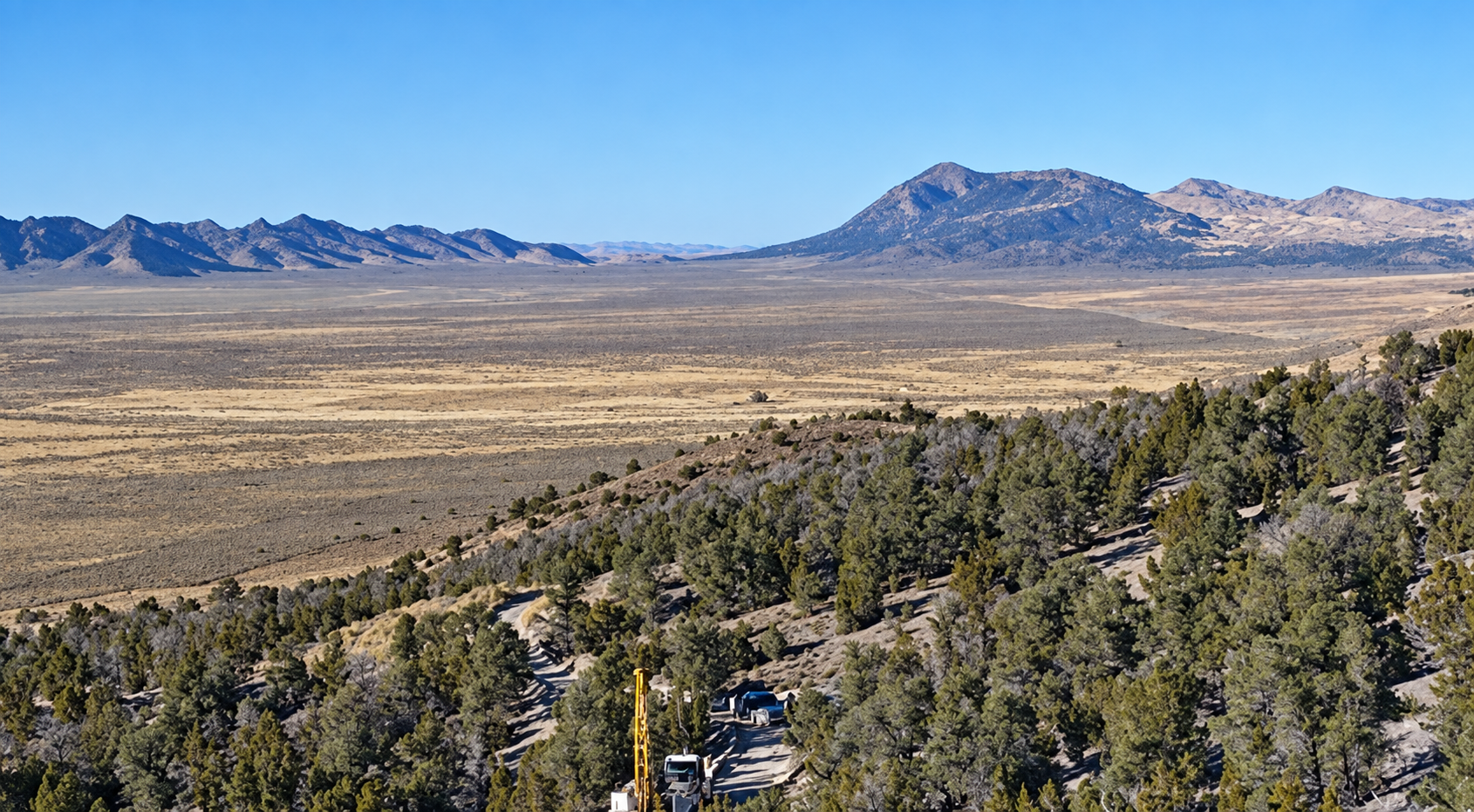
This year's focus remains squarely on ramping up the oxide-hosted Phase 1 operation, but Cabral is preparing a district-wide resource update by year-end that will model six gold deposits at Cuiú Cuiú, up from three in the last global estimate published in September 2022. Roughly 50,000 metres of drilling has been completed since that update. Carter said the district hosts around 50 additional peripheral targets, several only lightly drilled, including boulder fields averaging 90 grams per tonne gold across ten to twelve targets. A meaningful increase in the resource base would support a formal Preliminary Economic Assessment on the underlying hard rock material, which Carter said accounts for roughly three-quarters of the district's known gold ounces.
The Investment Thesis for Cabral Gold
- The first gold pour of approximately 1,130 ounces landed well above management's own expectations, with high-grade doré supporting early confidence in metallurgical recovery.
- Stacking rates are still ramping toward the 3,000 tonne-per-day design target; watch for confirmation of steady throughput over the coming weeks.
- Management is deliberately withholding 2026 guidance during ramp-up, with formal 2027 guidance targeted as early as January - a concrete near-term catalyst.
- A district resource update covering six gold deposits, up from three in 2022, is due by year-end and could trigger a Phase 2 hard rock PEA in early 2027.
- The US$45 million Alpayana strategic investment reduces near-term reliance on dilutive equity raises, reinforcing a self-funding growth thesis.
- Approximately 75% of the district's known gold ounces sit in hard rock beneath the oxide material currently being mined, representing the larger long-term opportunity.
- Watch items: refinery assay confirmation on the first doré bars, completion of wet-circuit commissioning, and stacking-rate progression toward design capacity.
Cabral's story fits a pattern investors have rewarded elsewhere in the junior gold space: a company that funds its own growth rather than returning to the market annually to dilute shareholders. Carter framed the opportunity directly in valuation terms:
"Most gold producers are valued at somewhere between 6-12 times cash flow. Take the average of that, nine times cash flow on say $80 million, that gets to be a significant number. Anybody should be conscious of the fact that there are quite a lot of near-term catalysts here in the next few months."
Whether that specific multiple applies to Cabral will depend on execution through ramp-up, but the underlying logic, that near-term cash generation from a low-capital-intensity oxide operation can self-fund exploration into a much larger hard rock resource, is the thesis management is explicitly selling to the market. With six drill rigs turning and a resource update due before year-end, the district's scale is likely to become clearer well before the market gets a first look at 2027 production guidance, giving investors two distinct catalysts to track over largely the same window.
TL;DR
Cabral Gold poured its first gold at Cuiú Cuiú, roughly 1,130 ounces, above management's own expectations, with the mine built about two months ahead of schedule. Stacking is ramping toward a 3,000 tonne-per-day target and 2026 guidance won't be issued during ramp-up, with 2027 guidance possibly as early as January. A US$45 million Alpayana investment supports a self-funding growth thesis, while a year-end resource update covering six deposits could set up a Phase 2 hard rock PEA in early 2027.
FAQ (AI-generated)
Analyst's Notes





Subscribe to Our Channel



Stay Informed






















