




Iran War Disruptions Support $90 Oil While AI Power Demand Drives Investment Into US Natural Gas


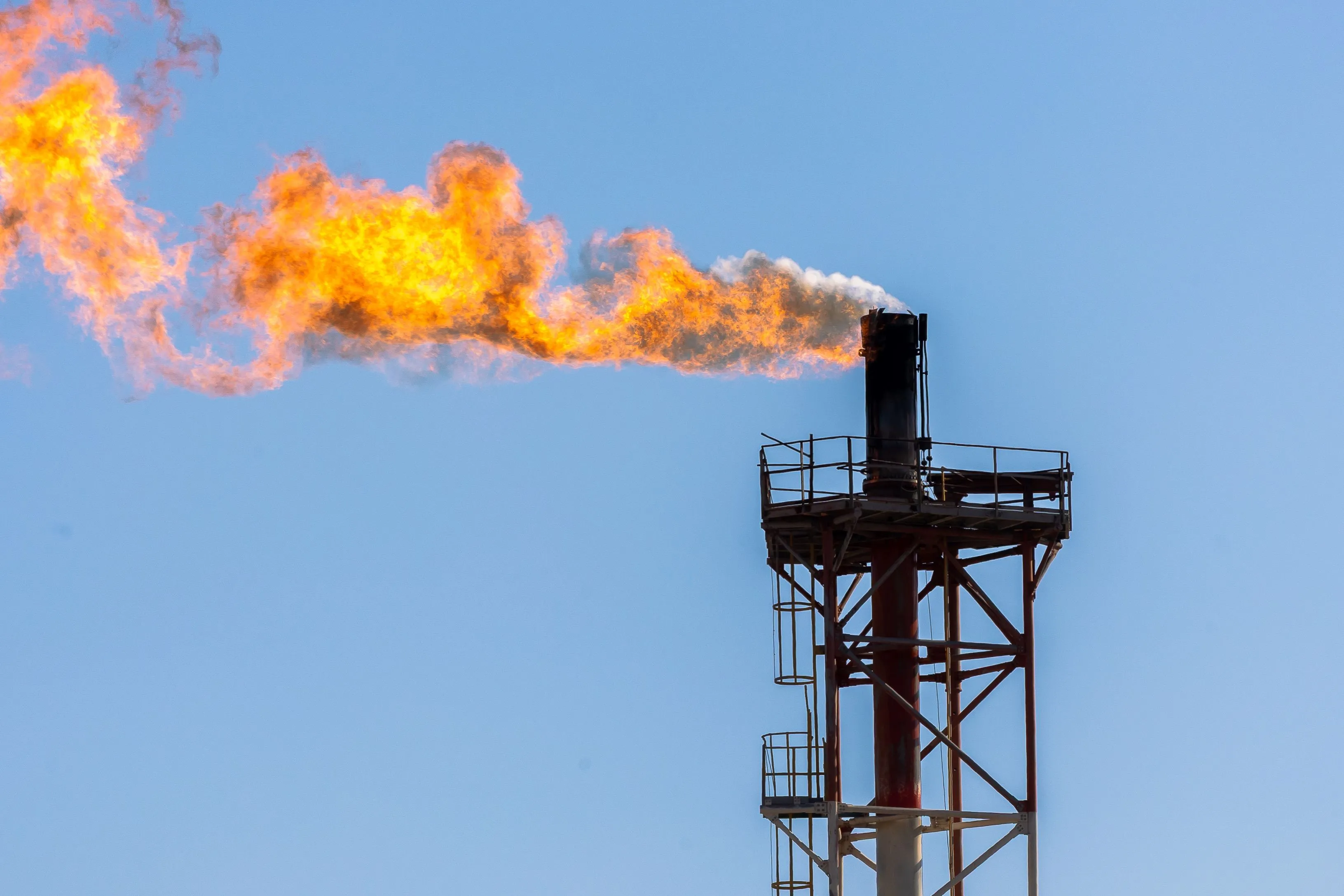
Iran war disruptions, tighter oil supplies, and AI-driven power demand are accelerating investment in US natural gas and Gulf Coast infrastructure.
- US crude inventories fell 7.2 million barrels to 426.5 million, beating forecasts for a 4 million barrel draw. Since February 28, stocks have dropped 79 million barrels, tightening supply buffers.
- Brent rose to $92.98 and WTI to $90.10 after Iran announced the closure of the Strait of Hormuz, though prices later eased after the US military said commercial transit continued.
- Gunvor financed Western Natural Resources' ~$300 million Haynesville acquisition, citing growing gas demand from AI data centers and energy security concerns following the Iran war.
- FERC approved PJM's expedited interconnection process, allowing up to 10 projects annually to secure agreements within 10 months and enter service within three years amid rising US power demand.
Iran Escalation Keeps Brent Near $90 as US Crude Stocks Continue to Tighten
Brent rose to $92.98 per barrel and WTI to $90.10 after Iran threatened to close the Strait of Hormuz, but both pared gains after the US military said commercial shipping through the waterway continued.
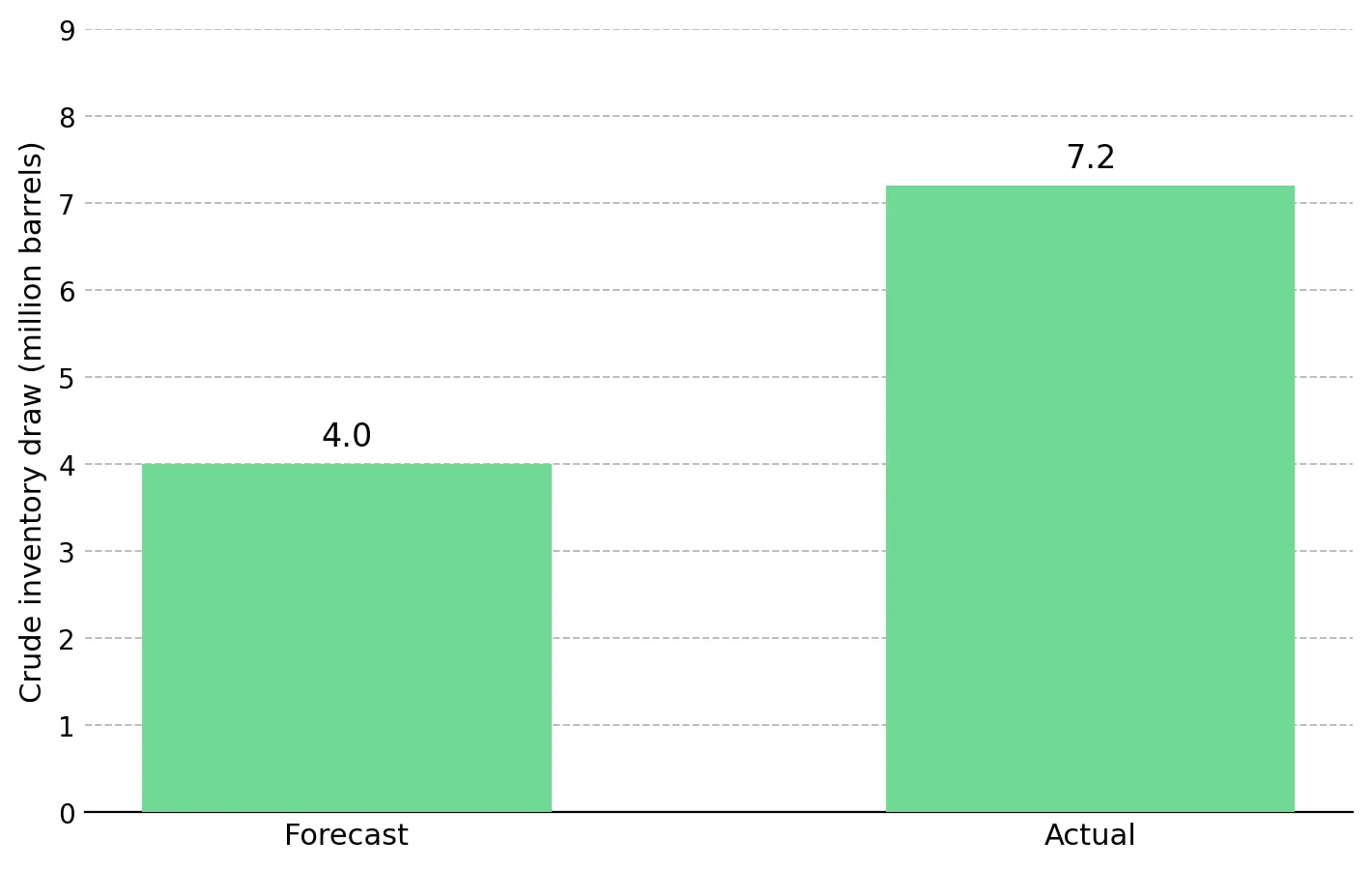
The EIA reported a 7.2 million barrel crude draw on June 5, reducing US inventories to 426.5 million barrels. Since February 28, US crude stocks and strategic reserves have fallen by 79 million barrels, with ING warning that continued Gulf export disruptions could support higher oil prices through Q3.
OPEC Output Falls to a Two-Decade Low, Supporting Oil Prices Beyond Any Ceasefire
OPEC output fell to its lowest level since 2000 in May as the Iran conflict disrupted exports from Iran and other Gulf producers, reflecting supply constraints rather than deliberate production cuts.
Indian refiners said they have secured crude supplies through at least August from ADNOC and other exporters, reducing near-term buying needs but not increasing global supply.
Brent above $90 per barrel raises diesel, explosives, and haulage costs for miners. With US inventories down 79 million barrels since February 28, further Hormuz disruptions could increase cost pressure across the mining sector.
Gunvor's $300M Haynesville Deal Signals Rising Investor Demand for US Natural Gas
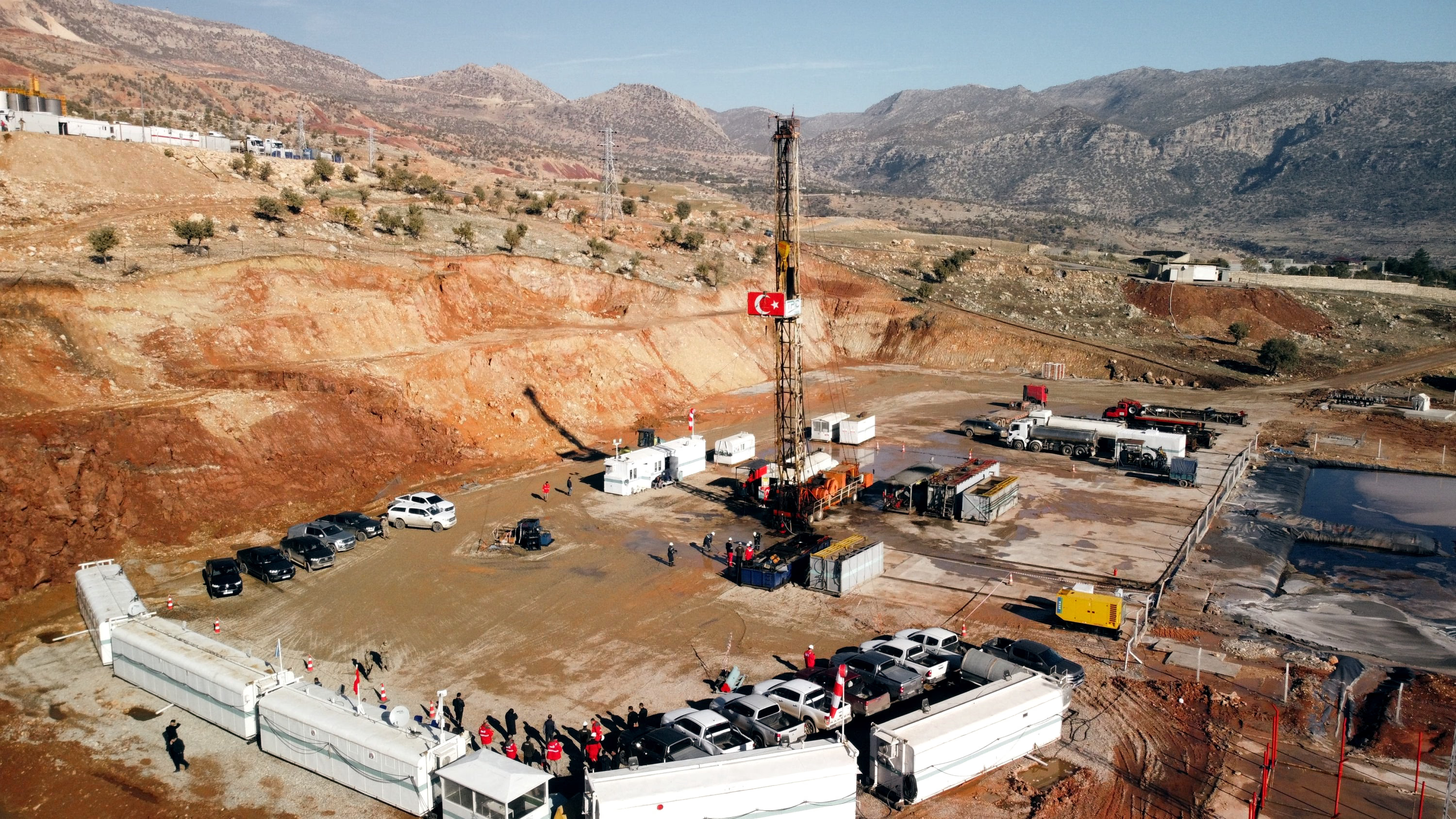
Gunvor backed Western Natural Resources' roughly $300 million acquisition of Haynesville shale assets and said Western is pursuing additional Gulf Coast-linked gas acquisitions.
The firm cited rising AI-driven gas demand and growing interest in non-Middle East energy supplies after the Iran war. The deal signals confidence in long-term US gas demand and LNG export growth.
For gas producers, the transaction shows investors were willing to commit about $300 million to Haynesville assets ahead of additional long-term gas sales agreements.
FERC Grid Fast-Track Could Accelerate Gas Demand From AI Data Centers
FERC approved PJM's expedited interconnection process on June 10, allowing up to 10 large generation projects annually to secure grid connections within 10 months and begin operating within three years. The program, effective July 31 through 2027, is intended to accelerate the deployment of ready-to-build power projects.
The approval comes as US electricity demand is projected to keep rising through 2027, driven by AI data centers and electrification. Alongside Gunvor's Haynesville investment and the UAE's planned West-East pipeline expansion, the PJM program highlights 2027 as a pivotal year when new power generation, gas supply, and export infrastructure could reshape global energy markets.
AI Power Demand & LNG Growth Support US Natural Gas Producers Through 2029
The Gunvor-Western Haynesville deal, FERC's approval of PJM's expedited interconnection process, and the 79 million barrel decline in US oil inventories all point to growing investment in US energy supply and infrastructure. US gas producers with Gulf Coast exposure could benefit from rising AI-driven power demand and stronger interest in US energy exports following the Iran war.
Base case: Hormuz disruptions persist through Q3, Brent remains in the high-$80s to mid-$90s range, and investment continues flowing into US shale and gas infrastructure. Haynesville producers with LNG-linked contracts and Gulf Coast access could be key beneficiaries.
A ceasefire could ease fuel costs, but the 79 million barrel inventory draw would take months to rebuild, limiting near-term relief. Investors should also watch PJM interconnection applications after July 31, as approved projects may signal where new gas-fired generation and incremental gas demand emerge between 2027 and 2029.
Analyst's Notes





Subscribe to Our Channel







Stay Informed


