




Japan’s Yen Crisis Is Emerging as the Hidden Risk Behind Rising US Bond Yields


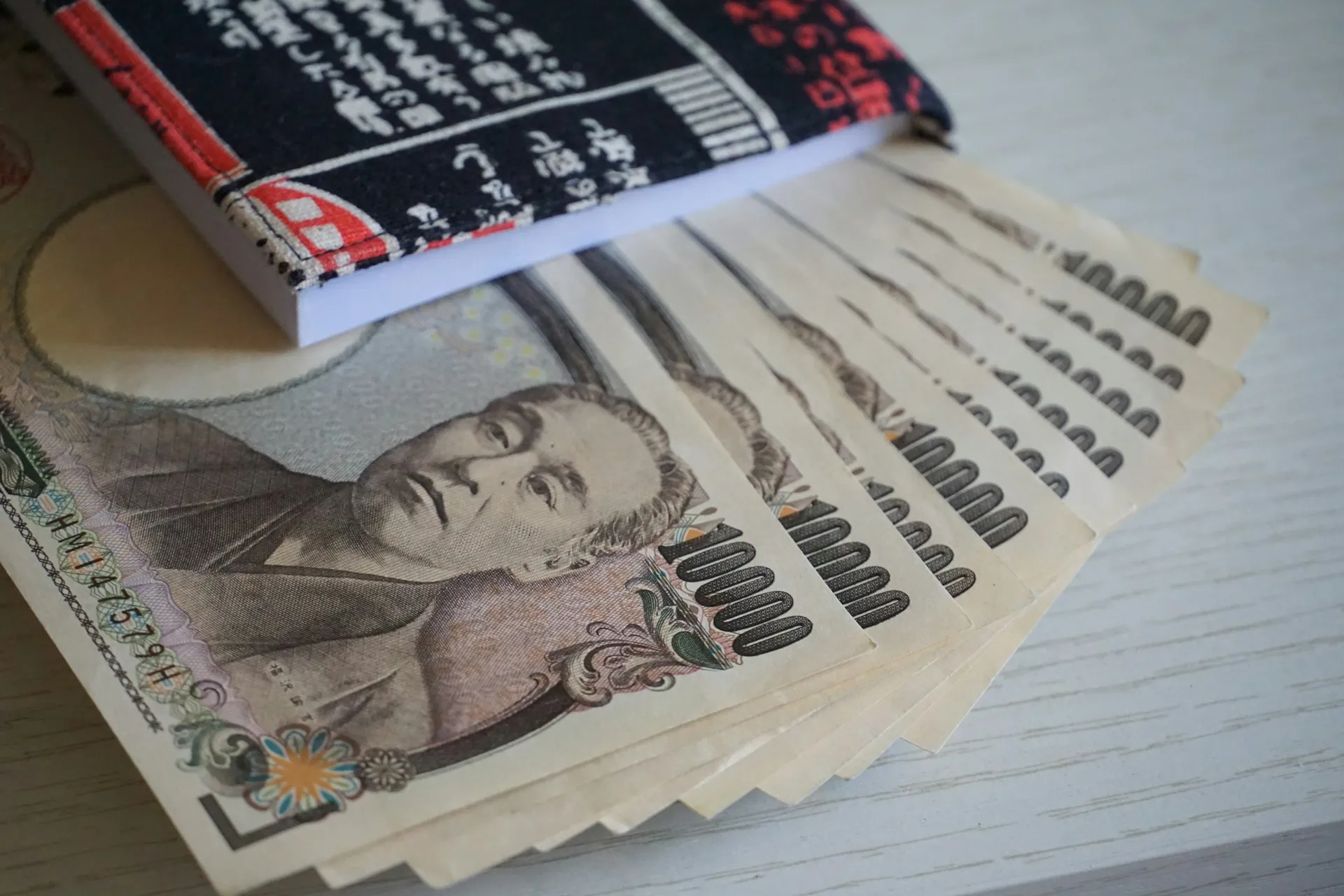
Japan’s yen crisis is raising fears of Treasury sales, higher US bond yields, tighter financing conditions, and renewed pressure on AI-driven equity valuations.
- Japan said on May 19, 2026 it stands ready to intervene against excessive yen volatility while trying to avoid pushing the US Treasury yields higher.
- The yen’s slide toward 160 per dollar is forcing investors to consider whether Japan may eventually need to liquidate the US Treasuries to stabilize its currency.
- US 10-year Treasury yields already climbed to 4.5974% after the Iran conflict pushed oil prices more than 50% above pre-war levels.
- Rising US yields threaten global equity valuations, corporate refinancing conditions, and sovereign debt sustainability simultaneously.
- This thesis weakens if Japan stabilizes the yen using cash liquidity and maturing assets without materially disrupting Treasury markets.
Japan’s Currency Intervention Threat Could Push US Bond Yields Higher
Japan’s Finance Ministry said on May 19, 2026 that authorities remain prepared to respond to excessive foreign-exchange volatility “at any time if necessary.” The warning came as the yen weakened back toward 160 per dollar, a level markets increasingly view as Tokyo’s intervention threshold.
The significance for global investors is not the currency move itself but how Japan finances intervention. Japan holds roughly $1.4 trillion in foreign-exchange reserves, much of it in US Treasuries. If authorities are forced to sell portions of those holdings aggressively to support the yen, Treasury supply could increase at the same time inflation fears are already driving yields higher.
Iran War Oil Shock Is Weakening the Yen & Raising Global Bond Yields
The yen’s weakness is closely tied to the Iran conflict because elevated oil prices worsen Japan’s import costs and widen energy-related capital outflows. Reuters reported on May 19, 2026 that Brent crude remains more than 50% above pre-war levels even after President Donald Trump paused a planned strike against Iran.
Higher energy costs are simultaneously pushing sovereign borrowing costs upward. Average G7 10-year borrowing costs have climbed toward 4%, compared with roughly 3.2% before the war began in late February. Markets are increasingly pricing the possibility that central banks will keep rates restrictive for longer because energy inflation remains persistent.
Japan’s Finance Minister Satsuki Katayama told Reuters on May 19, 2026 that oil-price volatility is spilling directly into foreign-exchange markets and bond yields. That linkage matters because currency instability now risks amplifying volatility across global sovereign debt markets.
Treasury Sale Fears Are Colliding With AI-Driven Equity Valuations
Institutional investors are increasingly concerned about whether global Treasury demand weakens just as government borrowing needs remain elevated. Reuters reported on May 19, 2026 that G7 finance ministers discussed mounting public-debt concerns and bond-market volatility during meetings in Paris.
Japanese officials attempted to calm markets by stating they maintain sufficient liquidity reserves, including cash deposits and maturing assets, to intervene without destabilizing Treasury markets. However, investors remain sensitive because even modest Treasury sales could push yields higher in already fragile bond markets.
The timing is especially difficult for equities because AI-driven valuations remain heavily dependent on stable financing conditions. Nvidia’s earnings are viewed as a critical test for markets where recent gains have been concentrated in artificial intelligence stocks. Higher yields reduce the valuation support underpinning long-duration growth equities.
Higher Treasury Yields Are Raising Borrowing Costs Across Consumer Portfolios
The larger risk is not simply gasoline prices or airline costs. Rising Treasury yields influence mortgage rates, credit-card borrowing costs, auto financing, and equity valuations simultaneously.
Companies dependent on cheap financing, including speculative technology firms, leveraged real estate operators, and debt-heavy consumer businesses, become increasingly vulnerable if Treasury yields remain elevated. Businesses generating strong free cash flow with lower refinancing needs are better positioned to absorb tighter financial conditions.
Retail investors should avoid trying to trade short-term currency intervention headlines because official actions remain highly unpredictable. Japan declined to confirm whether intervention had already occurred despite traders closely monitoring the 160 yen threshold. Instead, investors should evaluate portfolio exposure to rising financing costs across both equities and fixed income.
This Treasury-Yield Thesis Fails if Japan Stabilizes the Yen Without Selling Treasuries
This analysis assumes the yen remains under pressure as elevated energy prices and geopolitical uncertainty sustain demand for the US dollar.
The thesis weakens if Japan stabilizes the yen primarily through cash liquidity and maturing reserve assets without materially selling Treasuries. It would also weaken if US bond yields decline sustainably despite continued currency volatility and elevated oil prices.
Investors should monitor three indicators daily: the USD/JPY exchange rate near 160, US 10-year Treasury yields, and official commentary from Japan’s Finance Ministry. If Treasury yields rise sharply alongside renewed yen weakness, markets may begin pricing the risk of broader sovereign-debt instability rather than only energy inflation.
Analyst's Notes





Subscribe to Our Channel

%20(1)%20(1).jpg)
.jpg)

Stay Informed


