




Trump Delays Iran Strike: Oil Supply Deficit Persists Despite Diplomatic Pause


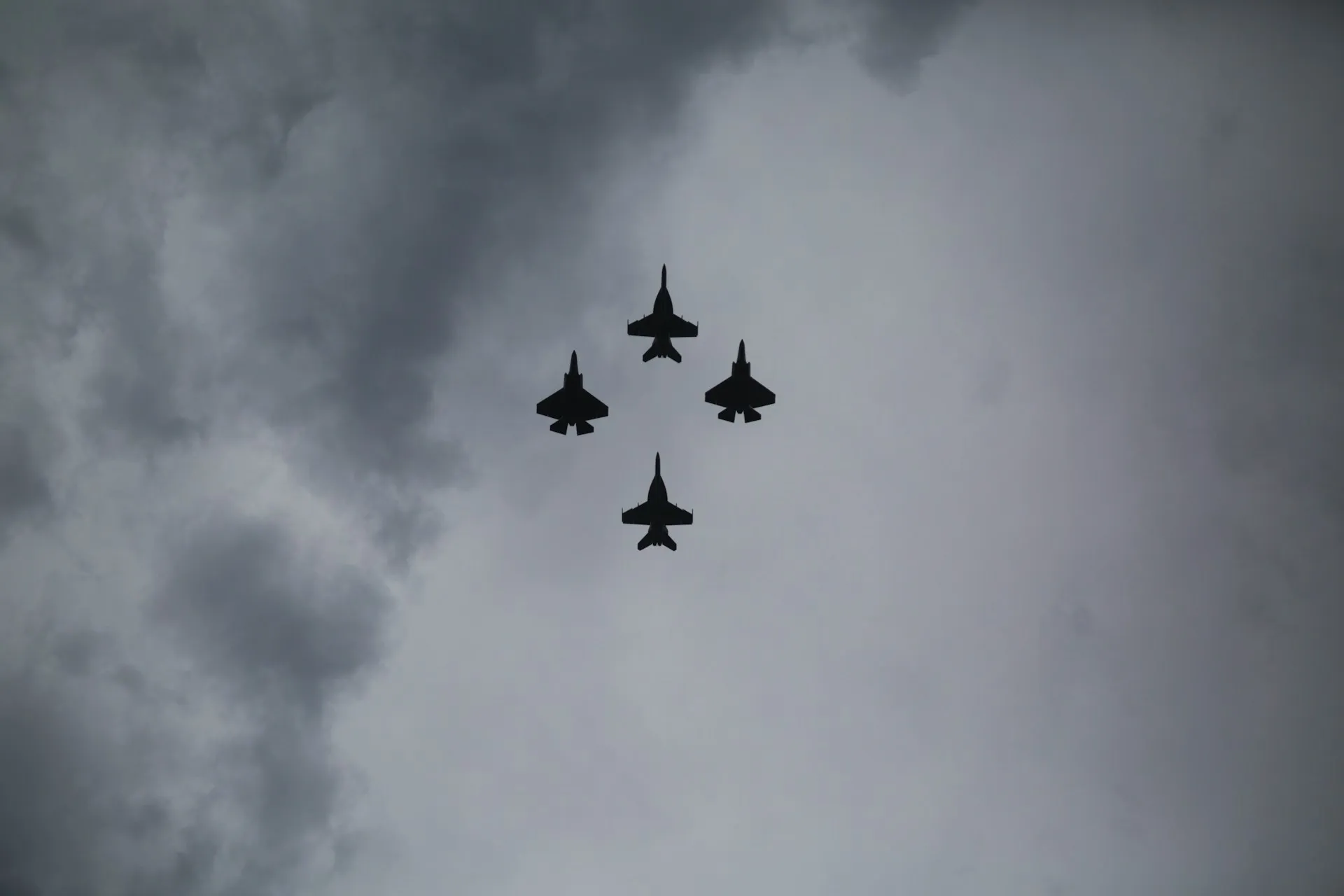
Trump delayed Iran strike after Gulf talks, but 3.9M bpd oil deficit persists. Strait of Hormuz blockade keeps Brent near $110; Fed policy shift adds risk.
- President Trump delayed military strike on Iran after Gulf state leaders requested time for negotiations, keeping Brent crude near $110 per barrel despite temporary market stabilization.
- The 11-week Strait of Hormuz blockade will cut global oil supply by 3.9 million barrels per day over 2026, according to the International Energy Agency on May 18, 2026, creating a physical shortage that diplomatic pauses cannot immediately reverse.
- If negotiations fail, US forces are prepared to launch a full-scale assault immediately; if a limited deal succeeds, supply chain recovery lags will keep energy markets structurally tight into Q3 2026.
- Investors cannot reliably trade ceasefire timing because incoming Federal Reserve Chair Kevin Warsh signaled on May 19, 2026, that the Fed's international crisis liquidity tools may face political restrictions, according to Reuters.
- This supply deficit thesis is invalidated if Iran fully dismantles its nuclear program and all military barriers to Strait of Hormuz shipping are removed.
Diplomatic Pause Stabilizes Markets Temporarily, but Physical Shortage Mechanisms Remain Intact
President Trump canceled a US military strike on Iran after Qatar, Saudi Arabia, and the UAE requested time for serious negotiations. Markets responded with modest stabilization: Brent crude held near $110 per barrel, European shares rose slightly in early trading, and South Korea's KOSPI fell 3%, per Reuters. US regular gasoline prices averaged $4.53 per gallon.
This crisis has moved from a speculative price shock into a physical resource shortage as commercial oil inventories are draining rapidly, with only weeks of supply remaining, according to International Energy Agency chief Fatih Birol, per Reuters. This means any breakdown in diplomatic talks will immediately hit physical supply chains, leaving consumer and energy markets exposed to inventory-driven shocks rather than sentiment-driven volatility.
US Naval Blockade and Iranian Negotiating Position Create Sustained Supply Bottleneck
The physical disruption mechanism is the operational closure of the Strait of Hormuz under the US military's "Operation Economic Fury," which began April 13, 2026, and has diverted at least 85 ships, according to US Central Command. This bottleneck is cutting global oil supply by 3.9 million barrels per day over 2026.
The mechanism keeping this bottleneck active is Tehran's refusal to dismantle key nuclear program components, offering instead only a gradual Strait reopening mediated by Pakistan. Escalation dynamics remain intense: Saudi Arabia and the UAE have conducted covert strikes on Iranian targets to restore deterrence, meaning the geopolitical standoff cannot structurally resolve until both sides demilitarize.
Supply Chain Recovery Lags Behind Diplomatic Agreements; Central Bank Policy Becomes Leading Recession Indicator
Even if a diplomatic deal is reached, operational recovery for energy supply chains will lag significantly. Commercial oil inventories carry only weeks of supply, meaning the time required to reposition diverted shipping fleets and restock global reserves will keep energy markets structurally tight well into Q3 2026.
In a baseline scenario where a limited diplomatic deal holds, Brent crude stabilizes near its current $110 range. In a downside scenario where negotiations collapse, recession risks escalate rapidly: South Korean President Lee Jae Myung has already requested emergency liquidity lines from US Treasury Secretary Scott Bessent to manage energy shock spillovers, according to Reuters on May 19, 2026.
Incoming Federal Reserve Chair Kevin Warsh stated during his confirmation hearing that the Fed's international crisis-fighting operations must align closely with the administration, signaling that the global dollar backstop could face political constraints during the next shock.
Consumer-Facing Sectors Face Immediate Margin Compression
Rising energy costs will directly compress margins in consumer-facing sectors. Michigan gasoline prices jumped 98 cents per month, eroding discretionary spending power. Concurrently, portfolios must assess exposure to AI-driven energy demand spikes, particularly those tied to Nvidia's chipmaking operations.
Although Bank of Canada Governor Tiff Macklem stated on May 19, 2026, that he expects Fed culture to remain consistent, foreign markets face severe rupture risks if Fed swap lines are restricted. Japan's economy and stock prices would be particularly vulnerable, according to Nomura Research Institute economist Takahide Kiuchi via Reuters.
Because investors cannot predict opaque diplomatic negotiations, they should not attempt to trade the immediate ceasefire deadline. Instead, investors should overweight domestic, cash-flow-positive equities with minimal reliance on overseas dollar funding, accepting the constraint that Iran's nuclear negotiating position remains unknowable.
The Supply Deficit Disappears if Iran Fully Dismantles Its Nuclear Program
The structural supply constraint holds only if the US naval blockade remains strictly enforced and the Federal Reserve integrates political priorities into international liquidity provisions.
The supply deficit disappears immediately if Iran fully and unconditionally relinquishes its nuclear program, resulting in complete Strait of Hormuz reopening to commercial capacity. Similarly, if incoming Fed Chair Kevin Warsh explicitly guarantees unlimited, apolitical standing liquidity tools to all foreign central banks, the dollar backstop constraint vanishes.
Daily commercial vessel volume through the Strait of Hormuz via US Central Command updates should be tracked to gauge physical supply recovery while simultaneously monitoring Kevin Warsh's swearing-in date to assess any changes to international dollar swap lines.
Analyst's Notes





Subscribe to Our Channel
%20(1)%20(1).jpg)
.jpg)
Stay Informed


