




Lifezone Metals Produces First Platinum, Palladium & Rhodium from US Autocats Using Hydromet Technology


Lifezone Metals produces its first refined platinum, palladium, and rhodium from U.S.-sourced spent autocatalysts using in-house Hydromet Technology.
Lifezone Metals has produced refined platinum, palladium, and rhodium from US-sourced spent automotive catalytic converters using its Hydromet Technology, completing a 24-month test programme that supports engineering and feasibility work ahead of a targeted second quarter 2026 financial investment decision (FID) for a US commercial plant.
First Refined Metals Produced from Spent Autocats
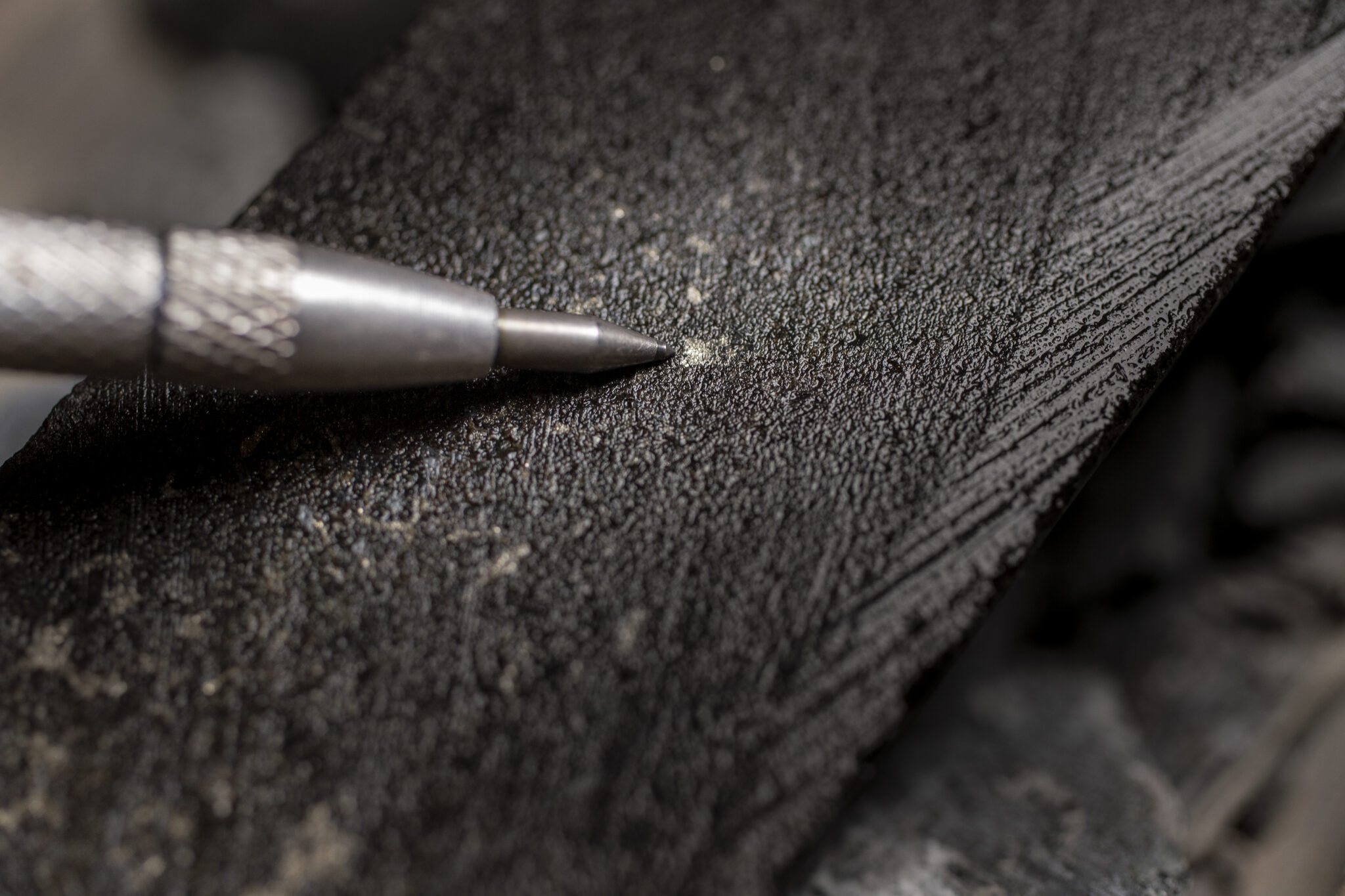
Lifezone Metals announced the first production of refined platinum, palladium, and rhodium from US-sourced spent automotive catalytic converters, referred to as Autocats, using the company's in-house Hydromet Technology. The programme was undertaken to inform design criteria for a planned Autocats recycling precious metals refinery in the United States, targeting recovery of platinum group metals (PGMs).
Chief Executive Officer of Lifezone Metals, Chris Showalter, frames the announcement directly:
"Achieving the first-ever production of platinum, palladium, and rhodium metal samples from spent Autocats marks a historic milestone towards industrial implementation of Lifezone's Hydromet Technology."
Test Work Campaign & Technical Results
The test programme ran for 24 months and comprised 1,179 locked-cycle and pilot batch tests, alongside continuous pilot-plant work, processing 1 ton of monolith material derived from US-sourced spent Autocats at Lifezone's Simulus Laboratories in Perth, Australia. Stage 1 purities of more than 99% were achieved for platinum and palladium.
Chief Technology Officer of Lifezone Metals, Dr. Mike Adams, is precise on the recovery outcomes:
"The test work confirmed high recoveries (up to 99% Pt & Pd and 95% Rh, as per test no. 0172) of these critical metals to platinum, palladium and rhodium metal products, using our technology."
Ongoing refining optimisation is targeting purities of more than 99.95% for platinum and palladium and more than 99.9% for rhodium.
Extraction, Purification & Emissions Profile
The test work demonstrated high leach extractions, efficient purification and separation steps, and reduction to metal products. Lifezone states that its Hydromet Technology is expected to produce less carbon dioxide per ton of metal than traditional pyrometallurgical smelting and refining technologies, and zero sulphur dioxide emissions. The company also describes the process as scalable and capital-efficient.
The release states that both the production and working capital pipeline and locked-up metal inventory are expected to be substantially shorter than under conventional pyrometallurgical smelting and refining.
Commercial Plant Pathway in the US
Engineering design and feasibility study work, advancing based on the demonstrated process flowsheet and design criteria, is nearing completion. An FID is anticipated in the second quarter of 2026 for implementation of a commercial plant in the United States.
US Market Context & Project Scale
The United States imports approximately 2 million ounces of PGMs annually, with South Africa and Russia identified as the primary foreign sources. The release describes these metals as essential inputs for automotive emissions systems, defence and aerospace manufacturing, medical technologies, and emerging hydrogen and fuel-cell applications, and states that this foreign dependence creates persistent economic and national-security vulnerabilities.
Lifezone states it is advancing the technology to offer the United States an effective and scalable means to achieve a closed-loop system by producing refined PGMs for North American consumers and government strategic stockpiles.
Showalter is direct on the potential scale of the first module:
"Our first module alone could produce 220 thousand ounces of 3E PGMs annually, nearly matching the only significant primary PGM mine in the U.S."
The release also says the plant could produce more than five times the current annual rhodium output figure from the country’s only producing mine.
Partnership & In-House Capability
Glencore continues to support the project, having invested US$1.5 million for a 6% stake to date and holding the option to fund 50% of the project capital.
Simulus Laboratories, described in the release as a preeminent hydrometallurgical laboratory, testing, and engineering design group, was brought in-house by Lifezone in 2023. The company states that integrating Simulus shortened testing timelines, avoided delays from external facilities, maintained intellectual property confidentiality, and better controlled costs.
Next Steps
Further refining optimisation is underway, targeting platinum and palladium purities of more than 99.95% and rhodium purities of more than 99.9%. Engineering design and feasibility study work is advancing, with the process flowsheet locked down and completion nearing. An FID is anticipated in the second quarter of 2026 for implementation of a commercial plant in the United States.
FAQs (AI-Generated)
Lifezone produced refined platinum, palladium, and rhodium from US-sourced spent automotive catalytic converters using its Hydromet Technology. The announcement marks the first time the company has yielded these metals from this feedstock using its own process.
Recoveries exceeded 99% for platinum and palladium and reached 95% for rhodium across 1,179 locked-cycle and pilot batch tests. Stage 1 purities above 99% were achieved for platinum and palladium, with ongoing optimisation targeting more than 99.95% for those metals and more than 99.9% for rhodium.
An FID is anticipated in the second quarter of 2026 for implementation of a commercial plant in the United States. Engineering design and feasibility study work based on the demonstrated process flowsheet is described as nearing completion.
Glencore has invested US$1.5 million for a 6% stake and holds the option to fund 50% of the project capital, with the release confirming continued support.
The United States imports approximately 2 million ounces of platinum group metals annually, primarily from South Africa and Russia. The release states this dependence creates persistent economic and national-security vulnerabilities, given PGMs' role in automotive emissions systems, defence and aerospace manufacturing, medical technologies, and emerging hydrogen and fuel-cell applications.
Analyst's Notes





Subscribe to Our Channel


.png)






Stay Informed


