




Canada Nickel & GeoRedox Sign MOU for First Geologic Hydrogen Well at Crawford


Canada Nickel and GeoRedox will test the first geologic hydrogen well at Crawford, aiming to power a zero-carbon metals cluster in Ontario.
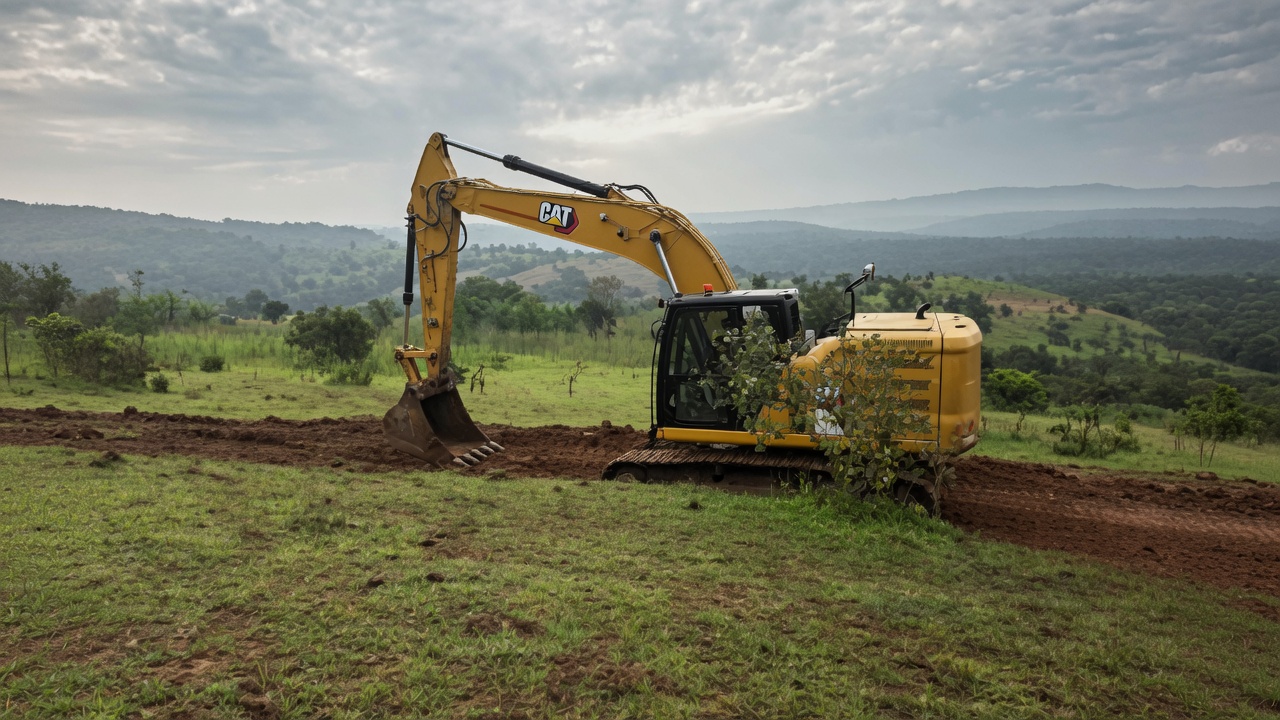
Canada Nickel (TSXV: CNC | OTCQX: CNIKF) and GeoRedox Corporation have signed a Memorandum of Understanding (MOU) to develop the world's first stimulated geologic hydrogen well, to be sited at Canada Nickel's Crawford Nickel Project near Timmins, Ontario. The agreement sets out the terms for a demonstration programme designed to validate the production of zero-carbon hydrogen from natural chemical reactions in ultramafic rock using GeoRedox's proprietary technology.
Programme Structure & Roles
GeoRedox will fund the demonstration programme in full. Canada Nickel will contribute site access, rock samples, technical expertise, data, and other resources necessary for project planning and implementation at Crawford.
The demonstration is intended as the first phase of a broader programme. If successful, it has the potential to provide a large-scale, carbon-free hydrogen supply for a zero-carbon industrial cluster in the Timmins Nickel District.
President and Chief Executive Officer (CEO) of GeoRedox, Robert Stoner, described the qualities that drew GeoRedox to the Crawford partnership:
"In Canada Nickel, we're delighted to have partnered with a mining company that shares our commitment to industrial decarbonisation and environmental stewardship, and our sense of urgency. Crawford gives us the ideal real-world setting to validate our technology alongside a world-class mining operation. The opportunity to develop a project with Canada Nickel in a well-developed industrial region with extensive infrastructure is truly exciting."
Technology & Geology
GeoRedox has developed its proprietary Advanced Weathering Enhancement (AWE) technology to produce ultralow-cost hydrogen from a variety of rocks and geological formations distributed worldwide. The system requires no capping layer or reservoir; instead, it draws hydrogen from natural chemical reactions within ultramafic rock to produce zero-carbon output. GeoRedox targets this rock type globally, and Crawford's geology falls within that scope.
Ultramafic rock underlies Canada Nickel's Crawford deposit and more than 20 additional projects across the Timmins Nickel District, providing an extensive geological base for the demonstration and any subsequent programme phases.
Stoner addressed the established demand for hydrogen within the metals sector:
"Hydrogen is used extensively in metals production, which makes GeoRedox a natural partner to the mining industry."
CEO of Canada Nickel, Mark Selby, identified the fit between Crawford's geology and GeoRedox's design parameters:
"The ultramafic rock that hosts our Crawford deposit and twenty-plus projects across the Timmins Nickel District is precisely the geology GeoRedox's technology is designed for."
Zero-Carbon Industrial Cluster
Canada Nickel is developing carbon management and mineralisation technologies to support the production of lower-carbon nickel, cobalt, and iron products and to enable permanent carbon storage at an industrial scale. Through its proprietary In-Process Tailings (IPT) Carbonation approach, Canada Nickel expects to integrate carbon sequestration directly into its mining operations. The company is also advancing NetZero Metals, a downstream processing strategy intended to support a vertically integrated North American critical minerals supply chain.
Crawford is located in Ontario's Critical Minerals Corridor and, once constructed and in operation, is expected to rank among the largest nickel sulphide projects in the Western world and among the world's lowest-carbon nickel operations globally. The MOU with GeoRedox adds a hydrogen production element to that platform, consistent with Canada Nickel's Zero-Carbon Industrial Cluster vision for the region.
Selby outlined what a realised cluster would produce and how it would draw on the region's resources:
"This partnership brings us a significant step closer to a Zero-Carbon Industrial Cluster in Northeast Ontario, one that converts our concentrates into finished critical mineral products, including nickel, chromium, and cobalt, while leveraging the region's significant carbon storage capacity."
Next Steps
The MOU marks a foundational step in developing a zero-carbon industrial cluster in Northeast Ontario, combining GeoRedox's geologic hydrogen technology with Canada Nickel's critical minerals platform across a region with established industrial infrastructure. The outcome of the Crawford demonstration will determine whether the AWE system can provide hydrogen at the volumes needed to support a full-scale cluster operation.
FAQs (AI-Generated)
Analyst's Notes





Subscribe to Our Channel

.png)




Stay Informed


