




Lotus Resources Doubles Kayelekera Uranium Output and Secures A$138 Million Funding Package



Lotus Resources posts record Kayelekera uranium output for the June quarter and secures a A$138 million funding package to advance its production restart.
- Kayelekera produced 155.9klb U3O8 in the June 2026 quarter, roughly double the March quarter, with monthly output peaking at 73.6klb in May
- Mill availability reached 97.4% in June before processing was paused on 10 June due to a sulphuric acid supply shortfall and acid plant repairs
- Refractory brick failures in the acid plant's sulphur furnace are being repaired, with production expected to resume in the coming weeks
- A logistics route via Zambia and Namibia to Orano CE's conversion facility in France has secured key regulatory approvals, with first shipment targeted for September 2026
- Post quarter end, Lotus secured a combined A$138 million funding package through an equity raise, convertible notes and a prepayment facility with Mercuria Energy Trading
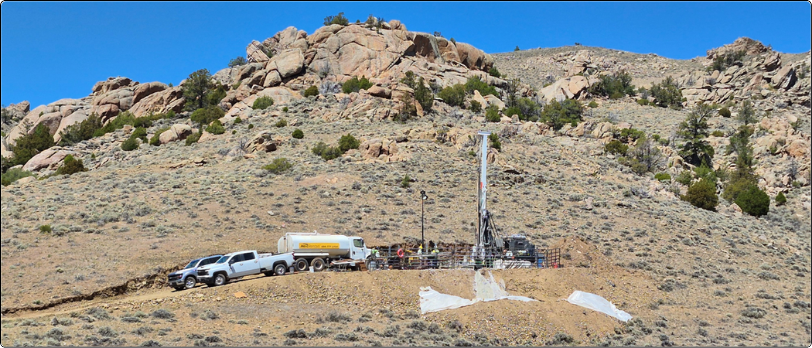
Lotus Resources Limited (ASX:LOT, OTCQX:LTSRF) is an Australia-based uranium producer with an 85% interest in the Kayelekera Uranium Project in Malawi. The company also holds the Letlhakane Uranium Project in Botswana, where infill drilling is under way to support an updated resource estimate expected in the second half of 2026. Kayelekera supplies uranium oxide (U3O8), the concentrate used as feedstock for nuclear fuel production, under an offtake arrangement with converter Orano CE in France.
Kayelekera Production Nearly Doubles as June Acid Shortage Interrupts Output
Kayelekera produced 155.9klb of U3O8 in the June 2026 quarter, close to double the 78.2klb recorded in the March quarter. May was the strongest month of the quarter, with 77.6kt of ore milled and 73.6klb of U3O8 produced, a 55% increase over April. Mill availability reached 97.4% in June while operating, supported by packaging circuit modifications, pump overhauls, maintenance system enhancements and critical spare parts programmes implemented during the quarter.
The quarter followed a fire in the calciner's electrical panel in April, which disrupted operations. Mining continued across multiple active fronts throughout the quarter, with approximately 1 million tonnes of total material moved to support both plant feed and ongoing expansion of the tailings storage facility, the engineered structure used to contain mine waste.
Processing was paused on 10 June after third party sulphuric acid deliveries were delayed and acid plant commissioning fell behind schedule. Packaging of remaining circuit inventory continued for a further 13 days, contributing 35.0klb of the quarter's output, before operations were fully paused. Orano CE has since completed its acceptance review of production to date, accepting 159.5klb of the 332.1klb produced since the restart.
Acid Plant Repairs and New Export Route Progress Toward Restart
The acid plant, which produces the sulphuric acid needed to process uranium ore, achieved first production in early June before a refractory failure was identified within the sulphur furnace. Refractory bricks line the furnace to withstand extreme heat, and their failure required specialist engineers to complete repairs. Remediation work began in June and is continuing, with the plant intended to reduce Lotus's reliance on third party acid supply, which has been affected by disruption in the Middle East.
Lotus also progressed the logistics route needed to export uranium from Kayelekera. Following the cancellation of a planned shipping route through Dar es Salaam and Singapore, the company is advancing a path via Zambia and Namibia, with product shipped from the port of Walvis Bay to Orano CE's conversion facility in France. During the quarter, Malawi's Atomic Energy Regulatory Agency approved the updated transport plan, Zambia issued a transport licence through logistics partner Alistair Group, and shipping contracts to all converters were finalised.
Remaining approvals in Namibia, covering the transport and temporary storage of radioactive material, are still being progressed. Subject to these being completed, Lotus expects its first shipment from Walvis Bay in September 2026, with first payment from its converter account expected in October or November.
A$138 Million Funding Package Supports Balance Sheet Ahead of Restart
Lotus ended the quarter with cash of A$30.2 million, down from A$85.0 million in March, reflecting production costs, capital spending on the tailings facility, grid connection and acid plant, and the pause to processing during June. On 23 July 2026, the company announced a funding package totalling approximately A$138 million across three components.
The package comprises a fully underwritten A$60.1 million entitlement offer priced at $0.22 per share, a A$35 million convertible note facility from CVI Investments (managed by Heights Capital Management), and a US$30 million (A$43 million) inventory backed prepayment facility with Mercuria Energy Trading. A prepayment facility allows a producer to receive funds upfront against future deliveries, while convertible notes are a form of debt that can later convert into shares.
The funding also supports Lotus's management of its 2026 delivery commitments. The company estimates its maximum financial exposure on this year's contracted deliveries, of approximately 0.9 million pounds of U3O8, at approximately US$7 million, of which US$5 million falls due before the end of December. The institutional portion of the entitlement offer has been completed, with settlement due on 31 July.
Milestones and Next Steps
Lotus's near-term focus is on restarting processing at Kayelekera in the coming weeks. The retail entitlement offer is expected to settle on 19 August 2026, and the convertible notes on 7 September 2026, subject to shareholder approval and other conditions. The first shipment from Walvis Bay is expected in September 2026, and an updated Mineral Resource Estimate for the Letlhakane project in Botswana is expected in the second half of 2026.
Analyst's Notes





Subscribe to Our Channel


Stay Informed


