




Machine Learning Ranks 9 Untested Copper Targets at Fitzroy's Buen Retiro for 5,000-Meter Drilling


Fitzroy Minerals' machine learning study with Fleet ranks 9 untested copper targets at Buen Retiro, Chile, ahead of a 5,000-meter drill program.
- An integrated seismic and machine-learning study with Fleet Space Technologies identified 9 untested copper targets at Buen Retiro in Chile, all within 400 meters of the surface.
- The model combined 3D ambient noise tomography with induced polarization and magnetic data, geological models, and approximately 24,400 copper assays from 140 drill holes.
- The study excluded the mined-out open pit and any ground within 200 meters of an existing drill hole, focusing on blind targets beneath alluvial gravel cover.
- The company has started a 5,000-meter diamond and reverse circulation (RC) drilling program and will feed results back into the model to refine later targeting rounds.
- Management sees the wider property's sulfide potential as largely untested, citing geological similarities to the Candelaria and Mantoverde iron oxide copper-gold deposits.
Company Overview
Fitzroy Minerals (TSXV: FTZ | OTCQX: FTZFF | FSE: C3Y) explores and develops copper assets in Chile with substantial upside potential. Its 2 lead properties are the Buen Retiro Copper Project near Copiapó and the Caballos Copper Project in Valparaiso.
9 Untested Targets Defined Beneath Gravel Cover
On October 22, 2026, Fitzroy reported the results of an integrated seismic and machine learning (ML) targeting study at Buen Retiro, completed with Fleet Space Technologies. The ML model produced a ranked set of 9 target domains. In each one, the subsurface characteristics closely resemble the signature of the rocks hosting the project's known copper mineralization. None of the 9 areas has been drilled, and all lie within 400 meters of the surface.
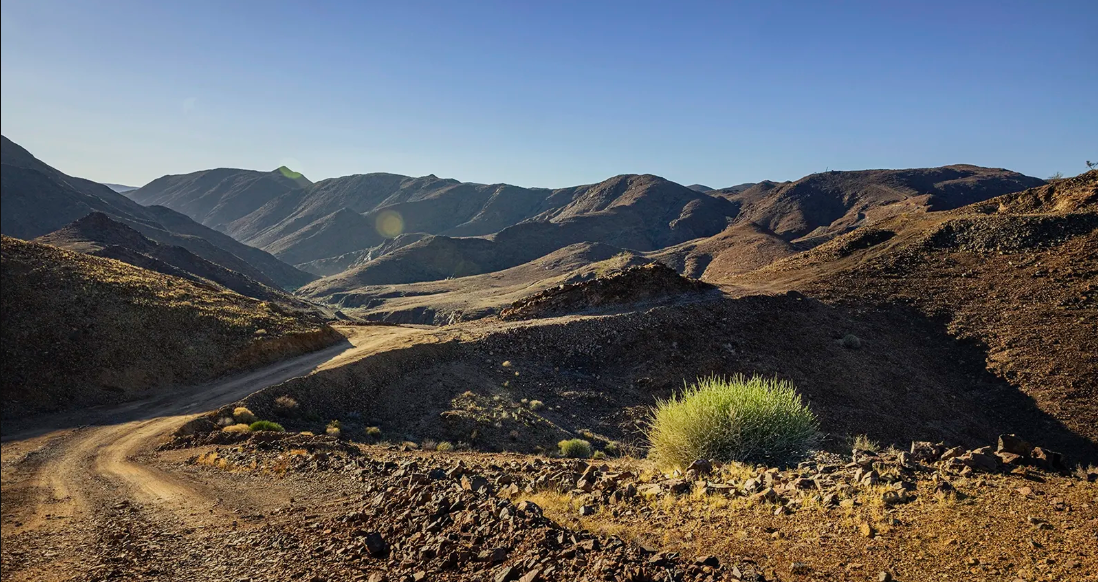
Extensive alluvial gravel cover across the project area makes surface geological mapping, and therefore conventional target generation, more difficult. Fleet's 3D model lets Fitzroy trace known mineralized trends and identify new opportunities to about 400 meters depth. That coverage extends toward the company's 100%-owned Sierra Fritis properties to the east.
Seismic Imaging & Drill Data Behind the Model
Fleet began with a regional ambient noise tomography (ANT) survey that Fitzroy commissioned in early 2026. ANT builds a 3D image of the rock below the surface from natural seismic noise. The regional survey identified deep structures and zones associated with alteration and brecciation. Together with the later infill survey, it mapped the project's deeper geology well beyond current drilling depths.
A closer-spaced infill ANT survey followed over the main area of interest. It improved the understanding of the faults and fractures interpreted as the main control on permeability corridors and associated mineralization. It also allowed closer correlation of the ANT data with existing geophysical and drilling data.
The ML model then combined 4 geophysical datasets, all in 3D, with geology and drilling results. The geophysics included ANT data plus Fitzroy's induced polarization (IP) chargeability, IP resistivity, and magnetic susceptibility surveys. The drilling results comprised approximately 24,400 copper assays from 140 drill holes.
How the Targets Were Ranked
The model learned the relationship between the geophysical data and copper assays in existing drill holes. It then predicted where copper grades above a 0.5% threshold might occur within 25-meter blocks across the study area, with an uncertainty value for each block. The 0.5% copper threshold flags blocks at or above target grade and does not represent a uniform grade estimate for each block.
Fitzroy removed blocks that fell within the mined-out open pit are removed, the mapped gravel cover, or 200 meters of an existing drill hole, so the selection focused on ground with genuine exploration value. The remaining blocks were grouped into 9 geographic domains. Each domain clusters blocks with a similar predicted response within a high-confidence range, interpreted as geologically significant. The targets are designed to complement Fitzroy's own geological interpretation and drill planning, not replace it.
Sulfide Potential at Buen Retiro
The ML targets give Fitzroy a way to test the exploration potential of the wider iron oxide copper-gold (IOCG) system at Buen Retiro, beyond the oxide copper mineralization that has been the focus of work to date.
President and Chief Executive Officer of Fitzroy, Merlin Marr-Johnson, outlined the geological comparison behind the program and the role of the new targeting tool:
"We believe Buen Retiro shares many of the geological characteristics of the major iron oxide copper-gold (IOCG) deposits at Candelaria and Mantoverde, yet the sulfide potential of the wider property has barely been tested. To date, the oxide copper mineralization and its potential to support a low-capital-intensity, near-term production operation have been the focus.
Now, however, the tool with which to test the exploration optionality of this large IOCG system in one of Chile's most prolific copper-producing regions. By combining advanced 3D subsurface imaging with machine learning and our extensive drilling database, we can now identify and prioritise blind exploration targets beneath the gravel cover. If the ML targeting is successful it will be a cost-effective discovery tool, creating value for shareholders."
Technical Context
The 9 domains are conceptual exploration targets. They mark areas where combined geophysical and assay data resemble Buen Retiro's known copper mineralization zones. They do not confirm the presence, grade, size or continuity of mineralization.
The model's reliability depends on the quality and coverage of the underlying data. It tends to decrease with distance from existing drill holes and with depth. Fitzroy plans to use the targets alongside conventional geological interpretation and other exploration information.
Dr. Scott Jobin-Bevans (P.Geo., Ph.D., PMP) reviewed and approved the technical information. He is an independent geological consultant to the company and a Qualified Person under NI 43-101.
Next Steps
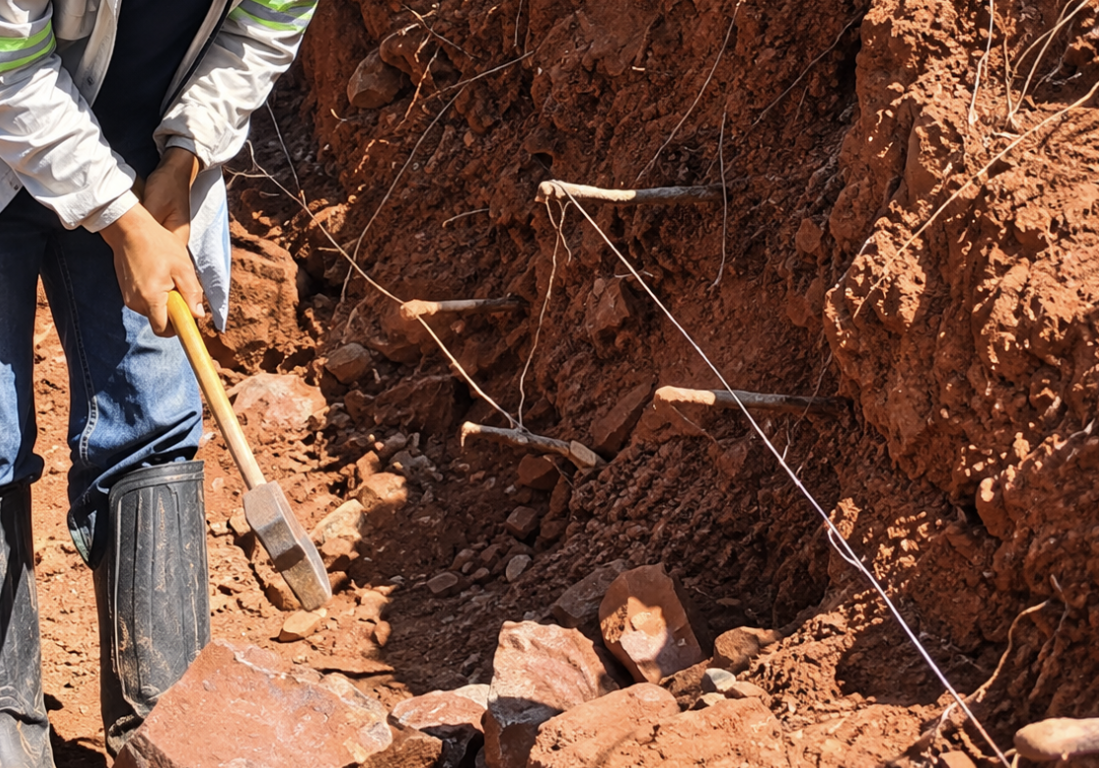
Fitzroy has started a 5,000-meter program of combined diamond and reverse circulation (RC) drilling to test the new areas. The company is reviewing drill orientations and sequencing with Fleet. As drill logs and assay results come in, the 2 companies will compare them against the original target list and update the ML model.
Each new hole tests a specific target, updates or validates the model, and informs the next drilling decision. The updated model versions target sharper predictions to guide subsequent rounds of drill planning at Buen Retiro.
FAQs (AI-Generated)
Analyst's Notes





Subscribe to Our Channel






Stay Informed


