




NASDAQ listing, Debt Free, Large Treasury, Cruising to Meaningful 2026 Growth


Santacruz Silver: debt-free producer with $80M treasury, advancing Bolivian growth projects, improving Mexican operations, positioned for production expansion in strong metals market.
- Santacruz Silver Mining enters 2026 as a debt-free multi-metal producer with approximately $80 million in treasury after eliminating all Glencore obligations and streaming agreements whilst maintaining strong operational cash flows across four producing mines in Bolivia and Mexico.
- The company's January 2026 NASDAQ listing provides strategic access to US institutional investors and family offices, complementing its TSX Venture Exchange listing to broaden capital markets reach whilst early trading data demonstrates volume improvements following the dual-listing implementation.
- Bolivar mine is recovering from 2025 flooding through systematic dewatering infrastructure with fourth quarter 2025 production showing quarter-over-quarter silver increases and development work discovering new high-grade veins that create additional exploration upside.
- The Zimapan mine's $2.5 million flotation cell circuit investment delivers silver recovery improvements generating approximately $5 million in incremental monthly cash flow, whilst Level 960 development encounters wider ore bodies with silver grades of 80-90 grams per tonne and zinc content of 2.5-3.5% across the 2,800-tonne-per-day operation.
- Management projects 5-7% production growth from operational efficiencies combined with incremental production from Soracaya project (targeting Q2/Q3 2026 permitting and Q4 production start) and Esperanza mine commercial production, positioning the company for material output increases independent of acquisitions.
Santacruz Silver Mining (TSXV:SCZ) enters 2026 with a fundamentally transformed capital structure following the elimination of all debt obligations and the completion of its NASDAQ listing. The multi-metal producer, operating four producing mines across Bolivia and Mexico, has positioned itself as a debt-free, streaming-free, and royalty-free vehicle generating substantial cash flows during a period of elevated precious metals prices.
The company's 2025 financial performance demonstrates operational strength despite temporary challenges. After amortizing catch payments to Glencore and paying $30 million in accelerated tax installments in January 2026, Santacruz closed the year with approximately $80 million in treasury. Executive Chairman and CEO Arturo Préstamo Elizondo emphasized the company's positioning:
"This year is going to be a very good year for us from an operations point of view and also from a financial point of cash flow building. We think it is the right time for us to build our next mine organically."
The NASDAQ listing represents a strategic initiative to broaden the company's investor base beyond traditional Canadian junior mining shareholders. The listing provides access to US institutional funds and family offices that mandate investment in US-listed securities, whilst early trading data indicates volume improvements following the dual-listing structure. This capital markets positioning occurs as the company executes operational improvements across its Mexican and Bolivian assets.
Bolivar Mine Recovery
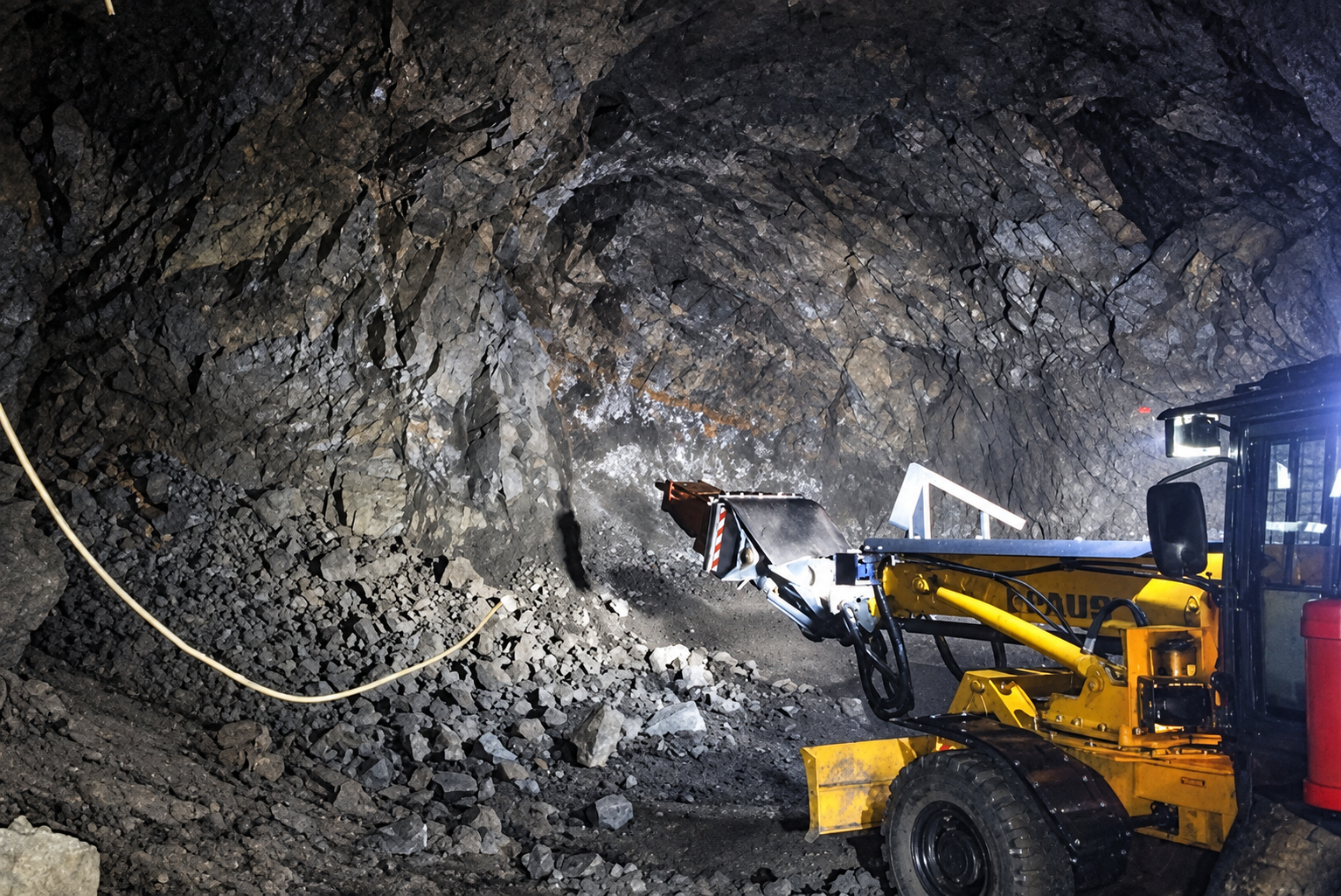
The Bolivar mine in Bolivia experienced flooding in two of its five veins during 2025, creating a temporary production setback that the company addressed through systematic engineering solutions. The mine's water inflow increased from 104 litres per second to over 400 litres per second during the flooding event. Santacruz deployed hydrogeological expertise from its Mexican operations, conducted detailed studies, and installed pumping stations with capacity exceeding 700 litres per second—more than five times the pre-flooding dewatering capacity and nearly double peak flood conditions. Rather than viewing the flooding as purely operational disruption, management implemented a comprehensive hydrogeological assessment and dewatering infrastructure upgrade that positions the asset for long-term water management.
Fourth quarter 2025 production results demonstrate Bolivar's recovery trajectory, with silver production increasing quarter-over-quarter as access to flooded veins progressively improves. The company expects this trend to continue through 2026 as dewatering advances. Additionally, development work necessitated by the flooding resulted in the discovery of new veins and higher-grade silver areas, creating unanticipated exploration upside that management intends to capitalize upon during the current year.
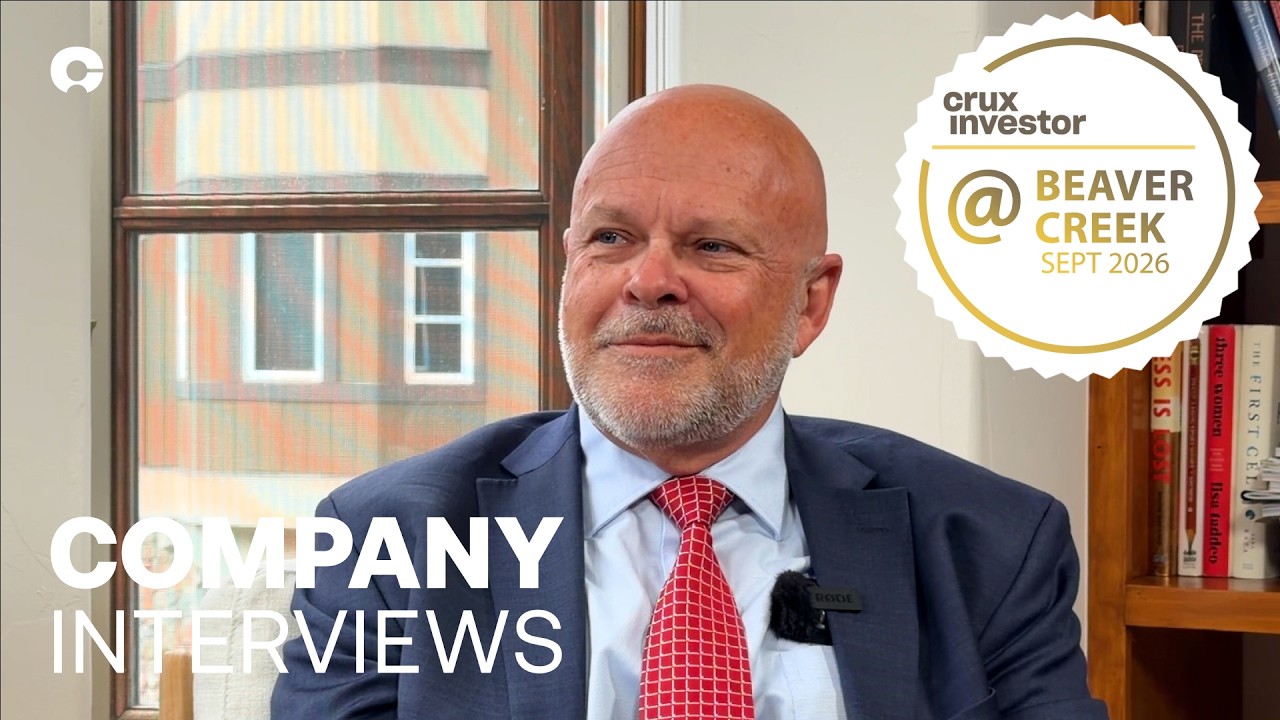
Interview with Arturo Préstamo Elizondo, Executive Chairman & CEO of Santacruz Silver Mining
Bolivian Political Transformation
The Bolivian operating environment has undergone significant political transformation with implications for Santacruz and the broader mining sector. The 2025 presidential election resulted in victory for centre-right candidate Rodrigo Paz, whose party also secured congressional majority. The new administration has declared mining a strategic industry for economic recovery and announced intentions to reform the legal and constitutional framework governing foreign investment in the sector.
As Bolivia's largest underground mining company and a major exporter in a country with limited manufacturing, Santacruz occupies a prominent position during this regulatory evolution. Préstamo noted the government's approach:
"Mr. Paz has declared a strategic industry and we're seeing legal changes in the legal framework not only at level of the jurisdiction but it's going to the constitutional changes, so we feel very comfortable on how things are evolving in Bolivia and we're very happy to be the largest underground company, mining company in the country."
This political stability and pro-mining policy orientation creates a foundation for potential merger and acquisition activity in Bolivia, which management identified as an area of interest provided targets meet strict accretion criteria and operational synergy requirements.
Infrastructure Investment in Mexico
Zimapan Expansion
The Zimapan mine in Hidalgo State represents Santacruz's flagship Mexican asset and the focus of substantial capital investment during 2025-2026. The mine's advancement to Level 960 required comprehensive infrastructure development including 15 new underground equipment units, dewatering stations, two inclined shafts for ventilation and safety, and a significant milling facility upgrade.
The processing plant expansion centres on a new flotation circuit incorporating flash cells—described as a four-storey building installation—that improves silver recoveries by approximately 500 basis points. This metallurgical enhancement, requiring $2.5 million in capital expenditure, generates approximately $5 million in incremental monthly cash flow at current metal prices, demonstrating the type of high-return efficiency investment that characterizes management's capital allocation approach.
The elevated all-in sustaining costs reported for Zimapan during 2025 reflect the intensity of this development capital programme rather than deteriorating operating economics. Management expects unit costs to decline through 2026 as development intensity moderates and the mine benefits from improved metallurgical recoveries and access to the new production zones established through the infrastructure investment.
Organic Growth Pipelines
Beyond operational improvements at existing production centres, Santacruz is advancing three organic growth initiatives that collectively position the company for production increases independent of acquisition activity.
- The Soracaya project in Bolivia represents the most significant near-term catalyst, with management targeting full permitting completion by June-July 2026 and production commencement in the fourth quarter. Whilst the project lacks dedicated milling infrastructure, Santacruz can process ore at nearby third-party facilities or at its own Bolivian mills, with the San Lucas sourcing company managing logistics. This asset-light production approach enables rapid cash flow generation from Soracaya whilst preserving capital for other opportunities.
- At the Caballo Blanco group of mines in Bolivia, the Esperanza mine is approaching commercial production declaration, representing the third operating mine within the complex alongside two currently producing assets. This brownfield expansion leverages existing infrastructure and management systems, providing incremental production with limited capital intensity and integration risk.
- The San Lucas operation in Bolivia functions both as a producing asset and a critical operational flexibility tool within the Bolivian portfolio. When Bolivar experienced flooding, San Lucas increased ore deliveries to the Bolivar mill (Don Diego processing facility), maintaining mill utilization rates during the recovery period. The strategic value of this operational redundancy and inter-mine blending capability became evident during the 2025 water management challenge.
Collectively, management projects 5-7% production growth from operational efficiencies, supplemented by incremental ounces from Soracaya and Esperanza, positioning the company for material year-over-year output increases during 2026 without requiring acquisition execution.
Capital Discipline & Cost Management Philosophy
Santacruz granular budgeting extends five years forward on a rolling basis, creating accountability for operational decisions and enabling management to assess whether short-term optimization (such as high-grading during strong metal price environments) compromises long-term mine life and flexibility. The approach reflects a fundamental tension in mining operations: the temptation to preferentially mine highest-grade zones during commodity price peaks versus maintaining disciplined extraction that preserves operational flexibility across price cycles.
Préstamo articulated this philosophy:
"You should always keep a very disciplined approach in how you're mining your mines and always with a long-term view because we want to be here for the long for the long haul. You cannot go right away into a very high-grade area just to mine it and make a lot of cash in the moment because you're going to compromise the mine when metal prices come down, or maybe when margins shrink because metal prices might remain but you'll have inflation in the industry. So your margins will shorten."
The company cascades cost awareness throughout the organization, with CFO site visits specifically designed to help mine superintendents understand the financial implications of operational decisions, creating cost consciousness at the working level rather than only at executive ranks.
Merger & Acquisition Strategic Optionality
Whilst organic growth remains the primary near-term focus, Santacruz maintains M&A as a potential avenue for portfolio expansion provided acquisitions meet stringent criteria. Management has articulated a clear framework: targets must be accretive to existing shareholders, represent assets where Santacruz can add operational value, and offer synergies with the existing Mexican or Bolivian portfolio.
"We have 3 areas for growth. The first is efficiencies as we described. We expect efficiencies to give us a 5-7% growth this year across all of our mines. You have efficiencies increasing production. You have organic production from Soracaya and the Esperanza mine. And also we keep our eyes open for M&A ideas, always with a disciplined approach where we definitely think that any idea or opportunity that we review should add value to the company and to our investors," Préstamo stated.
The company remains open to jurisdictional expansion beyond Mexico and Bolivia, though the depth of operational expertise and regulatory relationships in these two countries creates natural advantages for acquisitions within existing operating regions. The improved political environment in Bolivia, combined with the company's position as the country's largest underground miner, potentially creates deal flow opportunities as other operators reassess Bolivian assets or as exploration projects require operational expertise to advance toward production.
The Investment Thesis for Santacruz Silver Mining
- Debt-Free Cash Flow Generation: With all Glencore obligations eliminated and no streaming or royalty agreements, 100% of operational cash flows accrue to equity holders during a period of elevated silver and zinc prices, creating immediate margin expansion versus the encumbered capital structure that existed through 2025.
- Operational Leverage to Silver Prices: The company's four producing mines provide diversified exposure to silver price movements with zinc by-product credits reducing cash costs, whilst the 500-basis-point recovery improvement at Zimapan directly translates higher silver prices into incremental cash flow at minimal capital intensity.
- Political Risk Mitigation Through Timing: Entry or accumulation in Santacruz shares provides exposure to Bolivian mining during a transformative pro-investment political cycle, with the company positioned as the incumbent major underground operator as constitutional reforms specifically targeting foreign investment encouragement are implemented.
- Near-Term Production Catalysts: Soracaya permitting completion (Q2/Q3 2026) and production commencement (Q4 2026), combined with Esperanza mine commercial production and continued Bolivar recovery, create visible 12-month production growth independent of metal price assumptions or acquisition execution.
- Valuation Optionality: NASDAQ listing provides access to US institutional capital that historically applies higher valuation multiples to Latin American precious metals producers than Canadian venture exchange trading alone, whilst management's cost discipline and capital allocation framework reduce execution risk relative to growth-focused peers.
- Infrastructure Leverage: Existing milling capacity across the Bolivian asset base enables low-capital-intensity production growth from Soracaya and potential future discoveries, reducing development risk and capital requirements relative to greenfield developers requiring full processing infrastructure construction.
- Management Alignment and Technical Competence: The executive team's direct operational involvement, demonstrated through systematic site visits and hands-on problem solving during the Bolivar flooding event, combined with strict capital discipline (maintaining treasury levels despite $70 million in payments), suggests competent stewardship of shareholder capital.
- Commodity Diversification Within Precious Metals: Silver-zinc-lead production provides base metal revenue diversification during industrial demand cycles, whilst maintaining core precious metals exposure for investors seeking inflation hedging or monetary debasement protection through physical metal production.
Silver Supply Constraints Meet Industrial Demand Transformation
The silver market is experiencing a structural supply-demand transformation driven by simultaneous industrial demand growth and primary mine supply constraints, creating a favourable backdrop for established producers with near-term production growth capacity. Unlike gold, wheremine supply has expanded through mega-project development in politically stable jurisdictions, silver production growth remains constrained by the metal's predominantly by-product nature (approximately 70% of silver production derives from lead-zinc, copper, and gold operations) and the extended timelines required for new mine permitting and development.
The macro case for silver exposure strengthens further when considering the energy transition's material intensity requirements. Each gigawatt of solar capacity requires approximately 9-10 tonnes of silver, whilst electric vehicle electronics and charging infrastructure create incremental industrial demand beyond traditional applications. As governments globally accelerate renewable energy deployment through subsidy programmes and regulatory mandates, silver demand from these sources appears structurally embedded rather than cyclically driven.
Primary silver producers capable of increasing output through organic expansions or brownfield developments occupy an advantageous position in this supply-constrained environment. Santacruz's position as a debt-free, cash-generating silver producer with 5-7% production growth from operational efficiencies and additional growth from Soracaya and Esperanza provides direct exposure to this thematic without the execution risk of earlier-stage development projects or the financial risk of leveraged producers. The company's zinc by-product credits provide margin stability during silver price volatility, whilst the operational focus on underground mining in established mining districts reduces permitting risk relative to greenfield exploration projects in untested jurisdictions.
TL;DR
Santacruz Silver Mining is a debt-free, cash-generating multi-metal producer operating four mines across Bolivia and Mexico with $80 million in treasury following elimination of all Glencore obligations in 2025. The company's January 2026 NASDAQ listing broadens access to US institutional capital whilst operational improvements drive 5-7% production growth from efficiencies alone, supplemented by Soracaya project production start (Q4 2026) and Esperanza mine commercialization. Bolivar mine is recovering from 2025 flooding with enhanced dewatering infrastructure and new high-grade vein discoveries, whilst Zimapan's $2.5 million flotation upgrade delivers 500-basis-point recovery improvements generating $5 million monthly incremental cash flow. As Bolivia's largest underground miner, Santacruz is positioned to benefit from President Paz's pro-mining constitutional reforms and foreign investment encouragement during a transformative political cycle. Management employs disciplined capital allocation focused on per-tonne cost metrics and long-term mine optimization rather than short-term high-grading, with organic growth from three projects (Soracaya, Esperanza, Level 960 at Zimapan) creating near-term production catalysts independent of acquisitions whilst maintaining optionality for M&A opportunities meeting strict accretion criteria.
Frequently Asked Questions (FAQs) AI-Generated
Santacruz eliminated all debt obligations, streaming agreements, and royalty arrangements in 2025 by amortizing Glencore catch payments, creating a clean balance sheet where 100% of operational cash flows accrue directly to equity holders. The company closed the year with approximately $80 million in treasury despite paying $70 million in combined debt and tax obligations, demonstrating strong cash generation capacity. Unlike leveraged competitors or producers with streaming obligations that divert portions of metal production at below-market prices, Santacruz captures full metal price exposure across its silver-zinc-lead production profile during the current elevated commodity price environment.
The 2025 election of centre-right President Rodrigo Paz and his party's congressional majority represents a fundamental shift toward pro-mining policies, with the new administration declaring mining a strategic industry for economic recovery and announcing constitutional and legal framework reforms to encourage foreign investment. As Bolivia's largest underground mining company and a major exporter in a country with limited manufacturing, Santacruz occupies a prominent position during this regulatory evolution. The improved political environment creates potential M&A opportunities as other operators reassess Bolivian assets whilst constitutional reforms specifically targeting foreign investment encouragement reduce political risk for Santacruz's existing operations and the advancing Soracaya project.
Santacruz has three primary growth drivers: (1) Operational efficiencies projected to deliver 5-7% production growth across existing mines through improvements including Zimapan's 500-basis-point silver recovery enhancement from the new flotation circuit, continued Bolivar dewatering providing access to previously flooded high-grade veins, and Level 960 development at Zimapan encountering wider ore bodies; (2) Soracaya project in Bolivia targeting full permitting by June-July 2026 with production commencement in Q4 using existing milling infrastructure; (3) Esperanza mine at the Caballo Blanco complex approaching commercial production as the third operating mine within that group, leveraging existing infrastructure for low-capital-intensity brownfield expansion.
Santacruz employs a distinctive measurement system tracking per-tonne costs at each operation rather than focusing primarily on all-in sustaining costs per ounce, maintaining detailed weekly mining plans specifying which levels will be accessed and expected production with budgets extending five years forward on a rolling basis. This approach creates accountability for operational decisions and prevents short-term high-grading during commodity price peaks that would compromise long-term mine life and operational flexibility across price cycles. The company cascades cost awareness throughout the organization through CFO site visits designed to help mine superintendents understand financial implications of decisions, creating cost consciousness at working levels rather than only executive ranks, whilst efficiency investments must demonstrate clear payback periods before approval.
The January 2026 NASDAQ listing provides strategic access to US institutional investors and family offices that mandate investment in US-listed securities, expanding the potential investor base beyond traditional Canadian venture exchange shareholders whilst maintaining TSX Venture Exchange listing for dual-market liquidity. Early trading data indicates volume improvements following the listing, whilst US institutional capital historically applies higher valuation multiples to Latin American precious metals producers than Canadian venture markets alone. The dual-listing structure occurred simultaneously with operational improvements across the asset base and balance sheet transformation, positioning the company to attract institutional capital during a period of visible production growth catalysts and strong commodity price environments for silver and zinc.
Analyst's Notes





Subscribe to Our Channel




Stay Informed






