




Top Platinum Plays for 2026: ValOre Metals Leads Brazil PGE Surge



Platinum and palladium face structural deficits through 2028. Investors should target developers in stable jurisdictions like Brazil. ValOre Metals offers leveraged upside.
- Platinum & palladium face sustained supply deficits through 2028 driven by historic underinvestment and declining production from cost-pressured South African and North American operations, with platinum up 48% and palladium up 25% in 2025, positioning both metals for continued upward price pressure.
- Over 70% of global platinum and palladium supply originates from Russia and South Africa, two jurisdictions facing sanctions risk, energy constraints, labor disputes, and aging infrastructure, creating material supply risk that enhances the strategic value of Brazilian and North American projects with stable jurisdictional profiles.
- Internal combustion engine and hybrid vehicles will dominate more than 50% of global automotive demand through at least 2035, with hybrids requiring similar or higher PGM loadings than traditional vehicles, creating a longer demand runway for platinum & palladium than market narratives suggest.
- Brazil represents a strategic frontier for new platinum & palladium supply, offering projects like Pedra Branca (2.2 Moz resource) with near-surface deposits, stable regulations, modern infrastructure, and significant valuation discounts to South African and Canadian peers, presenting asymmetric risk-reward profiles for investors.
- Investors should prioritize developers with advanced-stage PGE projects in stable jurisdictions outside Russia/South Africa, near-surface deposits with favorable metallurgy, and proven management teams (like Discovery Group-backed ValOre Metals), as exposure to mid-cap developers offers leveraged upside to sustained PGM price strength, particularly for companies advancing toward production decisions in undervalued jurisdictions like Brazil.
Why Invest in Platinum and Palladium: The Case for Precious Metals Beyond Gold
Platinum & palladium, two precious metals critical to automotive, industrial, and investment applications, stand at a pivotal moment. After years of underinvestment and supply-side pressures, both metals entered 2025 with significant price momentum: platinum up 48% year-to-date and palladium up 25%, according to Trading Economics. These gains reflect more than speculative fervor; they signal a fundamental rebalancing of markets that have operated in structural deficit for nearly a decade.
For investors seeking exposure to precious metals beyond gold, platinum and palladium offer compelling narratives rooted in supply constraints, durable demand, and jurisdictional scarcity. This article explores the macro trends shaping these markets, the investability of related companies, and why now represents a strategic entry point for investors positioned to capture the next phase of precious metals appreciation.
Global Trends: Supply Deficits & Underinvestment
The platinum & palladium markets have operated under structural supply deficits for extended periods. Palladium has faced shortfalls since 2014, with the deficit persisting or widening in most years through 2024, according to market forecasts. Platinum, while experiencing occasional surpluses, is projected to return to deficit or near-balance conditions through 2028 as mine supply declines and demand stabilizes.
This imbalance stems from a fundamental truth: primary platinum and palladium production is capital-intensive, geographically concentrated, and subject to long development timelines. Major producing regions, South Africa and Russia, account for over 70% of global mine supply, yet both face mounting challenges. South African operations grapple with aging infrastructure, energy constraints (load-shedding), and cost inflation, while Russian supply faces geopolitical sanctions and trade disruption. The result? A supply base unable to meet demand, even as automotive consumption (the largest end-use segment for both metals) remains robust.
Price Dynamics Reflect Tightening Markets
Market pricing reflects this scarcity. Platinum prices, which traded in the $800 to $900 per ounce range for much of the early 2020s, surged to multi-year highs in 2025. Palladium, after peaking near $3,000 per ounce in 2021 and 2022, corrected but has rebounded 25% YTD 2025 as deficit concerns resurface.
Importantly, these price moves are not speculative bubbles; they reflect genuine supply-demand fundamentals. The palladium market, for instance, has been in deficit for over 1,000 koz annually in recent years, according to industry data visualized in corporate presentations like ValOre Metals'. Platinum, meanwhile, faces declining primary supply from Southern Africa (Bushveld Complex) as high-cost mines shut down and capital expenditure on new projects remains subdued.
Supply Challenges: Geography, Geology, & Geopolitics
Few commodities exhibit the geographic concentration of platinum and palladium. The Russian Federation and South Africa collectively supply over 70% of global mine production, with no other region contributing more than 10%. This concentration creates systemic vulnerability to supply shocks: political instability, labor strikes, energy shortages, or sanctions can rapidly tighten markets.
South Africa's Bushveld Complex, which hosts the majority of global platinum reserves, faces structural headwinds. Mines are increasingly deep (some exceed 2,000 meters underground), energy costs are rising, and labor relations remain volatile. Major producers like Anglo American Platinum and Sibanye-Stillwater have announced mine closures and restructurings in response to cost pressures, removing hundreds of thousands of ounces of annual supply.
Russia's position as a major palladium supplier (accounting for roughly 40% of global mine production) introduces geopolitical risk. Western sanctions following the 2022 Ukraine conflict have disrupted trade flows, with buyers seeking alternative sources. This has amplified price volatility and underscored the strategic value of non-Russian supply.
North America & Brazil: Emerging Alternatives
Against this backdrop, new supply sources outside Russia and South Africa command premium valuations. North American PGE projects (Montana, Ontario) have attracted significant M&A interest, with recent transactions valuing assets at $200 million to $650 million.
Brazil represents an underexplored frontier. The country ranks among the top 10 global gold producers (producing approximately $3.8 billion annually, with forecasts exceeding $6 billion by 2030, per Grand View Research) and hosts significant PGE mineralization in regions like Ceará State. Yet Brazil's PGE sector remains underdeveloped relative to its geological potential.
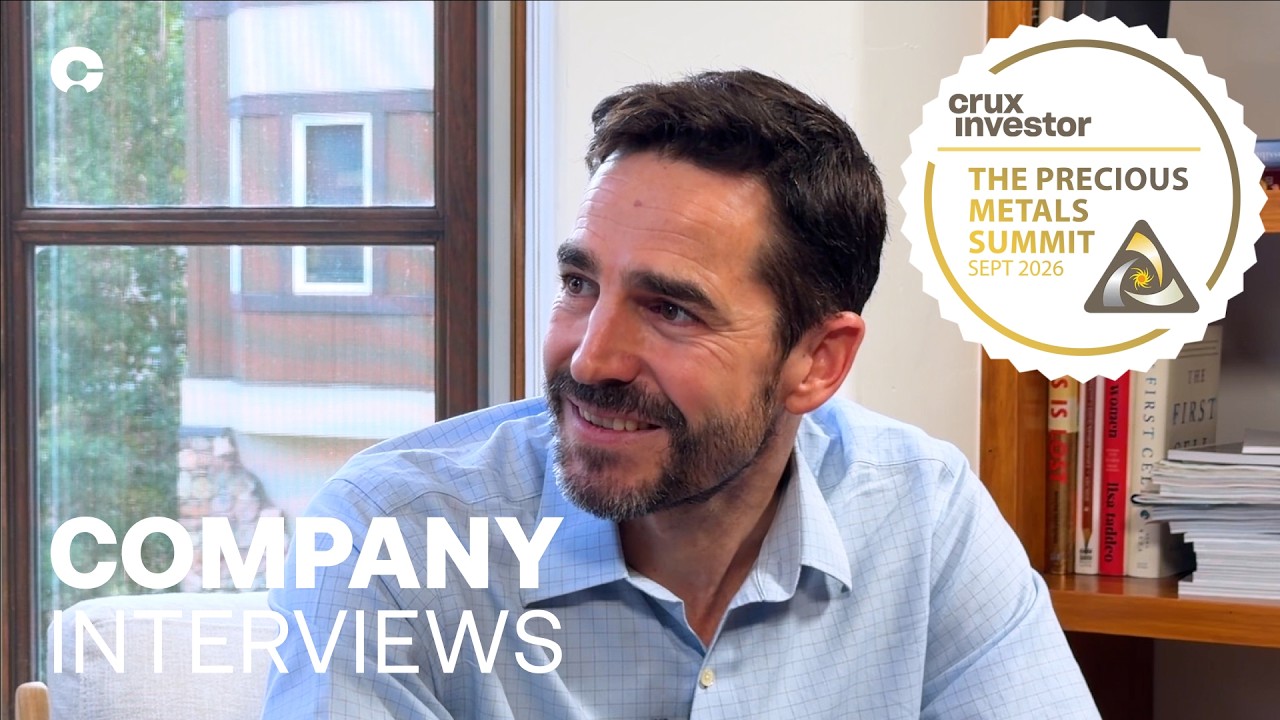
As Nick Smart, CEO of ValOre Metals, noted their mining future:
"Brazil is investing in its mining future. Stable regulatory frameworks support investment and streamline approvals. Brazil now graduates more mining engineers than both the USA and Canada combined."
This technical capacity, combined with modern infrastructure (Pedra Branca sits 4 hours by paved highway from Fortaleza, a major port and airport), positions Brazil as a strategic jurisdiction for investors seeking diversified exposure to new PGE supply.
Demand Drivers: Automotive, Industrial, & Investment
The narrative around PGE demand often centers on electric vehicle (EV) adoption and the anticipated decline in catalytic converter usage. While EV penetration is accelerating, the reality is more nuanced.
Internal combustion engine (ICE) vehicles and hybrids will dominate the global automotive market for at least another decade. Hybrids, in particular, require catalytic converters with PGM loadings comparable to, or exceeding, traditional ICE vehicles. As hybrid sales grow (particularly in markets like China, Europe, and Japan), PGM demand from the automotive sector remains durable.
Industry forecasts project that ICE and hybrid vehicles will account for more than 50% of global automotive sales through at least 2035. This extended demand runway supports sustained PGM consumption, even as long-term structural shifts toward EVs unfold.
Jim Paterson, Chairman of ValOre Metals and co-founder of Discovery Group, emphasized the importance of long-term market positioning:
"We have participated in $1 billion plus in M&A transactions and delivered exploration discoveries at multiple projects globally. The key is identifying assets with multi-generational value in jurisdictions that can support sustainable development."
Industrial & Jewelry Demand
Beyond automotive applications, platinum and palladium serve critical roles in industrial processes (chemical catalysis, petroleum refining, electronics) and jewelry (particularly in Asia). These segments provide demand stability and insulate the metals from single-sector risk.
Platinum's use in hydrogen fuel cells, an emerging clean energy technology, also offers long-term demand optionality. While fuel cell adoption remains nascent, government subsidies and infrastructure investments (especially in Japan, South Korea, and Europe) could drive meaningful incremental demand in the 2030s.
Company Case Studies: ValOre Metals' Building the Brazilian Powerhouse
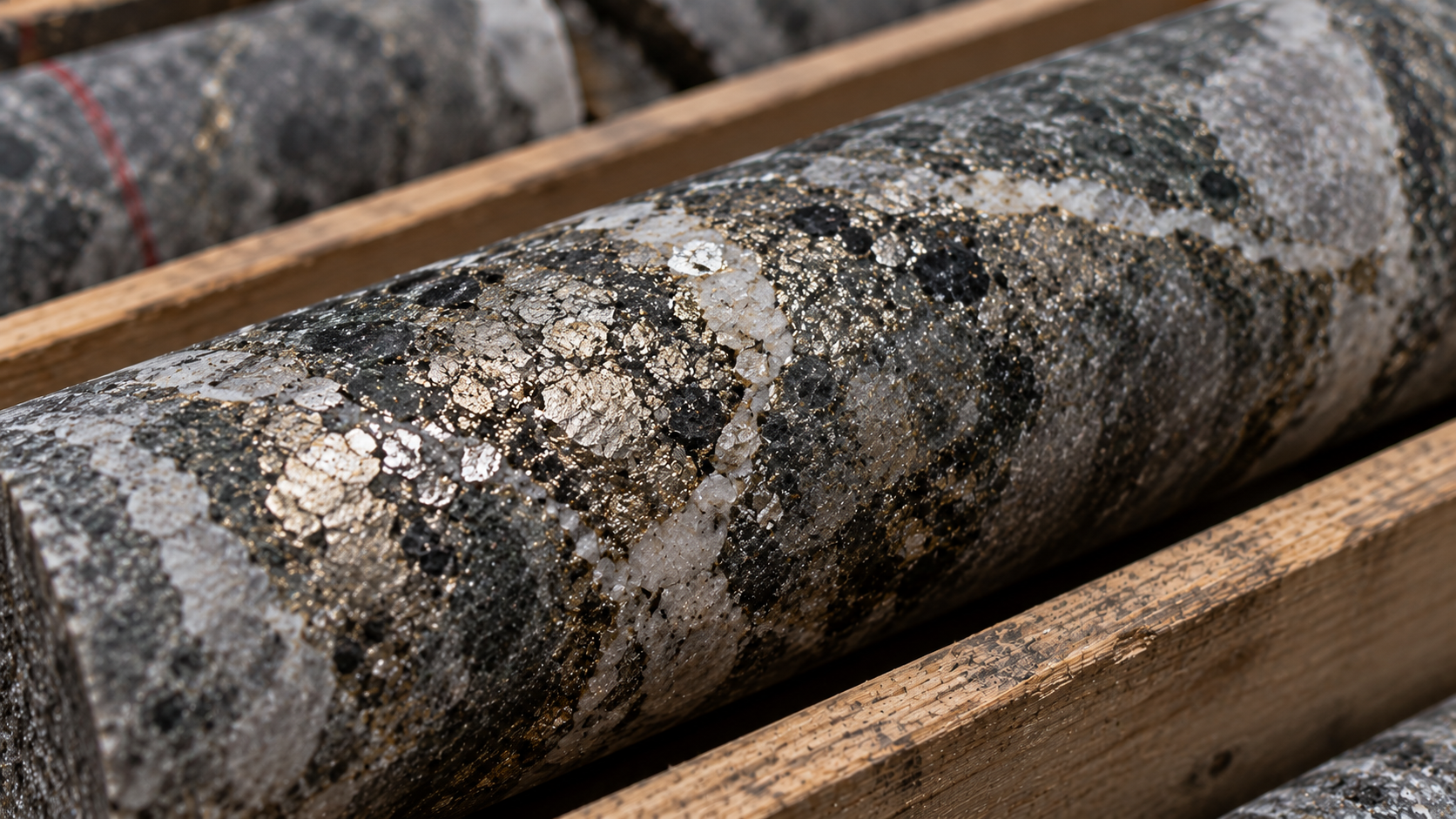
ValOre Metals Corp (TSX-V: VO, OTCQB: KVLQF) exemplifies the investment thesis for new PGE supply in stable, underexplored jurisdictions. The company's flagship Pedra Branca Project in Ceará State, Brazil, hosts a 2.2 million ounce inferred resource (platinum, palladium, gold) at 1.08 g/t across seven near-surface zones.
What differentiates Pedra Branca? At 2.2 Moz, Pedra Branca ranks as one of the largest undeveloped PGE projects outside South Africa and Russia. The 1.08 g/t grade compares favorably to global peers, particularly given near-surface, open-pit mining potential. Brazil offers stable mining regulations, modern infrastructure, and a deep technical talent pool. The country's mining sector is expanding rapidly, with government initiatives supporting exploration and permitting.
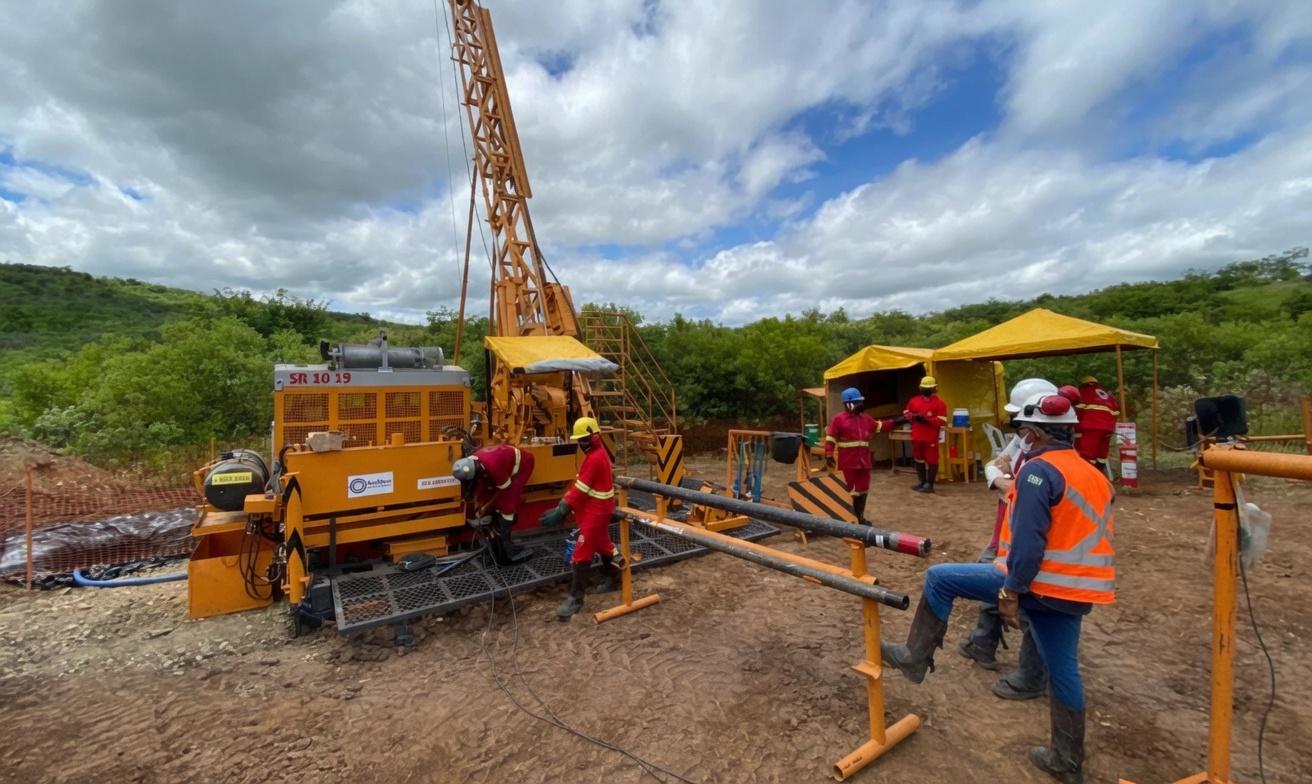
ValOre's 51,096-hectare land package hosts more than 80 km of prospective PGE trend, with only approximately 40,000 meters drilled to date. Five new exploration zones drilled in 2023 (not yet included in resource estimates) and the Salvador Target discovery suggest significant resource expansion potential.
The company is backed by Discovery Group, a Vancouver-based mining merchant bank with a track record of $2.6 billion in M&A activity and $1 billion in capital raised. Directors Jim Paterson and Nick Smart have collectively driven five major discoveries and four successful exits (including acquisitions by Rio Tinto, Goldcorp, Royal Gold, and Coeur Mining totaling $1.7 billion). This execution track record de-risks investment in early-stage developers, where management capability often determines success or failure.
Catalysts & Timeline
ValOre's near-term catalysts include completion of comprehensive metallurgical testwork (flotation and bio-leaching pathways) in partnership with the University of Cape Town in Q4 2025, demonstrating optimal process routes. The company targets an M&A announcement in Q1 2026 for acquisition of a Brazilian gold project to accelerate cash flow and diversify the portfolio. Targeted gold production from acquisitions is expected in Q3 2026, providing revenue to fund Pedra Branca advancement. Publication of a Preliminary Economic Assessment (PEA) for Pedra Branca is scheduled for Q4 2026, outlining project economics and development pathways. Licensing and Environmental Impact Assessment (EIA) initiation for Pedra Branca is planned for Q1 2027.
This timeline positions ValOre as a mid-term production story with near-term optionality from gold M&A and resource expansion.
Valuation Context
At a market capitalization of CAD $27.1 million (as of January 1, 2026), ValOre trades at approximately $12 per resource ounce, a significant discount to peer developers in Canada and South Africa (which often trade at $30 to $50 per ounce for comparable-stage projects). This valuation disconnect reflects Brazil's relative obscurity in PGE markets but also represents asymmetric upside as the company advances toward production studies and M&A execution.
Nick Smart, CEO of ValOre Metals
Technology & Innovation: Unlocking Value
ValOre's partnership with VRIFY (a geospatial data analytics firm) exemplifies how technology is reshaping mineral exploration. Brazil remains largely underexplored; less than 30% of the country is mapped at high-resolution geological or geophysical standards, according to the Brazilian Geological Survey (SGB/CPRM).
By reprocessing legacy datasets with modern machine learning and AI tools, ValOre can identify high-priority drill targets more efficiently than traditional methods. This approach reduces exploration risk and accelerates discovery timelines, critical advantages in capital-constrained environments.
Bio-Extraction Metallurgy
ValOre is also advancing bacteria-based bio-extraction testwork for PGEs, a potentially transformative processing technology. Traditional PGE extraction relies on energy-intensive smelting and refining, with significant environmental footprints. Bio-leaching, by contrast, offers lower operating costs through reduced energy and reagent consumption, environmental benefits via lower carbon emissions and waste generation, and efficiency gains with potential for higher recovery rates from lower-grade ores.
If successful, bio-extraction could position Pedra Branca as a low-cost, environmentally differentiated PGE producer, a compelling narrative for ESG-focused investors and strategic buyers.
The Investment Thesis for Platinum and Palladium
- Both metals face multi-year supply deficits driven by underinvestment, declining primary supply, and geopolitical concentration. Investors should expect elevated price volatility but with a strong upward bias through 2028.
- Avoid over-exposure to South African or Russian supply. Prioritize developers in stable jurisdictions (Canada, Brazil, USA) with modern infrastructure and streamlined permitting. Brazilian PGE projects offer particularly attractive risk-reward given jurisdictional discounts.
- Focus on companies with NI 43-101 compliant resources (or equivalents), near-term PEA/feasibility catalysts, and clear pathways to production. Early-stage exploration plays carry higher risk but can deliver outsized returns if discoveries are made.
- Mining is an execution-dependent business. Prioritize teams with proven track records in discovery, development, and M&A. Discovery Group-backed companies (like ValOre) offer de-risked exposure given historical transaction success.
- Companies pursuing gold M&A alongside PGE development (like ValOre's Q1 2026 target acquisition) offer near-term cash flow potential to fund flagship projects, a critical advantage in capital markets where financing remains challenging.
- If platinum and palladium prices rise 20% from current levels (pushing platinum toward $1,400 per ounce and palladium toward $1,200 per ounce), investors should rotate into mid-cap developers with production timelines within 3 to 5 years. These companies offer leveraged upside to price appreciation while minimizing jurisdictional and execution risk.
The platinum and palladium markets have entered a new phase defined by structural deficits, geopolitical supply concentration, and durable automotive demand. After a decade of underinvestment, the supply base is ill-equipped to meet sustained consumption, particularly as hybrid vehicle adoption extends the demand runway for catalytic converters. For investors, this creates a strategic window to gain exposure to precious metals beyond gold, metals where supply-demand fundamentals are tightening and price trajectories are favorable. Companies developing high-quality PGE projects in stable, underexplored jurisdictions like Brazil (ValOre Metals, Pedra Branca) offer asymmetric risk-reward profiles, particularly when backed by experienced management teams with proven M&A and discovery track records. The next 24 months will be pivotal. As developers advance toward production studies (PEAs, feasibility) and M&A activity accelerates, early investors positioned in undervalued names stand to capture significant upside. The platinum and palladium story is no longer speculative; it is a supply-driven bull market in the making.
TL;DR
Platinum and palladium markets are in structural deficit, with prices up 48% and 25% YTD 2025, respectively. Underinvestment in supply, geopolitical concentration (more than 70% from Russia/South Africa), and durable automotive demand (hybrids extend the runway) drive sustained price strength. Brazil represents an underexplored PGE frontier with stable regulations and modern infrastructure. ValOre Metals (TSX-V: VO) owns the 2.2 Moz Pedra Branca Project, trading at $12 per ounce, a 60% discount to peers. Backed by Discovery Group (CAD $2.6 billion M&A track record), ValOre offers leveraged upside as it advances metallurgical studies, targets gold M&A for cash flow, and publishes a PEA in Q4 2026. Near-term catalysts position the company as a strategic PGE play.
FAQs (AI-Generated)
Platinum and palladium prices surged in 2025 (up 48% and 25% YTD, respectively) due to structural supply deficits caused by underinvestment, declining production from South Africa and Russia (supplying more than 70% of global output), and sustained automotive and industrial demand. Geopolitical risks including Russian sanctions and South African energy crises further constrain supply.
Not in the near- to medium-term. ICE and hybrid vehicles will dominate more than 50% of global automotive sales through at least 2035, with hybrids requiring PGM loadings comparable to traditional vehicles. While post-2040 structural shifts may reduce automotive demand, industrial applications and hydrogen fuel cells offer long-term demand optionality.
Brazil offers stable mining regulations, modern infrastructure, and a deep technical talent pool (graduating more mining engineers annually than the USA and Canada combined). The PGE sector remains underexplored, creating discovery upside. Projects like ValOre's Pedra Branca (2.2 Moz resource) feature near-surface deposits and streamlined permitting.
Key risks include price volatility in relatively small PGE markets, geopolitical supply disruptions (Russian sanctions, South African strikes), mine development execution risk (permitting delays, cost overruns), and long-term demand erosion from EV adoption post-2035. Mitigate risks by diversifying across jurisdictions and prioritizing experienced management teams.
ValOre Metals (TSX-V: VO) owns the 2.2 Moz Pedra Branca PGE Project in Brazil, trading at CAD $27.1 million market cap (approximately $12 per resource ounce), a 60% discount to peers. Backed by Discovery Group (CAD $2.6 billion M&A track record) with near-term catalysts including Q4 2025 metallurgical testwork, Q1 2026 gold M&A, and Q4 2026 PEA, ValOre offers leveraged PGE exposure with jurisdictional diversification.
Analyst's Notes





Subscribe to Our Channel




Stay Informed


