




Norra Kärr De-Risked: Leading Edge Materials Secures Swedish Mining Concession for Europe's First Heavy Rare Earth Mine



Leading Edge Materials wins 25-year Swedish mining lease for Norra Kärr, de-risking Europe's top heavy rare earth project and reopening offtake talks.
- Leading Edge Materials Corp. (TSXV:LEM) has been granted a 25-year Exploitation Concession by the Swedish government for its Norra Kärr heavy rare earth elements project, a milestone the company describes as the most significant regulatory achievement in its history.
- The concession follows 15 years of technical work and endorsements from the Mining Inspectorate (Bergsstaten), the Geological Survey of Sweden, and the relevant county administrative boards, and it shifts Norra Kärr from a permitting story into a development and financing one.
- Independent research from Edison Group ranks Norra Kärr third among global deposits on a dysprosium-equivalent basis and assigned the project a risked NPV10 of approximately $900 million using underlying pricing assumptions that predate current market dynamics.
- CEO Kurt Budge has pointed to binding offtake agreements and an updated prefeasibility study as the next material catalysts, with environmental permit preparation expected to take 6-9 months and production targeted within 4 years.
- The project sits within a wider European policy push under the EU's Critical Raw Materials Act, though management contrasts this with faster-moving, state-backed capital deployment in the United States.
Leading Edge Materials Corp. (TSXV:LEM) has cleared what the company describes as the single most significant regulatory hurdle in the company's history. The Swedish government has granted a 25-year Exploitation Concession for the Norra Kärr heavy rare earth elements project, following recommendations from the Mining Inspectorate (Bergsstaten), the Geological Survey of Sweden, and county administrative boards.
For a company that has spent 15 years advancing the project through technical and regulatory workstreams, the decision marks the point at which Norra Kärr moves from a permitting story to a development and financing one.
From Permitting to Commercial Conversation
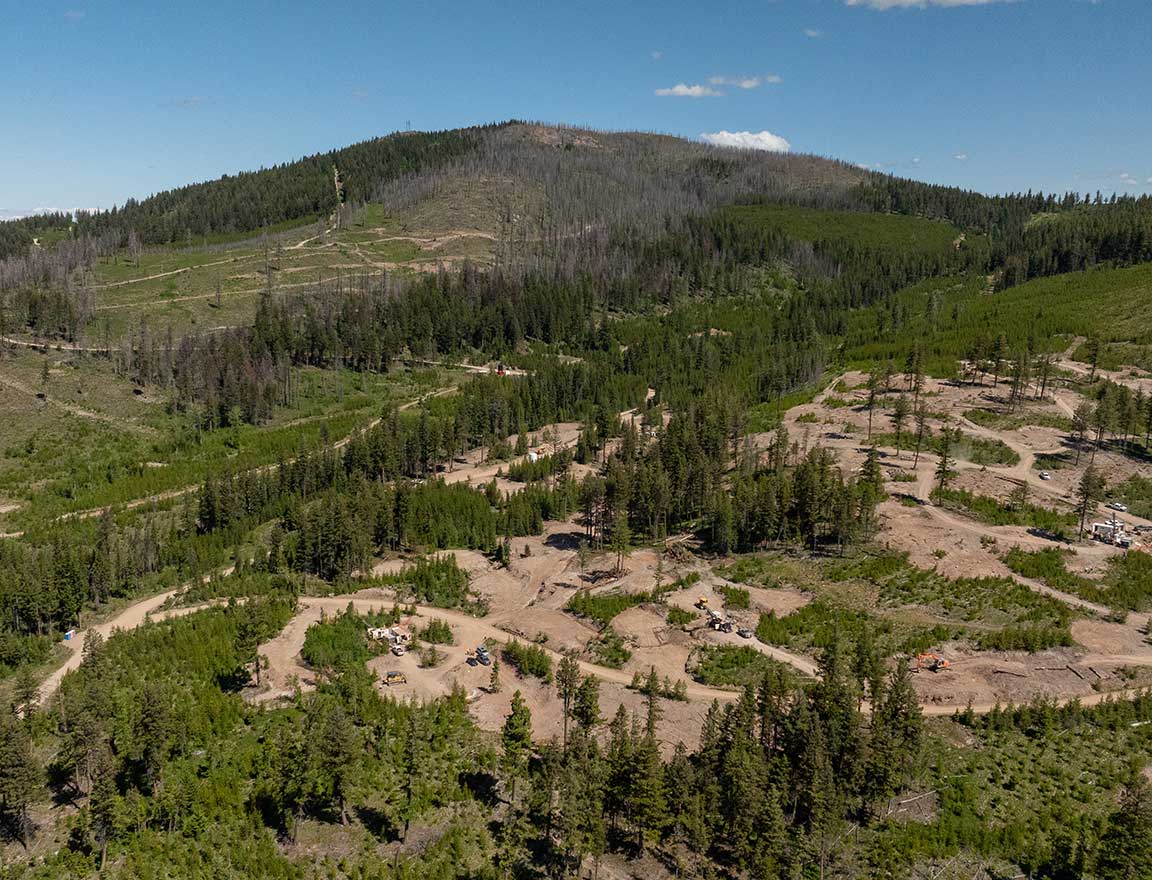
CEO Kurt Budge was direct about what a mining lease changes and what it does not. The concession grants Leading Edge the right to mine the deposit; the company must now prepare a full environmental permit application, covering the specific impacts of what Budge characterises as a comparatively straightforward operation which covers excavation, crushing, grinding and mineral separation to produce a heavy rare earth concentrate for downstream processing elsewhere.
The commercial significance, however, extends well beyond the technical scope of the concession. Budge described the shift in tone with prospective partners since the decision, noting that prior conversations with downstream customers and financial counterparties were consistently caveated by the absence of a lease.
As he put it, "I sound like a broken record immediately in whoever's listening to me that creates a perception of risk whereas now, I can have that conversation and say I've got a strategically important asset. It's got these characteristics and I've got a 25-year mining lease. That's a whole different conversation"
That distinction matters for a company whose flagship asset sits in the heavy rare earths segment where offtake certainty is increasingly the gating factor for both lenders and equity investors.
A Resource With Genuine Scarcity Value
Norra Kärr's investment case rests on the composition of its resource rather than headline grade alone. The deposit carries a high proportion of dysprosium, terbium and yttrium, heavy rare earths used in permanent magnets for electric motors, wind turbines and defence applications, and for which there is currently no production anywhere in the European Union. Independent research commissioned from Edison Group earlier in 2026 ranked Norra Kärr third among global deposits on a dysprosium-equivalent basis, with roughly 52% of its resource weighted towards the heavier, scarcer end of the rare earth spectrum. As per Budge, the projevct is valued with NPV10 of approximately $900 million though management has flagged that several of the underlying pricing assumptions from the 2015 study are now dated, particularly given the bifurcation between Chinese domestic and ex-China pricing for heavy rare earths that has emerged amid export restrictions.
The scale of that pricing dislocation is material to the investment case. Industry data shows ex-China dysprosium and yttrium pricing running well above Chinese domestic levels, reflecting the premium buyers outside China are increasingly willing to pay to secure supply independent of Beijing's export licensing regime. A prefeasibility study update, incorporating current market pricing, is now underway and expected to sharpen the economic picture investors are working from.
Interview with Kurt Budge, CEO of Leading Edge Materials Corp.
Policy Tailwinds
The regulatory outcome did not occur in isolation. Budge attributed the decision partly to the EU's Critical Raw Materials Act in 2024 and commits member states to collective supply chain resilience objectives, and partly to a more assertive Swedish government stance on permitting efficiency for projects capable of delivering critical raw materials domestically. Sweden is also moving to consolidate environmental permitting under a single authority, a structural change management expects to shorten future approval timelines.
Even so, Budge was candid about Europe's comparative position against the United States, where state-backed capital has moved decisively into rare earth supply chains citing Energy Fuels' acquisition of Germany's Vacuumschmelze (VAC) and USA Rare Earth's purchase of the Less Common Metals separation business in the UK.
"The US is now buying rare earth supply chain real estate on Europe's doorstep, which actually blows my mind. So I think that Europe needs to really get motoring"
Budge frames the contrast as evidence that European public funding institutions remain more risk-averse than their American counterparts, typically requiring a completed prefeasibility study before committing capital.
Near-Term Milestones
Management has set out a defined sequence of catalysts. Environmental permit preparation, including baseline data collection, is expected to take six to nine months before an application can be submitted, running in parallel with the prefeasibility study update. The company continues to target production within four years. Beyond the technical workstream, Budge pointed to binding offtake agreements as the next material catalyst both for the direct commercial value they represent and for the signal they send to prospective lenders and equity investors evaluating the project's bankability. Strategic Project status under the EU's Critical Raw Materials Act, which could bring expedited permitting and improved access to capital, remains a live possibility as the company advances its permitting and technical work, though Budge noted that the framework's practical benefits for previously designated projects have been mixed.
The Investment Thesis for Leading Edge Materials
- De-risked flagship asset: The 25-year Exploitation Concession removes the principal permitting overhang that had constrained commercial negotiations, converting Norra Kärr from a conditional opportunity into a project with confirmed mining rights.
- Genuine supply-chain scarcity: Norra Kärr is positioned to become the EU's first heavy rare earth mine, addressing a segment on dysprosium, terbium and yttrium where Europe currently has zero domestic production and full reliance on Chinese-controlled supply.
- Independent third-party validation: Edison Group's research placed Norra Kärr third globally on a dysprosium-equivalent basis and assigned a risked NPV10 of roughly $900 million, providing an external reference point for valuation, though investors should note the underlying study predates current pricing dynamics.
- Near-term catalyst pathway: A prefeasibility study update, progress on environmental permitting, and potential binding offtake agreements over the coming months represent concrete, trackable milestones rather than open-ended promises.
- Policy alignment: The EU Critical Raw Materials Act and Sweden's streamlined permitting reforms provide a supportive regulatory backdrop, with potential Strategic Project designation as an additional, if unconfirmed, upside catalyst.
- Execution and financing risk remain: Investors should weigh the project against the realities that no binding offtake has yet been signed, the prefeasibility study is not complete, and European risk capital has historically been less forthcoming than in the US market.
TL;DR
Leading Edge Materials has secured a 25-year mining lease for Norra Kärr, its heavy rare earth project in Sweden, removing the permitting overhang that had constrained offtake and financing discussions. Independent research values the project at a risked NPV10 of roughly US$900 million, though that figure predates current pricing conditions. Near-term catalysts include an updated prefeasibility study, environmental permit preparation, and potential binding offtake agreements, against a backdrop of EU policy support and accelerating US state-backed investment in rare earth supply chains.
Macro Thematic Analysis
Europe's rare earth strategy has for several years been characterised by strong policy architecture and thin risk capital. The EU's Critical Raw Materials Act, in force since 2024, commits member states to collective supply chain resilience targets, yet the bloc currently hosts no domestic rare earth production of any kind, leaving it structurally dependent on Chinese-controlled supply for materials central to electric motors, wind turbines and defence systems. Against that backdrop, the Swedish government's decision to grant Leading Edge Materials a 25-year mining lease for Norra Kärr is a meaningful test of whether European permitting reform can translate into bankable projects.
The wider competitive dynamic is instructive. US state-backed capital has moved assertively into European and adjacent rare earth infrastructure over the past year, with Energy Fuels' acquisition of Germany's VAC and USA Rare Earth's purchase of UK-based Less Common Metals both illustrating how quickly American capital, often catalysed by government-backed deals such as MP Materials' arrangement with the US government and subsequent private bank financing, has moved to secure processing and separation capacity close to European supply. France, through its Bpifrance investment vehicle, has taken a comparably assertive domestic stance, backing companies such as Carester.
For Norra Kärr specifically, the value proposition is sharpened by pricing bifurcation: ex-China prices for dysprosium, terbium and yttrium have decoupled meaningfully from Chinese domestic pricing as buyers seek supply independent of Beijing's export licensing regime, a dynamic that materially affects project economics relative to the company's 2015 study assumptions.
As Budge summarised the opportunity:
"You're investing in what is Europe's most strategically important heavy rare earth asset, and it's in demand because people want to know when the heavy rare earth, the dysprosium, is going to come on stream from the project."
Frequently Asked Questions (FAQs) AI-Generated
Analyst's Notes





Subscribe to Our Channel



Stay Informed


