




Olive Resource Capital Reviews Portfolio Performance: Key Wins and Lessons from 2024-2025 Bull Market



Managers review 18-month portfolio: Omai 10x, mid-tiers 220-260%, Arizona/AngloGold 300%+. Perpetual capital enabled April volatility buying. Lessons: sizing inadequacy, silver miss.
- Omai Gold delivered 10x returns from initial $0.125 position in July 2024, validating early-stage conviction investing and importance of holding quality names through development phases
- Large-cap transformation thesis proved highly profitable: K92, Aris, and AngloGold Ashanti each returned 220-260% through embedded growth optionality that markets initially underpriced
- Arizona Sonoran and AngloGold capitalised on U.S. permitting optimism post-election, delivering 300%+ returns as regulatory tailwinds materialised faster than anticipated
- Sailfish Royalty emerged as top performer (150% gain from $1.50 to $3.50) as information asymmetry narrowed on tier-one Spring Valley royalty asset in Nevada
- Portfolio structure advantages highlighted during April 2025 tariff volatility: perpetual capital vehicle enabled aggressive buying rather than forced redemptions, capturing subsequent rally
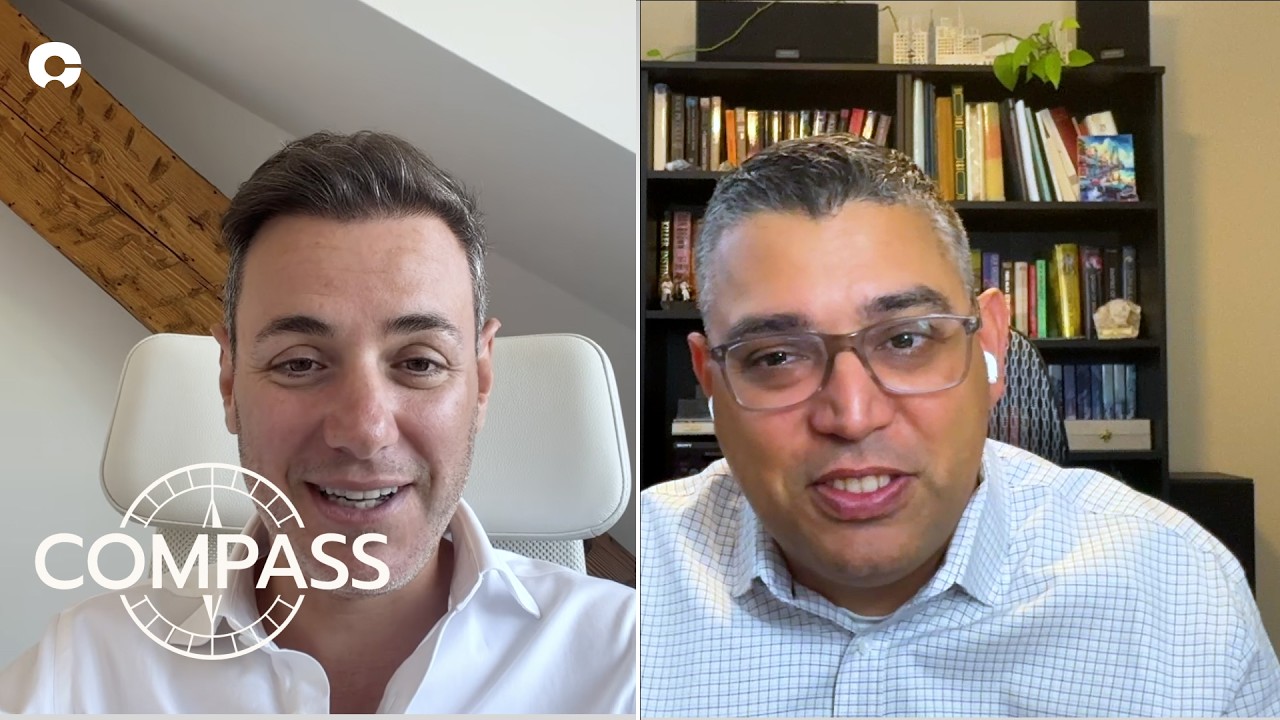
Samuel Pelaez, President & CEO, and Derek Macpherson, Executive Chair, at Olive Resource Capital conducted an extensive year-end review examining their portfolio decisions, outcomes, and lessons learned throughout 2025 and into 2026. The discussion, which reviewed over 30 previous discussions spanning July 2024 through September 2025, provided investors with transparency into their investment process, including both successful calls and missed opportunities during a significant bull market in precious metals and mining equities.
Early-Stage Conviction: The Omai Gold Success
The review began with their first discussion from July 2024, where they discussed Omai Gold Mines at $0.125 per share. Sam noted that the stock has since appreciated over 10-fold from that initial position. Derek emphasised that the success wasn't merely stock selection but reflected their conviction-based approach. "We had conviction for it as well, right? We held," Derek explained, noting the position was taken 18 months prior when the stock was valued at approximately $0.10-0.15.
The managers highlighted an important principle underlying this investment: the difficulty of establishing positions in junior miners once momentum begins. Derek stated their philosophy was "to pick high quality names early and go from there" rather than chase running stocks. This approach proved particularly valuable as Omai subsequently moved from double-digit cents to over $1.00 per share.
Embedded Growth Optionality in Mid-Tier Producers
A September 2024 discussion focused on what the managers described as "completely underappreciated capex or opportunity sets already embedded in the company that the market hasn't recognised." Three specific names were highlighted: K92 Mining, Aris Mining, and AngloGold Ashanti.
Sam reported that since that September discussion, these three names delivered returns between 220% and 260%, compared to approximately 130% for the GDX benchmark - representing a 2:1 performance ratio. Derek characterised this investment theme as "unpriced-in transformation or change," noting that companies undergoing significant operational evolution through embedded capital expenditures or turnaround situations tend to generate alpha.
For K92 specifically, they noted the company was expanding from 100,000 ounces to 300,000 ounces with plans to ultimately reach 400,000-500,000 ounces, with much of the required capital already invested. Aris was expanding from 200,000 to 300,000 ounces at their existing facility while building the Marmato project for an additional 200,000 ounces.
The managers acknowledged execution challenges with these positions. Derek noted they "probably didn't own enough AngloGold or K92" and sold Aris prematurely due to short-term underperformance, demonstrating what he called opportunity cost decision-making that didn't fully capture the eventual returns.
Silver Exposure: A Missed Opportunity
An October 2024 discussion focused on silver investments revealed what the managers characterised as a significant missed opportunity. They had conducted detailed analysis of the silver producer landscape, correctly identifying MAG Silver and Fresnillo as possessing the highest-quality assets that were underperforming relative to the commodity price movement. Derek candidly stated,
"We struggle with silver. I struggle with silver. We probably traded silver wrong. We don't have enough silver exposure for where the price is today."
They purchased MAG Silver, which doubled when Pan American acquired it, but failed to act on Fresnillo. Sam reported Fresnillo has appreciated nearly 500% from that analysis point, while their MAG position only delivered a 100% return.
Derek attributed this to mental challenges with silver investing, noting "silver assets are generally not that high quality. They tend to attract premium multiples." He acknowledged leaving substantial returns on the table despite correctly identifying the opportunity, referencing Warren Buffett's observation about the cost of inaction on good opportunities.
U.S. Permitting Optimism Post-Election
Following the November 2024 U.S. presidential election, the managers discussed potential permitting improvements under the incoming administration. Two specific investments were highlighted: Arizona Sonoran Copper and AngloGold Ashanti.
Arizona Sonoran, which had completed a financing at $1.45 per share, was trading at $1.29 at the time of the November discussion due to tax-loss selling pressure. Sam reported the stock subsequently appreciated to over $5.00, representing approximately 300% returns within 13 months.
AngloGold Ashanti's performance was even more dramatic. Trading at $24 in November 2024 and declining to $21 in December 2024, the stock appreciated to $91 - a roughly 300% return on a multi-billion dollar market capitalisation company. Derek noted,
"Getting north of 300% returns in just over a year on a multi-billion dollar stock, it's quite remarkable."
Sam reflected that while they correctly identified the opportunity, position sizing was inadequate: "Maybe we should have sized more aggressively for that opportunity." Derek added that such large-cap returns are characteristic of early bull market phases, when larger companies often move first and most dramatically.
Portfolio Structure Advantages During Volatility
During the April 2025 tariff-related market volatility - what the managers referred to as "Liberation Day" - they discussed the structural advantages of their investment vehicle. Unlike traditional fund structures, their vehicle lacks a redemption mechanism, allowing them to maintain positions through volatile periods. This structural feature allowed them to remain fully invested and add to positions during the downturn.
Sam noted the market bottom was actually set on April 7, though neither recognised it at the time.
"That's how the market affects your ability to think rationally and that's why you have to maintain this longer term horizon."
The managers emphasised they were fully invested throughout the volatility and captured the subsequent rally.
By late April, just two weeks after the tariff discussions, they were discussing market momentum turning decisively positive, with Sam stating,
"The momentum is clearly behind gold stocks. You can't get off the train because you never know when it ends."
Royalty Company Information Asymmetry
An April 2025 discussion highlighted Sailfish Royalty, which held a 2-3% NSR royalty on the Spring Valley project in Nevada. The managers explained that while Sailfish had owned this royalty for years, limited public information about Spring Valley meant the market ascribed minimal value to it.
At the time of the April discussion, Sailfish traded around $1.50. Sam reported it has since appreciated to $3.50, representing over 130% returns. The managers calculated that based on assumed 300,000 ounce annual production and a 15x revenue multiple (consistent with recent royalty transactions), the Spring Valley royalty alone could be worth $200 million USD.
Sam emphasised the importance of information advantages in royalty investing, comparing it to the Altus-Origin situation where Altus had information access from AngloGold that Origin lacked, enabling Altus to accumulate Origin shares before eventual corporate action.
Copper Strategy and Sterling Metals Discovery
A May 2025 episode focused on copper followed operational issues at Ivanhoe's Kamoa-Kakula project. The managers viewed this as highlighting supply tightness and creating an entry point for copper exposure. Derek stated, "You have this long-term opportunity in copper from a supply demand perspective. We need to be positioned."
They increased copper positions following this analysis, purchasing Ivanhoe Mines. One specific exploration investment highlighted was Sterling Metals, which the managers had followed through its previous ownership by Copper Road. Derek noted the asset's favorable location "wedged between the Trans-Canada Highway and Lake Superior" in Ontario, representing rare address quality for a significant copper asset.
Sterling subsequently announced a discovery hole in September 2025, leading to substantial share price appreciation. Sam reported approximately 300% returns from their May discussion to year-end. Derek acknowledged that while they don't frequently invest in pure exploration names,
"We tend to hit pretty well on them when we do, generally because we're buying good rocks with good teams."
The copper exposure increase, implemented in May before the broader market recognised tightening fundamentals, became "a good source of performance" for the second half of 2025. Derek suggested platinum and palladium might represent the next commodity opportunity, though he noted making similar predictions in prior episodes that hadn't yet materialised.
Reflections on Investment Process and Discipline
Throughout the review, the managers emphasised the importance of systematic reflection on investment decisions. Derek stated,
"It's very easy when you get into a market like this to confuse a bull market for brains. We have been in a bull market, so yeah, we've made some good calls that have outperformed, but we are benefiting from a bull market."
He advocated for regular portfolio review:
"We review what's in our portfolio, why we own it, why we bought it, should we still own it, what mistakes did we make, what we missed, what should we do differently next time. We do that all the time and that's an important thing. It's an important part of your investment process because it teaches you who you are as an investor and what you can tolerate."
Sam acknowledged that position sizing emerged as a recurring issue, particularly with smaller capitalisation names that delivered substantial percentage returns but insufficient absolute dollar impact on overall portfolio performance. Both managers expressed commitment to addressing this in future investment decisions.
Key Takeaways
The Compass year-end review revealed a portfolio that substantially outperformed benchmarks during 2024-2025, driven primarily by early identification of underappreciated transformation stories, conviction-based position holding through volatility, and structural advantages enabling opportunistic capital deployment. However, the managers demonstrated notable transparency regarding execution shortfalls, particularly around position sizing inadequacy on highest-conviction ideas and premature exits from positions that subsequently continued appreciating.
The discussion highlighted several investment principles that proved valuable: establishing positions in quality names before momentum develops, focusing on embedded growth optionality that markets haven't recognised, maintaining longer-term investment horizons rather than trading interim volatility, and leveraging information asymmetries particularly in less-followed sectors like royalty companies. The perpetual capital structure enabled counter-cyclical positioning during the April tariff volatility, capturing subsequent rallies that redemption-prone vehicles would have missed.
Looking toward 2026, the managers indicated upcoming episodes would address medium-term outlook and whether seasonal Q1 weakness patterns warrant any position adjustments. Derek's closing acknowledgment that "investing in junior mining is hard, so it's important to take the wins when you can" encapsulated the balance between celebrating successful outcomes and maintaining the analytical rigor and self-awareness necessary for sustained outperformance.
TL;DR
Investment managers reviewed 18 months of portfolio decisions, highlighting 10x return on Omai Gold, 220-260% returns on mid-tier producers with embedded growth (K92, Aris, AngloGold), and 300%+ gains on U.S.-focused names (Arizona Sonoran, AngloGold) post-election. Perpetual capital structure enabled opportunistic buying during April 2025 volatility when others faced redemptions. Key lessons: position sizing inadequacy on highest-conviction ideas, missed silver opportunity (Fresnillo +500%), and importance of holding quality names through interim volatility.
FAQs (AI Generated)
Early-stage developer with ounces in the ground, significant M&A activity in surrounding area, and potential rerating based on nearby Reunion takeover. Managers emphasised establishing positions in quality juniors before momentum develops rather than chasing.
No redemption mechanism allows managers to deploy cash opportunistically during dislocations rather than funding withdrawals. During April 2025 tariff volatility, they added positions while traditional funds faced outflows, capturing subsequent rally.
Correctly identified MAG Silver and Fresnillo as highest-quality underperformers but only bought MAG (100% return on takeover). Failed to act on Fresnillo, which subsequently returned 500%. Attributed to mental blocks around silver asset quality and valuation premiums.
Anticipated permitting improvements under new administration. Arizona Sonoran ($1.29 to $5.00) benefited from copper price and project advancement. AngloGold ($21 to $91) gained on gold rally plus recognition of Nevada greenfield discovery potential, rare for multi-billion market cap.
Disruption at tier-one asset highlighted supply tightness and long-term deficit fundamentals. Increased exposure via Ivanhoe, and Sterling Metals. Sterling discovery hole in September delivered 300% returns, validating strategy of buying quality management teams with good geology.
Analyst's Notes





Subscribe to Our Channel


.jpg)



Stay Informed


