




Metal Energy Prepares to Drill an Untested Porphyry Target in BC's Toodoggone District


Metal Energy targets a BC porphyry copper-gold system with Centerra & Teck as 9.9% backers, funded for 5,000–6,000m of drilling in 2026.
- Metal Energy Corp CEO Charlie Greig, a veteran exploration geologist with involvement in the GT Gold discovery (sold for ~$450M in 2021), has optioned the NIV property in BC's Toodoggone district, which he and partner Alex Walcott have worked since 2010.
- The NIV property features a 5-kilometre trend with coincident copper-gold-molybdenum soil geochemistry, induced polarisation chargeability anomalies, and porphyry-style surface veining, pointing to a potential copper-gold-molybdenum porphyry system at depth.
- Strategic investors Centerra Gold and Teck Resources have each taken 9.9% positions in the company, providing both validation and financial backing.
- The 2026 program is expected to consist of approximately 5,000–6,000 metres of helicopter-supported drilling, targeting coincident geochemical and geophysical anomalies along the NIV trend.
- Adjacent neighbour Northwest Copper drilled a notable copper-gold intersection within 1–2 kilometres of NIV ground, and Amarc Resources' AuRORA copper-gold discovery 40+ kilometres to the north is considered a close geological analogue.
Against a backdrop of rising gold and copper prices, Metal Energy Corp (TSXV:MERG) is preparing to drill its first holes on the NIV property, located in the Toodoggone district of north-central British Columbia. The company's newly appointed CEO, Charlie Greig, is a geologist with decades of experience in systematic mineral exploration across Western Canada. His most notable prior involvement was in assembling the key elements of what became the GT Gold Saddle discovery - a deposit ultimately sold for approximately $450 million in 2021. Now, Greig is applying a similarly methodical approach to a property he and his business partner, geophysicist Alex Walcott, have been quietly building a data package on since 2010. With strategic investors in place, funding secured, and drilling expected in 2026, Metal Energy offers a focused exploration story grounded in geological conviction rather than promotional narrative.
The NIV Property: Location and Regional Context
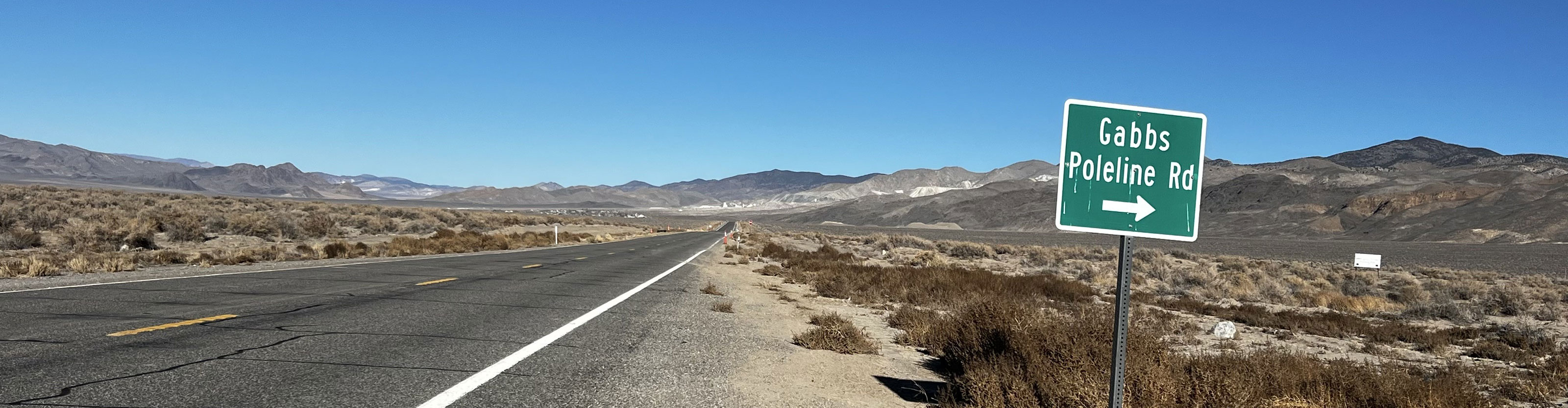
The NIV property sits at the southern end of the Toodoggone district, a mineral-rich belt in north-central British Columbia that has hosted gold, silver, and copper-gold exploration activity for decades. The district contains at least one producing mine, located approximately 40 kilometres to the north and now held by Centerra Gold. More recently, Amarc Resources made the AuRORA copper-gold discovery in the same district, a development that has significantly raised the profile of the area and renewed industry interest in the host volcanic and intrusive rock package.
The NIV property itself is a relatively small tenure - roughly 5 kilometres in length described as a "postage stamp" within a broader claim landscape. Critically, the property sits in the same geological rock package that hosts the known porphyry deposits in the Toodoggone and, further west, the Golden Triangle. The rocks share age characteristics and intrusive styles that are consistent with the high-potassium calc-alkaline porphyry systems well documented across the region.
The Technical Case: Coincident Anomalies Along a 5-Kilometre Trend
The core of Metal Energy's exploration thesis rests on the coincidence of three independent datasets across the NIV trend: surface soil geochemistry, geological observations, and multiple geophysical surveys. Copper, gold, and molybdenum values in soils are elevated continuously along much of the 5-kilometre trend, with particularly strong responses in the northern portion of the property. Ground and airborne geophysical surveys - including magnetics, induced polarisation (IP), and airborne magnetotelluric (MT) work - have identified chargeability anomalies beneath the surface geochemical highs, consistent with a sulphide-bearing system at depth.
Greig is direct about the significance of these overlapping datasets:
"It's pretty straightforward about where you put the drill... Copper and gold run together in the soil geochemistry along with Moly. Moly's a little bit narrower but it's right within where those other soil geochemistry responses are, and they all lie right above where the geophysical anomalies are."
The surface also displays porphyry-style sheeted veining across a meaningful portion of the trend - a structural feature consistent with the upper reaches of a classic porphyry system. Taken together, Greig and Walcott interpret the data as pointing to a copper-gold-molybdenum porphyry centre that remains untested at depth.
Neighbouring Discoveries as a Geological Benchmark
Two external reference points support the exploration thesis. The first is a drill hole by Northwest Copper (now part of the broader regional activity) approximately 1–2 kilometres to the east of NIV ground. That hole intersected copper-gold mineralisation - reportedly around 80 metres of .6% copper equivalent - in what appeared to be the upper reaches of a porphyry system. While subsequent holes on that property have yet to define a major deposit, the existence of porphyry-style mineralisation in adjacent rocks at shallow depths is a meaningful geological indicator.
The second and arguably more significant analogue is Amarc Resources' AuRORA discovery, located some 40-plus kilometres to the north in the same district. Greig notes that the soil geochemistry and IP chargeability signature at AuRORA is "pretty much a dead ringer for what we have at NIV." The AuRORA deposit has attracted considerable industry attention as a significant copper-gold discovery, and its geological similarity to NIV's anomaly package provides a meaningful benchmark for what might lie beneath the surface at Metal Energy's property.
Interview with Charlie Greig, CEO of Metal Energy Corp.
Strategic Investors Signal Technical Conviction
Among the more tangible signals of external confidence in the NIV project is the participation of two substantial mining companies as strategic investors. Centerra Gold, which controls an adjacent mine, has taken a 9.9% equity position in Metal Energy. Teck Resources has done the same. Both companies conducted their own technical review prior to investing, and their participation at equal stakes represents a meaningful endorsement of the project's geological merits.
"They wouldn't put money into it if they didn't think we knew what we were doing technically and how to point the rig at the right thing."
The presence of Centerra is particularly notable given its direct operational familiarity with the Toodogonne district's geology, infrastructure, and permitting environment. For a small junior, having a near-neighbour with a vested interest in the project's success - and operational assets nearby - is a meaningful structural advantage.
Planning the 2026 Drill Campaign
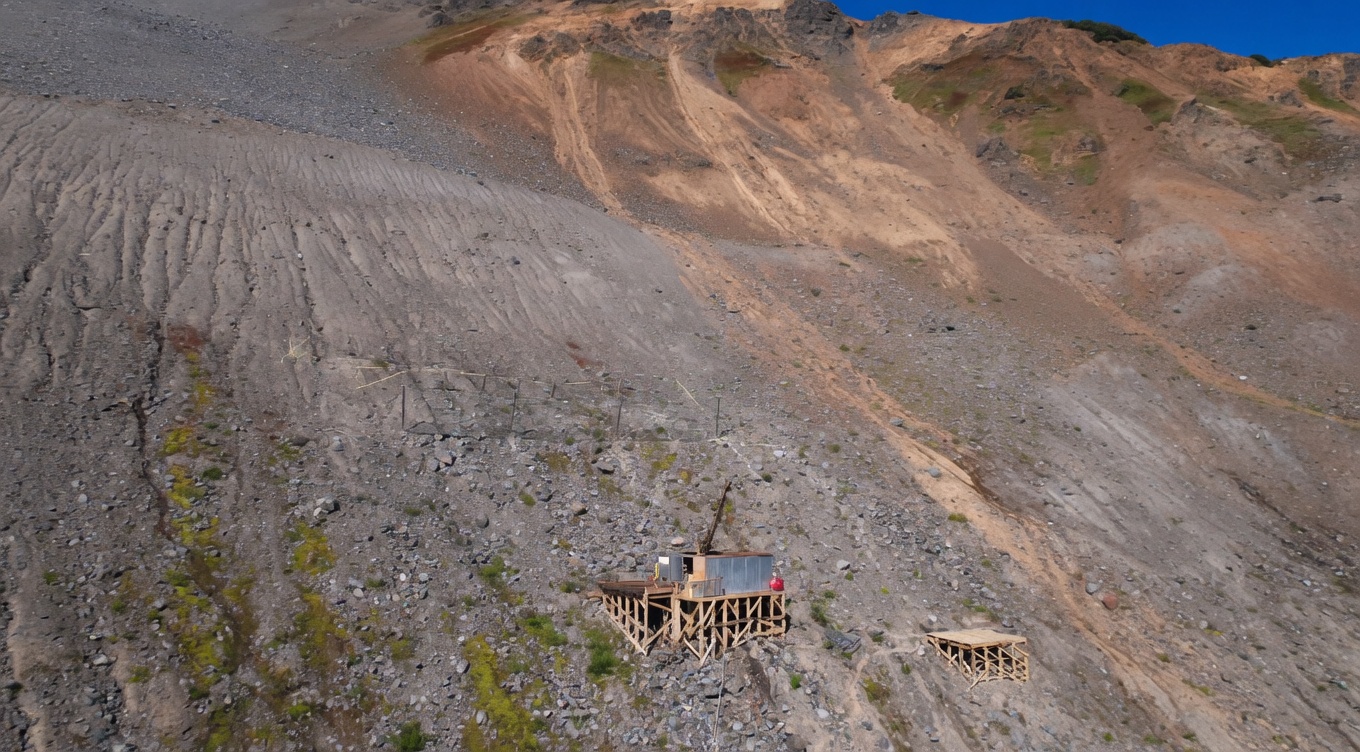
Metal Energy is planning a helicopter-supported drilling campaign for 2026, expected to total between 5,000 and 6,000 metres. The program will likely involve between 10 and 12 holes ranging from 500 to 600 metres in depth, distributed along the NIV trend to test the highest-priority coincident anomalies. Greig emphasised the flexibility inherent in the program design: if early results at the first collar are sufficiently encouraging, the company would not hesitate to concentrate additional drilling in that area rather than mechanically advancing along strike.
Logistically, the property benefits from existing road and power infrastructure, though the initial camp will be relatively basic - wall tents and plywood platforms - in keeping with the junior exploration model of minimising overhead ahead of discovery.
Greig acknowledged that exact hole locations are still being finalised, with he and Walcott working through the section planning in the near term. The company is under some pressure from its capital markets partners and shareholders to move efficiently, but Greig is clear that systematic planning takes priority: "You have to do it systematically."
The Geological Analogy with GT Gold's Saddle Discovery
Greig draws a measured but relevant parallel between the NIV project and the early stages of the Saddle porphyry discovery at GT Gold. In both cases, a gold-in-soil anomaly initially attracted attention, but the more compelling geophysical target - a high-chargeability, high-resistivity IP anomaly - was identified slightly later and pointed toward a deeper, potentially larger mineralised system. At Saddle, that geophysical anomaly ultimately led to the discovery of a copper-gold porphyry deposit that anchored the company's eventual $450 million acquisition.
At NIV, geophysics has been a central component of the technical work from an earlier stage, partly because Walcott's background as a geophysicist ensured that IP and other surveys were integrated into the program design systematically. The chargeability anomalies at NIV extend to the limits of the IP survey's depth penetration - approximately 400 metres - suggesting the mineralised system may extend meaningfully below surface.
The Investment Thesis for Metal Energy
- Experienced technical leadership with a demonstrable track record in porphyry discovery, including involvement in a deposit sold for ~$450 million
- Coincident multi-dataset anomaly - soil geochemistry, geology, and multiple geophysical methods - covering a 5-kilometre trend, reducing exploration risk prior to first drill
- Strategic validation from Centerra Gold and Teck Resources, each holding 9.9% equity positions following independent technical review
- Funded for drilling with a 5,000–6,000 metre program planned for 2026, providing near-term catalysts
- Strong geological context - adjacent copper-gold intercept by Northwest Copper and the AuRORA discovery (Amarc) as a direct geological analogue in the same rock package
- Exploration upside along 5 km of strike, with multiple drillable targets identified beyond the initial priority zone
- Relatively tight share structure following a rollback of Metal Energy, reducing dilution risk
Macro Thematic Analysis
The structural demand outlook for copper has become a defining investment theme across the mining sector. Electrification, grid expansion, and the buildout of renewable energy infrastructure are all intensely copper-dependent, while new large-scale porphyry discoveries have become increasingly scarce relative to historical rates. In parallel, gold continues to benefit from macroeconomic uncertainty, currency debasement concerns, and central bank accumulation. Projects offering exposure to both metals - particularly at the porphyry deposit scale, where copper and gold are frequently co-products - sit at the intersection of two compelling long-duration investment themes. The Toodogonne district, with its established porphyry mineralisation history and renewed discovery activity at AuRORa, offers a well-contextualised exploration address for investors seeking leverage to this dual-commodity opportunity.
TL;DR
Metal Energy Corp is advancing the NIV copper-gold-molybdenum porphyry project in British Columbia's Toodogonne district, led by a geologist with proven discovery credentials. A 5-kilometre trend with coincident geochemical and geophysical anomalies forms the basis of a funded 2026 drill program. Strategic 9.9% stakes held by Centerra Gold and Teck Resources provide meaningful technical and financial validation for this early-stage exploration play.
FAQs
Both companies conducted independent technical due diligence and concluded the NIV project has geological merit. Their capped positions reflect strategic interest without triggering takeover thresholds under Canadian securities rules.
The IP anomaly, coincident with copper-gold-molybdenum soil geochemistry, indicates a sulphide-bearing system at depth. Its strength and continuity along 5 kilometres meaningfully de-risks drill targeting prior to first holes.
The base plan of 10–12 holes distributes testing across the NIV trend, but management retains flexibility to concentrate capital on a single high-priority target if early results warrant it.
Greig notes that NIV's copper and gold soil geochemistry values are comparably or more elevated than those seen over Northwest Copper's confirmed drill intercept, suggesting NIV may host a more proximal mineralised centre.
Initial holes are targeted at 500–600 metres, consistent with IP survey depth penetration and typical porphyry system geometry. If mineralisation continues at depth, holes would be extended accordingly.
Analyst's Notes





Subscribe to Our Channel



Stay Informed






















