




Pulsar Helium's Jetstream #3 Well Records 960 psi Bottom-Hole Pressure at Topaz Project


The third well in the drilling programme encountered pressurised gas at two intervals, with pressure readings substantially higher than previous wells.
- Bottom-hole pressure of 960 psi recorded: Jetstream #3 encountered pressurised gas with calculated bottom-hole pressure of approximately 960 psi at 2,167 feet depth, compared to 185 psi at Jetstream #1 and 205 psi at Jetstream #2.
- Two gas-bearing intervals identified: The well intersected gas-bearing zones at approximately 1,717 feet and 2,036 feet depth, with gas bubbling observed at surface during drilling operations.
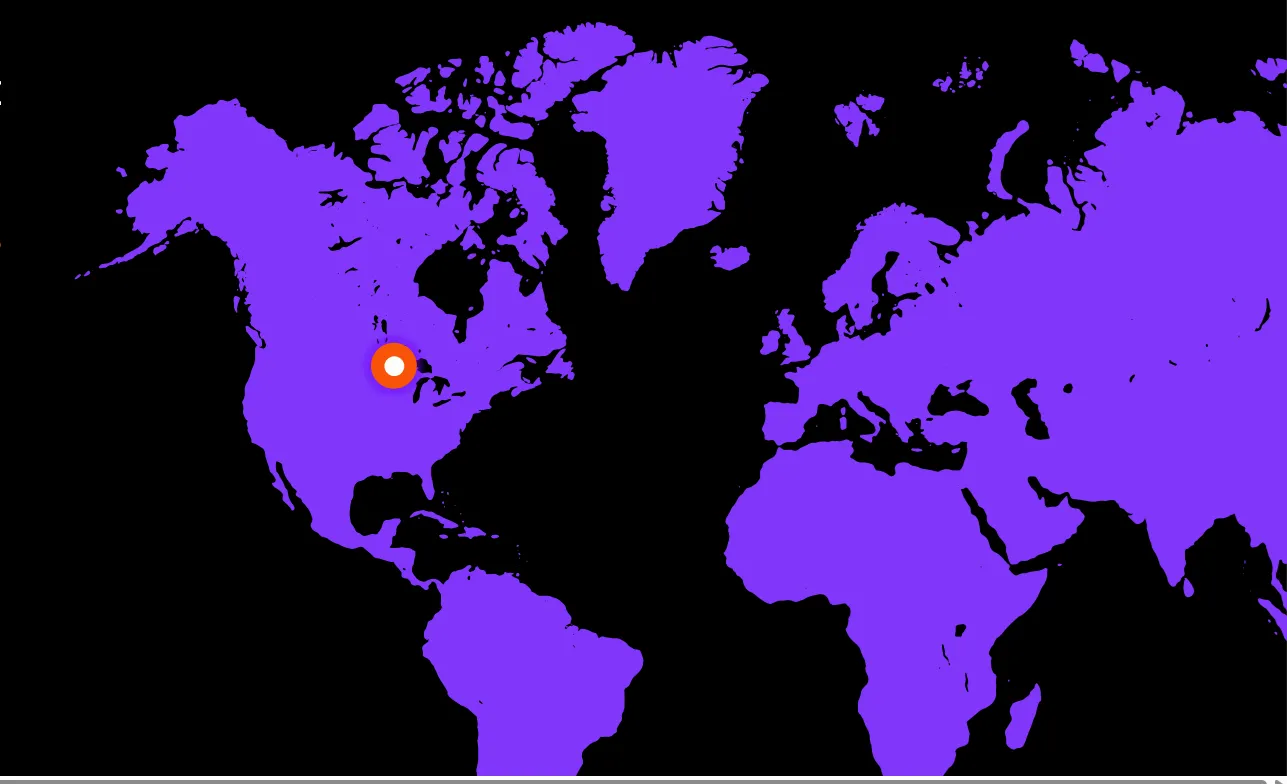
- Located northeast of discovery well: Positioned 0.6 miles northeast of Jetstream #1, the well is drilling to a planned total depth of 3,500 feet using continuous core drilling methodology.
- Testing programme to commence: Upon reaching total depth, the well will undergo wireline logging, optical televiewer imaging, flow testing, and pressure build-up analysis to measure deliverability.
- Laboratory analysis planned: Core and gas samples will be analysed for gas composition and helium concentrations, including testing for the helium-3 isotope previously detected at Topaz.
Pulsar Helium Inc. (AIM: PLSR, TSXV: PLSR, OTCQB: PSRHF) is a helium exploration and development company with two projects: the Topaz helium project in Minnesota, USA, and the Tunu helium project in Greenland. The company holds exclusive leases at both locations, where it has identified primary helium occurrences not associated with hydrocarbon production.
Jetstream #3 Well Drilling Results and Pressure Readings
Jetstream #3 commenced drilling on 17 October and encountered pressurised gas at approximately 1,717 feet and 2,036 feet vertical depth. The calculated bottom-hole pressure of approximately 960 psi at 2,167 feet represents a substantial increase from the 185 psi recorded at Jetstream #1 in 2024 and 205 psi at Jetstream #2 in 2025. The company notes that this pressure reading may change as drilling continues and final measurements are obtained at total depth.
The well is being drilled on a 24-hour schedule using continuous HQ core drilling with a 3.8-inch hole diameter. Drilling personnel have observed gas bubbling through the drill mud at surface, particularly during pipe connections. The well has surpassed 2,167 feet and continues towards the planned total depth of 3,500 feet.
Thomas Abraham-James, President and CEO of Pulsar, stated:
"Encountering such strong gas pressure at Jetstream #3 is extremely encouraging for our team. A near-1,000 psi bottom-hole pressure suggests we have a highly charged reservoir at this location. This outcome not only validates the geological model we built from Jetstream #1 and #2, but also boosts our confidence as we continue drilling and begin the testing phase."
Gas-Bearing Intervals and Core Recovery
The two gas-bearing intervals encountered at Jetstream #3 occur within 100 vertical feet of the known helium-bearing zone identified in Jetstream #1. The first gas show was observed at approximately 1,717 feet, followed by a second at approximately 2,036 feet. Gas influx was noted when penetrating these intervals, with visible bubbling at surface during drilling operations.
The well is being drilled using continuous HQ core drilling, which produces core samples with a diameter of approximately 63.5 millimetres. According to the company, this drilling method maximises sample recovery whilst maintaining efficient progress.
The well's location, 0.6 miles northeast of Jetstream #1, is part of the company's multi-well drilling programme at the Topaz project. Previous drilling at Jetstream #1 reached a total depth of 5,100 feet in January 2025, whilst Jetstream #2 reached 5,638 feet in February 2025.
Testing Programme and Laboratory Analysis
Upon reaching total depth, Jetstream #3 will undergo a downhole evaluation programme. This includes open-hole wireline logging to collect geological and petrophysical data, optical televiewer imaging of the wellbore wall, and flow testing with pressure build-up analysis to measure well deliverability.
Core and gas samples from Jetstream #3 will be sent for laboratory analysis to determine gas composition and helium content. The analysis will include testing for helium-3, a rare isotope previously detected in the Topaz reservoir. According to the company's October 2025 news release, helium-3 was found at concentrations representing one of the highest naturally occurring helium-3 values publicly reported in a terrestrial gas reservoir.
Jetstream #1 was flow tested in August 2025, delivering a peak gas flow rate of approximately 1.3 million cubic feet per day with sustained helium-4 concentrations of 7 to 8 per cent. The company has not yet assigned reserves to its property interests, which remain at an early stage of development.
Next Steps
Pulsar Helium will continue drilling Jetstream #3 to the planned total depth of 3,500 feet before commencing the wireline logging and testing programme. Laboratory analysis of core and gas samples will provide data on gas composition, helium concentrations, and the presence of helium-3. The results from this well will inform future resource estimates and the ongoing multi-well drilling campaign at the Topaz project in Minnesota.
Analyst's Notes





Subscribe to Our Channel



.png)
Stay Informed


