




Revival Gold Confirms High-Grade Heap Leach Gold at South Mercur, Points to Resource Growth in Utah



Revival Gold's first 2026 drill results at Mercur show high-grade gold at South Mercur, indicating resource expansion potential beyond the current pit.
- Revival Gold has completed 7,400 metres of the 18,000-metre drilling programme planned for Mercur this year.
- The first thirteen reverse circulation drill holes returned assays, including 1.65 grams per tonne gold over 30.5 metres at South Mercur.
- A second intercept graded 0.92 grams per tonne gold over 30.5 metres, also at South Mercur.
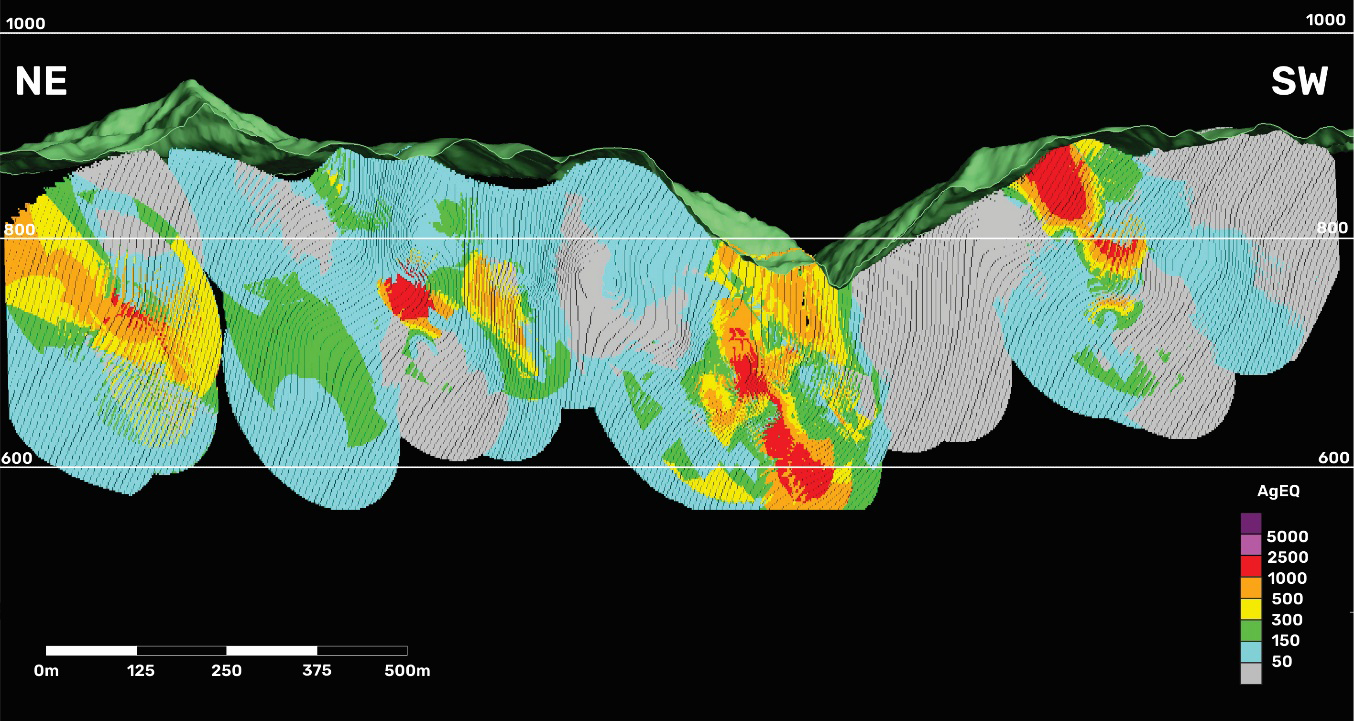
- Gold mineralisation at South Mercur extends below the open pit outlined in the 2025 Preliminary Economic Assessment.
- Two drill rigs are active at Main Mercur, with two more expected to arrive later this summer, taking the total to four.
Revival Gold (TSXV: RVG) (OTCQX: RVLGF) is a Canada-based gold developer advancing past-producing gold assets in the United States. Its lead project is Mercur, a heap leach gold development in Utah, alongside ongoing exploration at the Beartrack-Arnett project in Idaho. The company is headquartered in Toronto, with a U.S. technical office in Salmon, Idaho.
First 2026 Drill Results at Mercur Confirm High-Grade Heap Leachable Gold
Revival Gold has released the first batch of assay results from this year's drilling campaign at Mercur, its gold project in Utah. Of the 74 holes drilled so far, covering 7,400 metres, results are now available for thirteen reverse circulation holes across the South Mercur and Main Mercur areas. The strongest intercept, 1.65 grams per tonne gold over 30.5 metres, came from hole RM26-204 at a depth of 128 metres, while a second hole, RM26-183, returned 0.92 grams per tonne gold over the same width at 145 metres depth.
Several of the reported intercepts are being evaluated for heap leach potential, a lower-cost processing method where ore is stacked and treated with a chemical solution to extract gold, rather than crushed and processed in a mill. To assess leachability, Revival Gold reports a cyanide-to-fire-assay ratio for each sample; several intercepts, including the two headline results, returned ratios above 90 percent.
President and CEO Hugh Agro said:
"Revival Gold is now more than a third of the way through this year's planned drilling program at Mercur. Results in the South Mercur area are revealing some of the Project's highest grades and point to potential expansion opportunities in heap leachable material beyond the PEA open pit."
Mineralisation Extending Below the PEA Open Pit Indicates Resource Expansion Potential
Results at South Mercur show that leachable gold extends below the boundary of the open pit contemplated in Mercur's Preliminary Economic Assessment, completed in May 2025. That assessment set out the mine plan and economics used to evaluate the project, based on the resource known at the time.
Mineralisation continuing beneath the planned pit floor identifies an area for further drilling and resource evaluation as the 2026 programme progresses. Revival Gold's technical team, led by Vice President of Engineering and Development John Meyer and Chief Geologist Dan Pace, reviewed and approved the results disclosed in this release.
Approximately 2,500 metres of reverse circulation drilling, 1,200 metres of core drilling and 600 metres of auger drilling are allocated this year specifically to resource expansion targets, including the South Mercur zone below the current pit design.
Drilling Programme Ramps to Four Rigs, Supporting a Q1 2027 Preliminary Feasibility Study
Revival Gold's 2026 drilling programme at Mercur is structured around three objectives. About 8,500 metres of infill drilling is planned to upgrade Inferred resources to the higher-confidence Measured and Indicated categories, feeding into a Preliminary Feasibility Study (PFS) targeted for completion by the end of the first quarter of 2027. A PFS is a mid-stage economic study that refines a project's mine plan, costs and expected returns.
An additional 5,200 metres of geotechnical, hydrological and condemnation drilling, work that tests ground stability, water conditions and the suitability of land for infrastructure, supports the engineering and permitting components of the programme.
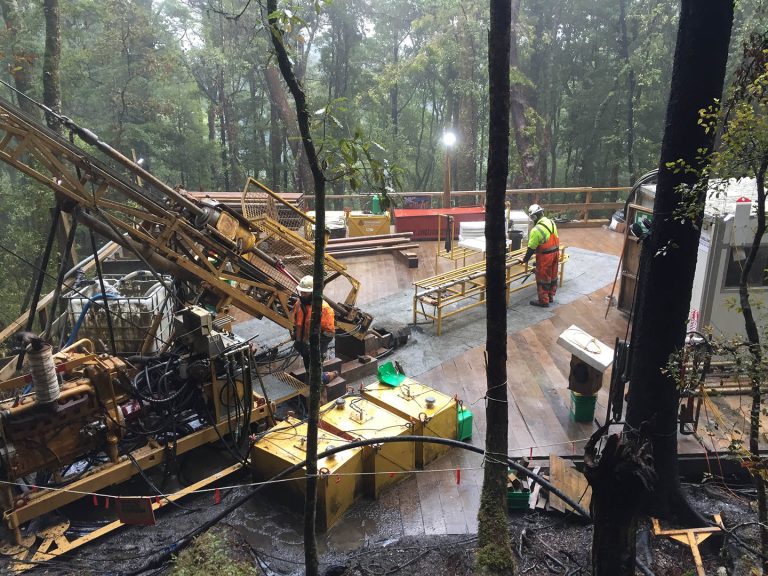
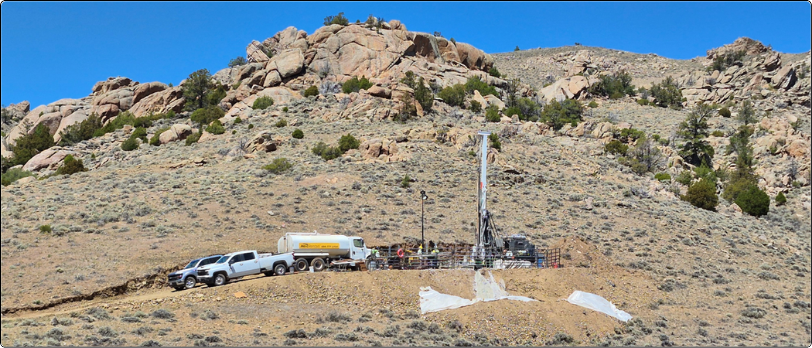
Two rigs are currently drilling at Main Mercur, with two more expected on site later in the summer, bringing the total to four.
President and CEO Hugh Agro said:
"We continue to build on-site facilities, roadworks and staffing as our Mercur team ramps up to double the number of rigs drilling to four later this summer."
Milestones and Next Steps
With just over a third of the planned 18,000 metres completed and results from thirteen of 74 holes released so far, further assay data is expected as drilling continues. Two rigs are currently active at Main Mercur, with two more planned to arrive later this summer. The Preliminary Feasibility Study, targeted for completion by the end of the first quarter of 2027, will incorporate the upgraded resource categories from this year's infill drilling programme.
Analyst's Notes





Subscribe to Our Channel


Stay Informed


