




Silver Acadia Re-Assays Zinc-Era Core for High-Grade Silver


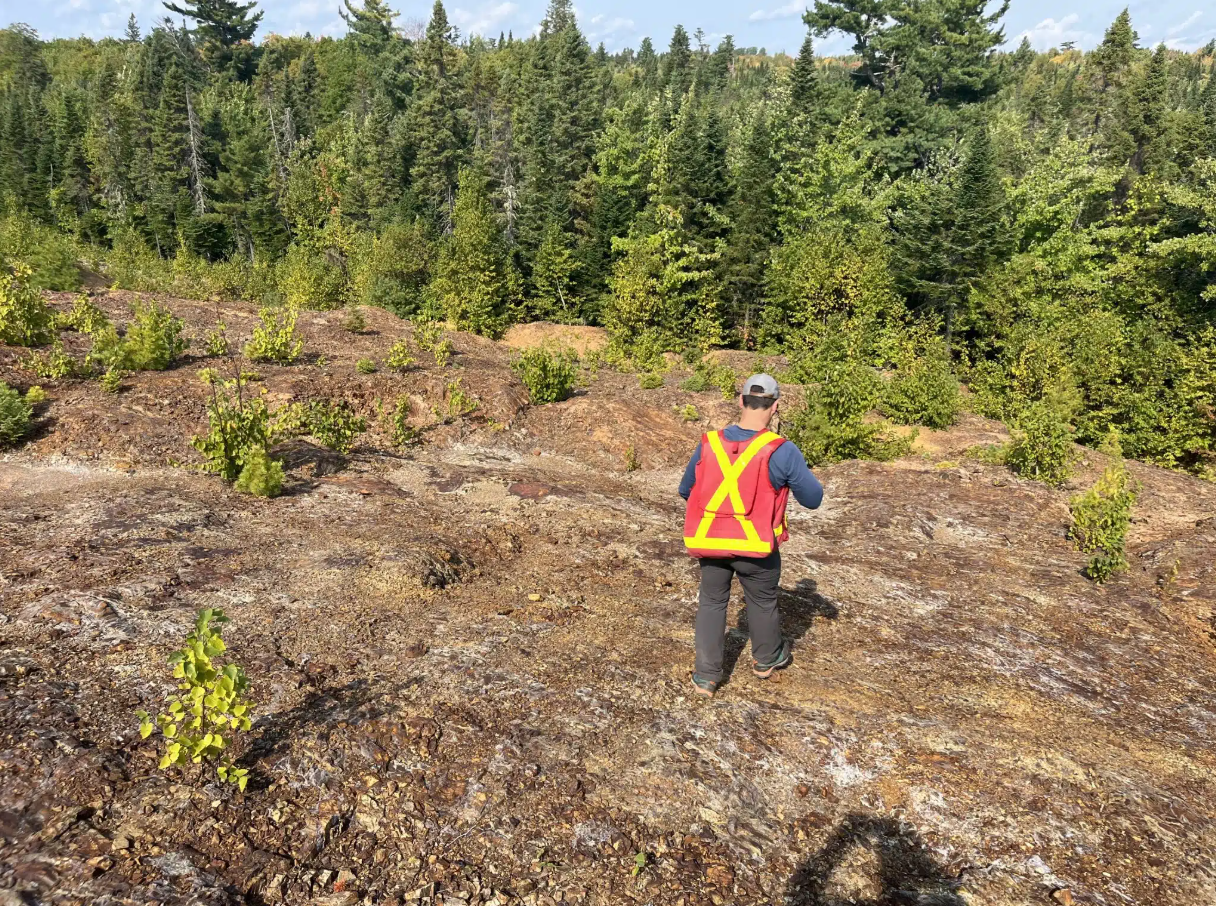
Silver Acadia (CSE:SLA) is re-assaying historical Bathurst core for silver and drilling to prove a 70-80 g/T envelope at its Nicholas-Denys project. (150 characters)
- Silver Acadia Exploration can generate new silver data at low cost, as roughly half of the 125,000 m of historical drilling at Nicholas-Denys targeted zinc and was never assayed for silver.
- Structural studies show the highest silver grades occur where secondary structures cross the 20 km regional corridor, so the company has focused its first work on a 3 km priority area.
- Phase 1 drilling supports the company's exploration model, with hole ND26-005 returning 328.9 g/T silver and 1.0 g/T gold over 24.8 m.
- Around 30 experienced shareholders, including Michael Gentile and Victor Cantore, hold roughly 70% of the company, giving Silver Acadia a tightly held and well-connected investor base.
- Silver Acadia holds about $2 million in cash, which CEO Julien Davy said is enough for further exploration, although the planned 15,000 m Phase 2 programme will likely need additional funding.
- Silver exploration outside Mexico and the Andes remains a thin field, giving any credible high-grade silver project in a stable jurisdiction a degree of scarcity value.
Silver Acadia Exploration Inc. (CSE:SLA) is building its case in New Brunswick's Bathurst Mining Camp. The district produced 179 million tonnes of polymetallic base metal ore from 12 volcanogenic massive sulphide (VMS) mines but was historically explored mainly for zinc. CEO Julien Davy, a geologist with an MBA, argues that this base-metal focus left silver under-examined across the company's flagship Nicholas-Denys project. The company plans to extract value from the historical record first and then drill to demonstrate continuity ahead of a maiden resource estimate. All figures are in Canadian dollars.
A Legacy Dataset Reframed for Silver
Nicholas-Denys sits on the northern edge of the Bathurst camp along the Rocky Brook-Millstream corridor. Previous operators drilled the area heavily while looking for feed for local zinc mills. Silver prices at the time did not justify assaying for it. Davy described how much of that record remains untested:
"We have 125,000 metres of historical drilling... from the last 50 years... and half of that has not been assayed for silver. So we have already material that exists."
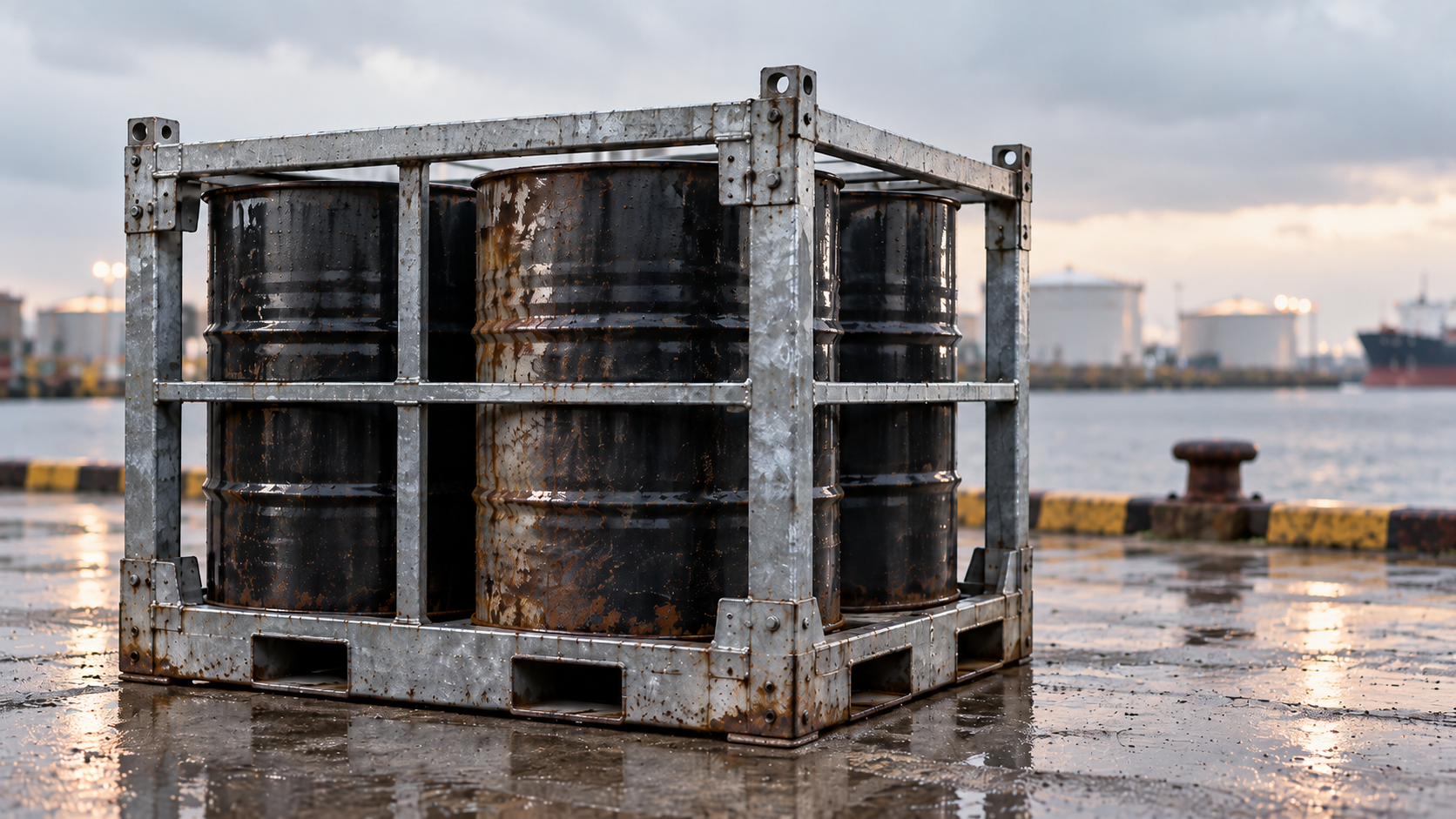
Around 50,000 m of the historical core is still available. Last year, the company ran hyperspectral scanning to capture alteration and mineral data. It is now physically re-assaying 20 to 22 selected holes, roughly 6,000 to 7,000 m at most, located in the zones it is prioritising. Davy expects that work to finish around November. Re-assaying existing core costs far less than redrilling. Because the results are historical, Davy acknowledged the company will need to frame them carefully when releasing them. Their main purpose is to sharpen targeting for new holes.
Davy also sees geology that sets the project apart from typical Bathurst deposits. He describes the system as more hydrothermal than pure VMS, with remobilisation producing the high silver grades.
Interview with Julien Davy, CEO of Silver Acadia
From Isolated Occurrences to a Coherent System
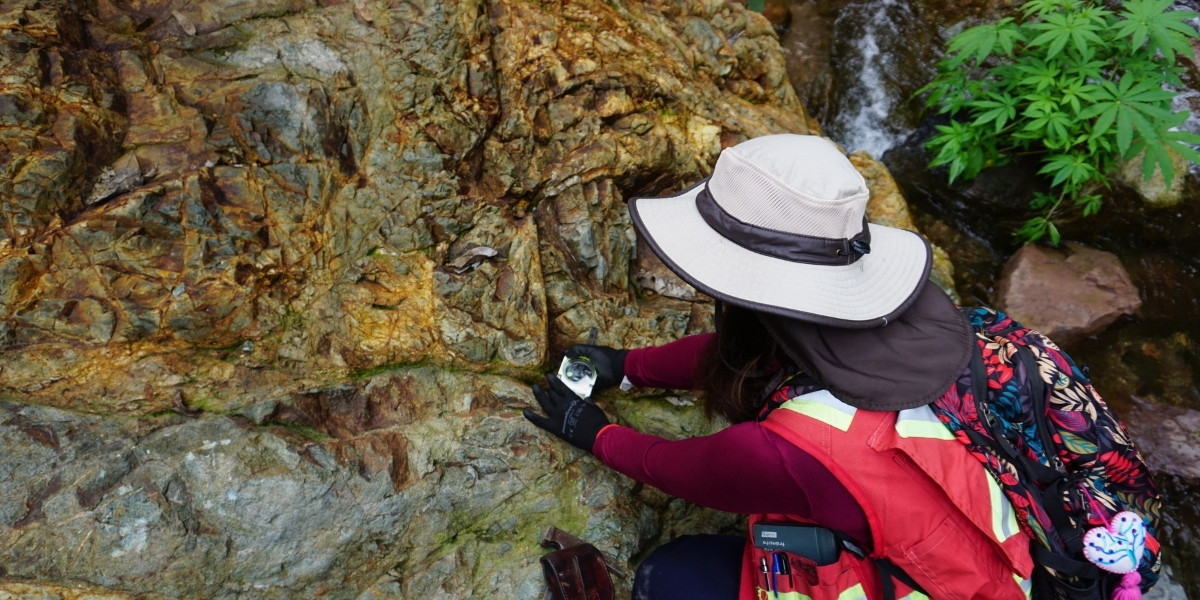
The company covers around 20 km of the regional corridor. It has narrowed initial work to a 3 km by 500 m priority area chosen for data quality, results and geological understanding. Over the past year it compiled historical data and drilled a 3,652 m winter programme to test its revised model. It also carried out summer mapping and detailed structural studies, which found that the highest grades occur where secondary structures crosscut the regional corridor. Medium-grade material sits between those intersections.
Phase 1 results support that interpretation, where drill holes intersected 328.9 g/t silver and 1.0 g/t gold over 24.8 m, including 1,497.2 g/t silver over 2.3 m. Another drill returned 71.2 g/t silver over 46.7 m.
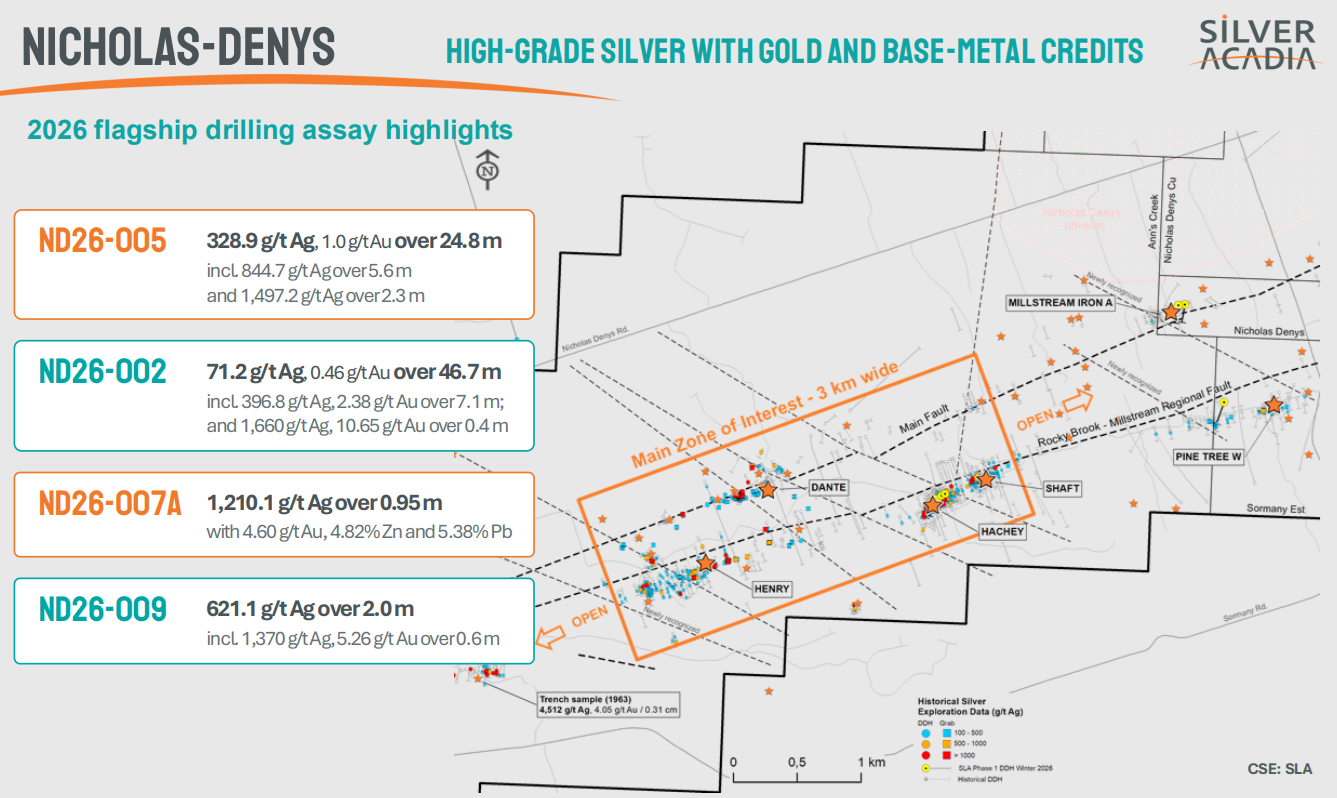
Davy's target is a broad envelope of 70 to 80 g/T silver containing higher-grade ore shoots. He is clear that headline intercepts are not enough on their own:
"Grade will always be king. But if we're able to have an envelope of a medium grade 80 g per ton silver at a surface, it's economic."
Demonstrating that continuity at scale is what the next drilling is meant to achieve.
Backing From Experienced Mining Investors
Silver Acadia has roughly 74.6 million shares outstanding and about 109 million fully diluted. The company's market capitalisation was around $12 million as of September 2026. Davy said about 30 shareholders hold roughly 70% of the stock. They include investor Michael Gentile and geologist Victor Cantore, whose record includes Amex Gold Mining (formerly Amex Exploration). Davy said these holders bring experience on how and when to raise money. In 2025 the company completed two private placements totalling $4.7 million to fund validation of its exploration model.
The technical team is led by VP Exploration Ehouman N'Dah, who has spent a long career with major companies, while the board includes a private equity specialist and the CEO of a South American silver company. The company is now hiring geologists and technical staff in Bathurst. Davy said many experienced people left after the camp's mines closed. He added that larger companies are now returning to New Brunswick.
Funding the Next Phase of Drilling
Silver Acadia has about $2 million in cash. Davy said drilling will begin in November and run until around March or April 2027, at an all-in cost of roughly $320 per metre. The company is preparing for a Phase 2 programme of about 15,000 m and targets a Mineral Resource Estimate (MRE) in 2027. At the stated cost, a programme of that size would require around $4.8 million, well above current cash. Further financing therefore looks likely. The company also has 34.6 million warrants exercisable at $0.18 to $0.24, which could supply some capital if exercised. Davy intends to direct about 80% of effort and spending to Nicholas-Denys.
Optionality Beyond the Flagship
The remaining 20% of the budget covers four other projects, two of which Davy highlighted. Goldstrike lies west of Nicholas-Denys on the same structural trend. It hosts an orogenic-style gold system with a historical grab sample of 455 g/T gold and a drill intercept of 1.19 g/T gold over 10.2 m. Davy said further drilling is planned in the coming months, while the company's presentation lists stripping and potential drilling as next steps.
SEDEX, in the centre of the camp, is a VMS target built around a large gravity anomaly that has never been drill tested. Summer mapping identified felsic units carrying sphalerite and pyrrhotite, with results pending. The property also hosts an antimony occurrence found by Noranda in 1989. Silver Acadia drilled it in December 2025 and returned 4.2% antimony over 0.6 m. Davy called this early-stage upside.
The Investment Thesis for Silver Acadia
- Roughly half of 125,000 m of historical drilling at Nicholas-Denys was never assayed for silver, which gives the company a low-cost route to new data.
- Structural work links high grades to identifiable intersections, which should make drill targeting more efficient.
- Phase 1 intercepts such as 328.9 g/T silver over 24.8 m support the idea of a broad envelope hosting higher-grade shoots.
- Experienced shareholders, including Michael Gentile and Victor Cantore, hold a significant share of a tightly held register.
- With about $2 million in cash, near-term exploration is funded, but a financing is likely for the planned 15,000 m programme, and investors can monitor its terms.
- Investors should watch the re-assay results, with that work due to finish around November, and the winter drill results for evidence of continuity.
Macro Thematic Analysis
Silver demand draws on two sources. Industrial use, led by solar and electronics, accounts for the majority of consumption. Investment demand treats the metal as a monetary asset alongside gold. On the supply side, most silver comes as a by-product of base-metal and gold mines. That means primary silver production responds slowly to higher prices, and new standalone silver projects are relatively scarce.
Jurisdiction adds a further dimension. A large share of primary silver development sits in Mexico and South America. Projects in Canada offer investors an alternative exposure with established permitting and infrastructure. Bathurst in particular has roads, port access, power and nearby mill capacity from decades of operation.
Silver Acadia's approach reflects a wider trend of re-examining mature districts with modern methods and current metal prices. Assumptions that governed exploration decades ago no longer apply. Davy summed up the opportunity he sees in the Bathurst record:
"We have this project that sits with super high grade, over 1500 grams per ton silver grades at different places and numerous occurrences, but the project has always been looked with a zinc lens. We believe that that lens really missed the big opportunity which is silver."
For investors, the question is whether this re-evaluation can produce a deposit of meaningful size rather than a collection of high-grade occurrences. Historical camps have supplied surprises before, often because earlier operators were looking for something else. Carrying the thesis from reinterpretation to resource will depend on drilling, capital and time.
TL;DR
Silver Acadia Exploration (CSE:SLA) is re-evaluating the Nicholas-Denys project in New Brunswick's Bathurst camp, where roughly half of 125,000 m of historical drilling was never assayed for silver. Structural work links the highest grades to fault intersections. Phase 1 returned 328.9 g/T silver over 24.8 m in one hole. The company targets a 70-80 g/T silver envelope with high-grade shoots. Re-assay work is due to finish around November, and drilling runs into early 2027. Cash of about $2 million falls short of the planned 15,000 m programme, so a financing is likely. Goldstrike gold and SEDEX VMS-antimony targets add optionality.
FAQ (AI-generated)
Analyst's Notes





Subscribe to Our Channel



Stay Informed


