




6.7 Million Barrels per Day Gulf Shut-Ins Expose Oil’s Route-to-Market Risk


Oil route constraints make transport capacity, refinery access, and delivery costs core measures of whether upstream resources can generate revenue.
- US Energy Information Administration (EIA) estimated that 6.7 million barrels per day of Middle Eastern crude production was shut in during August 2026, up from 5.0 million in July as export routes remained constrained.
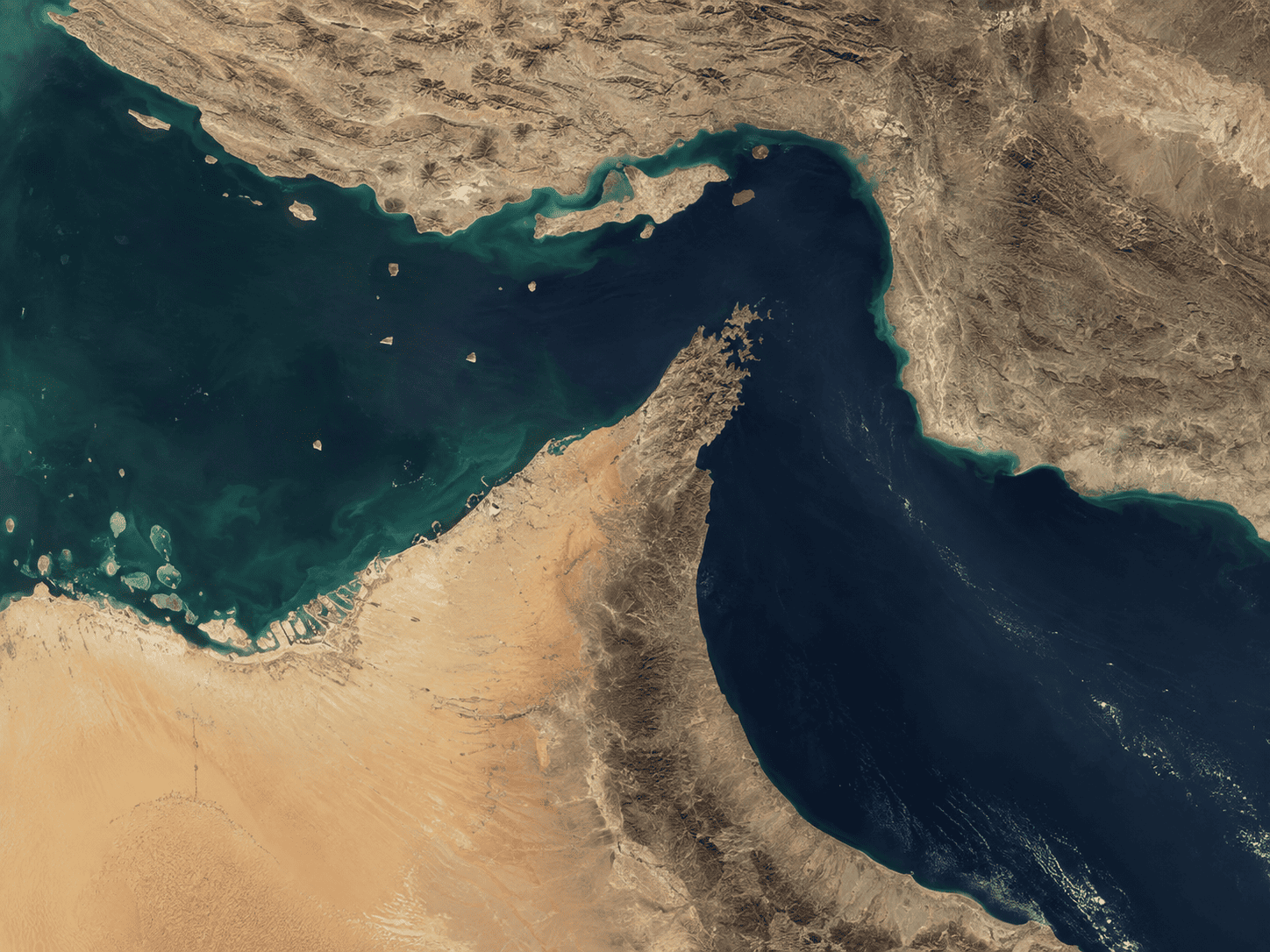
- The Strait of Hormuz carried 20.9 million barrels per day before the disruption, while existing Saudi and Emirati pipelines offered approximately 4.7 million barrels per day of bypass capacity.
- Alternative routes kept some oil moving, but production shut-ins and inventory draws show they could not fully replace normal export flows.
- Higher freight and crude discounts can reduce producer netbacks even when benchmark oil prices rise.
- Explorers near operating refineries have an identifiable path to market, while well testing, funding, and purchase terms provide measurable milestones toward commercial production.
Gulf Shut-Ins Make Route Access an Oil Valuation Input
Crude production shut-ins across Persian Gulf producers averaged 6.7 million barrels per day in August 2026. Constrained flows through the Strait of Hormuz and Bab el-Mandeb Strait left producers unable to move all the oil their fields could otherwise supply. The disruption shows that a barrel at the wellhead generates revenue only when it can reach a buyer. Transport capacity, delivery cost, and refinery access therefore belong alongside reservoir quality when assessing project economics.
Restricted Export Routes Cut 6.7M b/d of Gulf Crude
A production shut-in temporarily removes output when storage or export capacity is insufficient, forcing otherwise productive wells to reduce production. The Gulf disruption therefore reduced physical supply rather than only raising the cost of shipping barrels that continued moving.
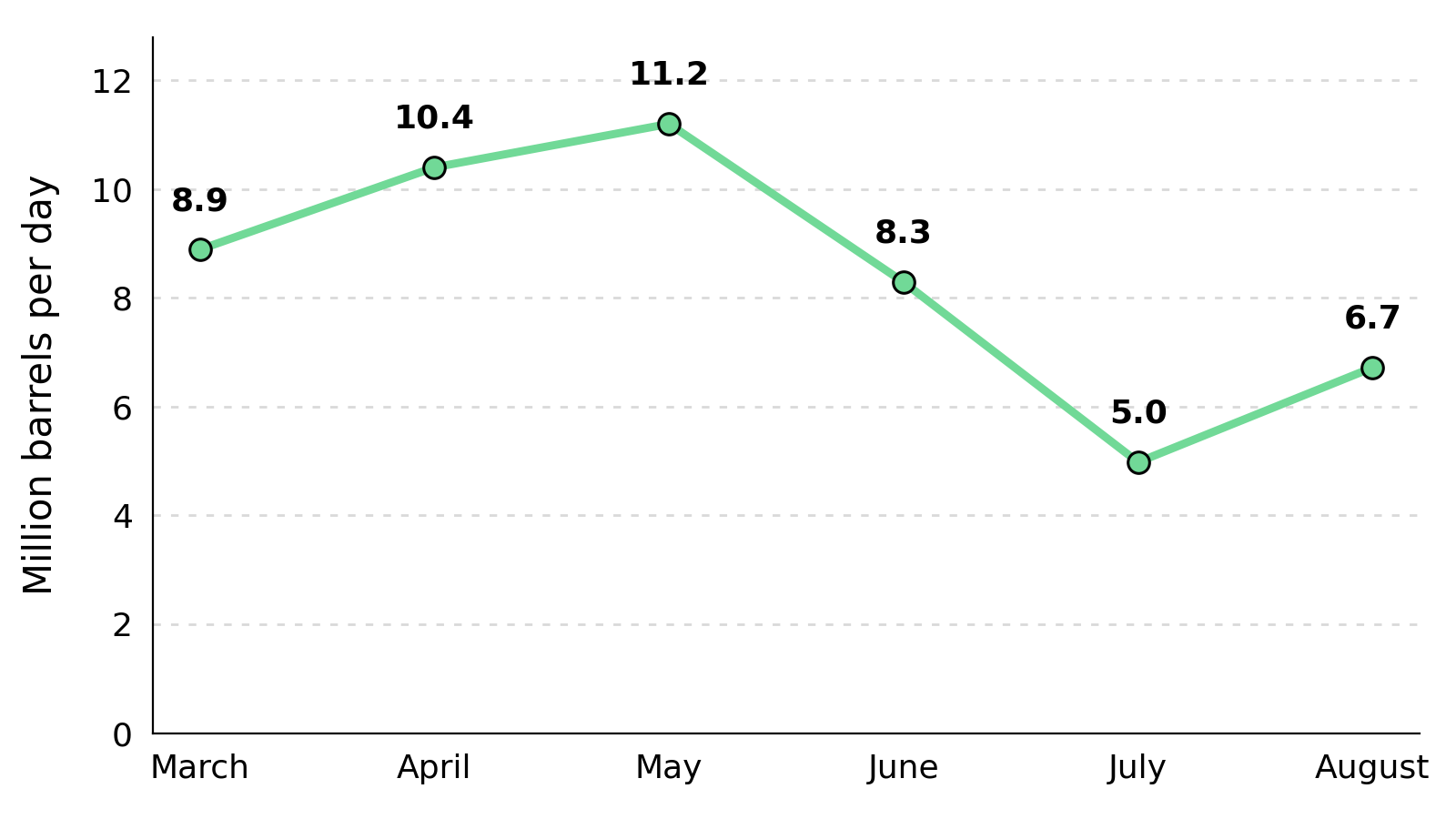
August crude production shut-ins reached 3.55 million barrels per day in Saudi Arabia, 1.16 million in Iraq, and 1.00 million in Iran, with smaller volumes elsewhere. Total shut-ins reached 6.7 million barrels per day, up from 5.0 million in July. Fourth-quarter shut-ins were forecast to average 5.7 million barrels per day based on greater use of alternative export routes. The forecast used inputs finalized on September 3, before the later disruption to Saudi Arabia’s East-West pipeline, making it a conditional recovery scenario rather than a current estimate.
Limited Bypass Capacity Constrains Gulf Oil Exports
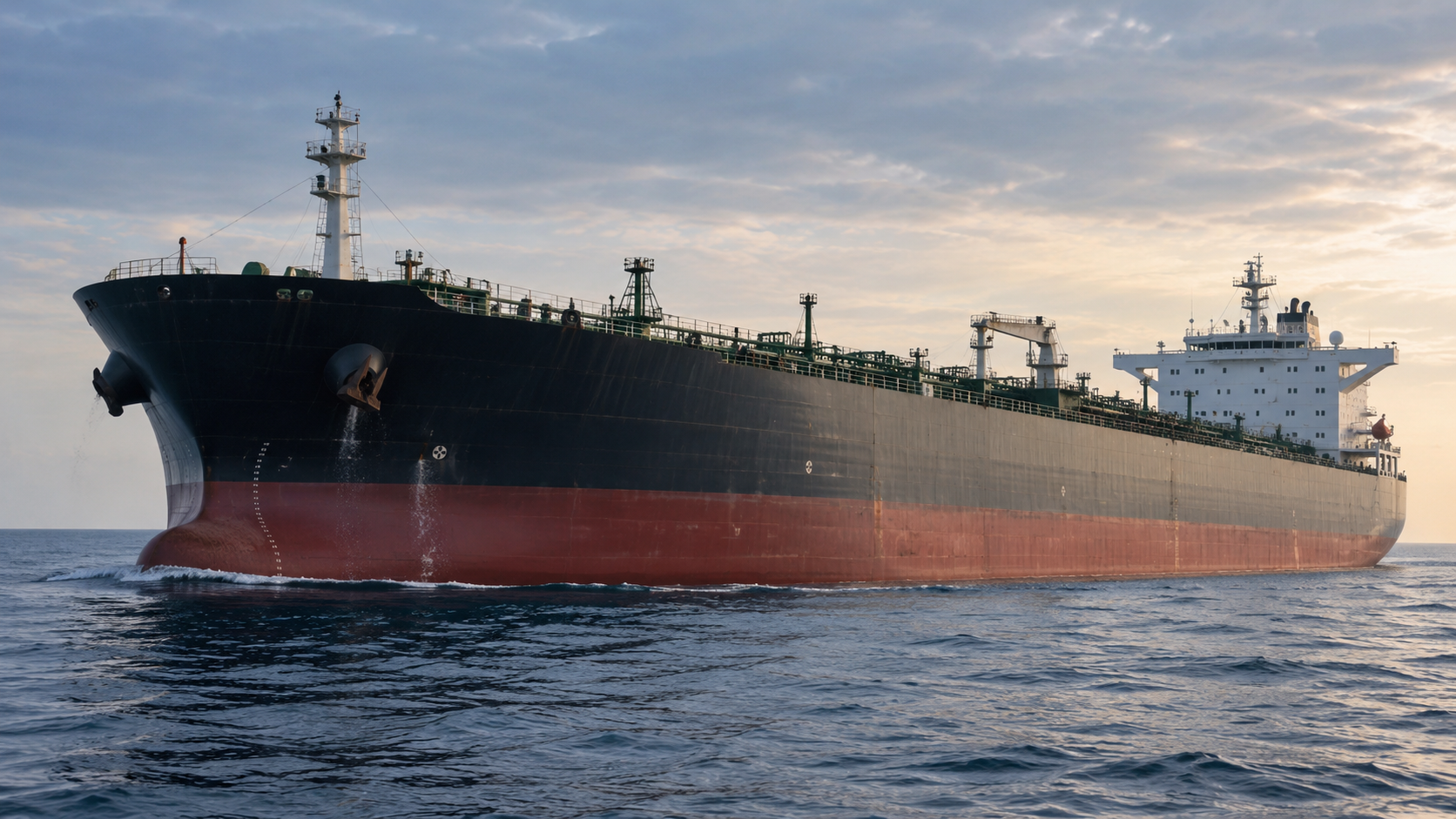
Route restrictions reduce supply when production is shut in and raise delivery costs when barrels move through alternative shipping arrangements. About 20.9 million barrels per day of crude, condensate, and petroleum products moved through Hormuz in the first half of 2025, equal to approximately 20% of global petroleum liquids consumption. Saudi Arabia’s East-West pipeline and the UAE’s Abu Dhabi pipeline offered about 4.7 million barrels per day of combined bypass capacity, less than one-quarter of normal Hormuz flows. Even that capacity requires oil at the inlet, an available outlet, and a workable route to buyers, so stated pipeline capacity can exceed deliverable supply.
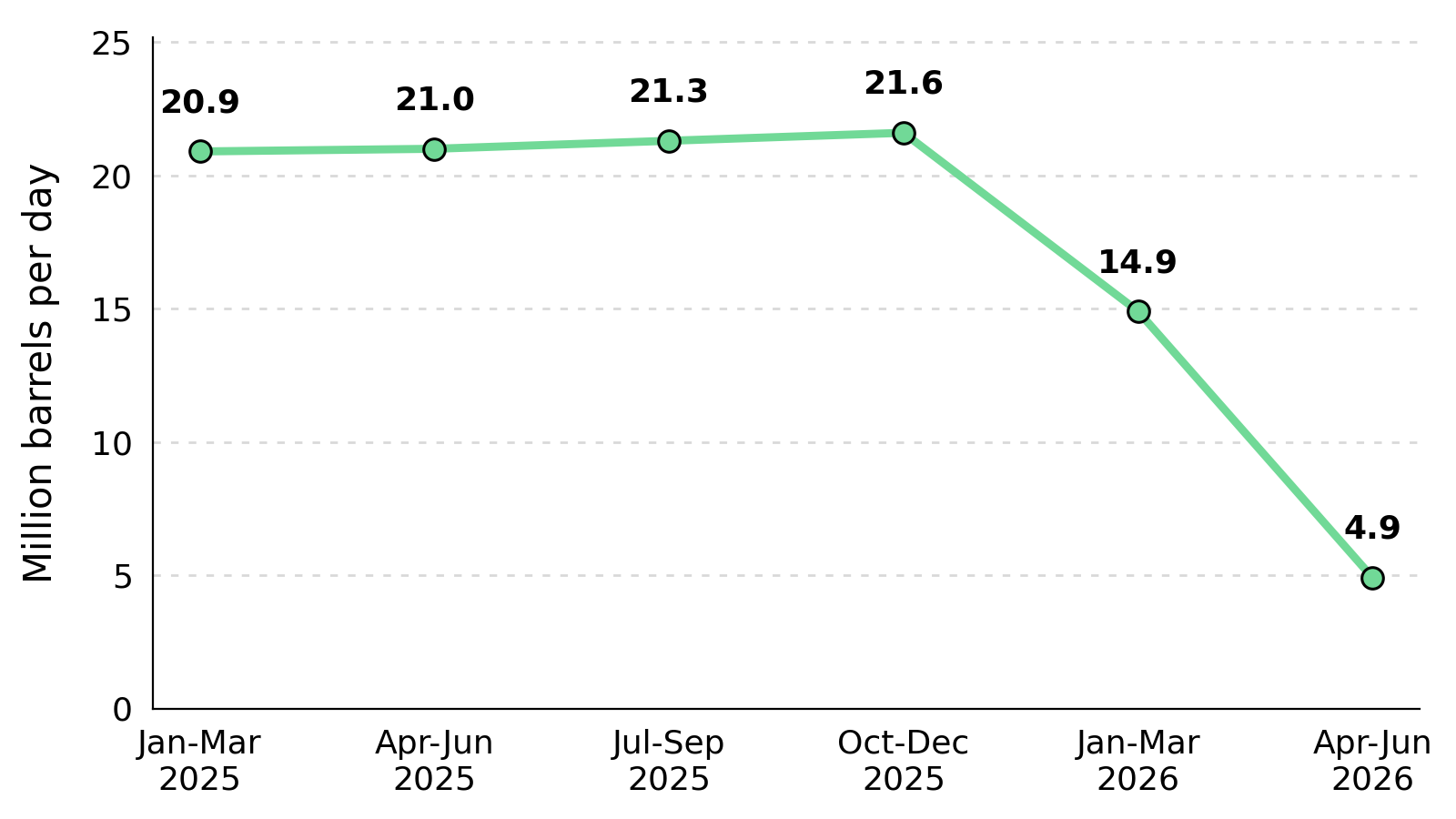
Hormuz flows averaged 7.6 million barrels per day in August, 13.1 million below pre-war levels. Saudi and Emirati bypass-port exports rose from 4.1 million barrels per day in February to 7.8 million in June before falling to 5.5 million in August. Bypass routes, inventory draws, supply from elsewhere, and weaker demand limited the third-quarter market deficit to 1.7 million barrels per day, far below the reduction in Hormuz traffic.
Export Constraints Drain Stocks, Raise Delivery Costs
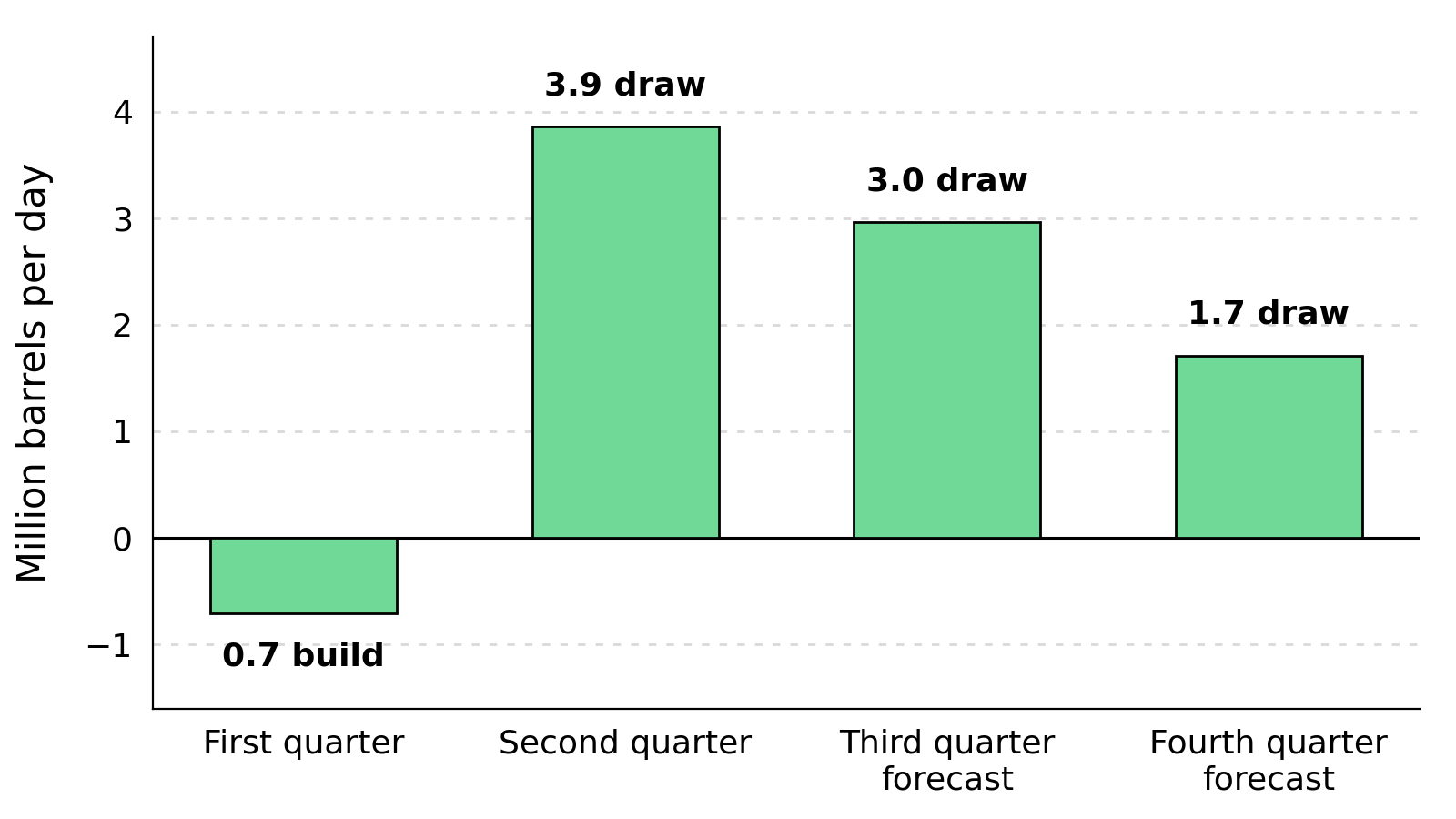
Route restrictions affect the oil market through 2 channels. Shut-ins reduce production available to buyers, while alternative shipping arrangements can increase the cost of delivering barrels that continue moving. Global oil inventories fell at an average rate of 3.9 million barrels per day in the second quarter of 2026, with further draws forecast at 3.0 million barrels per day in the third quarter and 1.7 million in the fourth. Observed inventories declined by 95 million barrels in August, bringing cumulative draws since February to 507 million barrels. These drawdowns show that stored oil was covering part of the supply shortfall while Gulf exports remained constrained.
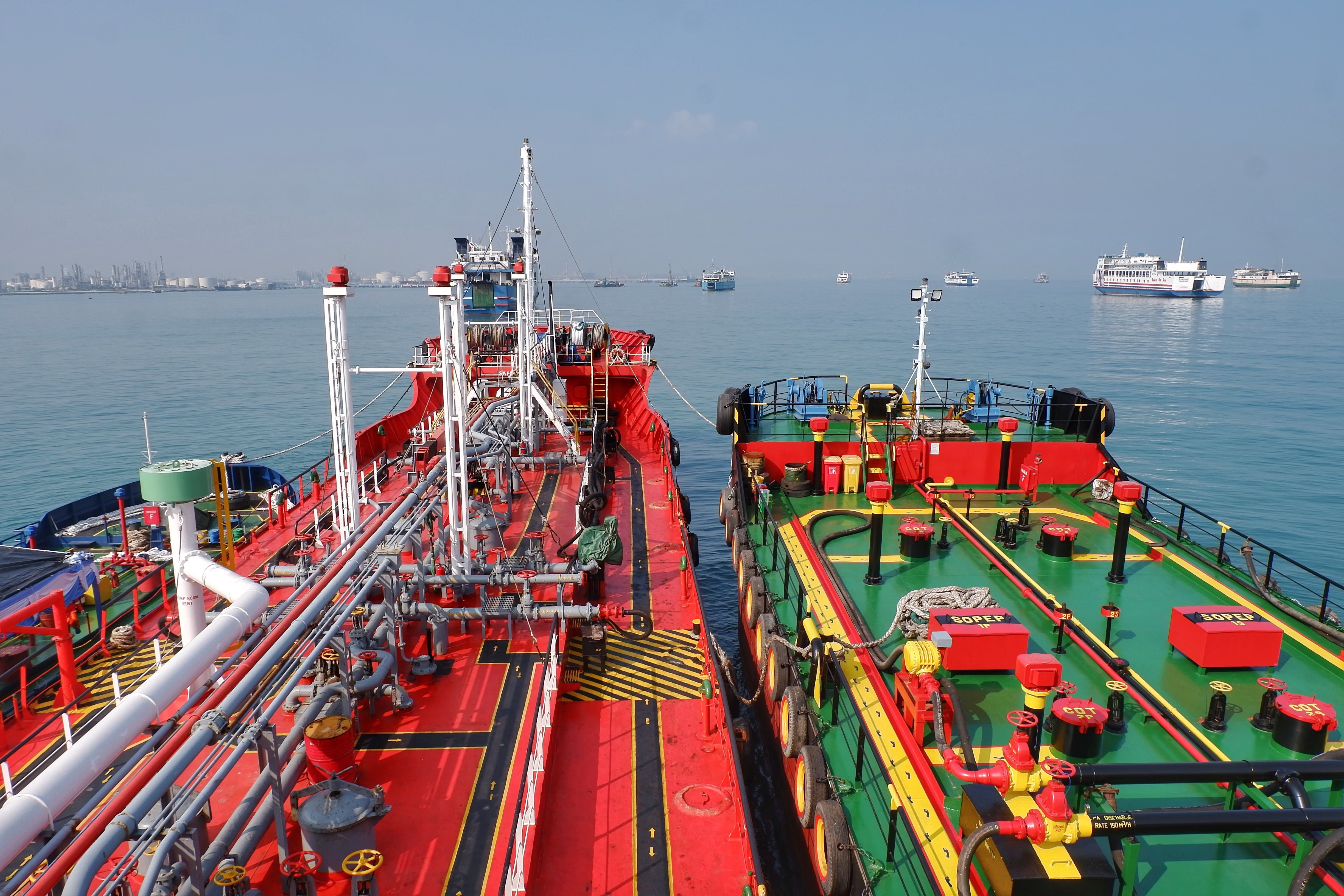
Operators were targeting approximately 2.5 million barrels per day of Gulf of Oman ship-to-ship transfers in September, up from 1.4 million in August, to preserve exports while Hormuz traffic remained constrained. Freight for very large crude carriers transporting Gulf oil to China exceeded US$30 per barrel, raising the delivered cost of barrels that continued moving. These transfers require additional vessels and handling, while crude discounts may be needed to keep delivered prices competitive. Higher Brent prices therefore do not guarantee wider upstream margins when transportation costs and discounts absorb part of the price increase.
Onshore Oil Routes Reduce Exposure to Maritime Constraints
Maritime disruptions increase the relative value of onshore discoveries that can reach domestic refineries without tanker transport. Turkey produced 6.68 million tonnes of crude but imported 31.94 million tonnes in 2025, leaving 83% import dependence, while the 1.4-million-tonne Tupras Batman refinery provides a potential regional destination for southeastern discoveries. This allows local exploration projects to pursue domestic sales without the freight and chokepoint exposure affecting seaborne Gulf crude.
Dune Oil is advancing its 29% working interest in Block M47 through C-1 production testing targeted for fall 2026, a milestone toward commercial development of the North Field’s 27.6-million-barrel net best-estimate contingent resource (2C). Initial oil could be trucked 130 kilometers to the Tupras Batman refinery, avoiding the upfront cost of a dedicated pipeline. At US$72 oil, the company estimates a US$50-per-barrel netback, supporting a lower-capital route to early revenue.
Scott Lower, President of Dune Oil, links nearby refinery access to Turkey’s imported-oil demand:
“You’re selling to the refinery that’s just up the road, and they’ll buy every bit of it because they’re displacing Russian, Iranian, and Iraqi oil.”
Route Access Changes Upstream Oil Valuation
The Gulf shut-ins show that recoverable resources generate revenue only when production can reach a buyer. Transport constraints can delay first revenue, cap output, or reduce margins without changing the underlying reservoir estimate.
A route assessment gains credibility when it confirms refinery compatibility, transport capacity, and per-barrel delivery costs. Trucking can reduce initial infrastructure spending, while fleet availability and transport costs provide measurable scaling milestones as production expands. For contingent resources, well testing and commercial agreements provide the evidence needed for reserve classification and sustained production.
Route recovery would be visible through higher Hormuz and bypass exports, lower production shut-ins, declining freight costs, and rebuilding inventories. The recovery scenario targets a return toward pre-conflict averages for most Middle Eastern production and trade flows in the second quarter of 2027 as alternative routes carry more volume. Even if regional flows normalize, transport capacity and realized delivery costs will continue to determine how much production reaches buyers and what margin projects retain.
The Investment Thesis for Oil & Gas
- Producers with dependable refinery or export access can maintain more of their available output when competing routes are disrupted.
- Developers with documented transport capacity can estimate production timing and delivery costs with greater confidence.
- Explorers near operating refineries have an identifiable path to market, and well testing and purchase terms provide measurable milestones toward first revenue.
- Conventional light-oil projects strengthen their path to commercialization by confirming crude quality, refinery compatibility, and achievable pricing.
- Staged transport plans can limit initial infrastructure spending, with scalable routes supporting larger production targets.
- Resource estimates should be assessed alongside funding, transport access, and expected netbacks when comparing future oil supply.
The Gulf disruption demonstrated that oil production has economic value only when transport capacity connects the wellhead to a buyer. Bypass routes and inventories absorbed part of the supply loss, but limited capacity and higher delivery costs still reduced saleable volumes and upstream margins. Upstream projects with a defined refinery route, quantified delivery costs, and advancing commercial terms are therefore better positioned to convert recoverable resources into sustained revenue.
TL;DR
Gulf export disruptions forced production shut-ins, drained inventories, and raised shipping costs because bypass routes could not replace normal Strait of Hormuz flows. The result separates recoverable oil from saleable oil: resources generate revenue only when transport capacity connects production to a buyer at an economic cost. Projects with documented refinery access, measurable delivery expenses, and scalable transport plans can better protect output and margins during route disruptions. Onshore discoveries near operating refineries may reduce exposure to maritime chokepoints, while well testing, funding, refinery compatibility, and purchase terms remain key milestones toward commercial production.
FAQs (AI-Generated)
Analyst's Notes





Subscribe to Our Channel





Stay Informed


