




Silver Deficit Extends for a Sixth Year as COMEX Stockpiles Fall 75%: Can Dollar Strength Hold Prices Back?


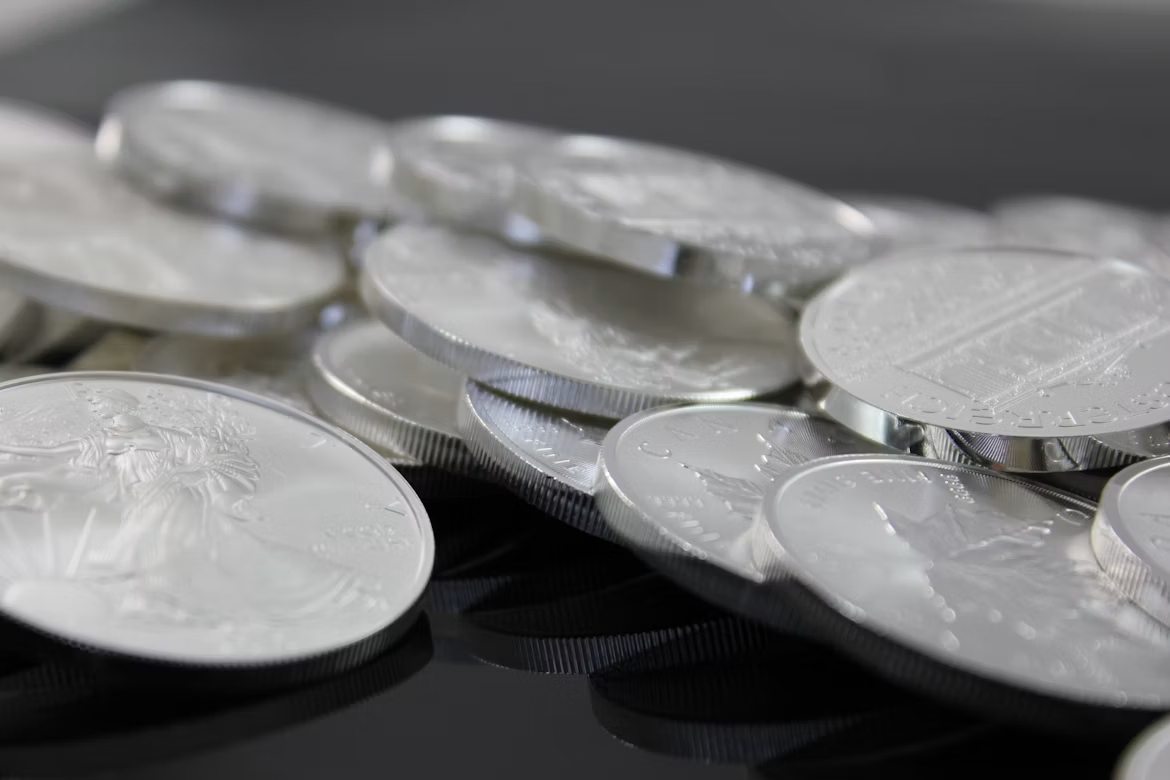
Silver's sixth straight supply deficit and a 75% drop in COMEX stockpiles tighten the market as June CPI and dollar strength drive near-term prices.
- COMEX registered silver holdings have fallen more than 75% from their 2020 peak to 79.9 million ounces, tightening available physical supply.
- The Silver Institute projects a sixth straight annual deficit of 46.3 million ounces in 2026, raising the cumulative shortfall since 2021 to about 762 million ounces and extending pressure on above-ground inventories.
- About 70% of global silver production is a byproduct of copper, lead, zinc, and gold mining, limiting mine supply even when higher silver prices increase demand.
- Solar-sector silver demand is projected to fall 19% in 2026 to about 151 million ounces, but AI chips and data centers replace part of that demand with silver paste that operates at up to 350 degrees Celsius.
- The Abaxx Exchange's Silver Singapore futures contract traded more than 30,000 contracts in its first 14 days, creating an alternative physical delivery market outside COMEX.
COMEX Stockpile Decline Supports Silver Near $58 Despite Recent Selling
Silver traded near $58.27 after a 3% decline in the prior session. XAG/USD rose 0.75% to nearly $58 after recovering from below $57 ahead of June US CPI data, with inflation expected to slow to 3.8% from 4.2%. The short-term rebound contrasts with tighter physical supply, as COMEX registered silver holdings have fallen more than 75% from their 2020 peak to 79.9 million ounces.
Byproduct Mine Supply Limits Silver Output, Extending a Sixth Straight Deficit
About 70% of global silver production is a byproduct of copper, lead, zinc, and gold mining, so mine output follows base-metal economics rather than silver prices. The Silver Institute projects a sixth straight annual deficit of 46.3 million ounces in 2026, raising the cumulative shortfall since 2021 to about 762 million ounces, nearly a full year of global mine output, while drawing down above-ground inventories.

Solar-sector silver demand is projected to fall 19% in 2026 to about 151 million ounces as manufacturers adopt copper metallization, but AI chips and data centers replace part of that demand with silver paste that operates at up to 350 degrees Celsius. The demand mix has shifted toward AI applications, keeping the market in deficit.
June CPI & Fed Expectations Will Determine Silver's Next Move
Fed Governor Christopher Waller said another strong inflation reading would support further monetary tightening. June CPI is the next key catalyst for silver, while the Silver Institute's sixth straight annual deficit continues to tighten physical supply. Softer-than-expected CPI could reduce Fed tightening expectations and lift silver above the $60.70 resistance level as limited supply supports prices.
Stronger inflation could strengthen the dollar and push silver back toward the $55.60 to $56.00 support zone, even as COMEX registered holdings continue to fall from 79.9 million ounces.
Primary Silver Production Adds Supply as Byproduct Output Remains Constrained
Bunker Hill Mining's Idaho mine restart adds new US silver supply to a market projected to remain 46.3 million ounces short in 2026. Its 1,800 to 2,500 metric ton-per-day processing facility increases primary silver production capacity.
Because about 70% of silver supply comes from byproduct mining, primary silver producers such as Bunker Hill have greater leverage to sustain supply deficits than base-metal byproduct miners.
Dollar Strength Keeps Silver Range-Bound Until Tight Supply Triggers a Breakout
Dollar strength keeps silver between $55.60 to $56.00 support and $60.70 resistance despite the Silver Institute's projected 46.3 million-ounce deficit in 2026. A sustained move above $60.70 would signal that tightening physical supply has overcome pressure from a stronger dollar, supported by COMEX registered holdings of 79.9 million ounces.
June US CPI, forecast at 3.8% year over year versus 4.2% in May, is the next key catalyst, alongside Fed Chair Kevin Warsh's first congressional testimony. The outcome depends on whether dollar strength or the physical silver deficit has the greater influence on prices.
Analyst's Notes





Subscribe to Our Channel


Stay Informed


