




Commodity Markets Rotate in 2026 as Lithium and Oil Lead, Gold Cools


.jpg)
Olive Resource Capital's fund returned ~15% in H1 2026 as stock-specific catalysts drove precious metals gains despite weak metal prices; H2 favours energy, uranium.
- Olive Resource Capital's fund returned approximately 15% in H1 2026 gross of portfolio activity, and higher once buybacks are factored in aided by 2-3 portfolio companies being acquired during the period.
- Lithium and oil were the best-performing major commodities in H1 2026, while platinum group metals, silver and gold, 2025's leaders, consolidated and underperformed.
- Despite weak gold and silver commodity performance, precious metals equities were the fund's best-performing holdings in H1, driven by stock-specific catalysts (M&A, resource updates, technical studies) rather than commodity price moves.
- The firm holds elevated cash, built since February, and is redeploying it cautiously into energy and uranium, citing supply-chain reshoring, AI-driven power demand and favourable H2 seasonality.
- Management continues to avoid West African development exposure due to jurisdictional risk, favouring North and South American developers such as Troilus Mining and Goldsky Resources, alongside continued conviction in producer K92 Mining.
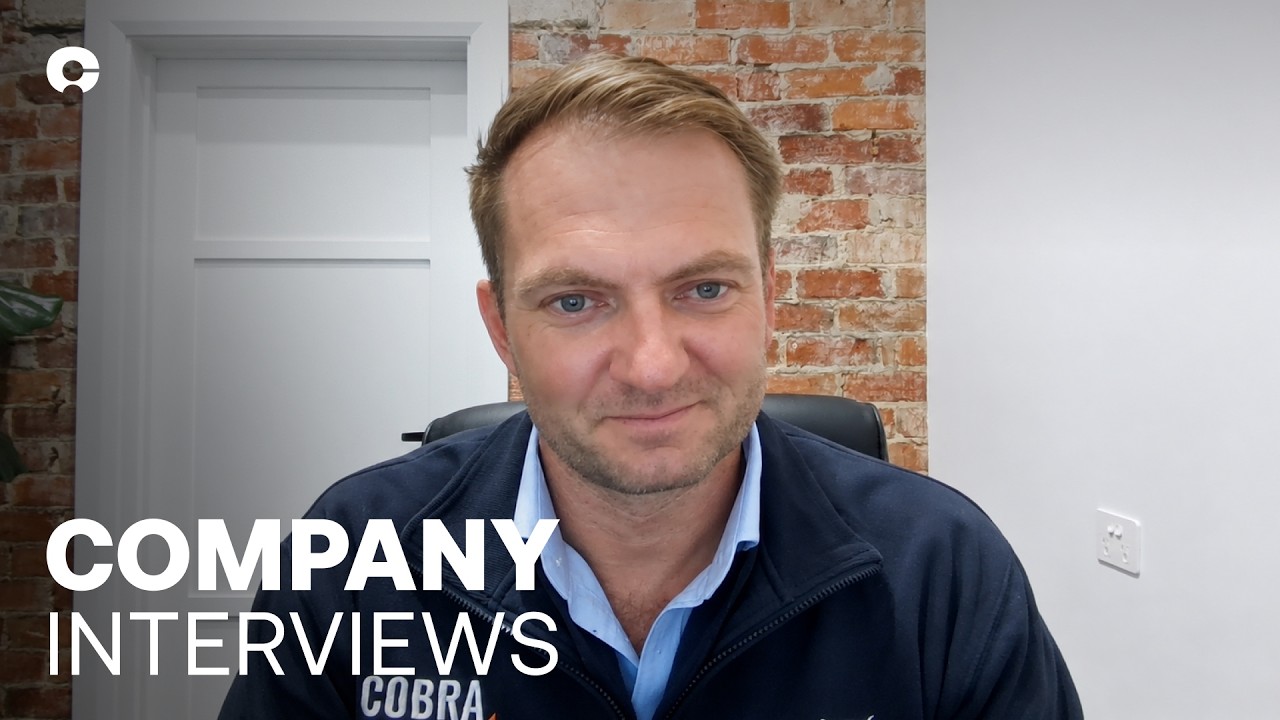
Olive Resource Capital's Samuel Pelaez, President, CEO and CIO, and Derek Macpherson, Executive Chairman, reviewed the firm's first-half 2026 performance and laid out priorities for the second half of the year. The discussion is relevant to investors tracking natural resource equities because it offers a practical account of how a specialist manager navigated a commodity backdrop shaped by geopolitical shocks, shifting monetary conditions and a rotation away from the precious metals leadership that defined 2025. The conversation also details specific portfolio names and the catalyst-driven approach the firm attributes to its relative performance.
First-Half Performance
Pelaez opened by noting that the firm's June investment update, published recently, showed June as a down month for resource markets broadly, but that the half-year period overall was positive across most peer funds, albeit "much more moderated" than the gains seen in 2025 and earlier in 2026. Olive's portfolio returned approximately 15% for the half, a figure that improves further once buybacks are factored in. Macpherson added that three portfolio companies were acquired during the period, two of which closed within the half, providing a tailwind to returns, though he cautioned that such outcomes are something the fund "can't really count on" for future periods.
Commodity Performance: A Rotation Away From Precious Metals
Pelaez characterised H1 2026 as a period of "pure stock selection" rather than one driven by sector or sub-industry rotation. Among individual commodities, lithium was the strongest performer, which Pelaez noted was a call Macpherson had made for 2026 following two to three years of underinvestment and price correction in that space. Oil was the second-best performer: even after retreating from over $100 to roughly $70 per barrel, it remained up approximately 20% year-to-date, which Pelaez called "the shining commodity" given the price swings the market experienced across the first two quarters.
At the other end of the spectrum, platinum group metals, silver and gold were the weakest-performing major commodities in H1, a reversal from 2025, when those same metals led the resource complex. Pelaez described this as "serious consolidation after the spectacular performance of the previous year."
This rotation had been anticipated. Pelaez referenced a December 2025 discussion in which the two had argued that the resource rally needed to broaden beyond precious metals to be sustained, with copper and other industrial commodities needing to participate. Copper performance in H1 2026 was consistent with that view, though the pair had expected iron ore to benefit similarly and it did not, which Pelaez attributed to new supply that came online in late 2025 altering the market balance.
Precious Metals Equities Outperformed the Commodity
A central point of the discussion was the divergence between precious metals as a commodity group and precious metals equities as an asset class. Macpherson noted that despite gold, silver and PGMs being the worst-performing commodities in H1, the fund's best returns for the period came from its precious metals stock holdings. Pelaez attributed this to the firm's approach of buying producers and developers with company-specific catalysts, takeouts, technical studies and resource updates, rather than buying for direct commodity price exposure.
"If the gold price does nothing, this stock has its own catalyst to outperform and re-rate. And if we get a tailwind with the commodity, we will obviously take it." Pelaez said.
The investment case describes producer K92 Mining, which the firm has held for an extended period and characterised as funded to grow production from roughly 200,000 ounces currently to more than 400,000 ounces.
Macro Backdrop
Macpherson framed the broader macro environment as still supportive of the resource sector. He pointed to continued global liquidity injections, though he flagged that China has been comparatively absent from aggressive liquidity measures over the preceding three months, something he described as not necessarily concern but something to monitor. As per Macpherson, the global manufacturing PMIs were at their strongest levels since 2020, the period of the post-pandemic stimulus surge, supporting sentiment for industrial commodities. On fiscal policy, he noted the US administration had not enacted significant budget changes, with the government continuing to run a large deficit financed through monetary stimulus, a condition he views as supportive of the broader commodity bull thesis.
Both discussed the conflict involving Iran and the Strait of Hormuz as a market factor during the half, noting a ceasefire remains in place but tensions persist. They characterised the event as transient from a market standpoint, while noting it has driven inventory rebuilding and supply-chain adjustments that could support energy prices, alongside demand themes tied to AI-driven power and copper consumption, critical minerals, grid-scale storage and nuclear power.
On gold specifically, Macpherson noted that some central banks sold gold holdings to defend their currencies during the period of market stress, which weighed on the gold price, but suggested this dynamic could reverse if those banks later rebuild reserves at lower prices.
Positioning for the Second Half
Macpherson described the firm as having carried above-average cash levels since February, a position he attributed partly to seasonal portfolio trimming ahead of a mining conference that historically marks a seasonal top for precious metals sentiment, timing that preceded the escalation involving Iran by several days. The firm has begun redeploying that cash, but cautiously, noting that Q1, Q2 and late Q4 are typically stronger seasonal periods for resource equities, with August into September also considered a favourable buying window.
Capital has been directed toward energy exposure, added incrementally around the Strait of Hormuz disruption and again after a peace agreement was announced the previous month, and toward uranium, where the firm cites positive seasonality in H2 and alignment with electrification, grid security and AI-related power demand themes.
Stock Selection Philosophy
Pelaez and Macpherson elaborated on the firm's approach to individual name selection, particularly in precious metals, where the firm does not seek direct gold price exposure but instead looks for producers with unrecognised organic growth (citing K92 Mining) and developers or explorers with defined near-term catalysts such as resource updates or technical studies.
"There's always two questions. Why is it cheap? And then what changes that valuation? So what are those things that make it. The market sentiment turning also help some of those things become unchecked. I think that's what has allowed us to perform well and then outperform in a what has not been an exciting commodity environment." Macpherson said.
This described the firm's framework for identifying undervalued names likely to re-rate. Names discussed in this context included Omai Gold Mines, Troilus Mining and Goldsky Resources, with Macpherson citing an anticipated resource update at Goldsky's Barsele project and the permitting decision at Troilus as specific catalysts.
The firm has avoided development-stage exposure in West Africa, citing jurisdictional developments in Mali, Burkina Faso and, more recently, Ghana, and noted that capital appears to be exiting the region in favour of projects in North and South America, where the firm holds most of its developer positions.
TL;DR
Olive Resource Capital's fund returned roughly 15% in H1 2026, helped by three portfolio company acquisitions, even when gold, silver and PGMs were the weakest-performing commodities of the half. Lithium and oil led commodity performance, while the firm's own outperformance in precious metals came from stock-specific catalysts rather than the metals' price moves. For H2, the firm is cautiously redeploying elevated cash into energy and uranium, citing AI-driven power demand, supply-chain rebuilding and favourable seasonality, while continuing to avoid West African development risk.
FAQ (AI-Generated)
Analyst's Notes





Subscribe to Our Channel





.jpg)


Stay Informed






















