




Strait Disruption Plus Sino-Russian Energy Deal Creates Separate Pricing Floors for Western and Eastern Markets



Hormuz transit at 39% pre-war capacity while Trump wavers on strikes. Sino-Russian energy deal bypasses Western access, creating structural pricing floor at $110 Brent.
- Trump oscillated within 24 hours from near-restart of Operation Epic Fury on May 19, 2026 to stating the situation was in a pretty good spot on May 20, while Iran's Revolutionary Guards threatened war beyond the region, confirming six-week diplomatic stalemate persists despite nominal ceasefire.
- Hormuz processed 54 ships last week, 39% of pre-war 140 ships/day average, while Brent crude held just below $110/barrel Wednesday morning, marking transition from price shock to physical shortage.
- Putin and Xi signed 40 bilateral agreements, including an undisclosed energy deal and Power of Siberia 2 general understanding, with nearly all Russia-China trade now ruble-yuan settled (Reuters), building energy corridor independent of Hormuz normalization.
- Ceasefire does not restore operations immediately; maritime deconfliction, vessel rerouting, and insurer re-certification require 3-6 weeks to normalize physical cargo flow after any agreement is signed.
- Operation Epic Fury restart forces immediate portfolio rebuild at $130+ Brent; sustained 120+ ships/day Hormuz transit for two consecutive weeks eliminates the supply premium.
China's Selective Clearance Exposes the Physical Shortage Behind Wednesday's Price Noise
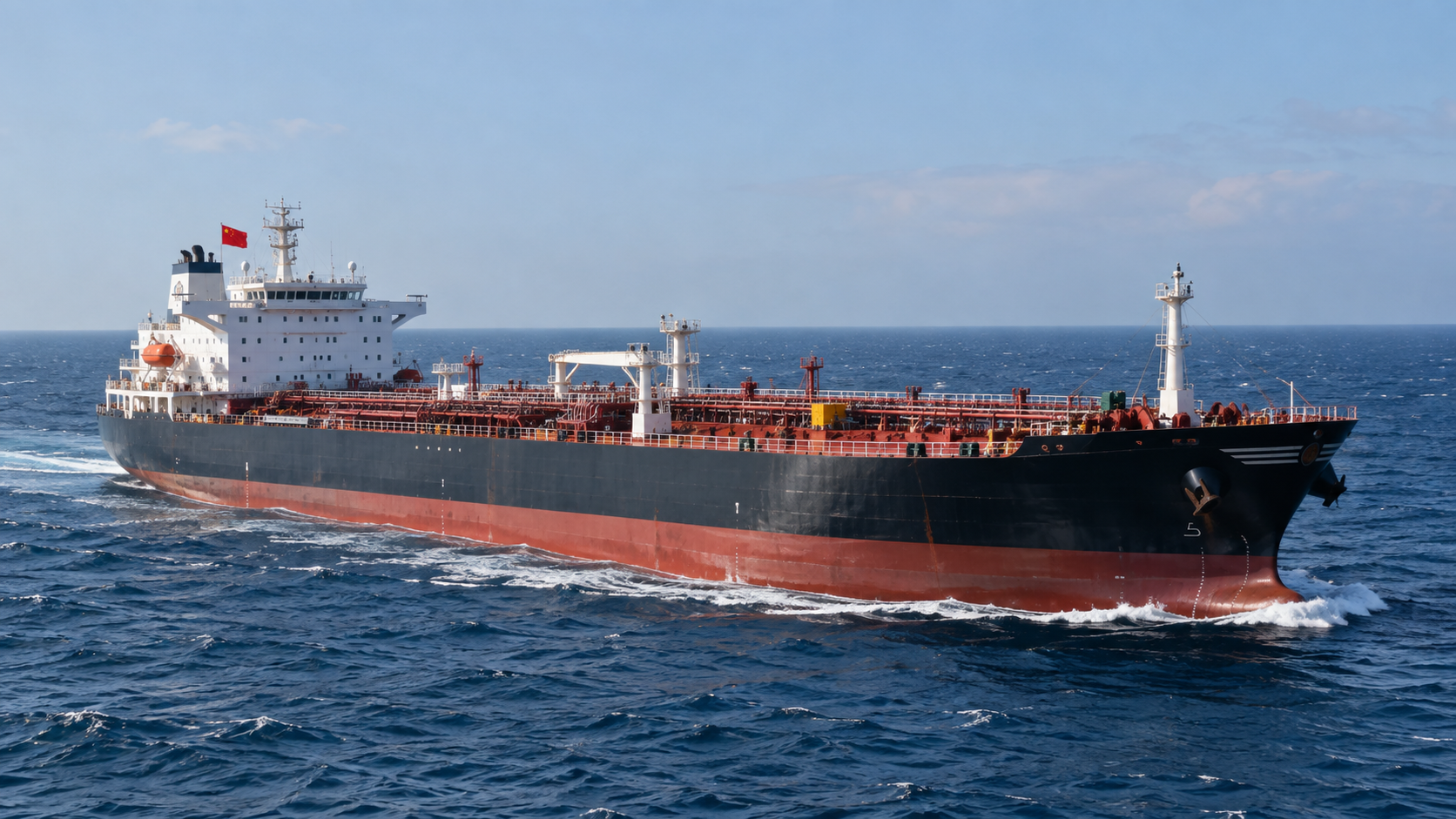
Trump stated that he was an hour away from authorizing strikes, the second consecutive day he walked back Operation Epic Fury restart. Iran's Revolutionary Guards responded that any repeated aggression would extend regional war beyond the region. Benchmark one-month Brent crude futures eased 1.5% to just below $110/barrel Wednesday morning as Chinese supertankers Yuan Gui Yang and Ocean Lily, carrying approximately 4 million barrels combined, cleared Hormuz under Iran-China transit agreement reached during Trump's Beijing summit.
That 1.5% Wednesday move represents noise inside a structural shortage. Before US-Israeli operations began in February 2026, approximately 140 ships transited Hormuz daily. 54 ships crossed last week, double the prior week but still 39% of pre-war capacity. Iran operates a two-tier system: Chinese and Korean tankers receive clearance while Western carriers face Cape of Good Hope rerouting adding 10–14 days and approximately $2-4/barrel in freight costs. This selective access gives Iran coercive leverage without triggering full closure that would invite immediate military response.
Electoral Calendar Locks US Position While Sino-Russian Architecture Bypasses Western Access Entirely
Iran's new offer to the US repeats every term previously rejected: Hormuz control, war damage compensation, sanctions removal, frozen asset release, and US troop withdrawal from the region. No previously contested point has moved in six weeks. Trump's oscillation, from near-restart May 19 to VP JD Vance stating the administration is in a pretty good spot, reflects domestic electoral pressure rather than diplomatic progress. At $110/barrel Brent, consumer-facing margins compress ahead of November congressional elections, creating urgency for diplomatic language but not for structural concessions Iran requires to reopen the strait unconditionally.
Putin's May 20 Beijing visit, his 25th trip to China, first since Iran war began, produced 40 bilateral agreements, including 20 signed in the leaders' presence. The Kremlin confirmed an undisclosed energy deal; spokesman Dmitry Peskov stated there is general understanding on Power of Siberia 2 pipeline, which carries legally binding 30-year supply memorandum signed September 2025, though pricing and timing remain unresolved. Nearly all Russia-China trade now settles in ruble-yuan per Putin's remarks at signing ceremony. This architecture is not contingent on Hormuz normalization, it is being constructed around Western exclusion, creating long-term energy pricing floor independent of any ceasefire outcome.
Diplomatic Resolution Creates Three-to-Six-Week Operational Lag Before Physical Supply Normalizes
Maritime deconfliction, vessel rerouting, and insurer re-certification typically require 3-6 weeks to normalize physical cargo flow after any ceasefire agreement is signed. Iran's selective transit system means even full diplomatic resolution does not immediately restore pre-war capacity, Western carriers must renegotiate insurance coverage, Lloyd's syndicates must reassess war-risk premiums, and shipping lines must reverse Cape of Good Hope routings before barrels reach Western refineries. If ceasefire is announced tomorrow, European refiners absorbing Cape rerouting costs would continue paying elevated freight through June at minimum. If diplomatic stalemate persists through July, $110/barrel Brent becomes embedded cost structure heading into Q4 heating oil demand, with recession risk mechanism operating through compressed airline margins on unhedged fuel contracts and reduced consumer discretionary spending as gasoline remains elevated.
Full Strait Reopening Eliminates Supply Premium Over Six Weeks
The structural supply constraint holds as long as the ceasefire remains nominally intact, Iranian selective transit continues rather than escalating to full Hormuz closure, and the Russia-China energy corridor expands incrementally. Trump administration electoral-pressure oscillation between restart threats and negotiation language likely continues through November congressional elections without authorizing actual military resumption.
The supply premium vanishes at two binary events: Trump authorizing Operation Epic Fury restart, which triggers immediate energy equity repricing at $130+ Brent, or unconditional Hormuz reopening defined as 120+ ships/day for two consecutive weeks. The first scenario requires full portfolio rebuild; the second unwinds the current supply premium over a 3-6 week operational normalization lag.
Gazprom and CNPC regulatory filings will disclose any Power of Siberia 2 price agreement within 48 hours of signing per Russian and Chinese securities law. Until that disclosure appears, Wednesday's energy deal remains a directional signal, not a confirmed supply shift. Monitor Lloyd's List Friday publications for Hormuz transit data and Russian/Chinese regulatory databases for Gazprom-CNPC filings rather than interpret daily diplomatic language for portfolio positioning.
Analyst's Notes





Subscribe to Our Channel



Stay Informed


