




Trump's China Summit Meets Energy Crisis as Markets Price Recession Risk


Trump's China summit and Iran conflict drive oil to $102, 5-year inflation breakeven hits 2.7%, threatening Fed rate hikes as tech stocks plunge on recession risk.
- President Trump travels to Beijing this week seeking Xi Jinping's support to end the US-Iran conflict as tech stocks plunge on inflation fears.
- The closed Strait of Hormuz forced emergency overland trucking routes across the Gulf, driving oil to $102/barrel (up 78% year-to-date) and pushing the 5-year inflation breakeven rate to a multiyear high of 2.7%, threatening Federal Reserve hawkishness despite political pressure.
- A Trump-Xi trade deal involving large Chinese purchases of US exports could stabilize markets and address China's deflation; conversely, sustained inflation breakevens above 2.6% risk forcing rate hikes and triggering recession.
- Binary diplomatic outcomes, both the US-Iran deadlock and the Beijing summit, remain unpredictable, making it dangerous for investors to trade around short-term political deadlines.
- Energy-driven inflation remains contained if core goods categories like airfares show sudden spikes in upcoming CPI reports, signaling self-reinforcing inflation expectations.
Trump Seeks Xi's Help Ending Iran War as Energy Shock Hits Markets
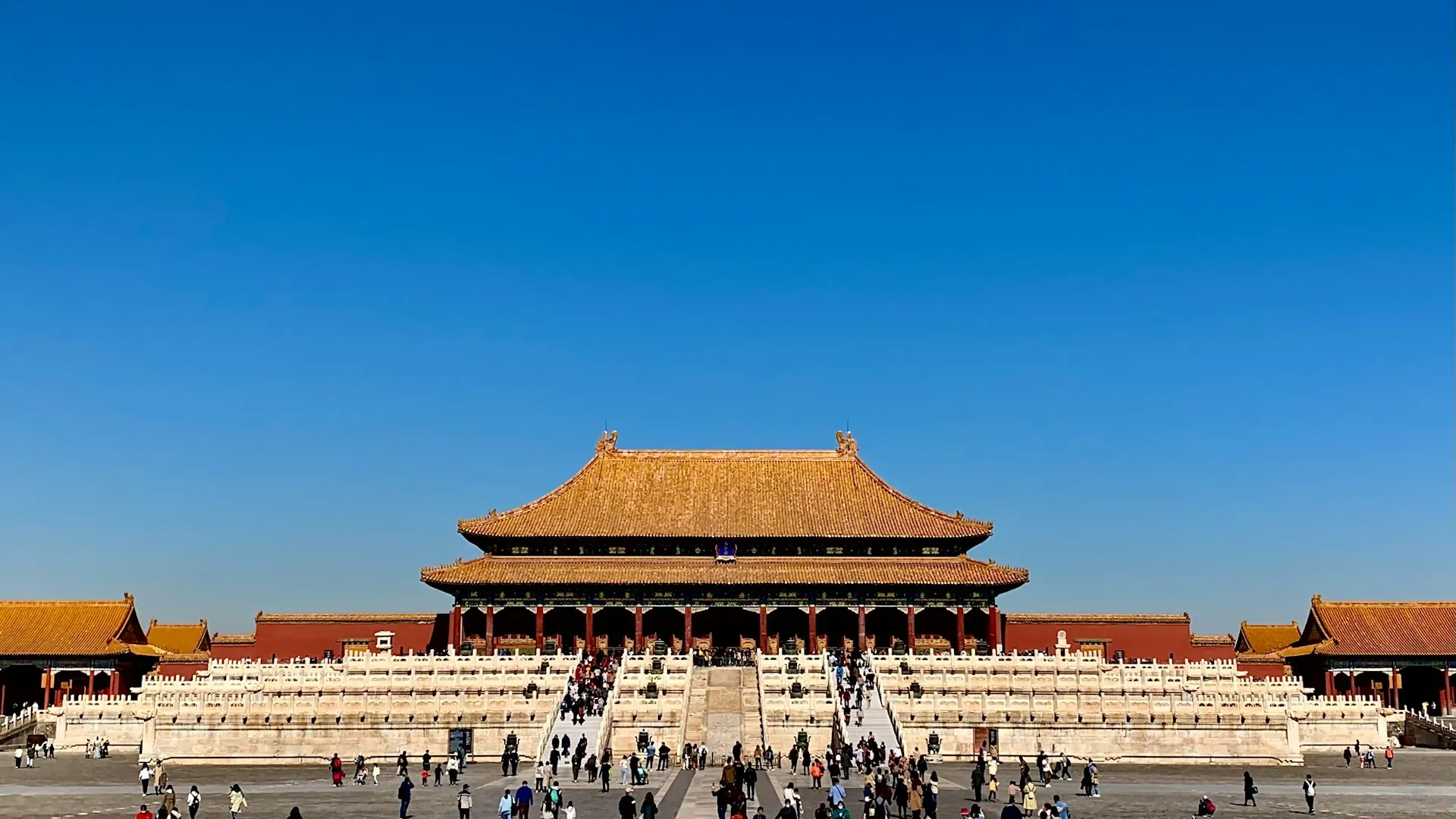
President Trump arrives in Beijing this week for high-stakes talks with Xi Jinping aimed at securing Chinese support to resolve the US-Iran conflict, even as the administration simultaneously blockades Iranian oil shipments bound for China. The diplomatic contradiction comes as markets absorbed a hot May 12 consumer price index report that triggered sharp selloffs in tech stocks - Intel fell 6.8%, Sandisk dropped 6.2%, and Micron declined 3.6% - while the 10-year Treasury yield climbed to 4.462%, its highest close since July 2025, per the Wall Street Journal.
The market reaction reflects a fundamental shift from price shock to physical disruption. Oil surged 4.2% to $102 per barrel on May 12, capping a 78% year-to-date gain. Gulf nations establish emergency overland routes to bypass the closed Strait of Hormuz - a temporary escape route that nonetheless threatens broader shortages under sustained pressure.
Emergency Trucking Networks Cannot Resolve Entrenched US-Iran Deadlock
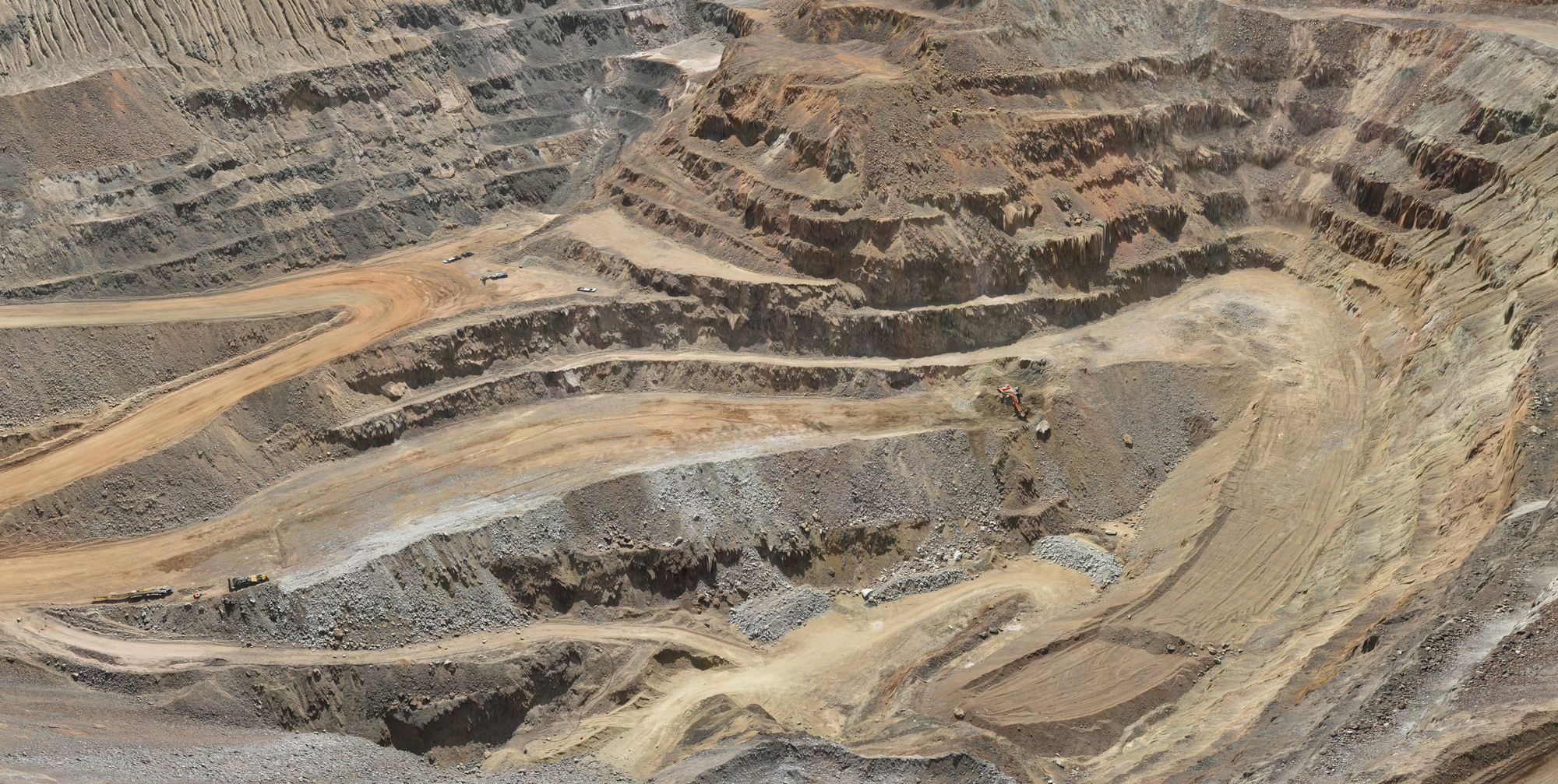
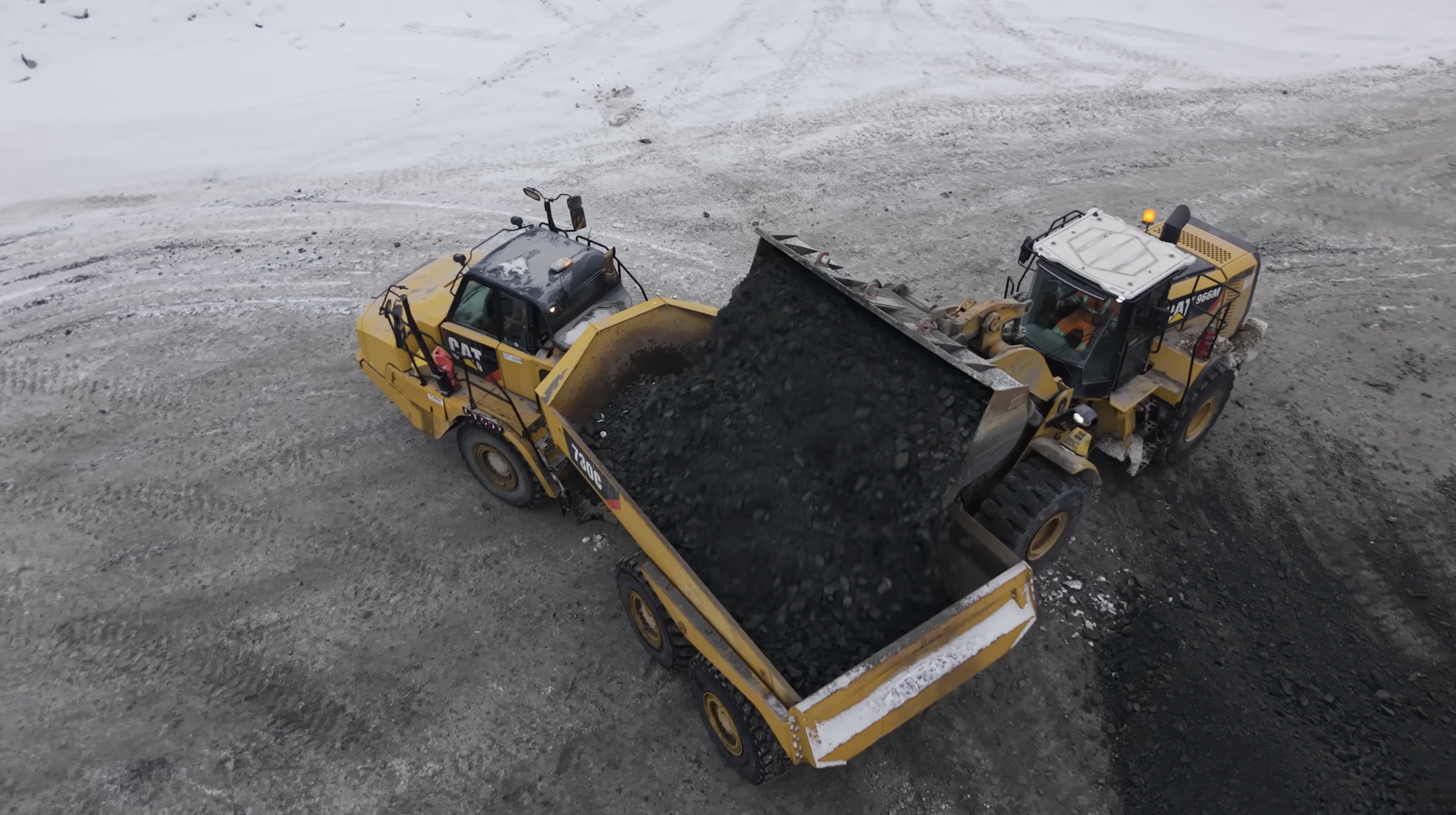
The Hormuz closure forced an immediate logistical pivot. State mining company Maaden deployed 3,500 trucks running 24-hour cycles to Red Sea ports like Yanbu, a process that required constructing prefabricated warehouses and retrofitting stainless steel tankers for sulfuric acid transport. The emergency response drove weekly container traffic at the UAE's Khor Fakkan port from 2,000 to 50,000 units.
These improvised routes remain vulnerable because the underlying conflict shows no signs of resolution. Deadlocked US-Iran negotiations have devolved into an economic war of attrition, while Trump's simultaneous blockade of Iranian oil to China creates contradictory pressure ahead of the Beijing summit, where he needs Xi's cooperation to end the standoff. The operational workaround exists only because commodity prices have soared high enough to absorb trucking costs that include empty return trips from ports.
Diplomatic Breakthroughs Won't Restore Supply Chains Immediately
Even successful diplomacy carries operational lag that markets are not pricing. The emergency trucking networks only remain economically viable because elevated commodity prices offset inefficiencies like empty backhauls, meaning any diplomatic resolution that stabilizes prices before restoring maritime routes would immediately strand the improvised logistics network.
Former Biden administration China adviser Elizabeth Economy stated that both Trump and Xi see trade and investment as the most promising channel to stabilize the US-China relationship in the near term, suggesting the Beijing summit could focus on commercial agreements rather than purely strategic concessions.TD Securities US rates strategist Jan Nevruzi indicated that the 10-year inflation breakeven rate reaching 2.6% would raise concern, though he noted it remains unclear whether the Federal Reserve should respond aggressively if energy prices drive the increase, particularly given that Tuesday's CPI data showed limited evidence of energy costs bleeding into other goods categories like airfares.
The Beijing summit's discussions around a multibillion-dollar US arms package for Taiwan serve as the clearest leading indicator of broader stabilization, any willingness by Trump to modify this commitment signals meaningful geopolitical realignment rather than tactical posturing.
Portfolio Exposure Concentrates in Margin-Compressed Sectors
Retail investors carry heavy positions in semiconductor and memory companies now facing immediate margin pressure as the 5-year inflation breakeven rate hit 2.7%, a multiyear high, driving up both bond yields and consumer borrowing costs simultaneously. The inflation transmission mechanism operates through dual channels: higher input costs from energy-intensive manufacturing and compressed consumer demand as financing becomes prohibitively expensive.
Both the US-Iran conflict resolution and the US-China summit outcomes remain entirely binary and unpredictable. Trump's documented pattern of treating Xi with deference in private negotiations obscures genuine policy trajectories, making any attempt to trade diplomatic deadlines a speculation on personality dynamics rather than observable economic fundamentals.
What to Monitor
An unexpected diplomatic breakthrough reopening the Strait of Hormuz within weeks would eliminate the supply constraint faster than markets currently anticipate. Alternatively, significant spikes in secondary inflation categories like airfares in upcoming CPI reports would signal that elevated inflation expectations have become self-fulfilling as businesses preemptively raise prices.
Real-time monitoring requires daily tracking of the 10-year Treasury yield and the 10-year breakeven rate for sustained moves above the 2.6% threshold. Additionally, investors should watch for any public US rhetoric shifts opposing Taiwan independence during this week's Beijing summit, such language would represent major geopolitical realignment with immediate market implications beyond the stated Iran conflict resolution.
This analysis rests on two baseline assumptions: rising energy prices remain sector-specific rather than bleeding permanently into broader consumer goods costs, and emergency overland logistics routes maintain operational capacity under sustained volume pressure without catastrophic failure.
Analyst's Notes





Subscribe to Our Channel



Stay Informed


