




Why Galena's Existing Mine Footprint Changes Discovery Economics


Americas Gold & Silver leverages Galena’s existing infrastructure to accelerate discoveries, lower capital intensity and expand throughput.
- Americas Gold & Silver announced its fourth major discovery in 12 months at Galena on April 30, 2026, with the 43L-TJ Vein Complex intercepts including 1,392 g/t silver, 1.5% copper, and 1.5% antimony over 1.9 metres, located 25 metres from existing infrastructure on the 4300 Level.
- Phase 2 capital for Number 3 Shaft upgrades in 2026 is expected to total US$1.1 million, a fraction of the capital required to establish new shaft infrastructure, with Phase 1 upgrades increasing hoisting capacity from 42 stph to approximately 105 stph.
- The transition to 70% longwall stoping by the end of 2027 reduces mining costs per tonne by 40% to 50%, supported by a US$11.9 million paste backfill plant and US$7.3 million in Galena Shaft repurposing to establish capacity for large-scale future operations.
- The company is deploying 64,000 metres of drilling under a US$20 million exploration budget in 2026, with the 034 Vein growing from an estimated 1 million ounces to over 7 million ounces, reflecting a discovery rate uncommon in the sector.
- Crescent Mine ore will enter the Galena mill in the second half of 2026, spreading fixed costs and generating additional revenue and free cash flow, while the geological system remains open at depth.
Four discoveries in 12 months at an operating mine
Most exploration stories follow a predictable sequence: discovery, resource definition, feasibility studies, permitting, capital raising, construction, and production. At Americas Gold & Silver's (TSX: USA | NYSE American: USAS) Galena Complex in Idaho's Silver Valley, that sequence no longer applies.
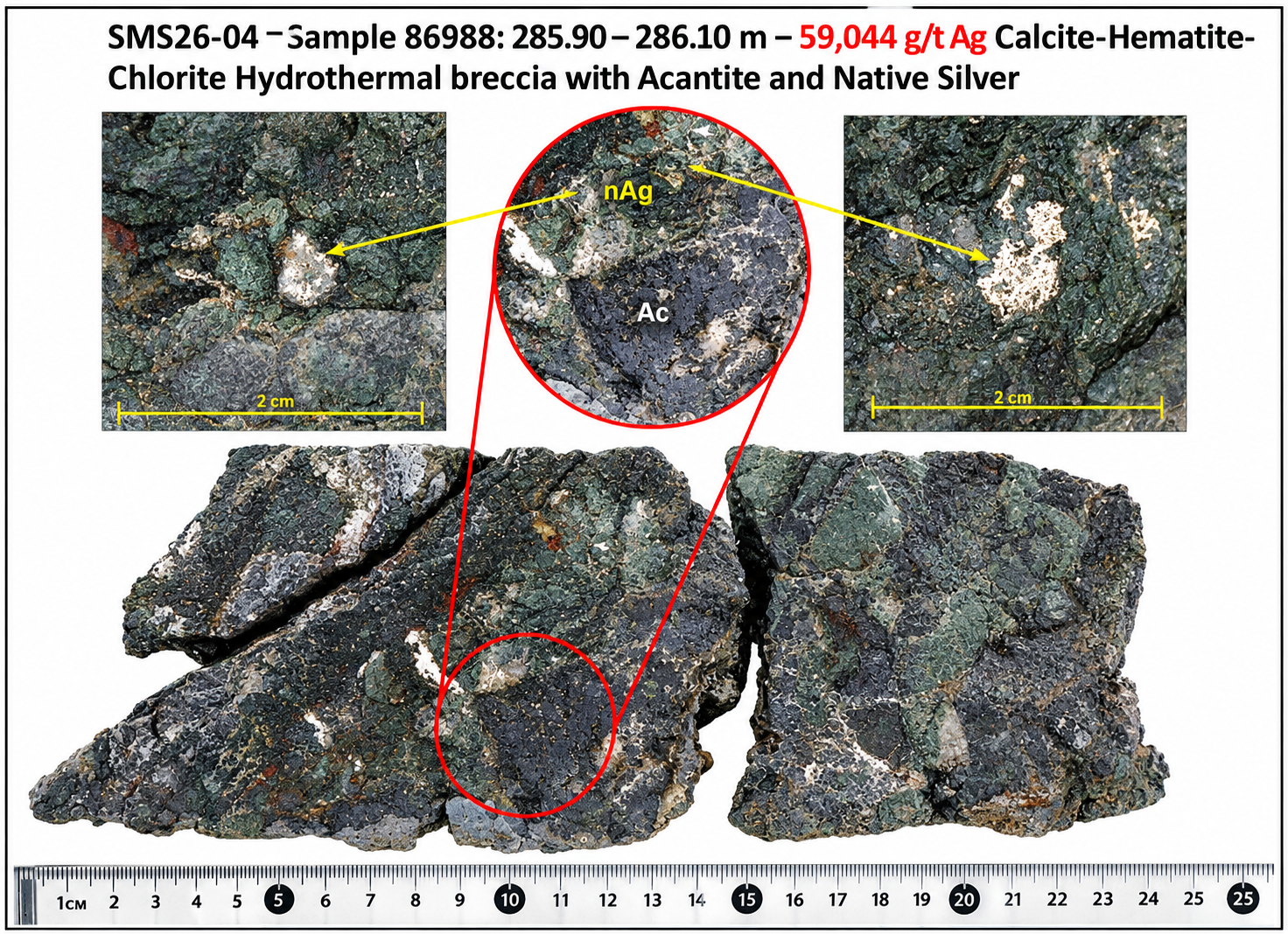
The company announced its fourth major discovery in 12 months on April 30, 2026, identifying six new high-grade silver-copper-antimony veins, collectively termed the 43L-TJ Vein Complex. Intercepts included 1,392 grams per tonne (g/t) silver, 1.5% copper, and 1.5% antimony over 1.9 metres and 2,563 g/t silver, 1.8% copper, and 1.4% antimony over 0.7 metres. These intercepts sit 25 metres from existing infrastructure on the 4300 Level.
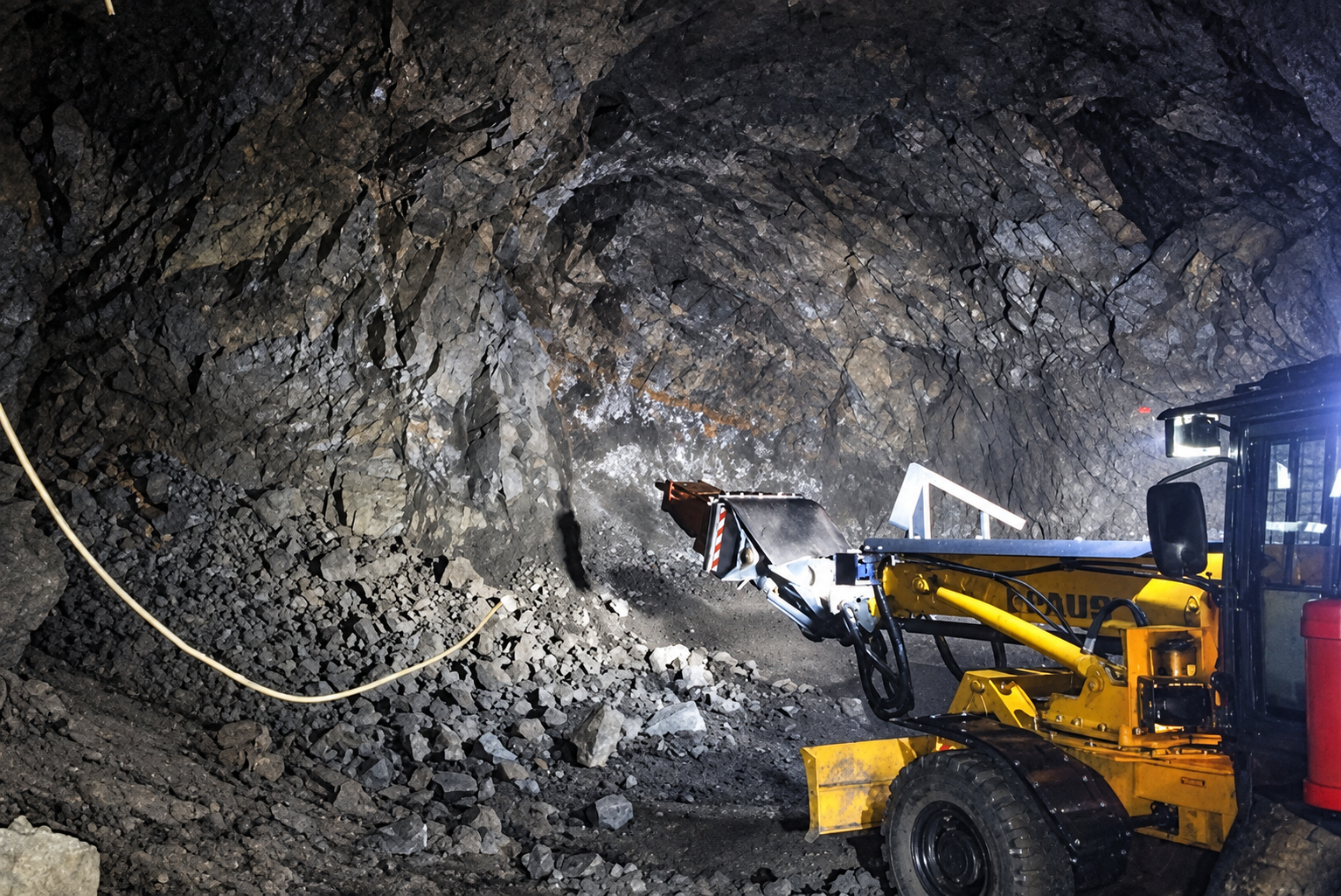
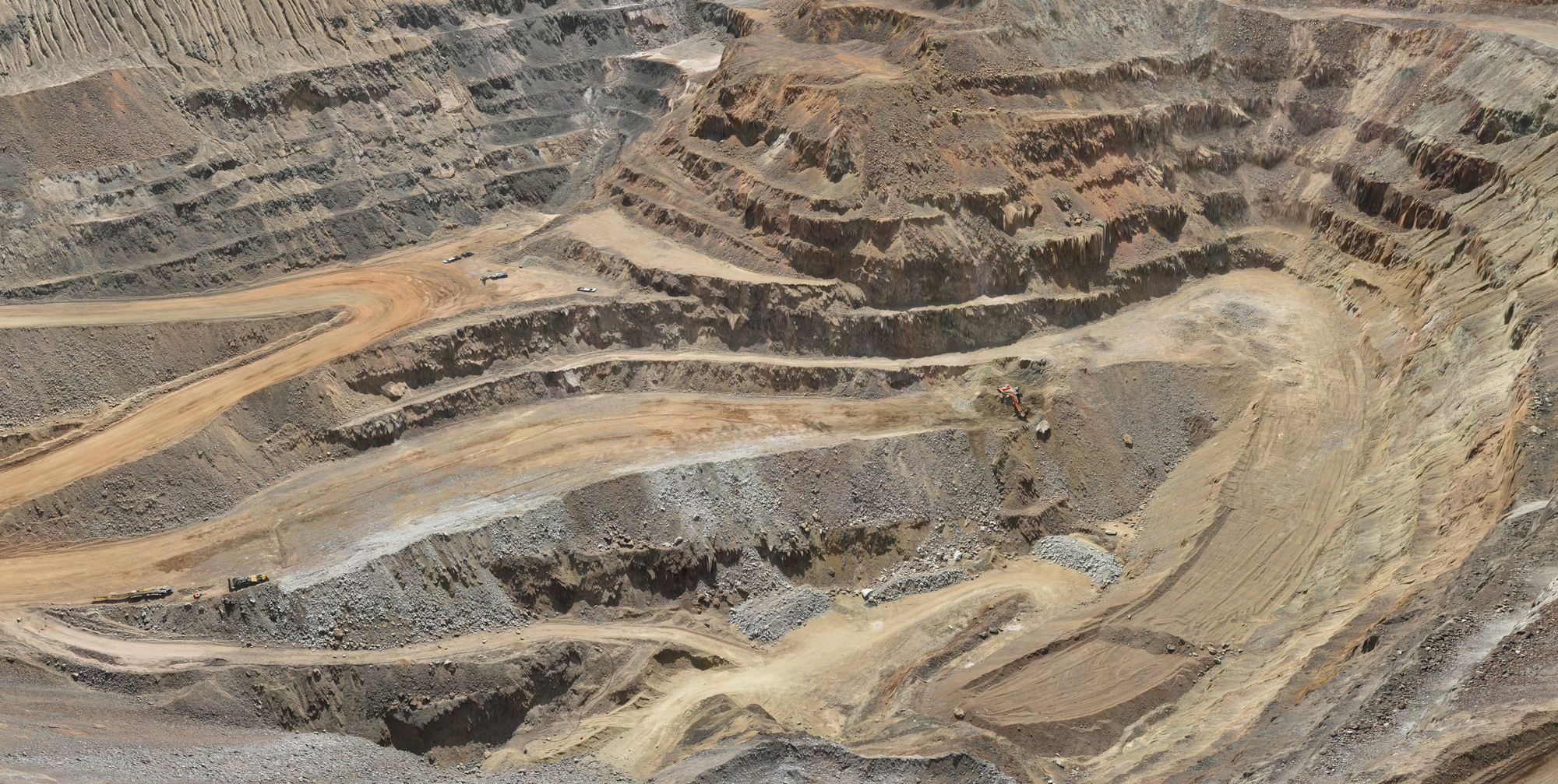
Galena operates within a 130-year-old mine footprint, with infrastructure between the 2,000-foot level and the 6,000-foot level. Discovery holes drilled from underground headings intersect mineralisation within metres of active infrastructure.
Executive Vice President of Corporate Development of Americas Gold & Silver, Oliver Turner, describes the operating model:
“We're not drilling a 600-metre hole to something that's going to take us a year to develop. We're talking about in-mine discoveries.”
Capital efficiency separates brownfield from greenfield economics
Mineralisation located 25 metres from the 4300 Level infrastructure requires lateral development to establish mining positions, but bypasses the shaft sinking, ramp construction, and utilities installation required for a greenfield underground project. The Galena team is planning an exploration drift into the 43L-TJ Vein area to fast-track future production from the 4300 level. The Phase 2 capital for Number 3 Shaft upgrades in 2026 is expected to total US$1.1 million, a fraction of the capital required to establish new shaft infrastructure.
Phase 1 upgrades to the Number 3 Shaft increased hoisting capacity from 42 short tons per hour (stph) to approximately 105 stph, a 150% increase, with total hoisting capacity reaching 1,350 short tons per day (stpd) following Phase 2 completion, targeted for mid-May 2026. The Galena mill currently processes 410 to 420 stpd, with capacity to expand from 750 stpd to 1,200 stpd by the end of 2026. The infrastructure already in place supports incremental capacity additions rather than minimum viable construction from surface.
Turner describes the capital allocation approach:
“If you think about a car analogy, we added a heavily upgraded engine to the car, but we need a better braking system so we can go faster around the corners and get a faster lap time. We're now upgrading the braking system of that hoist motor, which allows us to go faster and brake closer to the bottom.”
The mill has spare capacity that Crescent ore will fill in the second half of 2026, spreading fixed costs and generating additional revenue and free cash flow. The December 2025 acquisition of the Crescent Mine, located 9 miles from Galena, extends this operating leverage to a second asset.
Discovery pace compounds value within existing permits
The 43L-TJ Vein Complex is the fourth major discovery Americas Gold & Silver has announced at Galena in the past year. The company previously disclosed the 034 Vein, the 149 Vein Complex, and the 520 Vein, each located near existing infrastructure. The 034 Vein started as an estimated 1 million ounces and now exceeds 7 million ounces. Four discoveries in 12 months reflect a discovery rate uncommon in the sector, with each additional vein adding high-grade ounces that can reach production through lateral development rather than major capital deployment.
The company is deploying 64,000 metres of drilling in 2026 under a US$20 million exploration budget. Short drill holes from underground platforms generate more data points per metre compared with surface programs, and intersections immediately inform mining sequence decisions rather than feeding multi-year study cycles. The geological system remains open at depth, with all current infrastructure sitting between the 2,000-foot level and the 6,000-foot level, while the neighbouring Hecla Lucky Friday Mine operates below 10,000 feet.
Throughput expansion drives unit cost reduction
The company's growth capital budget of between US$60 million and US$80 million for 2026 targets throughput expansion and cycle time reduction. A paste backfill plant designed to accelerate backfill cycle time by approximately 250%, with targeted commissioning in the fourth quarter of 2026, supports the transition to longwall stoping. The company has completed nine longwall stope panels, all 1 metre wide. Longwall stoping reduces cost per tonne by 40% to 50% on the mining front. The transition to 70% longwall stoping by the end of 2027 supports a multi-year operating cost reduction trajectory.
The paste backfill plant capital of US$11.9 million and the repurposing of the idle Galena Shaft to route paste lines and utilities at a capital cost of US$7.3 million establish capacity for large-scale future operations. Major initiatives also include completion of Phase 2 upgrades to the Number 3 Shaft braking system, installation of fibre optics throughout the mine, and mill capacity expansion from 750 stpd to 1,200 stpd.
At Crescent, rehabilitation includes restoration of safety systems, power, ventilation, and communications across three adits and completion of approximately 650 feet of development in the first quarter of 2026, with approximately 2,000 additional feet planned for the second quarter. The total capital budgeted for Crescent in 2026 is between US$30 million and US$40 million. The company has eliminated diesel-generated power at Crescent by running a power cable from BC4 to Hooper Adit, reducing power costs.
Infrastructure in place redefines development risk
The distinction between brownfield and greenfield discovery economics matters for investors evaluating resource growth. Ounces added within an operating mine footprint carry different development timelines, capital intensity, and permitting risk compared with stand-alone deposits. The 64,000-metre drill program represents systematic testing of a mineralised system that remains open laterally and at depth within existing permits.
Turner frames the exploration potential:
“There is huge exploration upside as these shoots plunge continuously below where we are today. So, to talk about Galena, that mine is going to be going for decades to come. We'll have a lot more exploration results coming out of Galena for sure.”
At Galena, infrastructure exists, permits are in place, hoisting and milling capacity is being expanded, and the geological system remains open. The economic calculation for each additional ounce discovered reflects the infrastructure already built, the capital already deployed, and the operating team already in place. The discovery rate, infrastructure utilisation, and capital efficiency combine to produce an operating model that separates brownfield resource conversion from greenfield project development.
FAQs (AI-Generated)
Analyst's Notes





Subscribe to Our Channel


Stay Informed






















