




Why the Strait of Hormuz Is the Most Important Inflation Variable Investors Are Underpricing


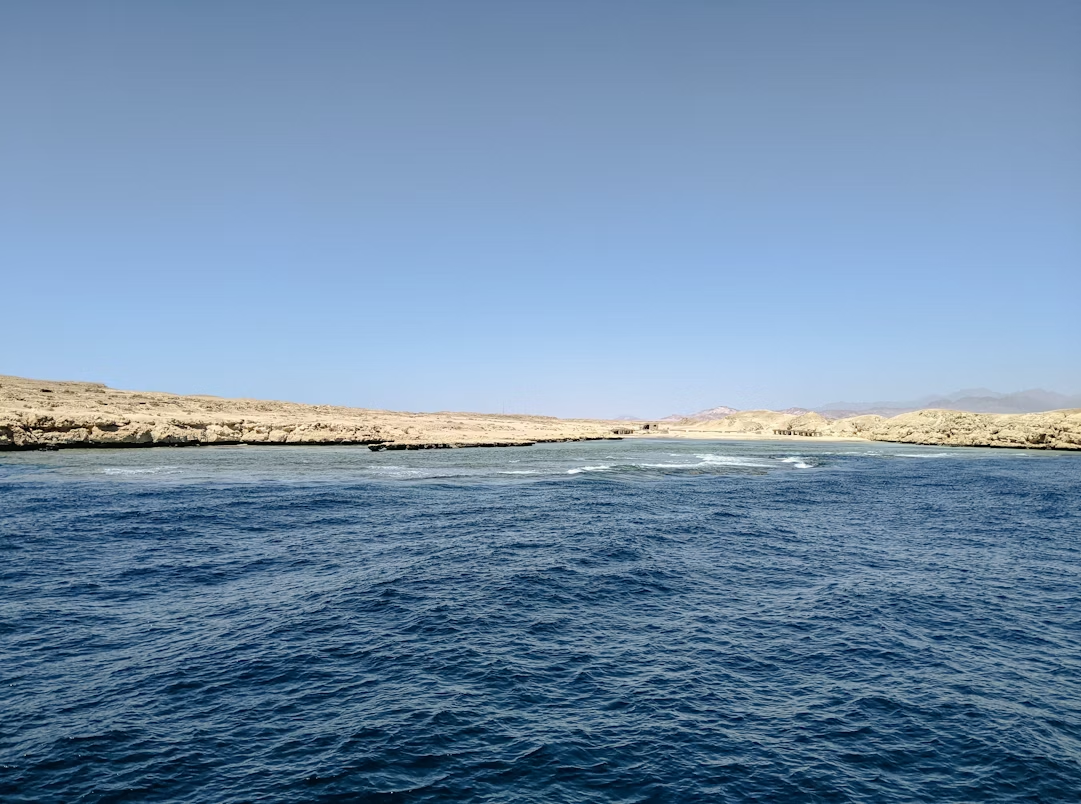
Strait of Hormuz shipping attacks are raising inflation and higher-for-longer rate risks as oil, gold, and global markets reprice geopolitical instability.
- Iran accused the US of violating a ceasefire near the Strait of Hormuz, while the tanker Olympic Life explosion exposed vulnerabilities in a critical global oil corridor.
- Oil markets briefly priced in a supply shock, but gold fell as investors shifted focus toward higher-for-longer interest rate risk.
- Central banks are increasingly treating Middle East energy instability as a structural inflation risk despite ongoing diplomatic negotiations.
- AI-driven equity gains are masking broader macro fragility as higher oil prices pressure transport costs, consumer demand, and refinancing conditions.
- The higher-for-longer inflation thesis weakens if US inflation data softens or US-Iran negotiations reduce shipping-related geopolitical risk.
Strait of Hormuz Shipping Attacks Are Forcing Central Banks to Price Persistent Inflation Risk
Iran accused the US on May 26-27 of violating a seven-week ceasefire through strikes near the Strait of Hormuz, while the tanker Olympic Life reported an explosion off Oman, briefly driving crude prices 4% higher before traders reversed positions in hopes that diplomatic talks would continue. US crude later fell 3.8% to $90.08 per barrel, Brent dropped 3.1% to $96.48, and spot gold declined 1.3% to $4,448.43 per ounce, even as the S&P 500, Nasdaq, and Japan’s Nikkei reached record highs on AI-driven optimism.
The disconnect between oil volatility and equity resilience matters because the Strait of Hormuz carries roughly one-fifth of global petroleum consumption, and investors are increasingly pricing the risk that repeated attacks on shipping infrastructure could sustain higher insurance, freight, and supply-chain costs even without a formal closure of the waterway.
Repeated Gulf of Oman Shipping Attacks Are Embedding Higher Freight & Inflation Costs into Global Markets
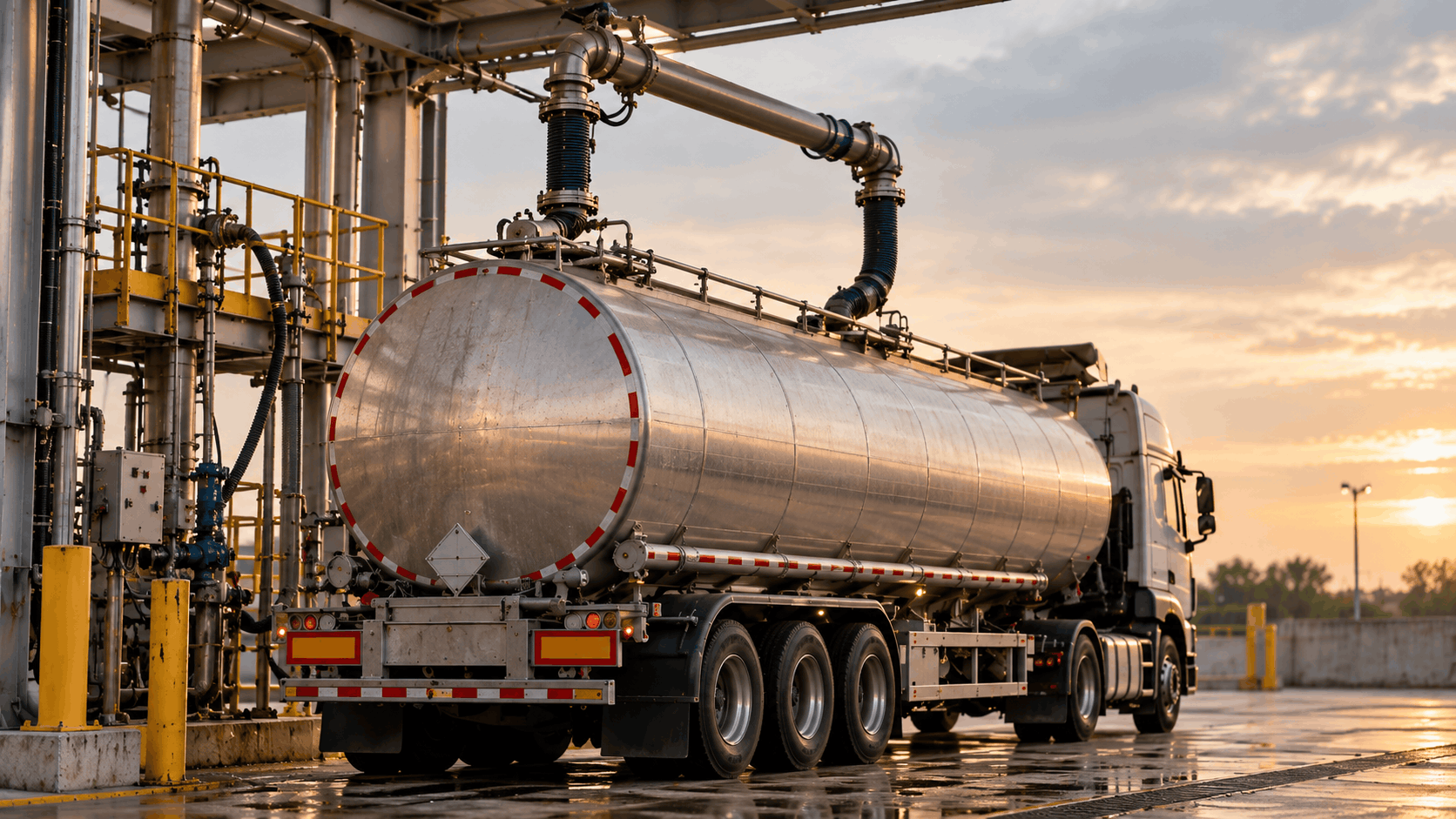
The damage aboard the Olympic Life shows how quickly regional conflict can disrupt supply chains. Springfield Shipping said the vessel was struck near the waterline, damaging a bunker tank and forcing tanker operators, insurers, and commodity traders to reassess shipping exposure across the Gulf of Oman. The broader problem is that the three-month US-Iran conflict has repeatedly failed to produce a durable ceasefire, reducing confidence that diplomacy can quickly normalize oil markets.
Although Deutsche Bank analysts said negotiations “remain on track,” investors are increasingly focused on the risk that repeated attacks could sustain higher freight, insurance, and supply-chain costs even without formal sanctions escalation or a naval blockade.
Central Banks Are Using the Strait of Hormuz Oil Shock to Justify Higher-for-Longer Interest Rates
Central banks are increasingly treating the oil shock as a structural inflation risk rather than a temporary geopolitical event. Bank of Japan Governor Kazuo Ueda warned that the “war-driven oil shock” could worsen inflation expectations, while ECB board member Isabel Schnabel said a June rate hike could still be justified even if a US-Iran peace deal emerges. Markets are already repricing that risk, with CME Group FedWatch data showing a 37% probability of a 25 basis-point Federal Reserve rate hike by December.
FXTM analyst Lukman Otunuga warned that persistent inflation pressure could keep rates “higher for longer,” increasing downside risk for gold while raising refinancing and margin pressure across transportation, logistics, and consumer sectors if Brent crude remains near $100 per barrel.
AI-Driven Equity Gains Are Masking Rising Inflation & Refinancing Risks for Retail Investors
Gold is no longer acting as a straightforward geopolitical hedge in a higher-rate environment. Rising oil prices would normally support gold demand, but tighter monetary policy increases real yields and raises the opportunity cost of holding non-yielding assets. That dynamic explains why gold fell even as tensions escalated near the Strait of Hormuz, exposing gold miners and precious metals ETFs to both commodity volatility and monetary tightening risk simultaneously.
The bigger risk is that equity resilience is increasingly concentrated in AI-linked stocks rather than broad economic strength. South Korea’s KOSPI rose 2.3% largely on SK Hynix’s AI-driven rally, while transportation, logistics, and consumer-facing sectors remain vulnerable to higher fuel and refinancing costs. Retail investors also cannot reliably predict ceasefire timelines or escalation risks, making short-term geopolitical trading highly speculative. A more durable signal is whether inflation expectations, freight costs, and Treasury yields continue rising together, which would indicate the oil shock is becoming structurally embedded in the economy.
Fed PCE Data & US-Iran Shipping Talks Will Determine Whether the Higher-for-Longer Inflation Thesis Holds
The current market thesis depends on geopolitical instability continuing to feed measurable inflation pressure across the global economy. If inflation data weakens despite elevated oil prices, central banks will have less justification for maintaining hawkish policy stances, weakening the higher-for-longer rate narrative currently pressuring gold and rate-sensitive sectors. The clearest near-term test is Thursday’s U April Personal Consumption Expenditures Index release, where a weaker-than-expected reading would undermine the argument that supply-chain disruptions are driving broader inflation persistence.
Whether Gulf tanker attacks decline and whether US-Iran negotiations produce a durable shipping security framework are the two variables most likely to reduce the geopolitical risk premium embedded in crude markets. Upcoming commentary from Federal Reserve Vice Chair Philip Jefferson and Governor Lisa Cook carries additional weight, as markets are focused on whether central bankers continue framing energy inflation as persistent enough to justify restrictive policy into late 2026. If that language softens while oil prices stabilize, positioning across commodities, bonds, and gold could reverse quickly.
Analyst's Notes





Subscribe to Our Channel
Stay Informed


