




Brent Falls to $72.46 & Hormuz Flows Reach 32% as Supply Recovery Tests Oil Prices


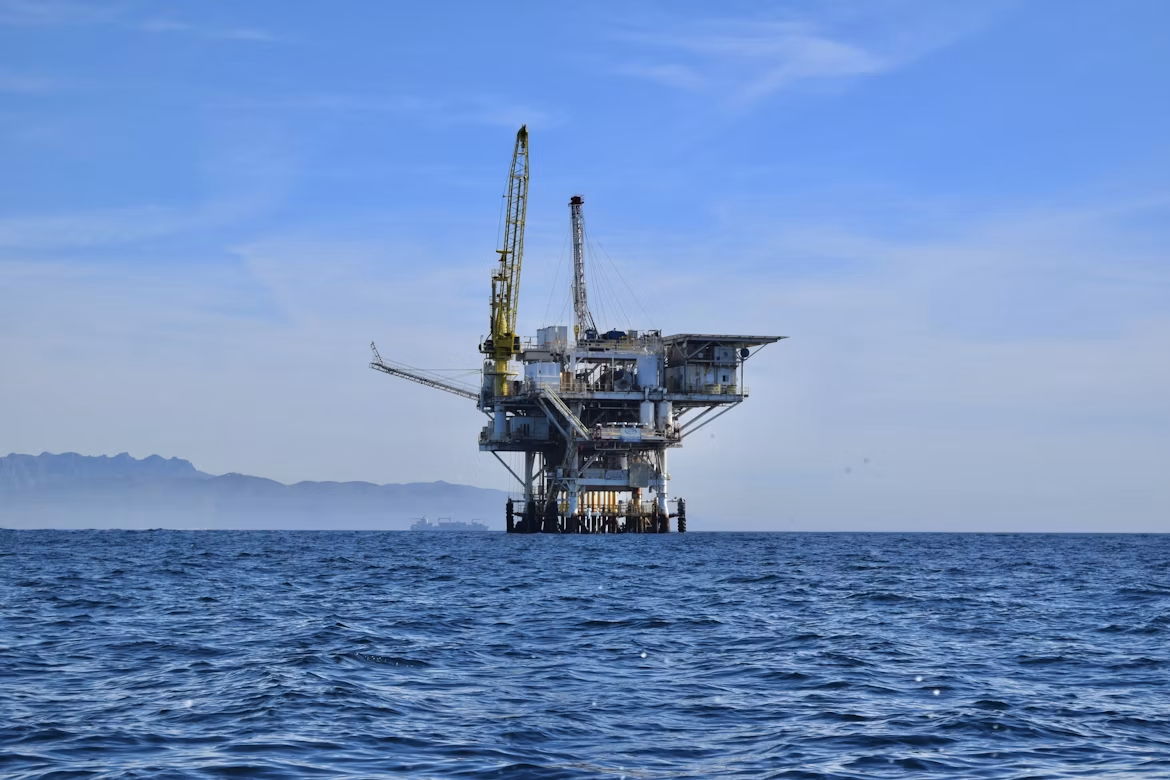
Brent fell to $72.46 as Hormuz flows recovered to just 32% of prewar levels, leaving oil prices ahead of the physical supply recovery.
- Brent crude fell 1.74% to $72.46 a barrel and WTI fell 1.63% to $69.19, their lowest levels since February 27.
- Confirmed oil flows through the Strait of Hormuz have recovered to about 4.8 million barrels per day since the US-Iran deal, still just 32% of the 15 million bpd that moved through the strait before the war.
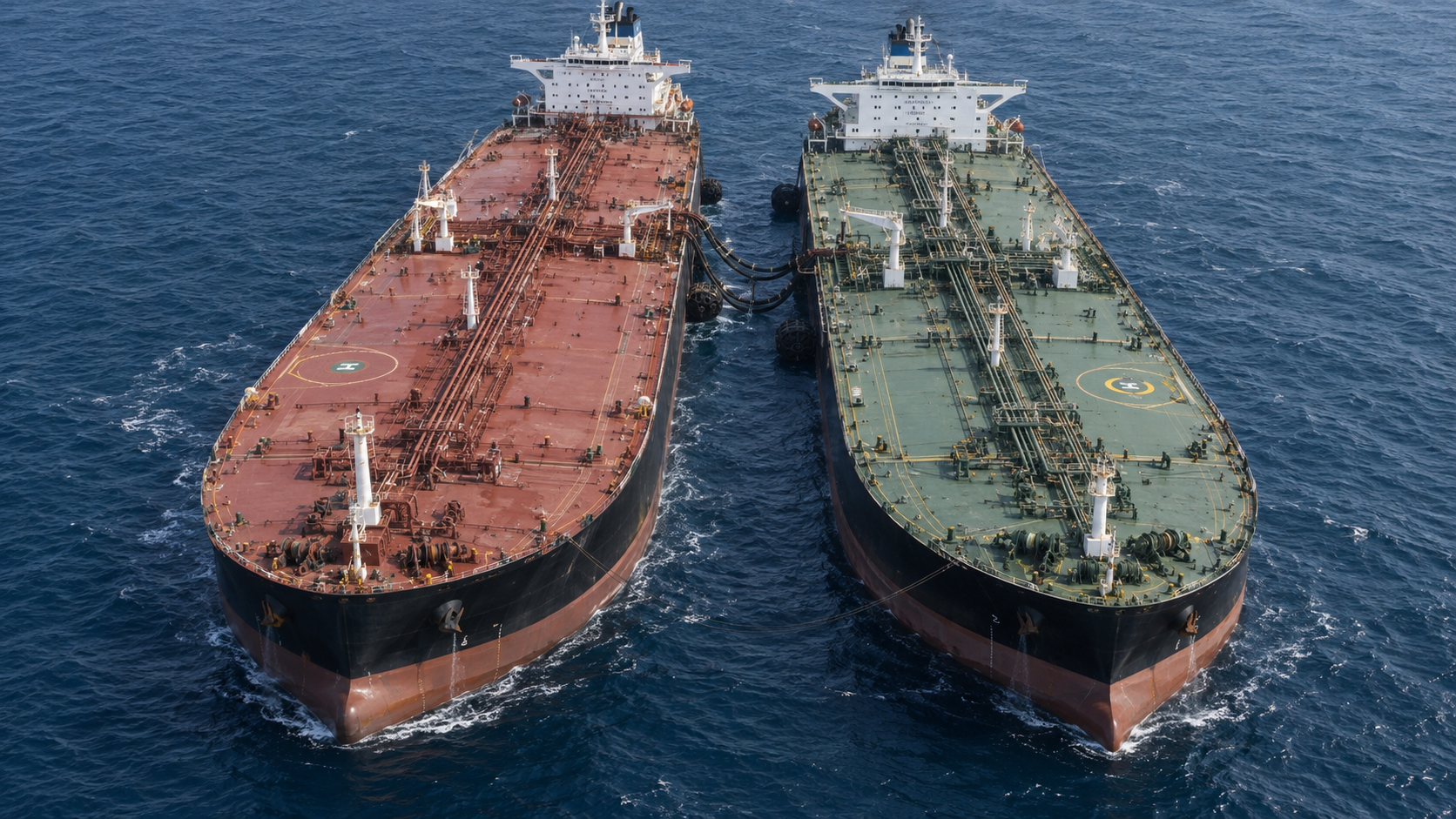
- Since the deal, at least 20 tankers carrying 35 million barrels have exited Hormuz after being stranded in the Persian Gulf for more than three months. Iranian tankers moved about 21 million barrels through the strait in June alone.
- Goldman Sachs does not expect a significant increase in Iranian crude production even if the sanctions waiver, which expires on August 21, is extended.
- Iraq said it will consider all options, including leaving OPEC, if its production quota is not raised, following the United Arab Emirates' exit from the group earlier this year.
Geopolitical Risk Fades as Brent & WTI Return to February Levels
Brent crude fell 1.74% to $72.46 a barrel while WTI dropped 1.63% to $69.19, both their lowest levels since February 27. US Energy Secretary Chris Wright said at least 20 million barrels exited the Strait of Hormuz in the previous 24 hours, signaling a recovery in outbound oil flows.
February 27 was the last trading day before the US-Israeli war on Iran began, leaving Brent and WTI back at their prewar price levels after one trading session. Confirmed Hormuz throughput has recovered to about 4.8 million barrels per day, indicating oil prices have rebounded faster than physical flows.
Incomplete Mine Clearance Keeps Hormuz Throughput Below Prewar Levels
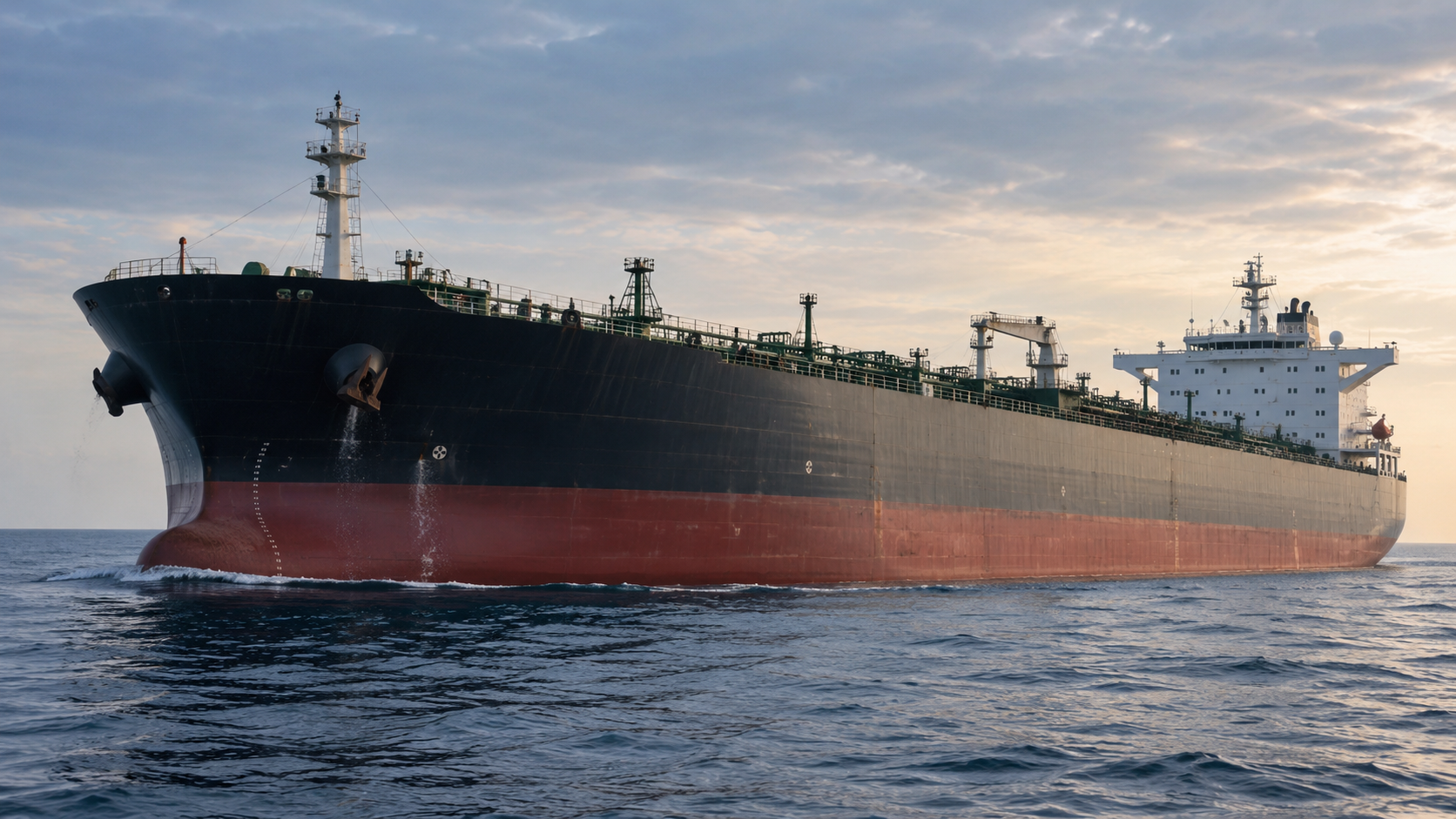
Since the deal, at least 20 tankers carrying 35 million barrels have exited the Strait of Hormuz after being stranded in the Persian Gulf for more than three months when Tehran closed the waterway early in the war. Iranian tankers moved about 21 million barrels through the Strait of Hormuz in June alone. Confirmed throughput has recovered to 4.8 million barrels per day, the highest since the February 28 attack but still only 32% of the 15 million bpd that flowed before the war.
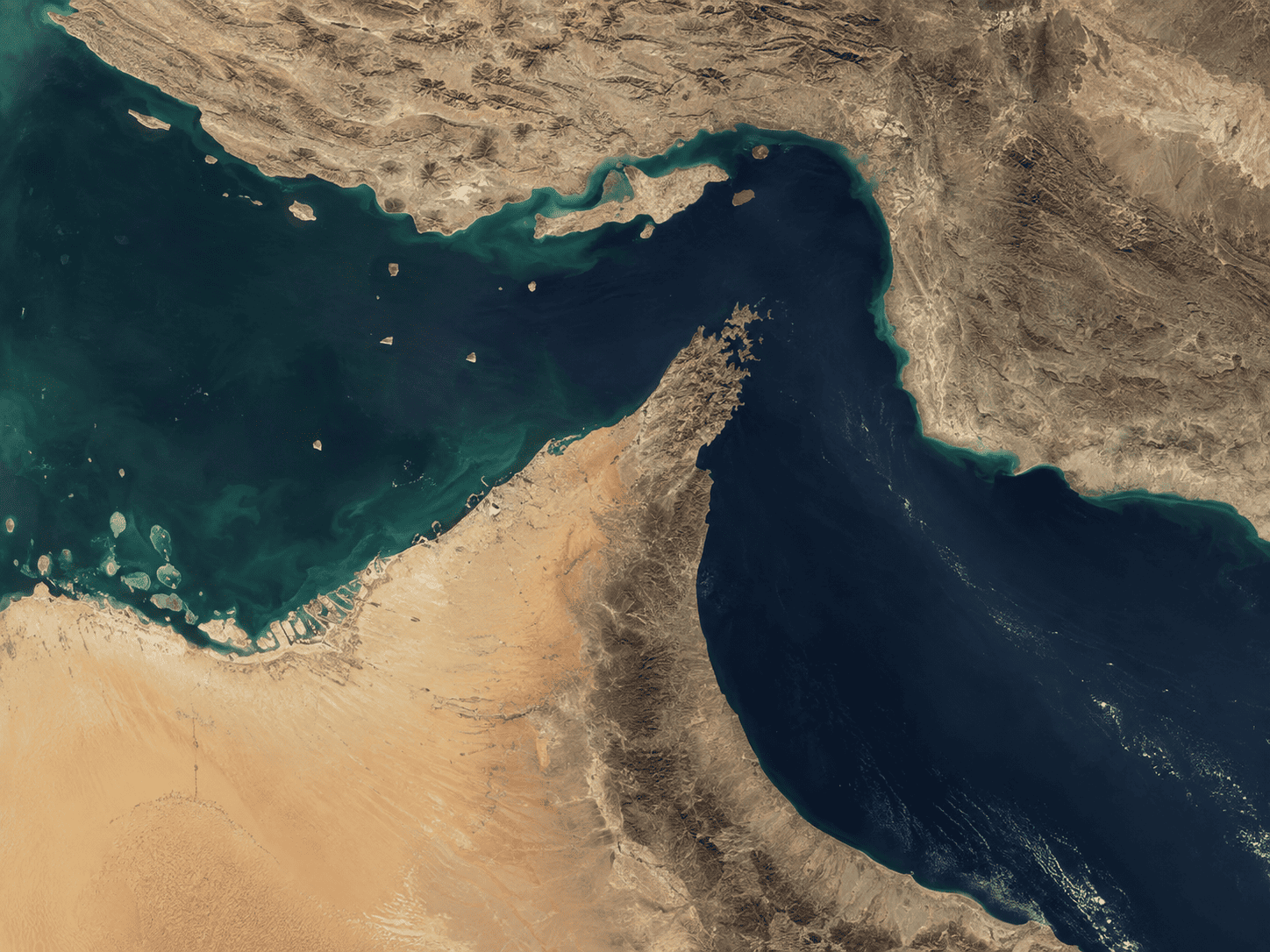
UBS analyst Giovanni Staunovo said most of the recovery reflects ships leaving the strait rather than new inbound cargoes because mine clearance is incomplete and inbound traffic has yet to recover. Chris Wright said full normalization will take a few weeks because the Strait of Hormuz still requires demining. The Joint Maritime Information Center has lowered its threat rating from critical to assess an attack as possible but not likely.
OPEC Quota Dispute Shapes the Next Supply Decision
Staunovo's outbound-inbound distinction explains why physical oil flows cannot recover quickly. Inbound shipments depend on insurance premiums returning to normal, which requires verified mine clearance rather than the ceasefire alone.
In the base case, the IMO's evacuation plan for more than 11,000 stranded seafarers is completed within Wright's projected timeline, lifting Hormuz throughput toward 15 million bpd and stabilizing Brent near $72. In the bear case, Iraq leaves OPEC if its production quota is not raised, weakening OPEC production discipline as Iran's sanctions waiver expires on August 21 and rebuilding the geopolitical risk premium. In the bull case for lower oil prices, Iranian output does not increase significantly after August 21. Supply growth comes from Hormuz traffic returning to normal, pushing Brent below $72.46.
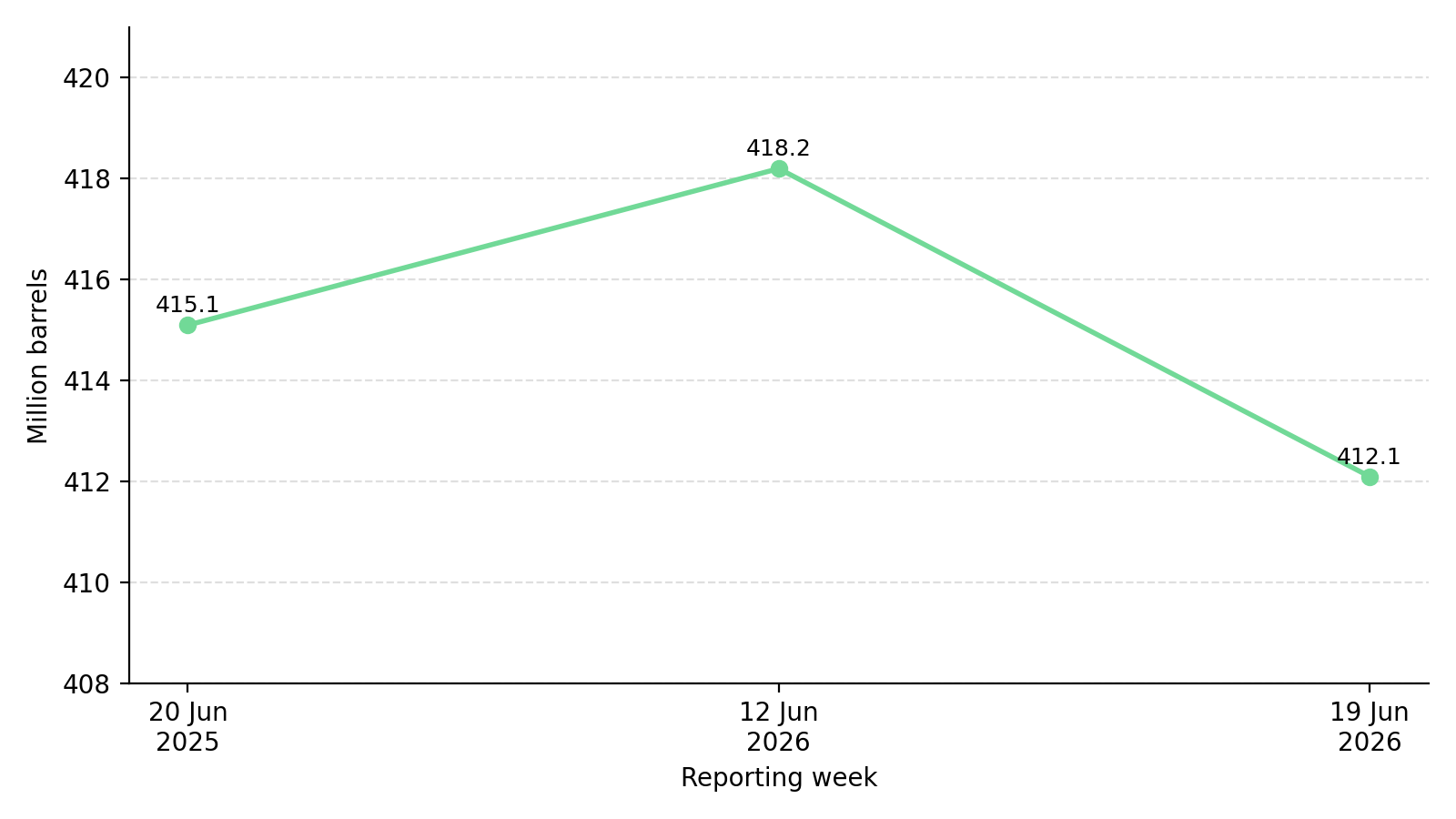
The next EIA Weekly Petroleum Status Report, due next Wednesday, will show whether the 6.1 million barrel inventory draw reported for the week ended June 19 continues or reverses.
High Refinery Utilization Limits the Response to Supply Shocks
Oil-linked equities face margin pressure from two directions. Brent at $72.46 and WTI at $69.19 have fallen to their lowest levels since February 27, reducing producer margins, while US refiners operated at 96.1% of capacity in the week ended June 19, leaving little spare throughput to absorb a renewed supply shock.
The key test is whether oil supply recovers as quickly as geopolitical risk fades. Iraq's threat to leave OPEC if its production quota is not raised tests the group's ability to maintain production discipline as Iranian exports recover. The UAE's earlier exit shows that OPEC unity can weaken when member interests diverge.
Whether Hormuz returns to full capacity or faces another disruption from demining delays or the August 21 sanctions waiver expiry cannot yet be determined because Wright's timeline is an estimate rather than a firm schedule. Investors should monitor weekly Kpler flow data and EIA inventory reports instead of relying on the ceasefire alone.
Oil Supply Conditions Keep Brent Near $72
Brent's current price reflects Hormuz throughput of about 4.8 million barrels per day and a US sanctions waiver on Iranian oil sales through August 21. Goldman Sachs says those conditions allow supply to normalize without additional Iranian production.
Oil prices would likely reverse if the Joint Maritime Information Center raised its threat rating back to critical, where it stood on June 4, or if the US sanctions waiver expired on August 21 without renewal, restricting Iranian oil exports that moved 21 million barrels through the Strait of Hormuz in June.
Another inventory draw near the 6.1 million barrels reported for the week ended June 19, with inventories already 7% below the five-year average at 412.1 million barrels, would show physical supplies tightening even as Brent and WTI price in lower supply risk.
Analyst's Notes





Subscribe to Our Channel





Stay Informed


