




Documented Sourcing Gives PGM Projects a Clearer Revenue Path in 2027


PGM reporting changes in 2027 link sourcing records with refiner acceptance, making the route to buyers part of assessing future project revenue.
- London is the world's largest platinum and palladium market, and only refiners on the LPPM's Good Delivery lists can sell newly refined metal into it. The LPPM cut off new output from Russia's two accredited refiners in April 2022.
- From January 1, 2027, every accredited refiner's annual sourcing audit must meet the LPPM's Responsible PGM Guidance Version 5.1 (RPG5.1). The date ends a 2026 transition year in which reports under the older rules were still accepted.
- The current guidance applies strict rules to recycled auto catalysts. Refiners must refuse catalysts known to be stolen, and the guidance's theft policy rules out cash payments for autocatalytic material.
- Refiners must give every batch a unique reference and keep origin, weight, metal-content and shipping records for at least five years. They must also get written sourcing commitments from suppliers.
- The World Platinum Investment Council (WPIC) forecasts 2027 platinum recycling of 1.847 million ounces, about 25% of total platinum supply.
2027 Reporting Rules Link Sourcing Assurance to Refiner Accreditation
The London Platinum and Palladium Market (LPPM) accredits the refiners whose platinum and palladium plates and ingots the market accepts as Good Delivery. London is the world's largest market for platinum and palladium trading, and metal from refiners removed from the LPPM lists loses access to it. In April 2022, the LPPM suspended Russia's two accredited refiners, Krastsvetmet and Prioksky, ruling that bars and sponge produced after April 8 would no longer count as Good Delivery. Newly refined metal from both plants, which process output from Nornickel, could no longer trade in London.
Refiners keep accreditation by passing annual audits showing where the material they process comes from. From January 1, 2027, every audit must meet the latest version of the LPPM's Responsible PGM Guidance, RPG5.1, ending a transition year in which refiners could still report under the older rules.
For mines and recyclers, accredited refiners provide the main route into the London market. Sourcing records sit alongside recovery results, processing costs, product specifications and sales terms in the cost of selling a project's output.
Stricter Checks Target Recycled Catalysts Over Theft Risk
One of the two main changes in the current guidance targets recycled material. When the LPPM launched Version 5 in November 2024, it named stronger checks on secondary supply as a main goal, after reports of stolen PGM-bearing material, including from catalytic converter theft. RPG5.1 includes language aimed at keeping stolen material out of the supply chain, beyond the OECD standard it builds on. The current guidance is the first to cover rhodium alongside platinum and palladium.
The record-keeping rules give refiners the means to enforce the checks. Each batch entering a refinery, and each product leaving it, must carry a unique reference. Refiners must keep evidence of origin, weight, metal-content test results, shipping documents and processing dates for at least five years. Comparing the metal content a supplier declared with the results of processing lets a refiner flag misdeclared or suspect material.
The rules also reach suppliers directly. Refiners must obtain a written commitment from each supplier to follow the refiner's sourcing policy, and must apply closer checks to suppliers with no public responsible-sourcing policy. Recycled auto catalysts face the strictest rules: refiners must refuse catalysts known to be stolen and may not pay cash for autocatalytic material.
WPIC Forecasts 5% Rise in Autocatalyst Platinum Recycling in 2027
WPIC forecasts platinum recovered from automotive catalysts will rise approximately 5% to 1.465 million ounces in 2027.
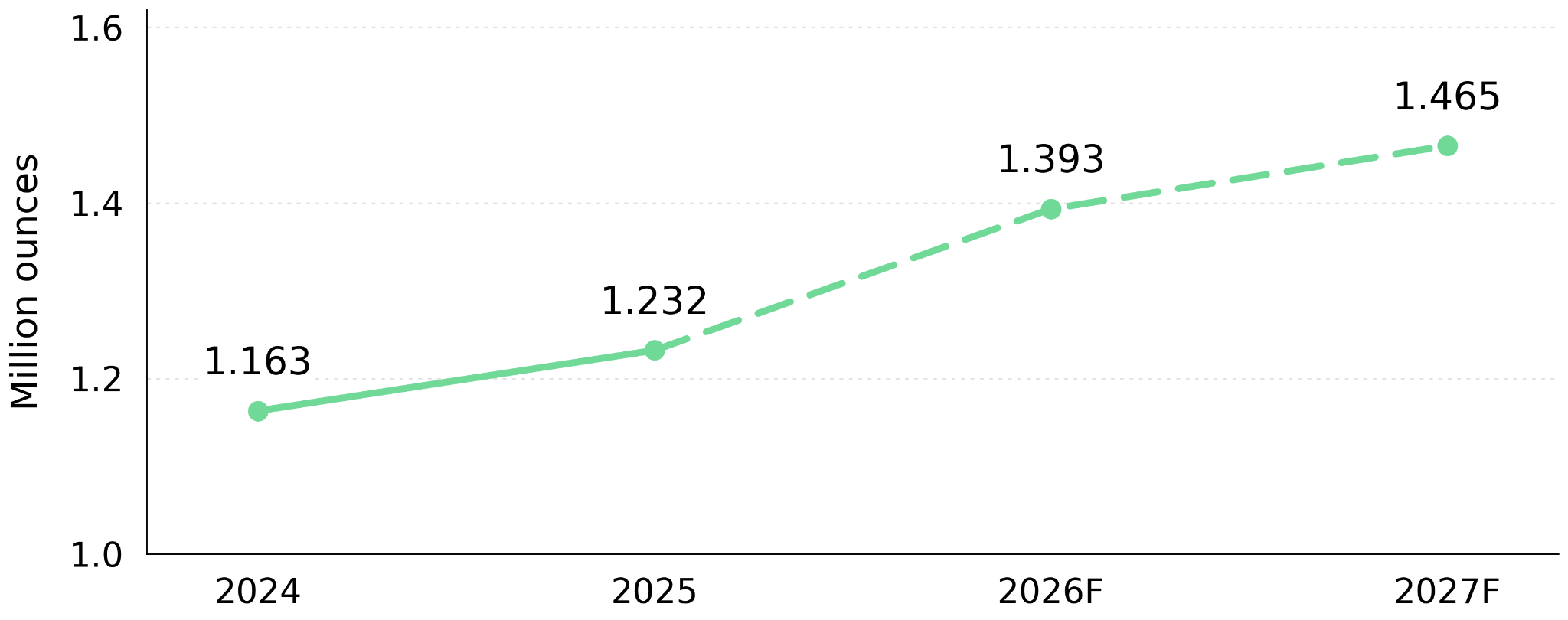
Lifezone Metals is advancing a proposed US recycling facility after tests recovered more than 99% of platinum and palladium from US-sourced used automotive catalysts. Identified design improvements are being incorporated into its feasibility study, with completion and FID targeted for the first quarter of 2027. A preferred site is under negotiation.
Processing Research Links Potential PGM Supply to Brazilian Buyers
The LPPM provides dedicated questionnaires and site-visit forms for mined material, linking mine-level information with refinery sourcing assessments.
ValOre Metals has signed a five-year memorandum of understanding with the German Federal Institute for Geosciences and Natural Resources (BGR) and its German Mineral Resources Agency (DERA) to advance processing research at Pedra Branca. Through the German government-funded BioPlat project, the collaboration brings specialist expertise to developing ways to recover platinum and palladium from weathered material.
Nick Smart, Chief Executive Officer of ValOre Metals, explains Brazil’s PGM demand and nearby customer opportunities:
“Brazil is a major end user, with the automotive manufacturing sector that they've got within Brazil. From our perspective, when we look at the route to market, having a potential customer so close to us up at the Port of Barcarena in Para state is logistically very attractive to us.”
Good Delivery Rules Set Conditions for Metal Acceptance
LPPM-listed refiners must submit annual compliance reports, with audits due to the RSRC within three months of their financial year-end. Reports available through the platinum and palladium Good Delivery Lists provide dated evidence for assessing a proposed refining partner’s sourcing compliance before entering processing agreements.
LPPM Good Delivery platinum and palladium plates and ingots must have a purity of at least 99.95% and weigh between one and six kilograms. Projects targeting these markets through intermediate products need to account for the processing required to meet those specifications when assessing treatment costs and potential sales revenue.
Customer Demand Leads Traceability Spending in Lithium & Nickel Research
The OECD’s November 10, 2026 analysis of research focused on lithium and nickel found that more than 60% of surveyed companies cited reputation or customer demand as their main traceability driver, compared with around 40% citing regulatory compliance.
Nearly three-quarters of respondents planned to increase traceability spending over the following three years, and around half identified shared data infrastructure as a priority. Proposed technology budgets should therefore be assessed against their ability to exchange sourcing information with suppliers, processors, and customers.
Refiner Sourcing Rules Link Supply Investment to Market Access
WPIC forecasts 2027 platinum mine supply of 5.571 million ounces and recycling of 1.847 million ounces. Those figures place recycling at approximately 25% of total supply and mined material at 75%, establishing the scale of both supply routes covered by refinery sourcing assessments.
From January 2027, the LPPM will assess assurance engagements and reports against RPG5.1, with sourcing compliance required to maintain refiner accreditation. For projects targeting these refineries, commercial assessment should combine recovery performance and processing costs with sourcing documentation, proposed refining arrangements, and sales terms. This connects estimates of recoverable metal with the costs and requirements of reaching the intended customer.
The Investment Thesis for Platinum Group Metals
- Recycling projects with documented purchasing records for used catalysts face less risk of refiner rejection, because recycled auto catalysts carry the strictest checks in the current guidance.
- A refiner's place on the current Good Delivery lists decides whether its output trades in London. The 2022 Russian suspensions show accreditation can be withdrawn with immediate effect, which makes the choice of refining partner part of a project's revenue risk.
- Sales agreements that name an accredited refiner and include written sourcing commitments give a project a confirmed route into the London market.
- With recycling forecast at about a quarter of platinum supply, checks on scrap feedstock cover a major supply source.
- Explorers meet the sourcing requirements only when they start selling metal, so the rules weigh far less on early-stage valuations than recovery testing and product definition.
The PGM reporting transition places documented sourcing alongside recovery performance and processing costs in the assessment of future supply. Exploration and recycling offer complementary opportunities to connect new metal sources with accredited refining markets and industrial customers. The investment priority is to recognize commercial execution that turns technical progress into defined products and credible sales arrangements, tying valuation to a project’s route from recoverable metal to future cash flow.
TL;DR
From January 1, 2027, the London Platinum and Palladium Market (LPPM) will assess sourcing assurance against updated guidance for platinum group metals (PGMs). The framework links documented origin with refiner accreditation. The World Platinum Investment Council (WPIC) forecasts recycling at approximately 25% of total platinum supply in 2027. Lifezone Metals is advancing a proposed US recycling facility following pilot tests reporting more than 99% platinum and palladium recovery, while ValOre Metals is developing processing options at Pedra Branca through a German research collaboration. The investment case connects recovery performance and costs with sourcing records, refining relationships, and potential sales.
FAQs (AI-Generated)
Analyst's Notes





Subscribe to Our Channel














Stay Informed


