




Platinum’s 2027 Deficit Forecast Supports Mine & Recycling Investment


Platinum’s forecast 2027 deficit supports exploration and recycling investment as recovering investment demand draws on available stocks.
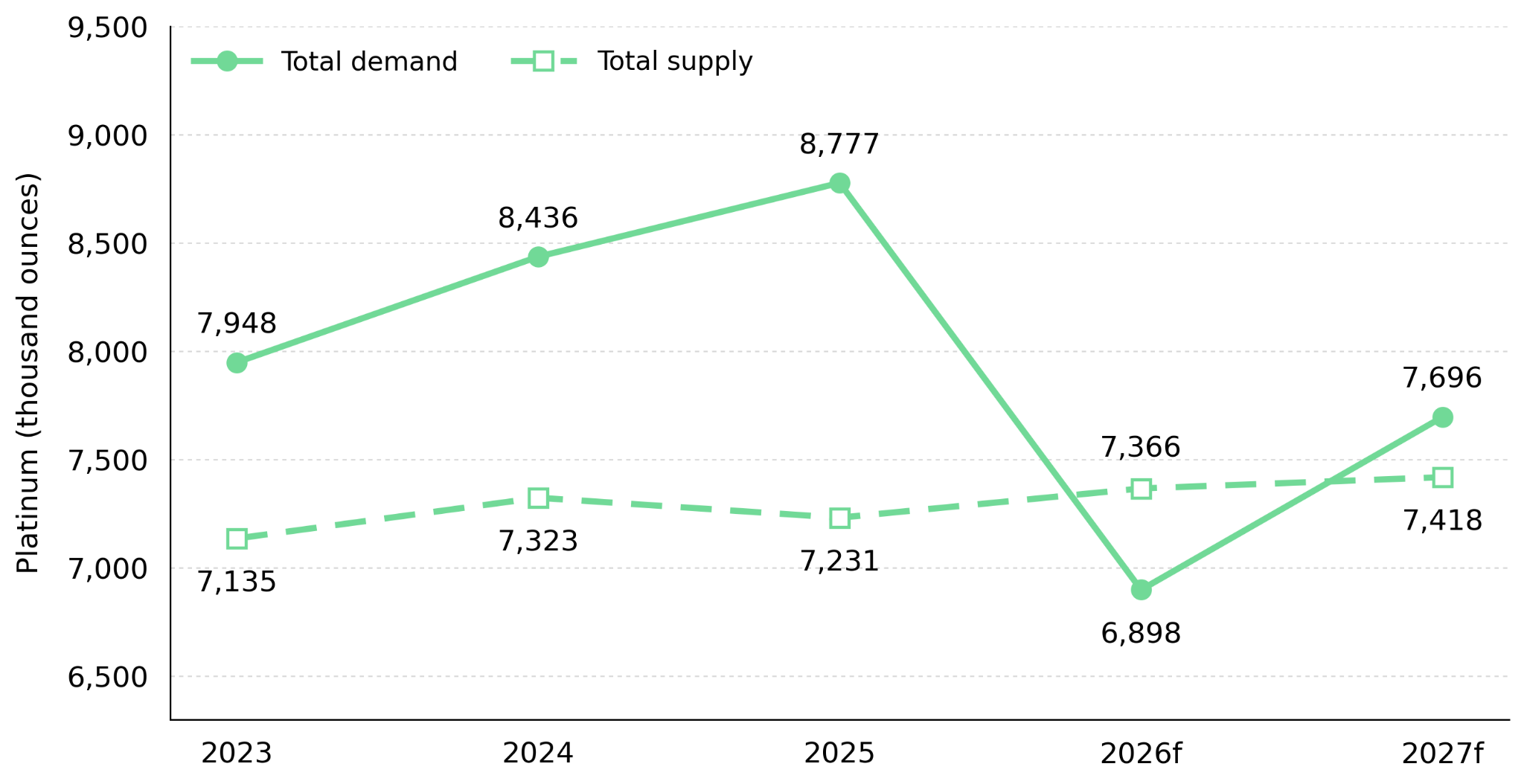
- The World Platinum Investment Council (WPIC), in its November 18, 2026 outlook, forecasts demand growth of 12% against total supply growth below 1%, strengthening the case for future mined and recycled supply.
- A projected 279,000-ounce platinum deficit in 2027 would reverse the 2026 surplus and require withdrawals from existing stocks.
- The forecast 911,000-ounce rebound in investment demand exceeds the 798,000-ounce increase in total demand, offsetting lower automotive and jewelry consumption.
- Spent vehicle catalysts represent approximately 79% of forecast platinum recycling in 2027, making catalyst collection and processing the largest secondary-supply opportunity.
- Platinum stocks are forecast to cover less than three months of demand by the end of 2027, leaving a smaller buffer against supply disruptions.
Aging Mines Increase the Need for Replacement Investment
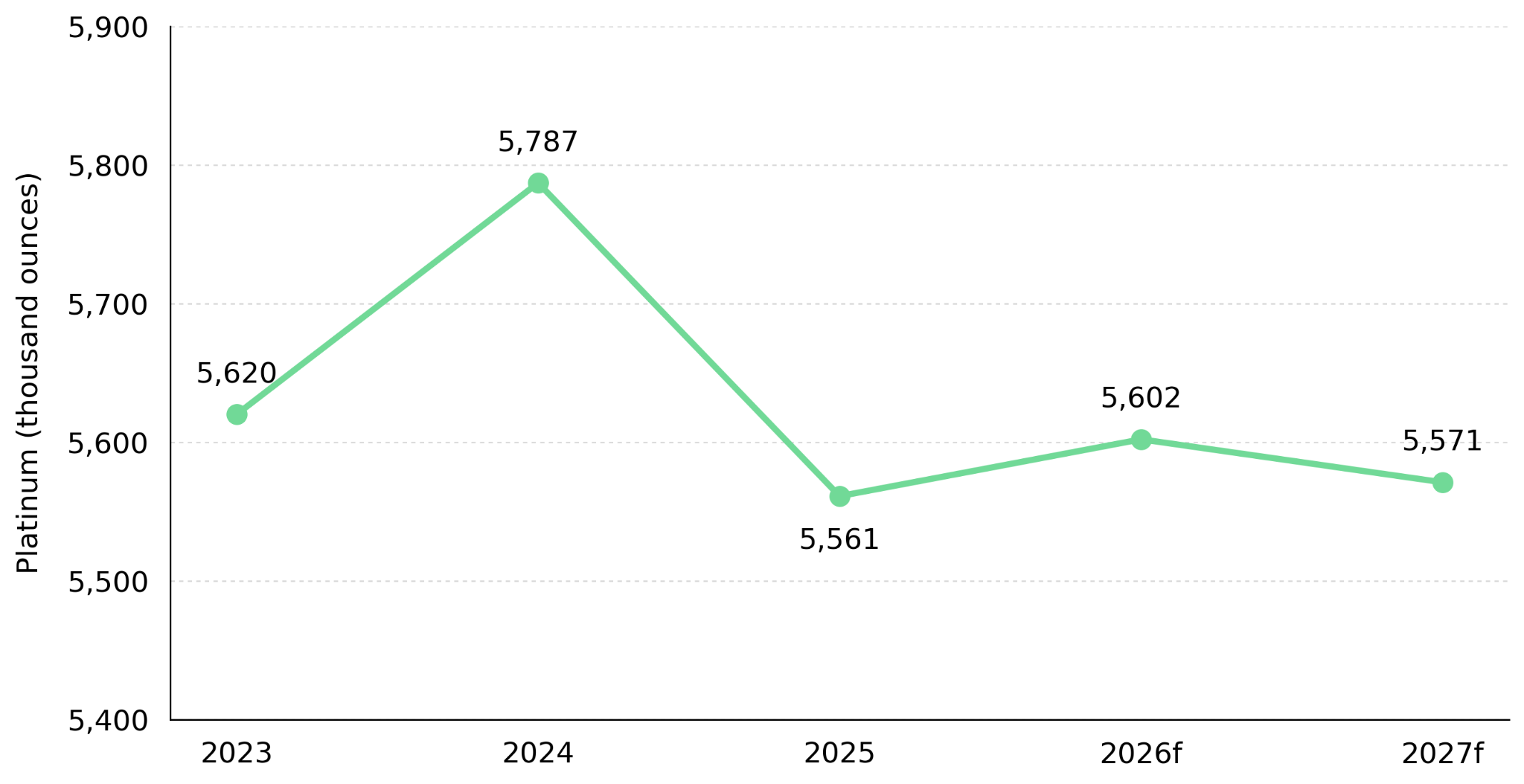
WPIC forecasts platinum mine supply of 5.571 million ounces in 2027, down from 5.602 million in 2026. The 31,000-ounce net decline means projected production gains do not fully offset losses elsewhere, strengthening the case for additional mine capacity.
South African refined production is forecast to fall by 59,000 ounces to 4.014 million ounces, exceeding Zimbabwe’s projected 27,000-ounce increase. WPIC attributes part of the South African decline to aging mines, while Zimbabwe’s growth partly reflects processing previously mined material held in stock. That inventory release increases refined deliveries without adding new mining capacity, highlighting the need to develop resources that can sustain production after accumulated stocks are processed.
The World Bank reports that new mines typically take more than a decade to develop, drawing on timeline data for 127 precious- and base-metal mines. That lead time supports funding exploration, metal-recovery testing, and permitting well before replacement production is required, allowing projects to complete essential studies before construction decisions.
Demand Recovery Increases Platinum Supply Requirements
WPIC forecasts total platinum demand to increase by 798,000 ounces to 7.696 million ounces in 2027, approximately 12%. Investment demand is forecast to swing from net selling of 398,000 ounces to net buying of 513,000 ounces, exceeding the overall demand increase. Projected declines of 151,000 ounces in automotive demand and 61,000 ounces in jewelry demand explain why total demand grows by less than the investment rebound.
Bar and coin demand is forecast to rise 55% to 448,000 ounces, alongside 105,000 ounces of separately reported Chinese demand for bars weighing at least 500 grams and 110,000 ounces of exchange-stock additions. Forecast selling of 150,000 ounces from exchange-traded fund (ETF) holdings brings net investment demand to 513,000 ounces.
Industrial platinum demand is forecast to rise 4% to 2.660 million ounces, supported by chemical demand growth of 29% and a 30% petroleum-sector recovery. Additional purchases for industrial catalysts provide sales opportunities for future mined and recycled platinum, making platinum recovery an important contributor to potential project revenue.
Higher Prices Help Increase Recycled Platinum Supply
WPIC forecasts an additional 83,000 ounces of recycled platinum in 2027, taking secondary supply to 1.847 million ounces. Higher PGM prices underpin part of this increase by encouraging scrap sales, bringing more material into processing facilities.
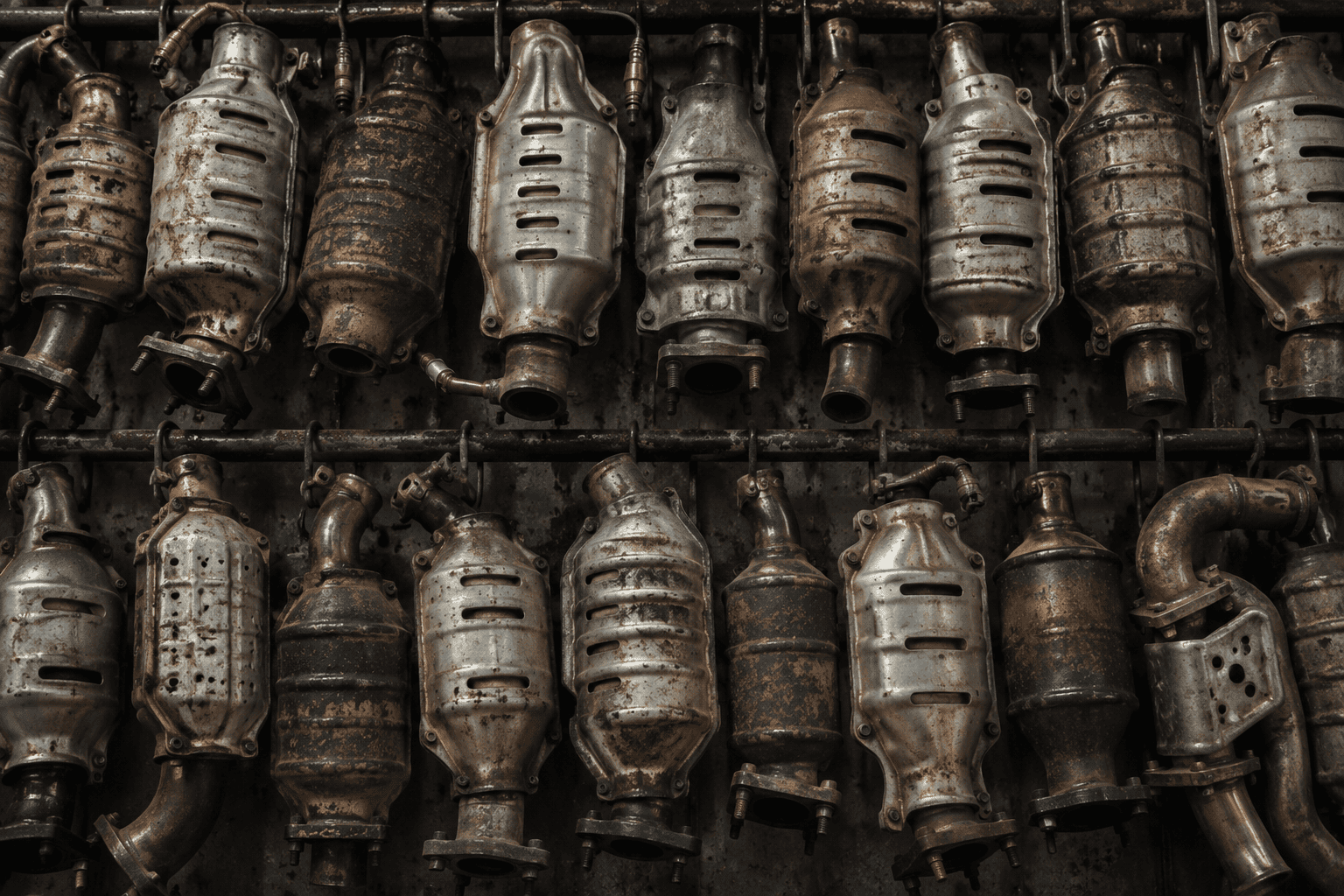
Spent vehicle catalysts are projected to provide 1.465 million ounces, approximately 79% of recycled platinum supply. This concentration makes catalyst collection agreements important to plant utilization and revenue from recovered metal.
Industrial platinum recycling is forecast to increase 9% to 96,000 ounces, supported by electronics recovery and equipment replacement. These replacement cycles release platinum-containing material for processing, providing an additional source of feedstock and metal sales beyond vehicle catalysts.
Complex Scrap Makes Recovery Rates Central to Recycling Revenue
WPIC reports that platinum recovered from spent vehicle catalysts rose 9% year over year to 334,000 ounces in the third quarter of 2026. Its review identifies a higher share of silicon carbide material in incoming scrap that complicated processing and affected recovery yields, making representative-feed testing important to estimating saleable metal and revenue. Source
Lifezone Metals is targeting feasibility-study completion and a final investment decision (FID) for its proposed US recycling plant in the first quarter of 2027. Pilot testing achieved recoveries above 99% for platinum and palladium, while further representative-feed testing, design improvements, and preferred-site negotiations are supporting the assessment of a commercial operation.
Mine Supply Constraints Strengthen the Case for Processing Research
BioPlat’s September 2026-August 2029 research program is investigating recovery methods for unconventional PGM ores, with pilot testing and economic evaluation planned. The work supports future primary supply by advancing processing options for resources that conventional methods recover less effectively.
ValOre Metals has signed a five-year memorandum of understanding with Germany’s Federal Institute for Geosciences and Natural Resources (BGR) to advance processing options at Pedra Branca in Brazil. The collaboration, within the government-funded BioPlat initiative, adds specialist expertise to assess recovery methods for weathered mineralization, broadening the project’s potential processing pathways.
Nick Smart, Chief Executive Officer of ValOre Metals, explains platinum mining’s reliance on diesel and electricity:
“Increasingly, we're seeing concern around the price of diesel and availability of diesel. When you're operating major mining operations like platinum mines, either deep-level underground mines or large-scale open pits, you're reliant on supply of diesel and supply of electricity.”
Inventory Drawdowns Support Investment in New Supply
WPIC forecasts above-ground platinum stocks of 1.813 million ounces at the end of 2027, down 13% and covering less than three months of demand. This drawdown reduces the metal held in reserve to cover supply shortfalls, strengthening the case for additional mine production and recycled supply. Source
The projected 279,000-ounce deficit remains after forecast recycling growth is included in the balance. This supports two complementary investment paths: expanding recycling capacity to recover metal from existing products and funding exploration and processing studies to establish longer-term mine supply. Progress toward commercial recycling operations and recoverable mineral resources gives each pathway a measurable contribution to future PGM availability.
The Investment Thesis for PGMs
- Resource definition helps explorers establish replacement potential, with mineral quantity and grade continuity indicating how a project could contribute as existing mines age.
- Processing research helps explorers identify viable recovery routes, connecting contained metal with potential sales and the costs required to produce it.
- Technical partnerships help explorers target development spending, directing specialist expertise toward studies needed before larger capital commitments.
- Reliable feedstock helps recyclers sustain plant utilization, linking catalyst collection agreements with throughput and recurring metal sales.
- Processing efficiency helps recyclers control costs per recovered ounce, supporting margins as scrap quality and energy prices change.
- Feasibility work helps recyclers prepare for commercial investment, bringing plant design, site requirements, and capital needs into a defined financing plan.
Platinum’s outlook strengthens the case for investment in additional supply as aging mines constrain production and renewed buying draws on available stocks. Exploration and recycling offer complementary ways to meet that requirement, linking new resources and recovered metal with future sales. The investment opportunity lies in companies translating recovery results into practical development plans, clear capital requirements, and achievable commercial milestones. Progress along that path provides a basis for assessing project value before production begins.
TL;DR
WPIC forecasts a 279,000-ounce platinum deficit in 2027 as investment demand recovers, with total demand rising approximately 12% against total supply growth below 1%. Recycling growth does not close the projected shortfall, while stocks fall below three months of demand cover. This supports complementary investment in future mine supply and metal recovery. ValOre Metals’ processing research at Pedra Branca advances potential recovery pathways, while Lifezone Metals is targeting recycling feasibility completion and an investment decision in the first quarter of 2027. Demonstrated recovery, feedstock access, and practical development plans provide concrete measures of project progress.
FAQs (AI-Generated)
Analyst's Notes





Subscribe to Our Channel









Stay Informed


