




EU Tungsten Push Into Vietnam Reprices Non-Chinese Processing Capacity


APT prices surged 310%, raising costs for European toolmakers while creating opportunities for tungsten operations with integrated refining.
- EU documents from June 2026 recommend funding Vietnam's tungsten mining and processing to expand EU supply access ahead of To Lam's October 22, 2026 Brussels meetings.
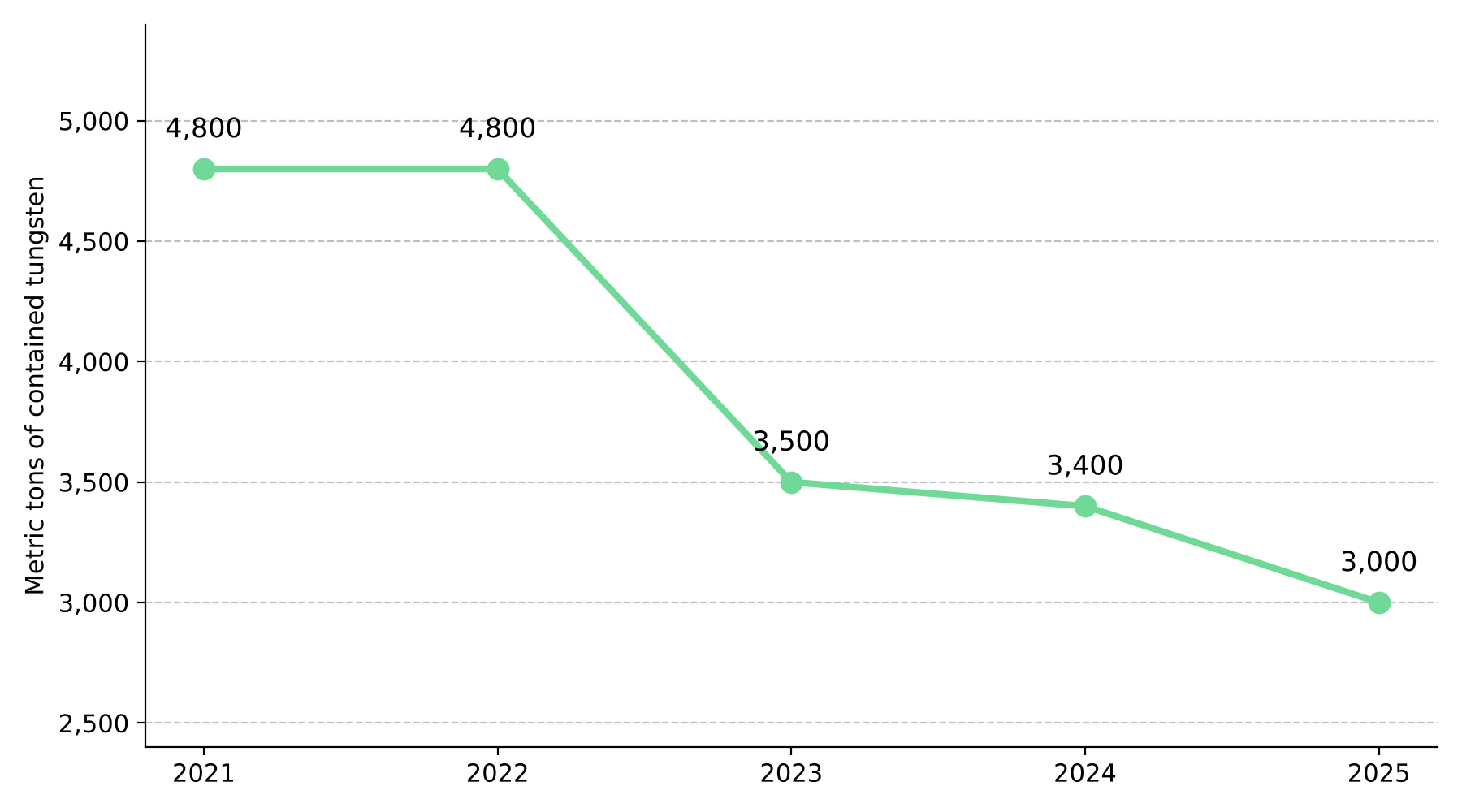
- Vietnam's tungsten mine output fell 37.5% from 4,800 metric tons in 2021 to 3,000 metric tons in 2025, limiting supply diversification beyond China.
- Vietnam's 2025 tungsten output equaled just 17% of the EU's average annual consumption of 17,273 metric tons, limiting its ability to replace Chinese supply.
- Ammonium paratungstate (APT) prices surged 310% from $83 to $340 per kilogram of tungsten trioxide between January and July 2026, raising input costs for carbide toolmakers.
- Vietnamese tungsten output above 4,800 metric tons would reverse the decline from 2021, weakening the case for continued mine supply contraction.
EU Funding Proposals Target Greater Access to Vietnamese Tungsten
Internal EU documents recommend loans, grants, technical assistance, and export-credit insurance to maintain and expand EU access to Vietnamese tungsten, bismuth, antimony, and titanium. The proposals seek concrete outcomes from To Lam's October 22 Brussels meetings. APT prices rose from $83 to $340 per kilogram of tungsten trioxide, raising input costs for European carbide toolmakers.
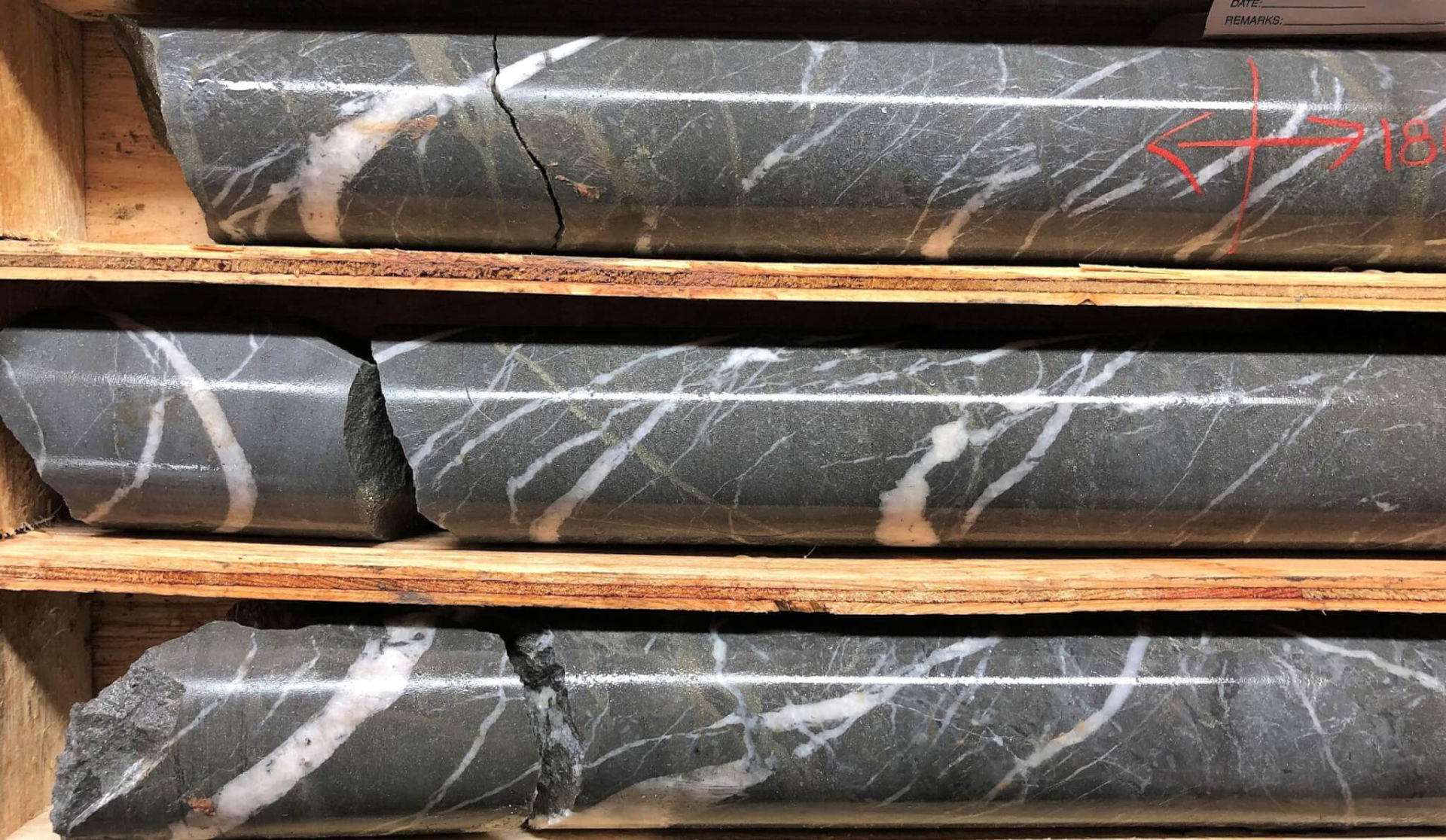
APT is a refined tungsten compound used to produce tungsten metal and carbide cutting tools. Its price surge reflects a physical shortage, while China's control of about 85% of global APT refining capacity and 80% of tungsten mine production limits alternative supply sources.
Vietnam's 37.5% Mine Output Decline Limits EU Supply Options
Vietnam's tungsten mine production fell from 4,800 metric tons in 2021 to 3,500 in 2023 and 3,000 in 2025, reducing non-Chinese supply. Exports from Vietnam's largest tungsten mine and refinery, which supplies Germany, also declined as administrative bottlenecks and high prices restricted shipments.
Vietnam remains outside the EU's 16 strategic raw-material partnerships, limiting formal cooperation on supply diversification under the Critical Raw Materials Act (CRMA). EU documents favor supporting tungsten processing over mining due to lower political sensitivity. Meanwhile, EQ Resources' plan to acquire a majority stake in Vietnam's largest tungsten complex failed in 2025, while Elmet Group acquired 4.99% in September 2026 and is negotiating another 5%.
Refining Expertise Requirements Delay New Supply
EU funding cannot immediately increase tungsten supply because refining capacity depends on specialized expertise. Andreas Bock, Senior Project Manager at Wolfram, explained that installing new equipment alone cannot add refining capacity overnight.
EU's 80% Processing Import Reliance Favors Integrated Suppliers
European carbide toolmakers face margin pressure from APT prices of $340 per kilogram of tungsten trioxide, with tools accounting for 67% of EU tungsten use. Meanwhile, non-Chinese tungsten developers and processors with European offtake agreements could benefit from demand for alternative supply.
Integrated mining and refining strengthen access to European buyers, as demonstrated by Vietnam's largest tungsten complex, a key European supplier. The EU produces about 2,120 metric tons of tungsten from mines in Austria, Portugal, and Spain, yet its processing stage remains 80% import reliant.
The October 22 Brussels meetings may produce a funded partnership or only a statement, while ownership changes at Vietnam's largest tungsten complex could affect European supply access. Announcements without additional mining or refining capacity leave supply constraints unchanged, exposing positions driven by the news to potential losses.
Why Could Integrated Tungsten Assets Gain Value
Europe's tungsten supply constraint lies in refining capacity rather than mineral reserves. China controls roughly 85% of global APT refining capacity, limiting European buyers' supply options and pricing power, while Vietnam's mine output remains too small to offset that dependence.
For non-Chinese tungsten developers and processors supplying Europe, refining capacity can strengthen valuations by reducing dependence on Chinese processing. Higher tungsten prices are helping finance alternative refining capacity after two decades of cheap Chinese supply discouraged investment, with buyers committing capital to secure non-Chinese supply.
Analyst's Notes





Subscribe to Our Channel



.webp)

Stay Informed


