




US Defense Capital Moves Into Tungsten With No Mine Since 2015


China supplies 79% of mined tungsten as export licensing lifts APT prices, making 2027 sourcing rules and restart timing key valuation signals.
- On September 14, 2026, the US Defense Logistics Agency awarded a tungsten stockpile contract capped at US$2 billion, with US$150 million guaranteed, while the Department of War committed US$450 million in equity.
- China produced 67,000 of the world’s 85,000 metric tons of tungsten in 2025, while licensing cut ammonium paratungstate (APT) exports from 782 metric tons in 2024 to 243 metric tons in the first 11 months of 2025, tightening supply for a US market without commercial mine output since 2015.
- Stockpile orders can rise from the guaranteed US$150 million toward the US$2 billion ceiling through August 30, 2031, as new Western mining and processing capacity comes online.
- From January 1, 2027, US defense contractors cannot deliver tungsten powder or heavy alloy sourced from China or Russia, favoring traceable supply, although a pending bill could phase broader sourcing rules through 2031.
- Beijing’s export licensing supports European APT prices of US$2,900-3,000 per metric ton unit (mtu), while a weekly price below US$1,900/mtu would signal the scarcity premium is unwinding.
US$2 Billion Contract Ceiling Lifts Shares Despite US$150 Million Guarantee
The US Defense Logistics Agency (DLA) awarded an Elmet Group subsidiary a contract worth up to US$2 billion to supply tungsten ores, concentrates, and sodium tungstate to the National Defense Stockpile. The Department of War also committed US$450 million through preferred equity and warrants covering up to 19.9% of Elmet, sending Elmet shares up as much as 55% and EQ Resources shares up 16.9%.
The US$150 million guarantee leaves US$1.85 billion as potential orders rather than booked revenue. With no commercial US tungsten mining since 2015, orders above the guarantee depend on new mining and processing capacity.
Chinese Export Licensing Raises Rotterdam Tungsten Concentrate Prices 51%
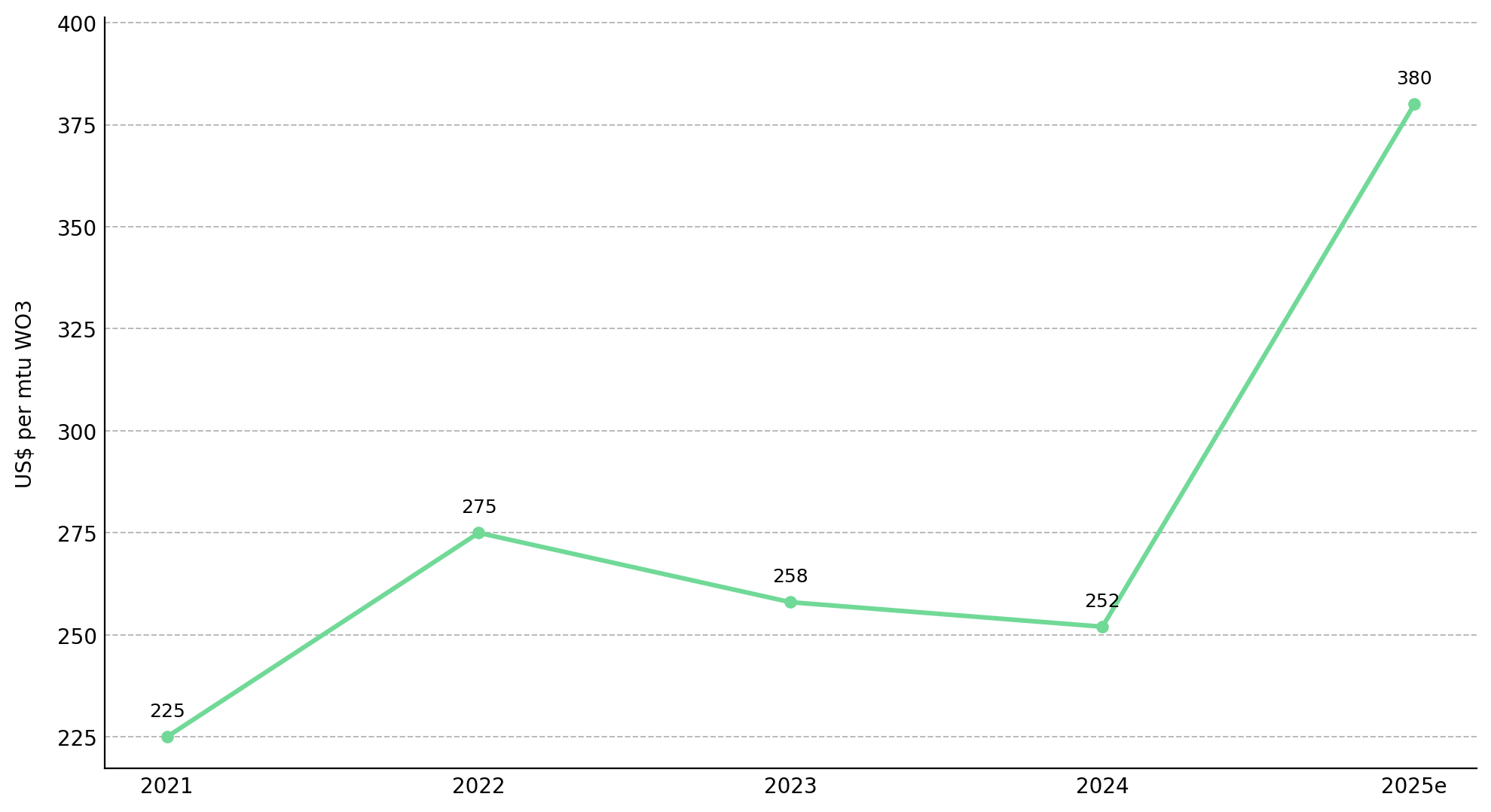
China produced 67,000 of an estimated 85,000 metric tons of global tungsten in 2025, concentrating 79% of mine supply in one country. After Beijing introduced export licensing, the average in-warehouse Rotterdam concentrate price rose 51% from US$252 in 2024 to an estimated US$380 mtu, equal to 10 kilograms of tungsten trioxide. APT exports fell almost 70% from 782 metric tons in 2024 to 243 metric tons in the first 11 months of 2025, tightening feedstock for powder and carbide production and raising the value of non-Chinese supply.
The US raised tariffs on several Chinese tungsten products to 50%, improving the cost position of non-Chinese supply. From January 1, 2027, Defense Federal Acquisition Regulation Supplement (DFARS) clause 252.225-7052 bars US defense contractors from delivering tungsten powder or heavy alloy sourced from China, Russia, Iran, or North Korea, making traceability a procurement requirement.
Late-2027 US Mine Restart Could Unlock Higher Stockpile Orders
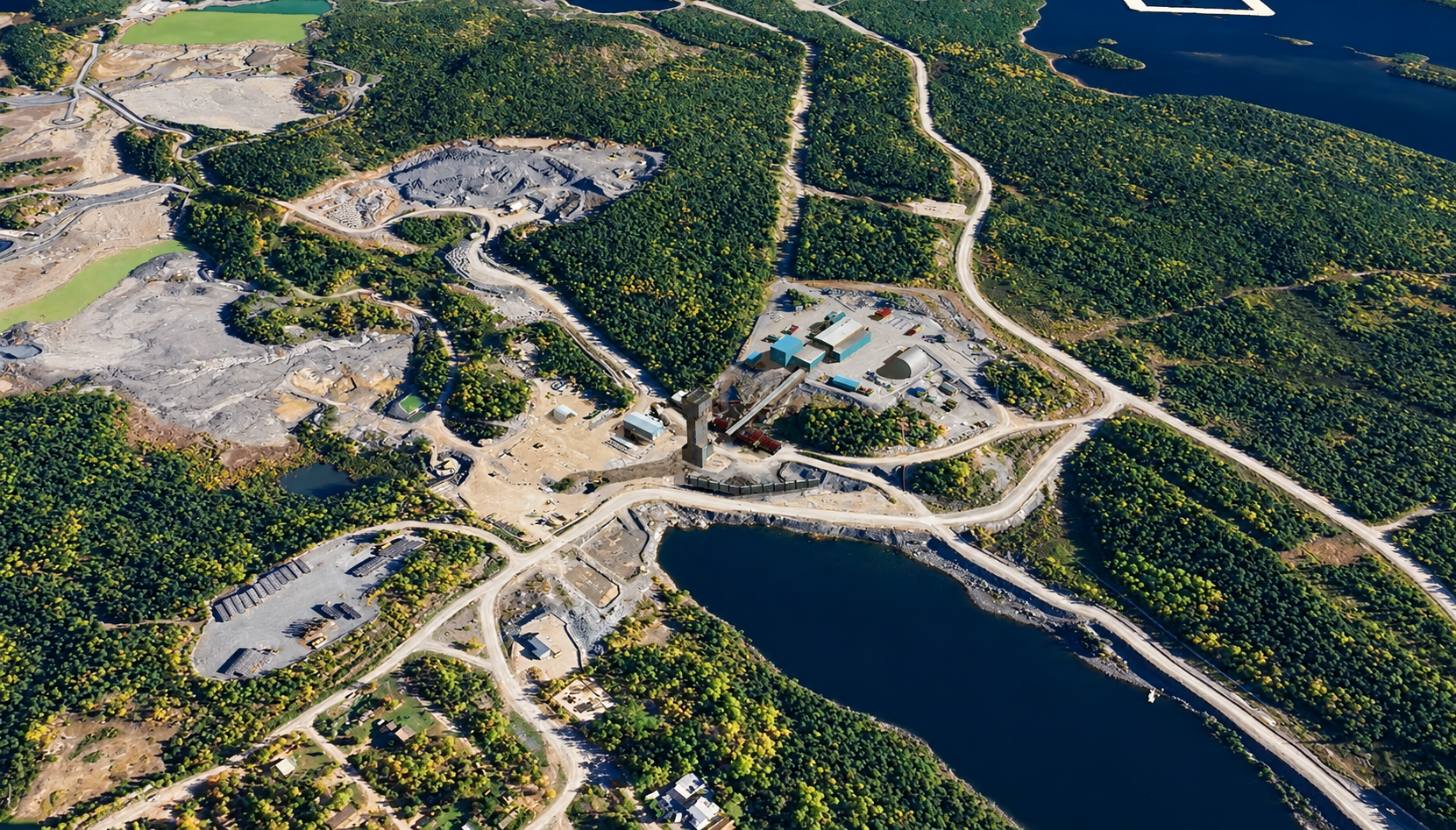
Stockpile deliveries depend on new mining and processing capacity. Blue Moon Metals is targeting Springer mine and mill production in Nevada in the fourth quarter of 2027 and a 4,000-ton-per-year APT plant restart in the second half of 2028. Craig Bradshaw, Managing Director of EQ Resources, told Reuters:
“We are already producing tungsten from Australia and Spain, and this proposed joint venture gives us a pathway into downstream APT processing in the US.”
European APT Premium Raises Mining Costs, Rewards Market-Linked Supply
About 60% of US tungsten consumption goes into cemented carbide used in mining, drilling, construction, and metalworking. European APT at US$2,900-3,000/mtu raises the cost of drill bits and wear parts, increasing the value of non-Chinese concentrate sold through market-linked agreements such as Springer’s supply agreement.
Traceable concentrate that reaches non-Chinese conversion before 2028 has the clearest route to defense demand. EQ Resources mines tungsten in Australia and Spain and has reserved up to 1,000 tons per year of Springer APT capacity. Almonty Industries is targeting initial feedstock from existing Rwandan license holders, favoring producers and developers with near-term output over early-stage explorers.
DLA orders above US$150 million remain discretionary, while the House fiscal year 2027 defense bill could phase concentrate and APT sourcing rules through 2031 rather than enforce them from January 1, 2027. This timing risk favors disciplined position sizes and current producers because developers priced for a fixed deadline could fall sharply if Congress delays the rules.
What an APT Price Below US$1,900 Means
Chinese export licensing separates regional APT markets, with domestic prices near RMB 600,000 per metric ton and European prices at US$2,900-3,000/mtu. Allied concentrate producers with market-linked sales capture that premium while licensing continues. When one country controls processing, government support funds alternative conversion through equity and purchase commitments rather than guaranteeing commodity prices.
If China’s Ministry of Commerce removes APT export licensing, renewed Chinese supply could narrow regional price premiums and pressure developers valued at ex-China spot prices. The contrarian opportunity remains because DFARS bars Chinese-mined tungsten from defense contracts unless the US issues a nonavailability determination, while capacity funded under current programs could still serve restricted defense demand.
Fastmarkets’ weekly APT assessment for cost, insurance, and freight (CIF) delivery to Rotterdam and Baltimore provides the clearest test. A price below US$1,900/mtu would mark a return to the mid-February 2026 range and signal that the regional premium is narrowing.
Analyst's Notes





Subscribe to Our Channel



.webp)


Stay Informed


